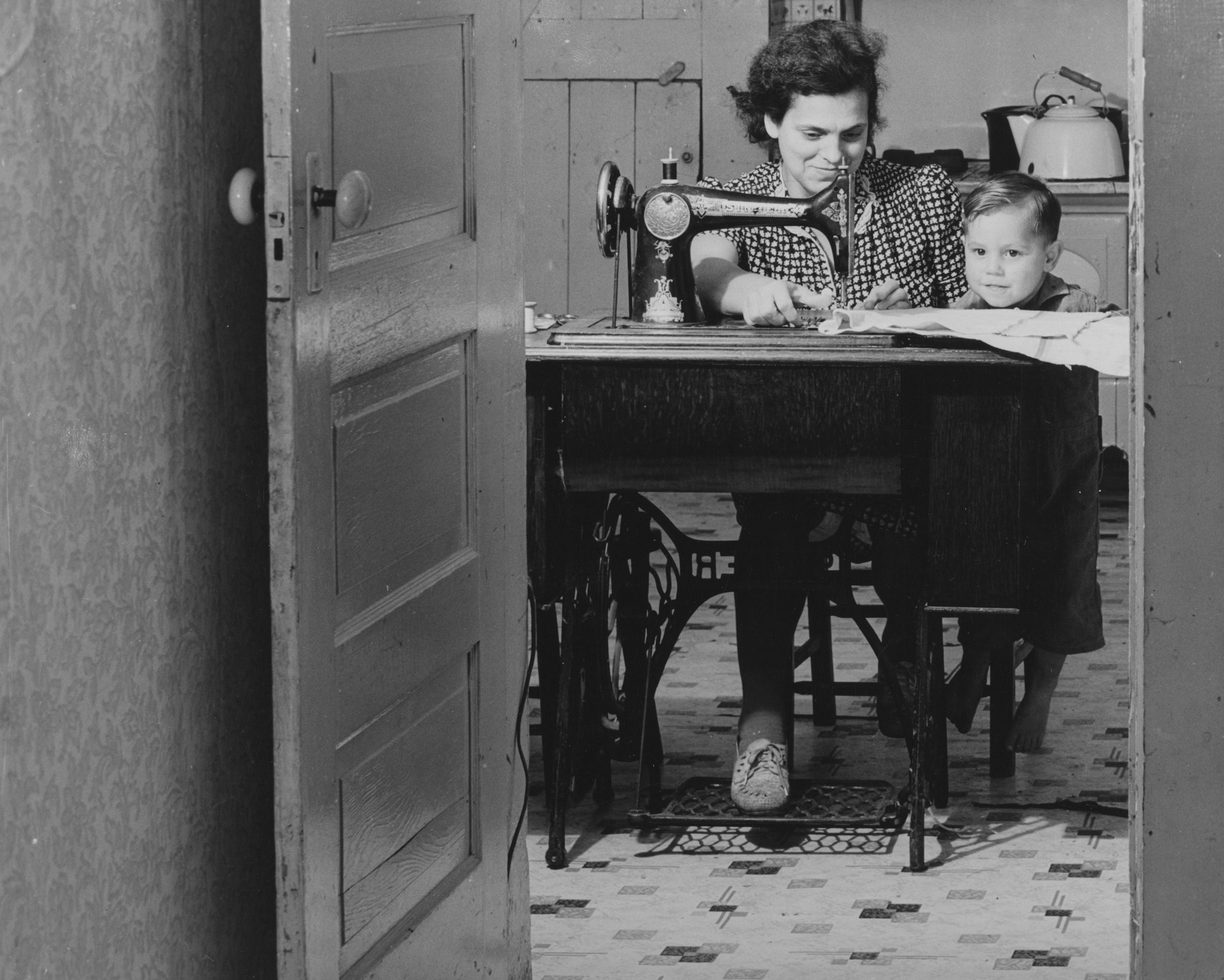
Growing up without money changes how you see the world. It teaches you to notice every small thing that others overlook and to find value in what you have instead of what you want. While some people remember childhood as a blur of toys and vacations, you might remember counting coins, stretching groceries, and making do. But out of that struggle came strength, creativity, and a quiet pride in knowing how to survive and smile through anything.
1. Hand-Me-Down Everything
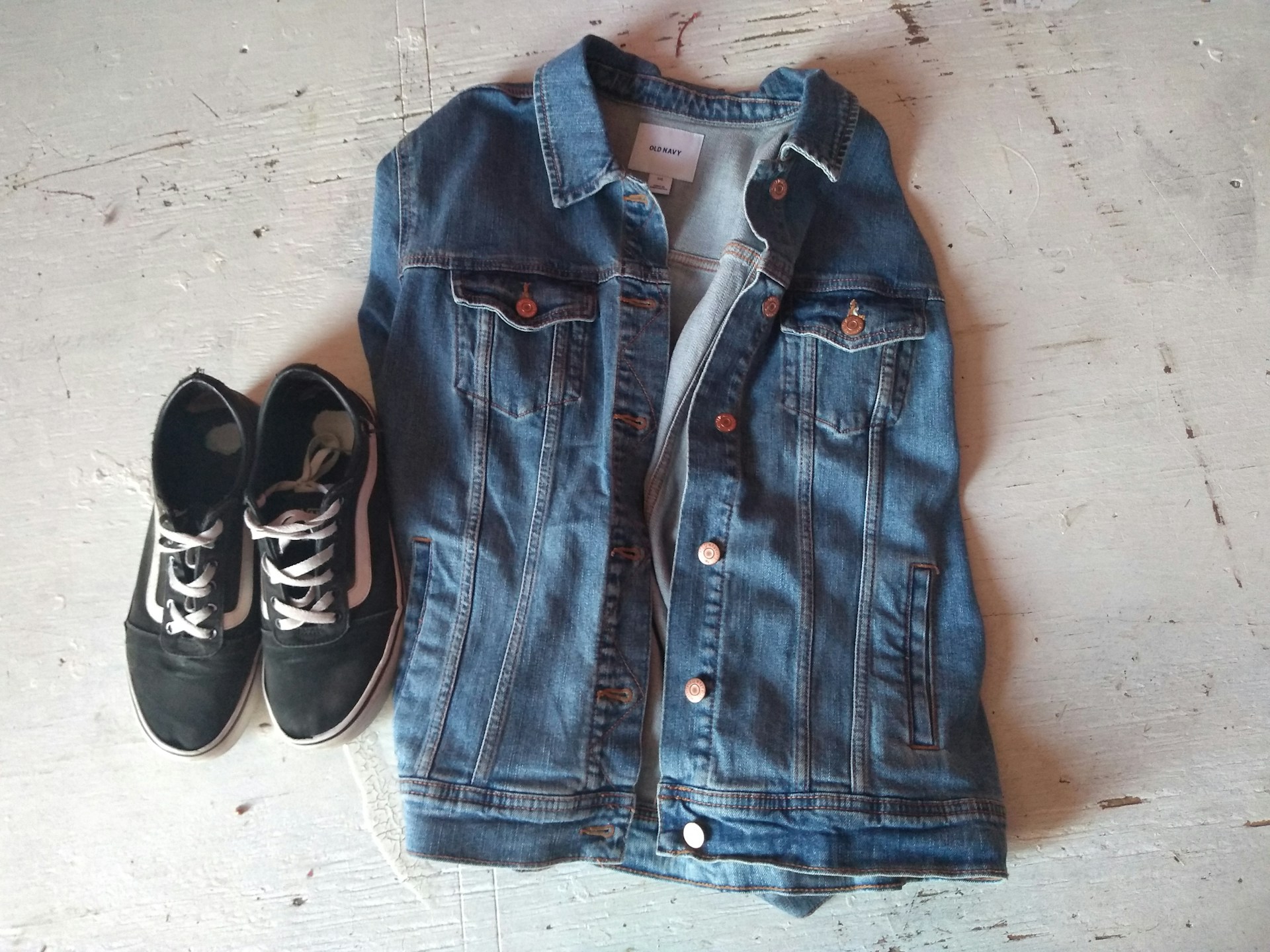
If you grew up without much money, “new” clothes usually meant something someone else had already worn. You learned to accept hand-me-downs from cousins, friends, or older siblings, no matter how stretched out or outdated they were. Sometimes they were too big, sometimes too small, but you wore them anyway. Back then it might have felt unfair, but it taught you practicality and gratitude. You didn’t need the latest trend to feel confident; you made your own style from what you had.
2. Stretching Groceries to the Limit

Every meal was a careful calculation. You learned how to stretch food far beyond what the recipe suggested. Rice, beans, and pasta could last all week if you were smart about it. Casseroles appeared often, made from whatever was left in the fridge. Eating out was rare, and leftovers were never wasted. You became an expert at turning simple ingredients into something good. Even now, you probably can make a full meal from almost nothing and feel proud of it.
3. Holidays Built on Creativity
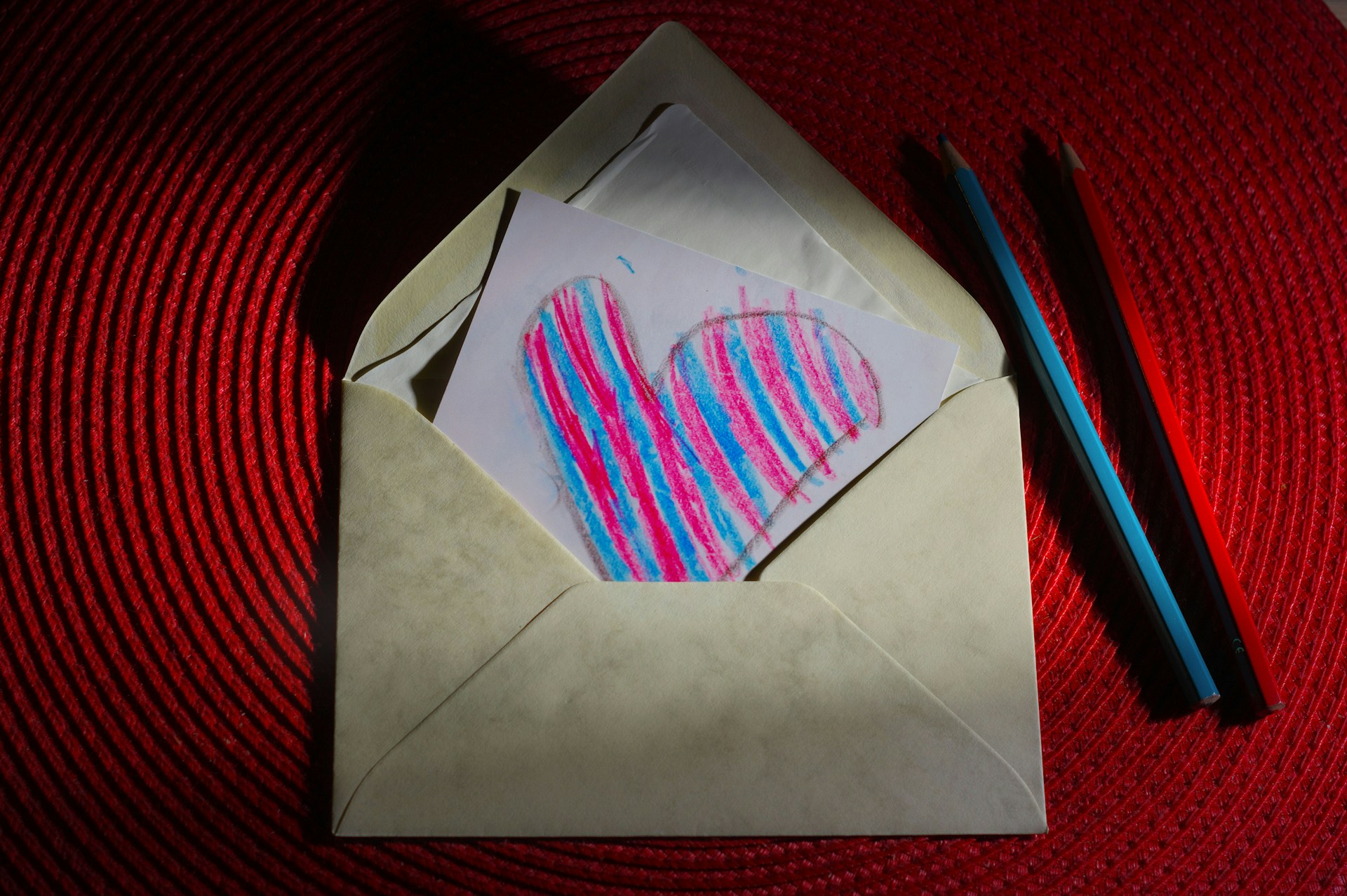
When money was tight, holidays weren’t about piles of gifts. They were about imagination and love. You made cards out of notebook paper, wrapped gifts in old newspapers, and found joy in the smallest surprises. Homemade presents were normal, and even though you wished for store-bought ones, what mattered most was being together. Looking back, those moments carry more meaning than anything expensive because they were built on care, not cost.
4. Fixing Instead of Replacing
In a household with little money, nothing was ever thrown away until it was truly finished. Broken chairs got glued, old clothes got stitched, and appliances were tinkered with until they worked again. You learned patience and problem-solving through constant repairs. Even as an adult, you might still hesitate before replacing something. That habit came from knowing how hard it is to earn what you have, and how rewarding it feels to keep it working just a little longer.
5. Entertainment Meant Imagination

Before streaming and gadgets, your fun was homemade. You played outside, invented games, or rewatched the same movie dozens of times. Trips to the library felt like adventures, and family game nights were real excitement. While others went to theme parks or malls, you learned to laugh without spending a thing. That kind of childhood gave you a strong imagination and an appreciation for simple pleasures that still lingers today.
6. Using Everything Until It Wore Out
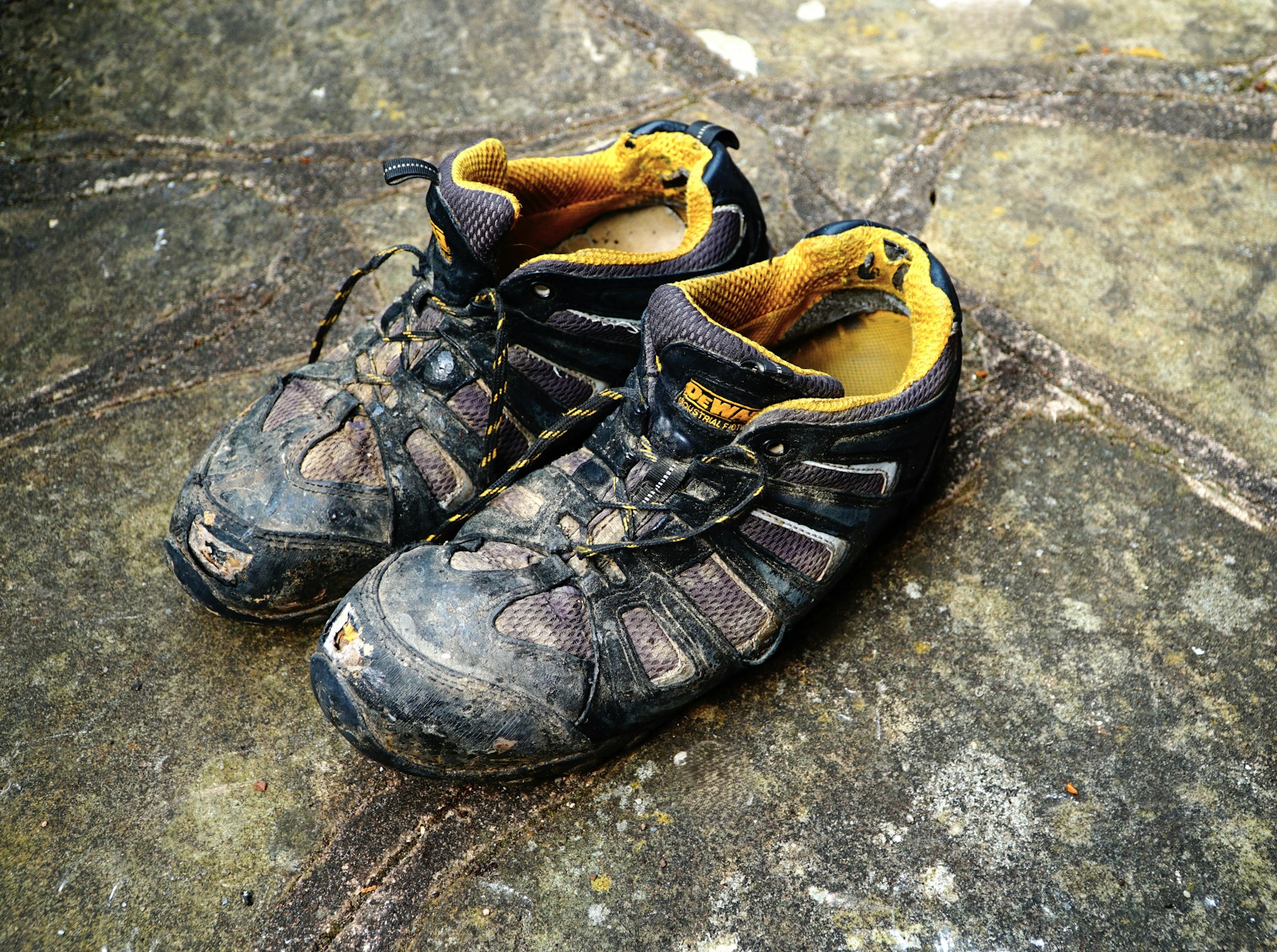
Every item in your home had a long life. Clothes were worn until the seams gave out, furniture stayed until it broke, and school supplies lasted through repairs with tape and glue. Waste was never an option because there was nothing to replace things with easily. That mindset followed you into adulthood. You know how to take care of your belongings and appreciate durability because you grew up knowing how precious each item really was.
7. Learning the Value of Every Dollar

Money wasn’t abstract when you grew up poor; it was real and limited. Watching your parents stretch every paycheck made you understand what a dollar could do. You learned to save coins, budget small amounts, and choose needs over wants. Even today, you probably think twice before spending on luxuries. Those lessons might have come from struggle, but they built a lifelong respect for money that others sometimes lack.
8. Simple Gestures Over Expensive Gifts
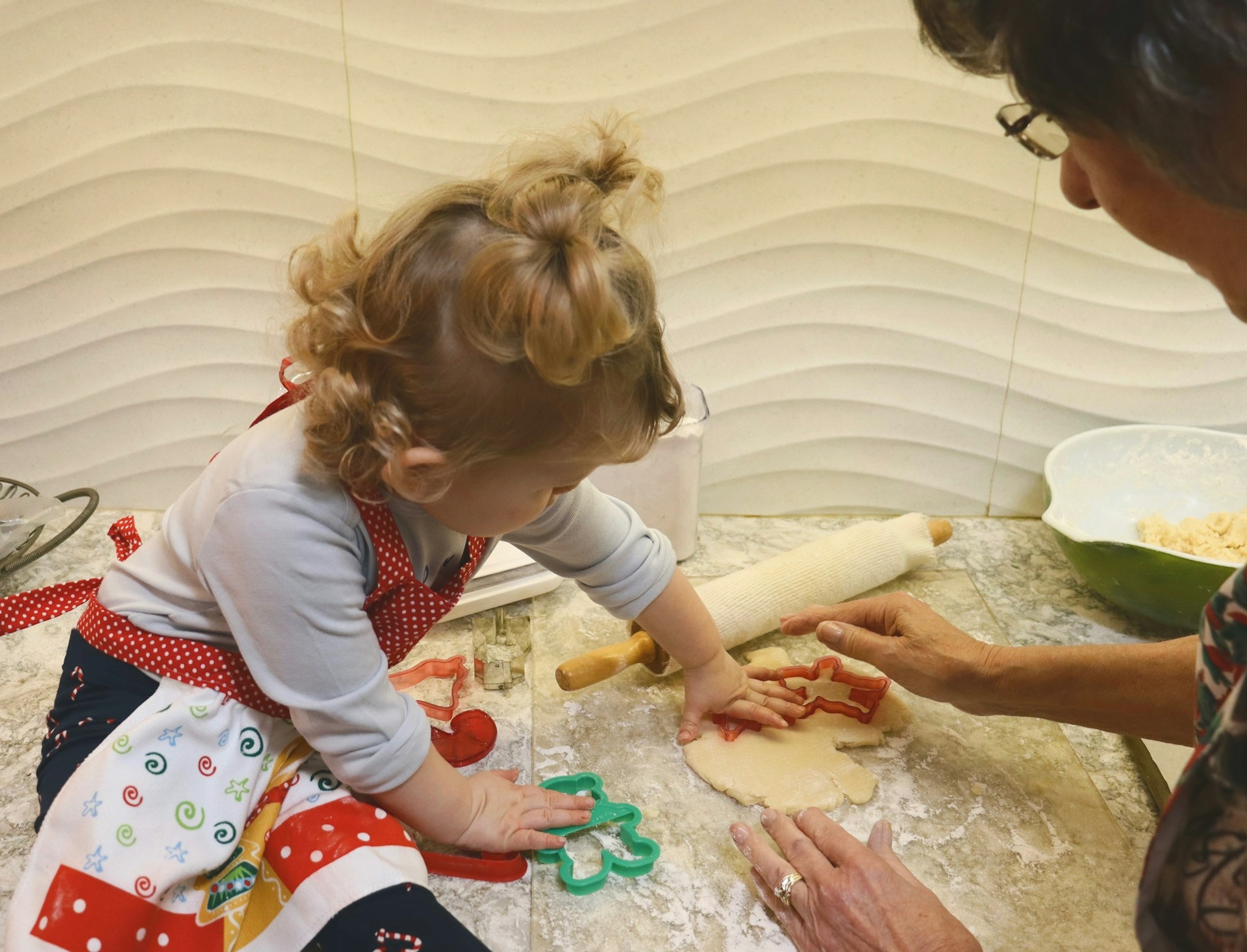
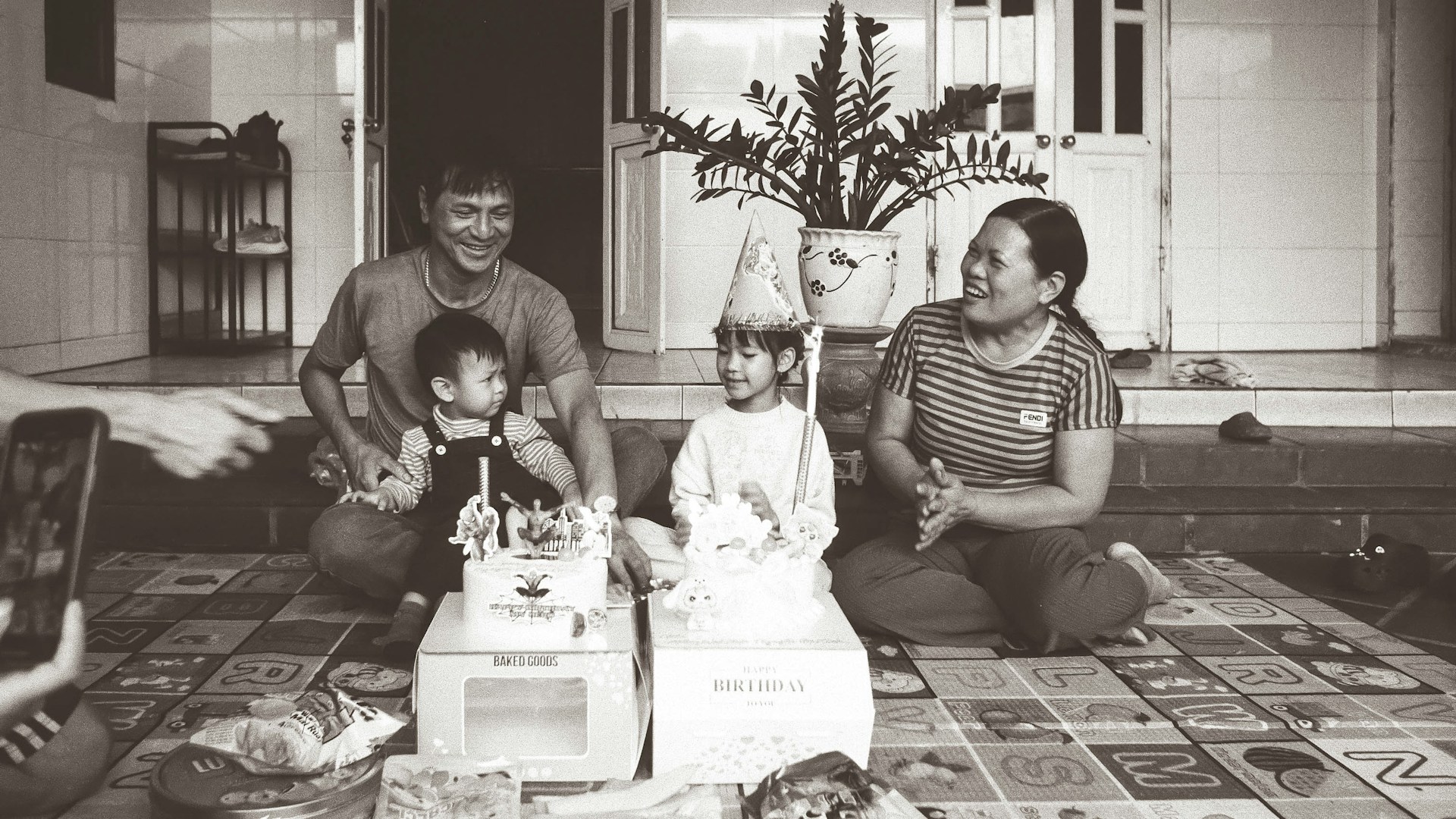
Without money for fancy gifts, you learned that thoughtfulness mattered more. You made birthday cards by hand, baked simple cakes, or wrote heartfelt notes. Those gestures meant more than store-bought things because they came from effort and care. Even now, you might prefer giving something personal instead of expensive. Growing up that way taught you that kindness doesn’t need a price tag; it just needs sincerity.
9. Secondhand Was the Norm
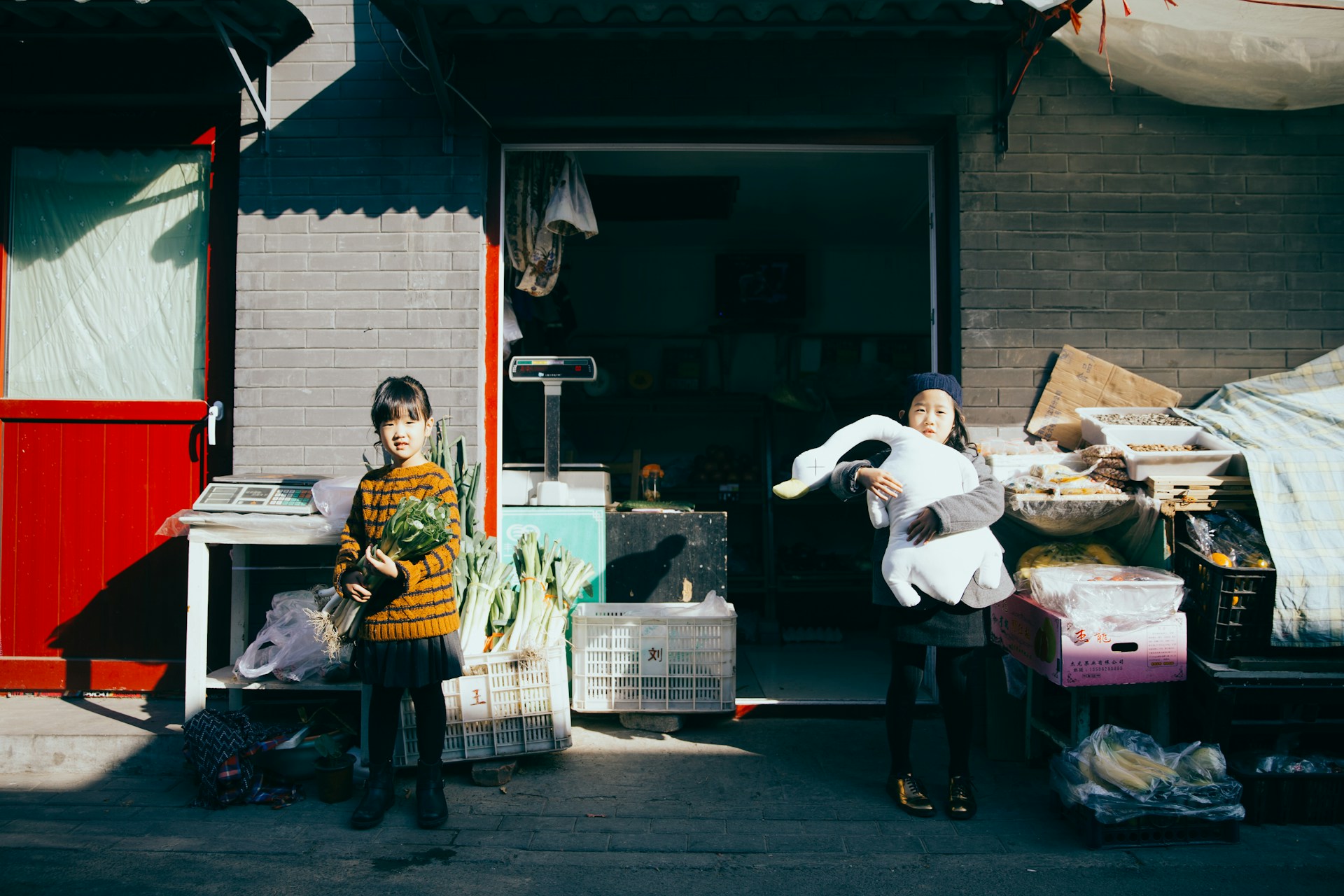
Thrift stores and yard sales weren’t trendy when you were a kid; they were the only option. You learned to hunt for bargains and make the most out of other people’s cast-offs. Whether it was clothes, toys, or furniture, finding something usable for a few dollars felt like a victory. That skill stayed with you, and now secondhand shopping feels less like settling and more like being smart with your money.
10. Money Conversations Were Tense
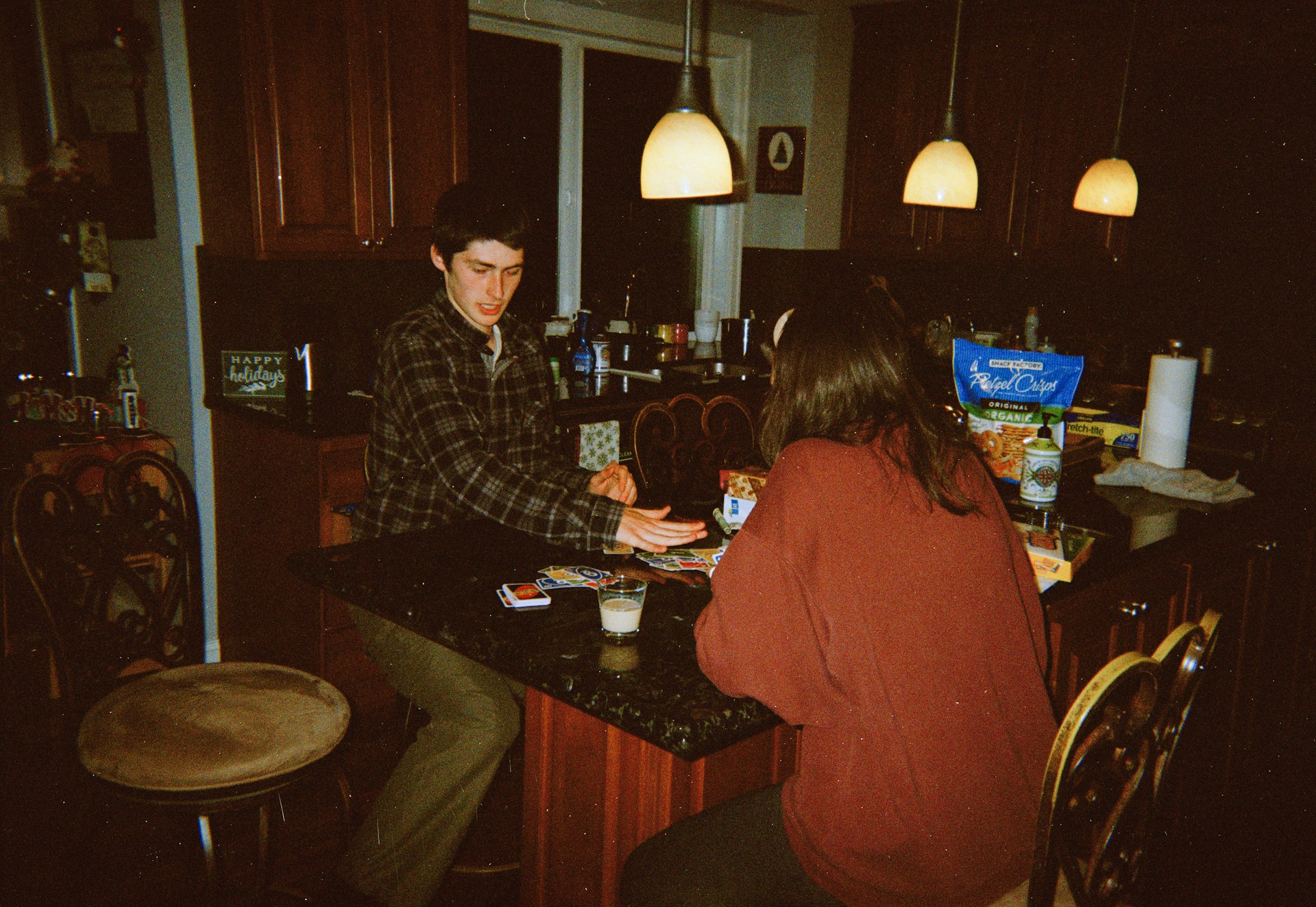
Talking about money at home wasn’t casual. You learned to pick up on quiet stress when bills were due or when someone mentioned work hours. You avoided asking for things because you knew money was tight. As an adult, that background might make you careful or anxious about finances, but it also gives you empathy. You know that money struggles aren’t about laziness: they’re about survival and sacrifice.
11. Finding Joy in Small Victories
When you grew up without money, small achievements felt monumental. Getting your first paycheck, buying something new with your own savings, or treating your family to dinner filled you with pride. Those moments weren’t just about material success; they were proof of how far you’d come. You didn’t need wealth to feel rich: just progress. That mindset, born from scarcity, still drives you to work harder and appreciate everything you earn.
Growing up poor wasn’t easy, but it built strength and gratitude that wealth can’t teach. You learned to find happiness in simplicity, value in effort, and beauty in resilience. Those experiences shaped how you live, spend, and care today. You might not have had much then, but what you gained was far more lasting than anything money could buy.