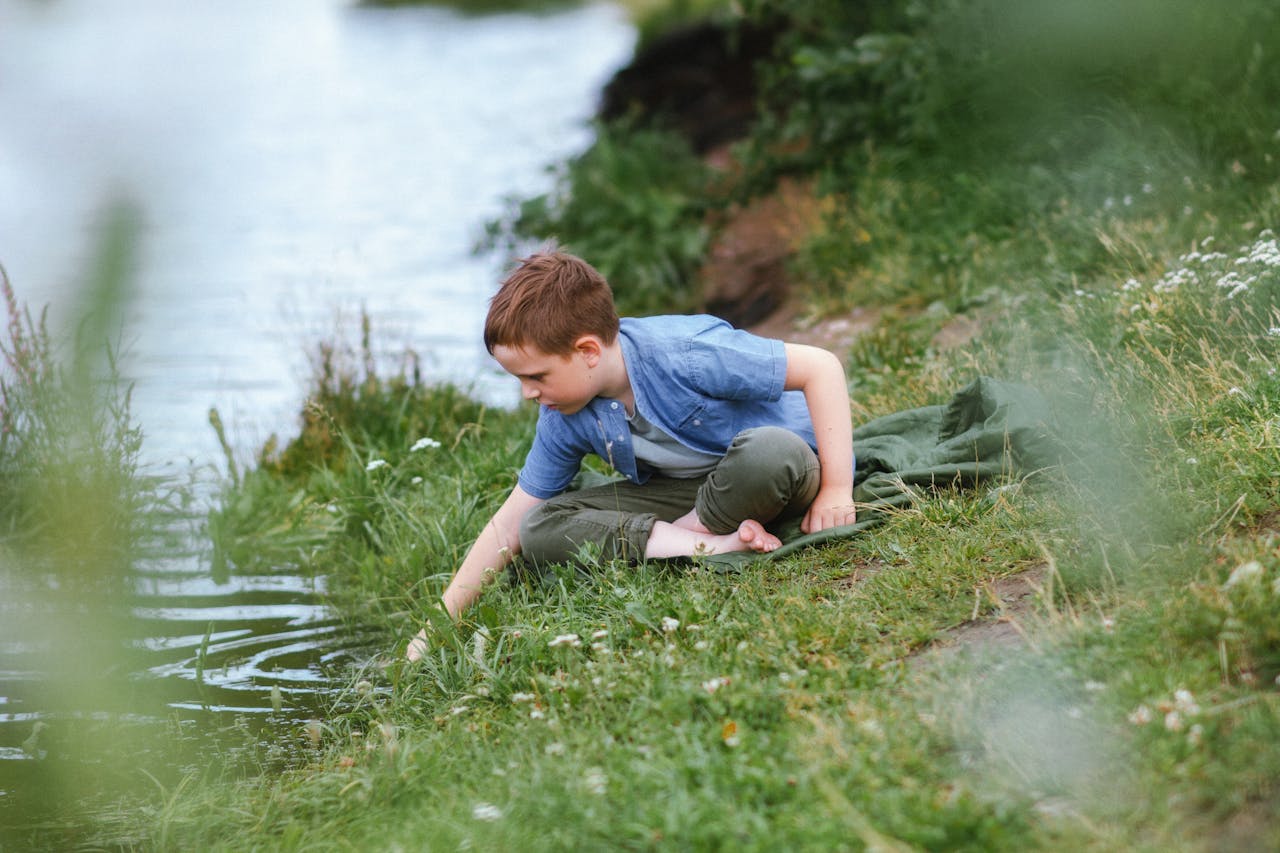
For centuries, rivers have carried not just water but wisdom. Parents who lived close to them often shaped lessons around their flow, teaching children through imagery that was practical, poetic, and unforgettable. These weren’t rules found in a manual but traditions born from experience and survival, meant to build character, resilience, and empathy. Passed down at mealtimes, by the fire, or during work, these lessons still hold power today. Here are ten river-inspired parenting maxims that continue to guide us long after the water passes.
1. Dirt on Your Boots Means You Showed Up
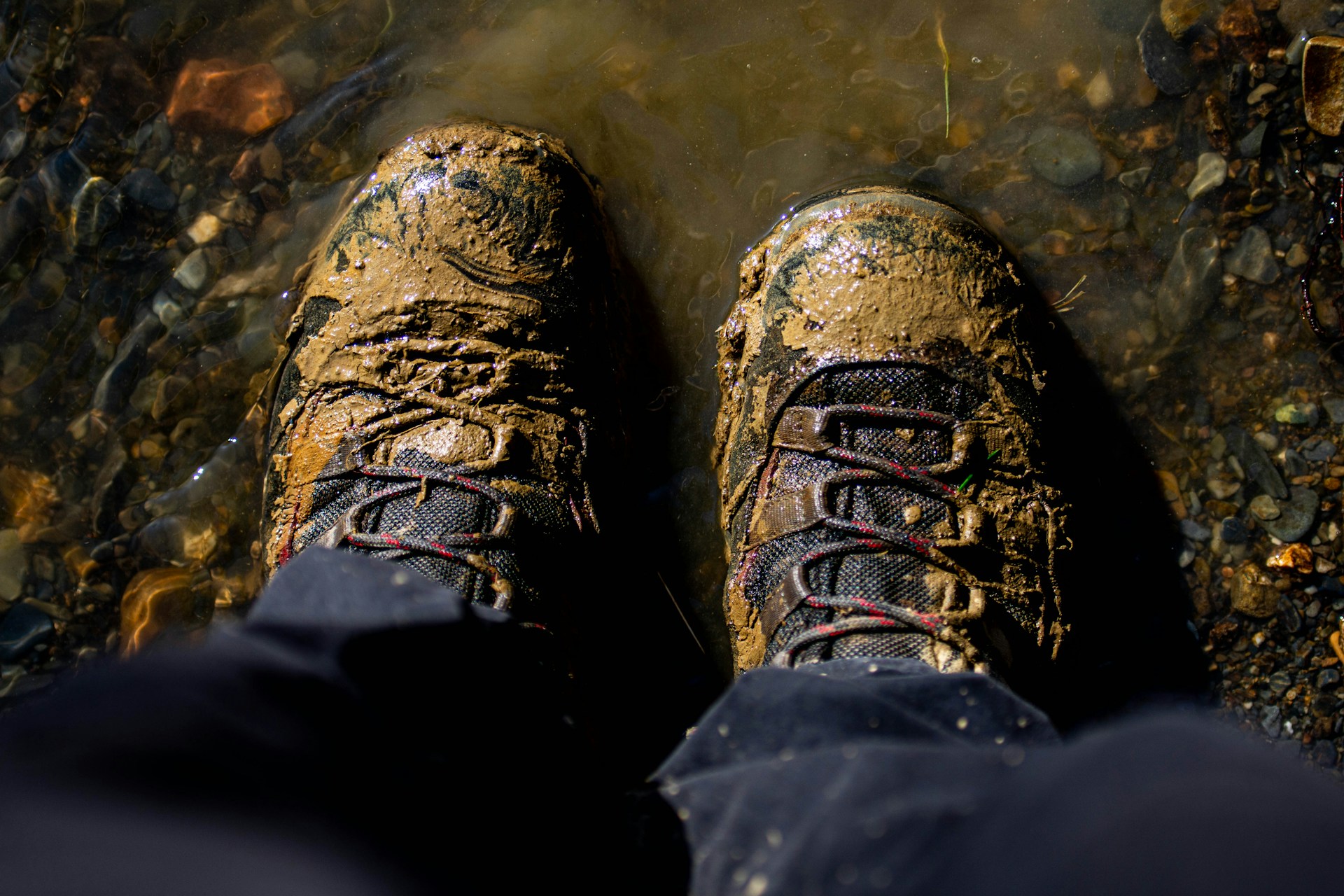
Parents once taught that muddy boots were not shameful but proof of effort. Hard work, even when messy, meant you had the courage to step into life rather than stand aside. The lesson carried into adulthood: it is better to try and stumble than to remain spotless and untested. Children learned that worth isn’t in appearances but in showing up, doing the work, and leaving a mark. This tradition built pride in effort over perfection, reminding them that grit tells the truest story of character.
2. A Still Surface Can Hide a Fierce Current

Rivers often appear calm, yet beneath the glassy top strong forces swirl unseen. Parents used this as a metaphor for people and situations: never assume you know the whole truth at first glance. Children learned to look deeper, to respect both calmness and hidden strength. This built caution, empathy, and wisdom, teaching them not to underestimate what lies beneath. The river’s dual nature mirrored life’s unpredictability, reminding kids that awareness and humility often prevent the hardest falls.
3. Every Creature Holds a Place in the Whole

From minnows to herons, every creature along the river had a role. Parents taught that nothing existed without purpose and that respect for life built harmony. Children were reminded that just like the river’s ecosystem, communities thrive when each person’s contribution is valued. This teaching instilled humility, compassion, and a sense of belonging. By seeing worth in the smallest beings, kids grew to appreciate diversity and interdependence. The lesson echoed: the river survives because every creature matters.
4. Read the River Before You Step
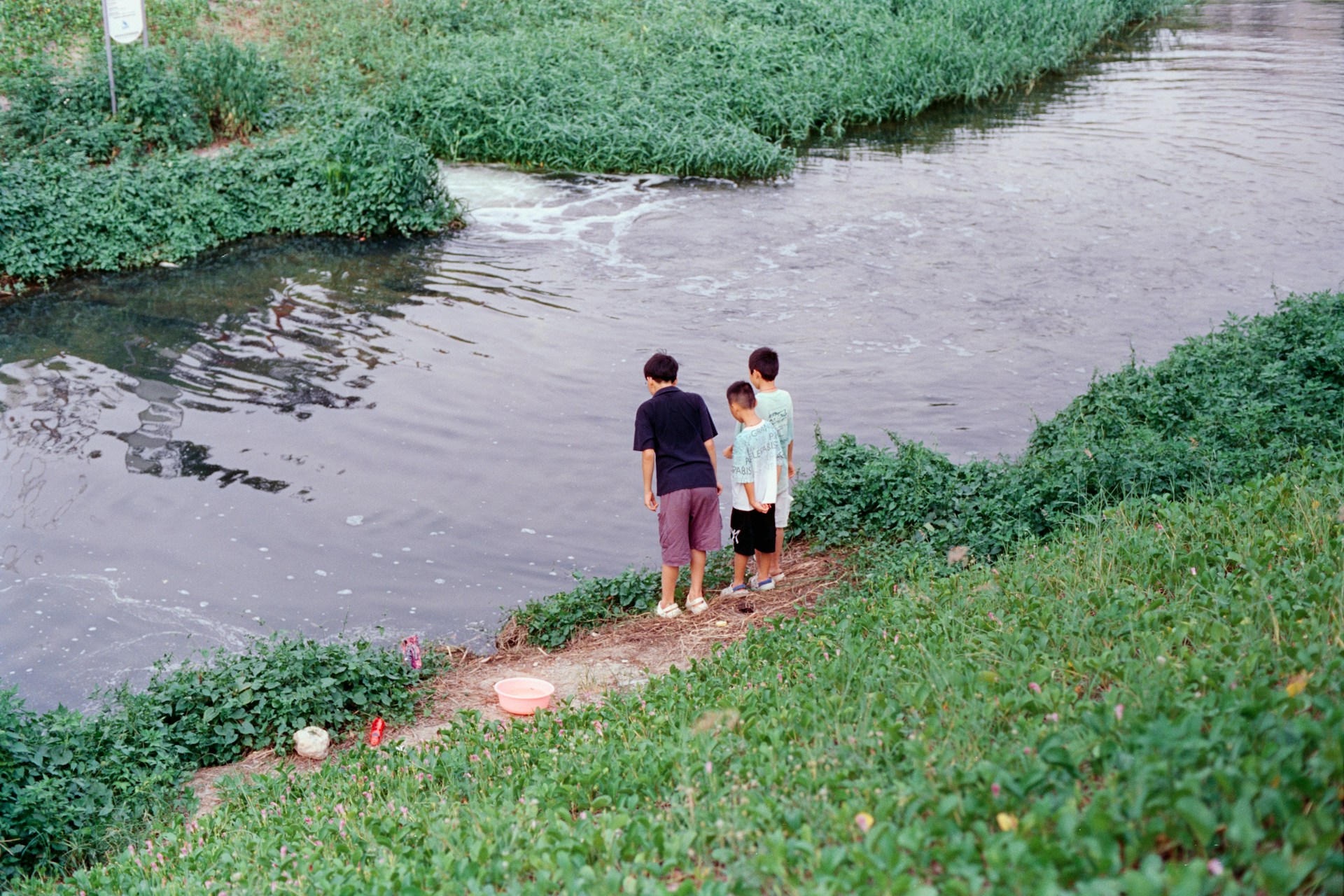
Before crossing, wise parents reminded children to watch how the river moved. The depth, speed, and stones beneath all carried meaning, just as choices in life do. Rushing in without thought led to danger, but careful study brought safety and success. The lesson extended beyond water: observe, reflect, and prepare before action. This tradition taught patience, judgment, and responsibility. Children learned that wisdom is found not in speed but in reading the signs that the world quietly offers.
5. Follow the Current, Not the Crowd
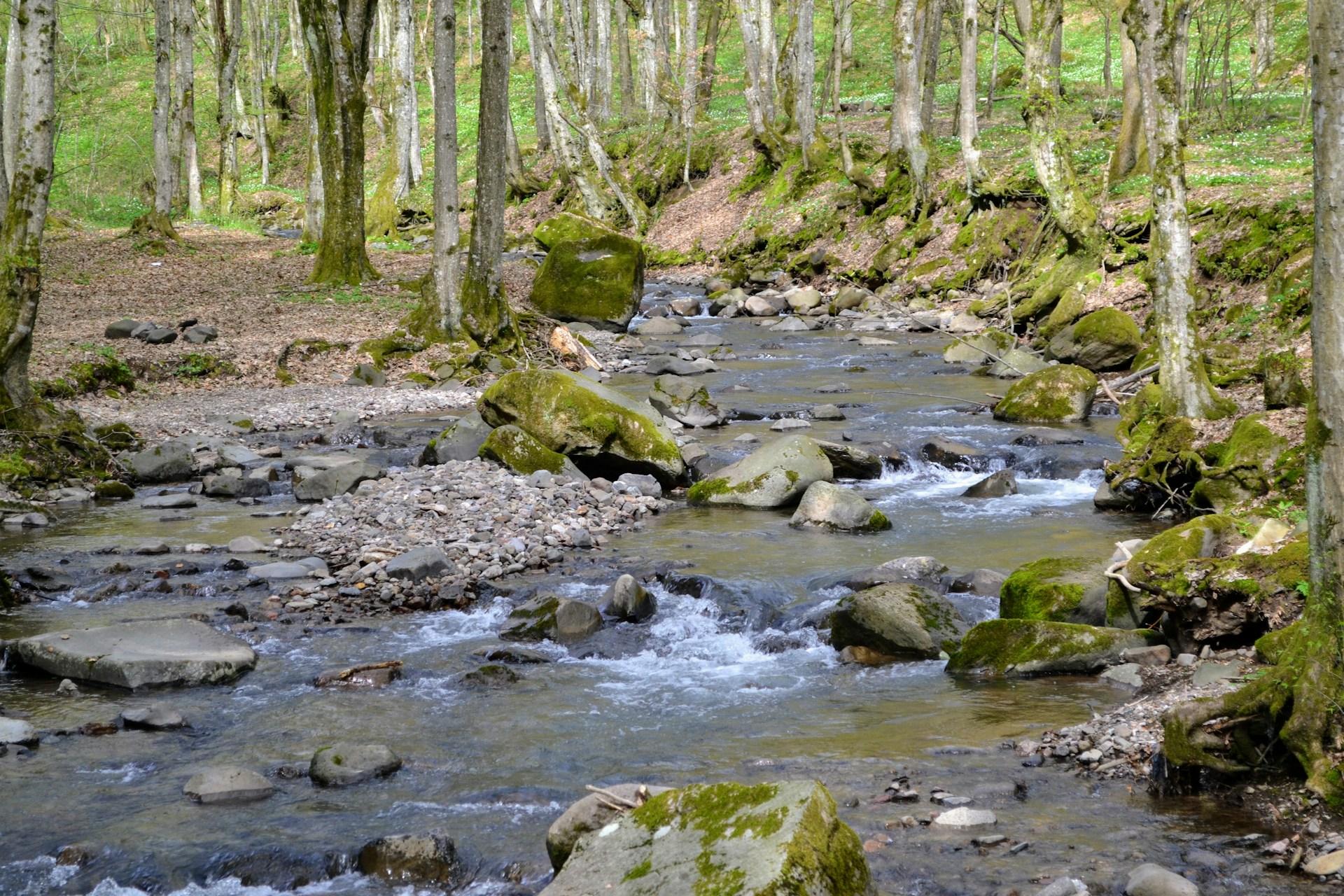
The river carves its path without asking permission from the forest around it. Parents used this image to teach individuality and courage. Children learned that following their own current mattered more than chasing approval. Like the river, they could be shaped by obstacles yet remain true to their flow. This teaching encouraged authenticity, resilience, and trust in one’s journey. Instead of blending into the crowd, kids grew up knowing strength comes from honoring their own unique direction in life.
6. Cast with Patience, Pull with Care
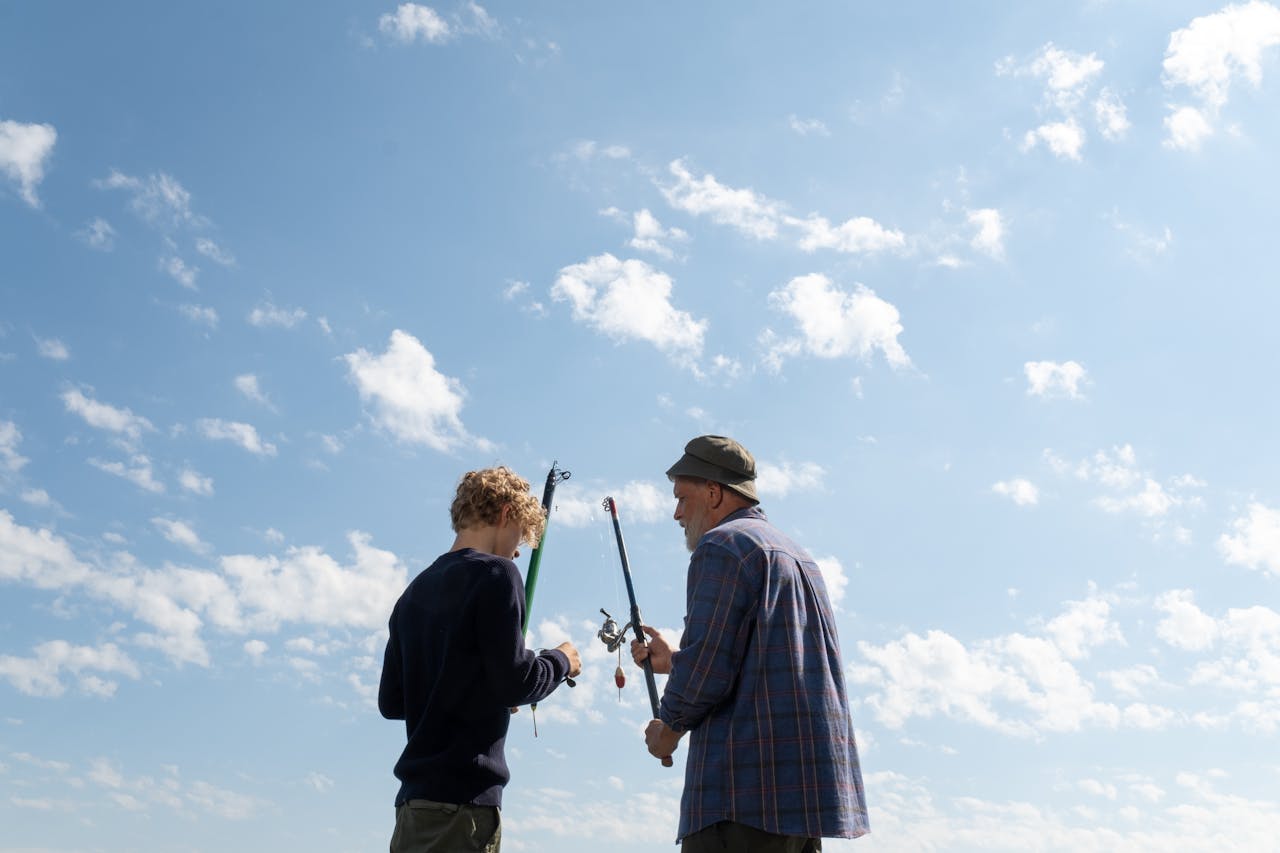
Fishing along the river was never rushed, it demanded patience in the cast and gentleness in the pull. Parents tied this to life, teaching children that effort requires both persistence and restraint. Being too forceful could break the line, while impatience could lose the catch. Kids absorbed that balance and timing mattered in work, relationships, and goals. The lesson stayed clear: patience gets you far, and care ensures you hold onto what truly matters when the moment arrives.
7. Mend Your Nets Before the Day Begins
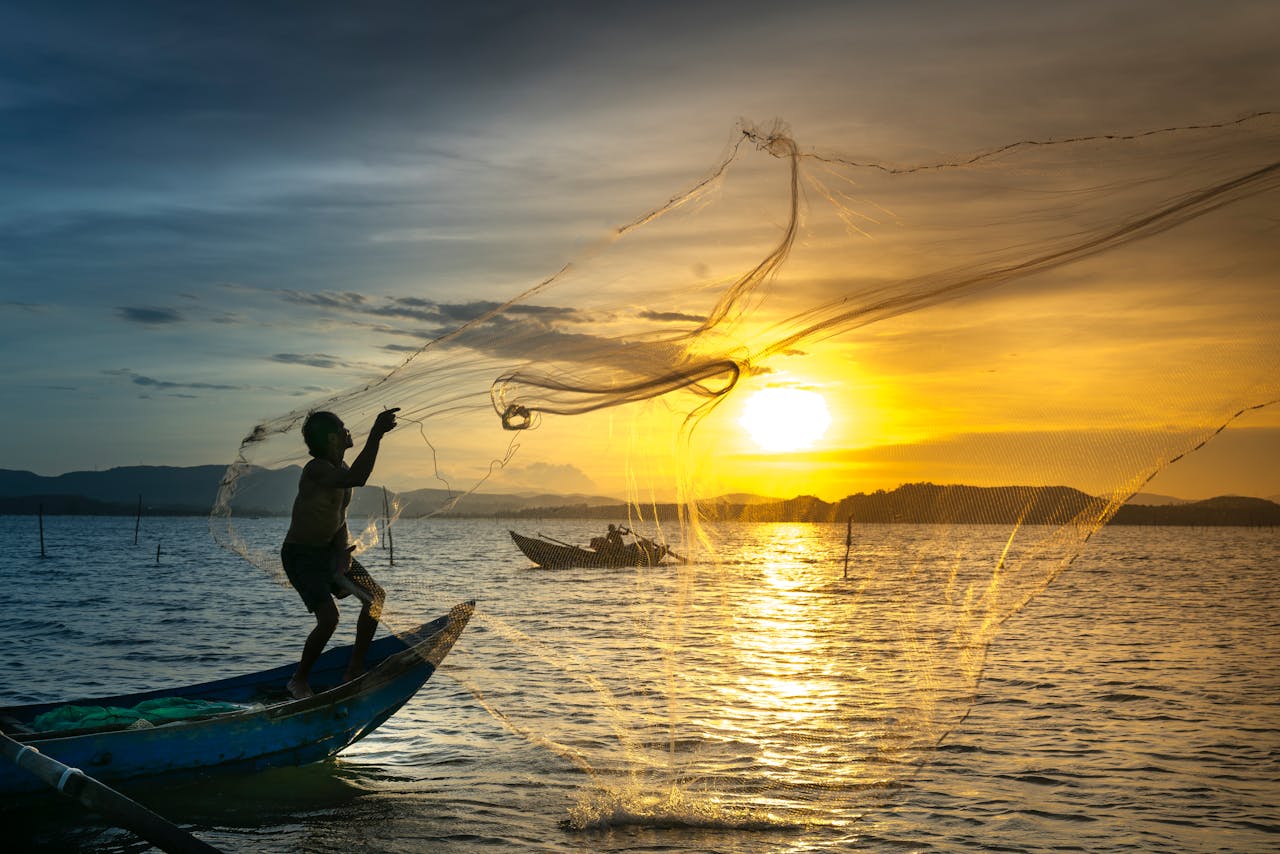
Every fisher knew that waiting until the river was full to fix broken nets was too late. Parents used this truth to stress preparation and foresight. Children learned to tend to small details before they grew into bigger problems. This practice created responsibility, self-discipline, and the wisdom to plan ahead. It reminded them that preparation made hard days easier and opportunities smoother. Mending nets became a metaphor for readiness in life, teaching that success begins in the quiet work done early.
8. Leave No Ripple You Don’t Intend
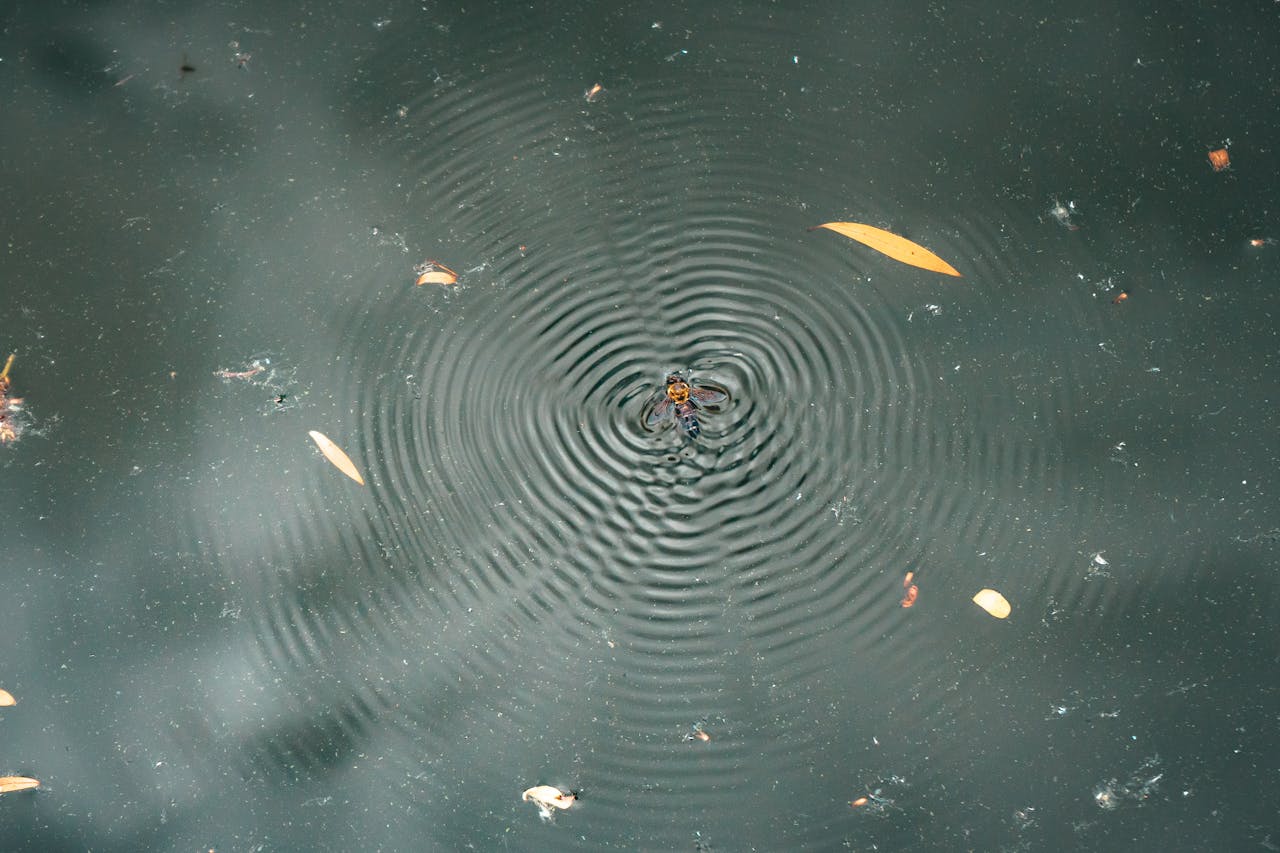
Throwing a stone into a river sends ripples far beyond where it lands. Parents reminded children that words and actions carry similar effects. Once spoken or done, their impact spreads in ways unseen. This lesson built mindfulness and accountability, teaching kids to act with thought and kindness. It highlighted that choices matter not just for themselves but for those around them. The river showed that nothing moves in isolation; every ripple, like every decision, changes the world in some way.
9. Share the Catch, Strengthen the Village
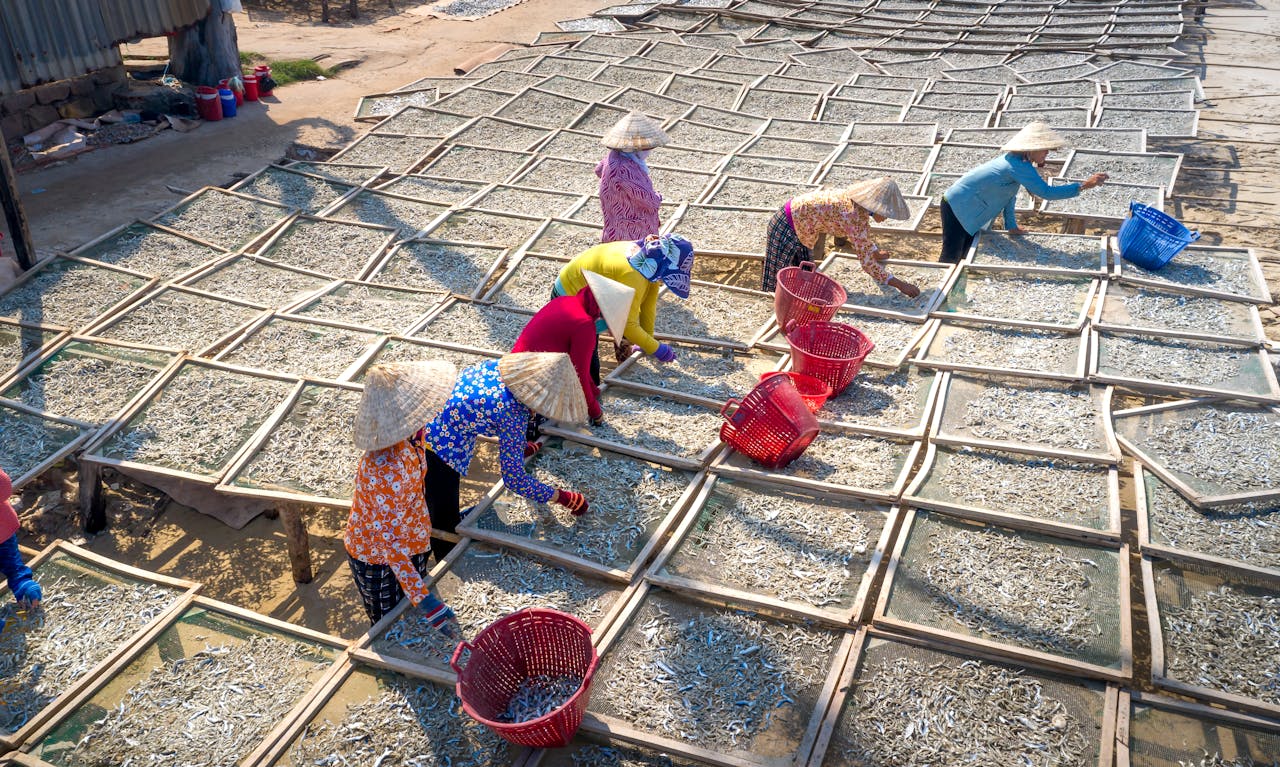
Families who lived by rivers understood that a catch wasn’t just for one household but for many. Parents taught that generosity built trust and ensured survival for all. Sharing food or effort created bonds that lasted beyond the day. Children learned that giving did not lessen what they had but multiplied its meaning. This tradition fostered empathy, community, and a spirit of cooperation. The river’s bounty was greatest when shared, turning a meal into a lesson in collective strength.
10. The River Returns What You Throw Away
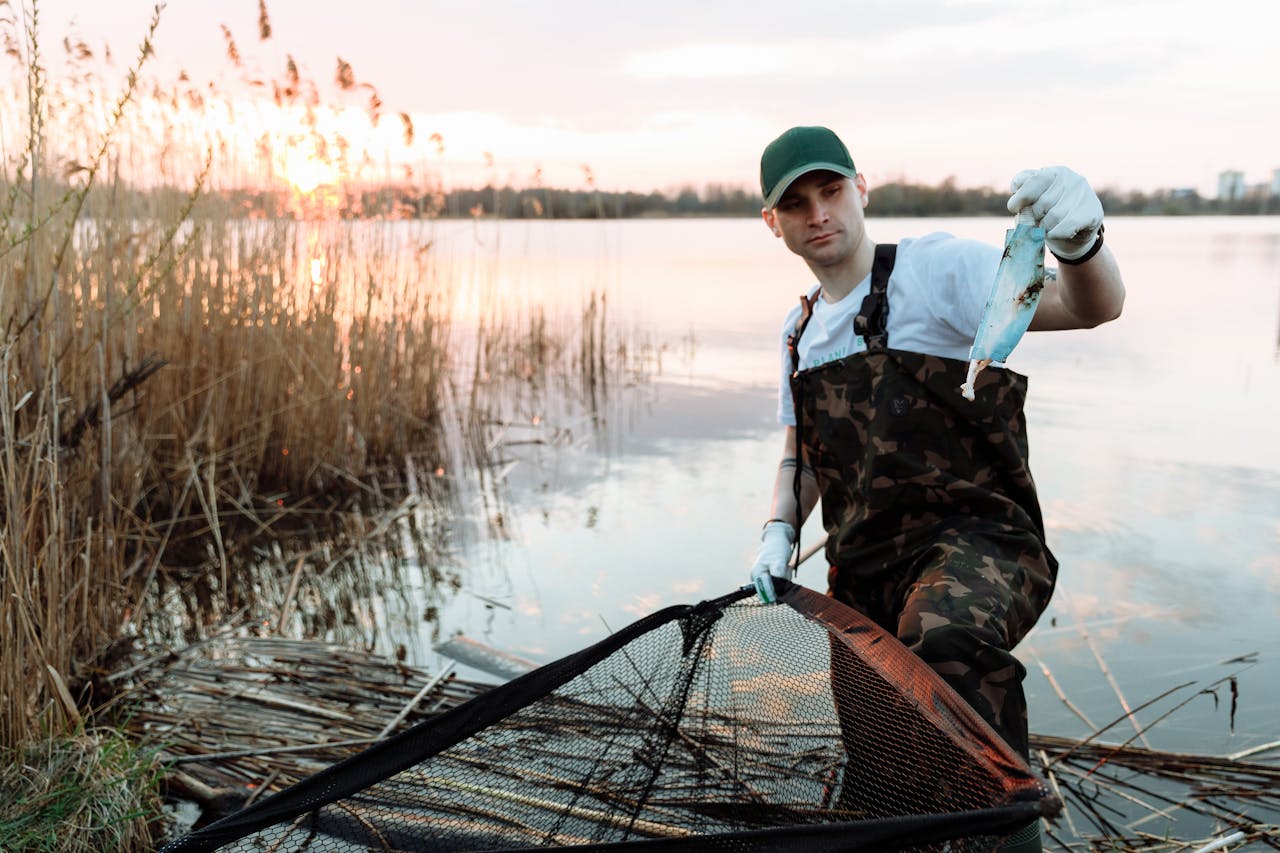
Parents reminded children never to foul the water, because what was cast into the river had a way of returning. This was both a lesson in respect for nature and a moral reminder about choices. Harmful actions often circle back, while kindness can return multiplied. Children grew up seeing the river as both giver and mirror, teaching responsibility for what they put into the world. This lesson instilled accountability, showing that life reflects back the values we release into it.
The river offered more than food and water, it offered wisdom. These maxims taught children patience, generosity, humility, and resilience in ways books never could. Though times have changed, the river’s lessons remain timeless, reminding us to show up with effort, act with care, and respect the flow of life. By passing these teachings forward, we give children not just guidance but a philosophy that shapes their journey with strength and clarity.