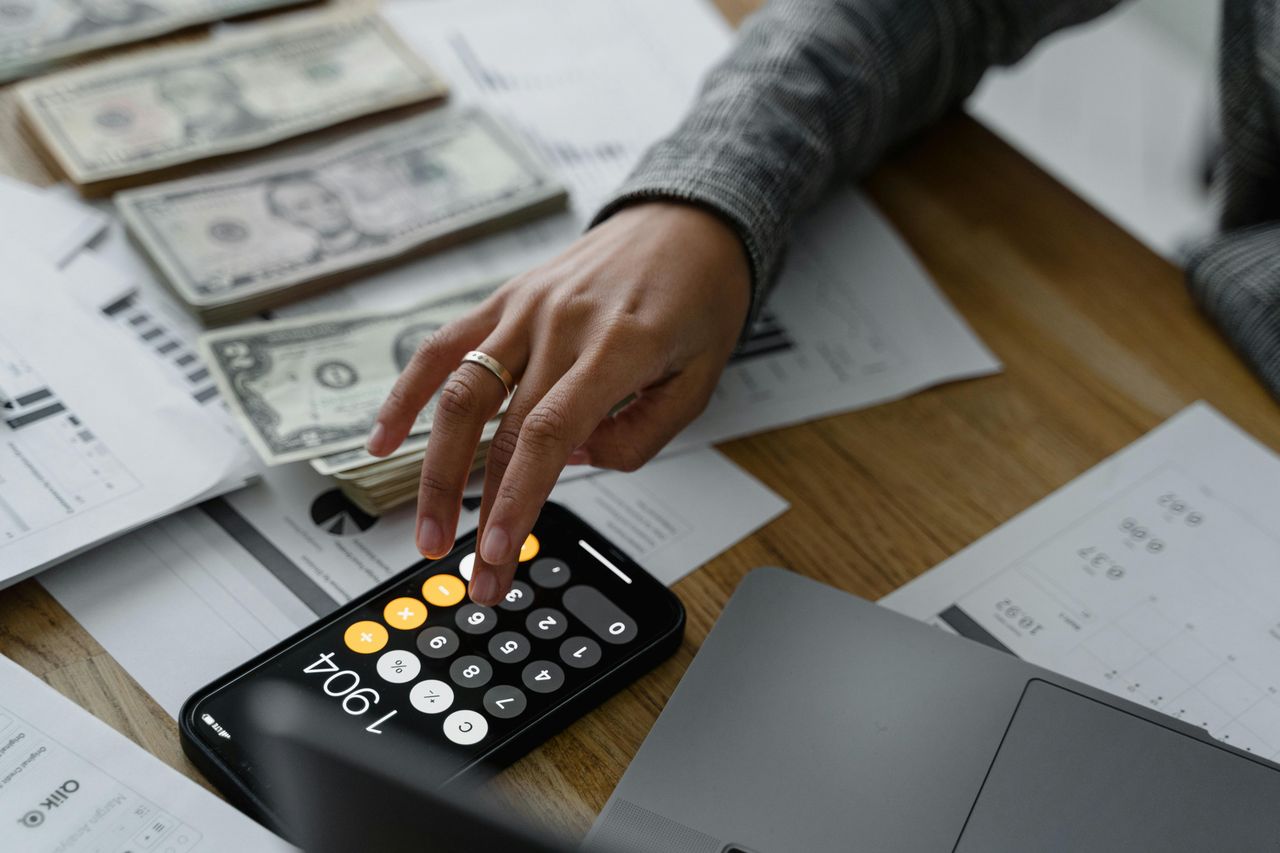
Your money may be sitting still, but prices are not. In 2026, that gap is exactly why many savers are falling behind without realizing it.
The real problem is purchasing power, not your balance

A savings account can make you feel financially responsible because the number on the screen usually goes up every month. The problem is that your balance is only part of the story. What matters more is what that money can actually buy after a year, two years, or five years. If your account earns less than inflation, you are effectively getting poorer in real terms.
That sounds dramatic, but it is basic math. If your bank pays 1.5% and inflation runs at 3.2%, your cash is losing 1.7% of purchasing power before taxes enter the picture. A $10,000 balance may become $10,150 on paper, yet that money may buy less groceries, rent, insurance, and travel than it did the year before. Many households mistake nominal growth for actual progress.
Economists have been making this point for decades, but it hits harder in periods of sticky living costs. Even when headline inflation cools from earlier peaks, essentials often remain elevated. Food, utilities, car repairs, and health care do not need to skyrocket to hurt savers; they just need to rise faster than the interest rate your bank is paying. That is exactly what has happened to many traditional savings accounts.
The result is a silent erosion that feels harmless because it is slow. You do not see a charge labeled “lost purchasing power” on your statement. But every month your idle cash can buy a little less, and over time that small decline becomes meaningful.
Banks profit from your cash sitting idle
Most large banks know that many customers prioritize convenience over yield. They keep emergency funds, sinking funds, and even large cash reserves in basic savings accounts that pay very little, often far below top high-yield alternatives. That spread is profitable for banks. They can use deposits to support lending and other operations while paying savers a minimal return.
This is not a conspiracy; it is a business model. According to reporting from Reuters and major bank earnings calls over the past two years, deposit costs have often risen more slowly than broader interest rates. In plain English, banks have been quick to raise rates on loans and credit cards, but slower to reward ordinary savers. That delay helps protect their margins.
A customer with $25,000 in a legacy savings account earning 0.25% would receive just $62.50 over a year. Put that same amount in a 4.25% account and the annual interest jumps to $1,062.50. That is a $1,000 difference for doing essentially the same thing: holding cash. For many people, the real loss is not just inflation but the opportunity cost of staying loyal to a low-paying bank.
This is why inertia is expensive in 2026. Many people comparison-shop for flights, streaming plans, and auto insurance, yet leave cash in accounts that underpay them for years. Convenience has a price, and when rates are uneven across institutions, that price can be surprisingly high.
Taxes make low interest even weaker
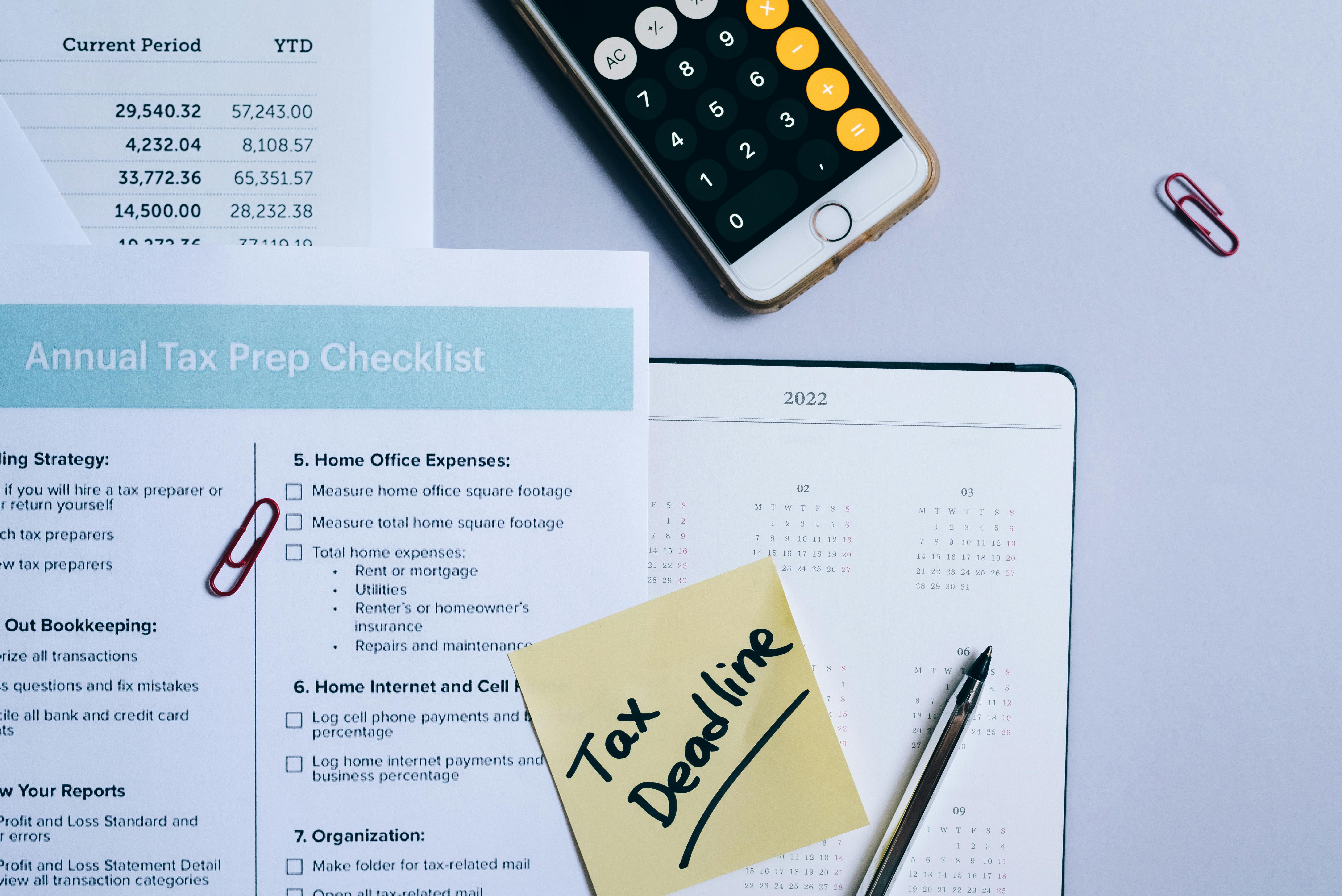
Even if your savings account pays more than it did a few years ago, taxes can shrink that return fast. Interest from savings accounts is generally taxed as ordinary income. That means the number your bank advertises is not the number you actually keep. Once federal, and sometimes state, taxes are applied, your real return is lower than it appears.
Take a saver earning 4% in a taxable account while sitting in a 22% federal bracket. After federal tax alone, the effective return drops to 3.12%. If inflation is around 3%, your gain is barely positive before state taxes. If inflation runs higher, or the account pays less, that saver is effectively treading water or slipping backward.
This matters most for people holding large cash balances well beyond an emergency fund. A household with $75,000 parked in cash may assume it is being prudent, but a meaningful portion of that money can be steadily diluted by inflation and taxes. The account still feels safe because the balance does not swing daily, but “stable” and “efficient” are not the same thing.
The tax drag is especially frustrating because it punishes conservatism without creating real wealth. You may pay taxes on interest that did not actually improve your purchasing power. In other words, you can owe tax on a gain that was mostly an illusion.
Safety matters, but too much cash can become costly
None of this means savings accounts are bad. They are essential for emergency funds, short-term bills, and money you cannot afford to expose to market risk. FDIC- or NCUA-insured cash provides liquidity and peace of mind, and that has real value. The mistake is treating a savings account as the best home for every dollar you own.
A useful rule is to match the money to the timeline. Cash needed within the next few months belongs in a savings account. Money for a vacation next year might also stay there, depending on your priorities. But money earmarked for retirement, a home purchase several years away, or long-term wealth-building usually needs a strategy with better odds of outpacing inflation.
That is where many savers get stuck psychologically. Market volatility feels dangerous because it is visible, while inflation feels safer because it is gradual. But a guaranteed erosion of purchasing power is still a risk. Financial planners regularly warn that being overly conservative for too long can damage long-term outcomes just as much as taking reckless risk.
The goal is not to abandon cash. The goal is to avoid overpaying for the comfort of seeing your balance stay perfectly steady while your buying power quietly declines.
What smarter savers are doing instead in 2026

The most financially aware savers in 2026 are separating cash into categories instead of dumping everything into one account. They keep an emergency fund in a high-yield savings account, maintain short-term spending money in checking, and direct longer-term funds into vehicles designed for growth or better yield. That structure protects liquidity without sacrificing every opportunity to keep up with inflation.
Some are using money market funds, Treasury bills, or certificates of deposit for cash they do not need immediately. Others are increasing retirement contributions or using diversified index funds for goals that are years away. The right mix depends on timeline, tax situation, and tolerance for volatility, but the central idea is simple: cash is a tool, not a strategy.
Even small adjustments can matter. Moving from a near-zero savings account to a competitive high-yield option can add hundreds or thousands of dollars over time. Reducing excess idle cash and putting only truly short-term money in savings can improve results without changing your lifestyle. That is often the easiest win available.
In 2026, the old idea that any savings account is automatically “smart” no longer holds up. If your money is earning less than inflation after taxes, it is not really growing. It is just aging in place while the cost of life keeps moving.