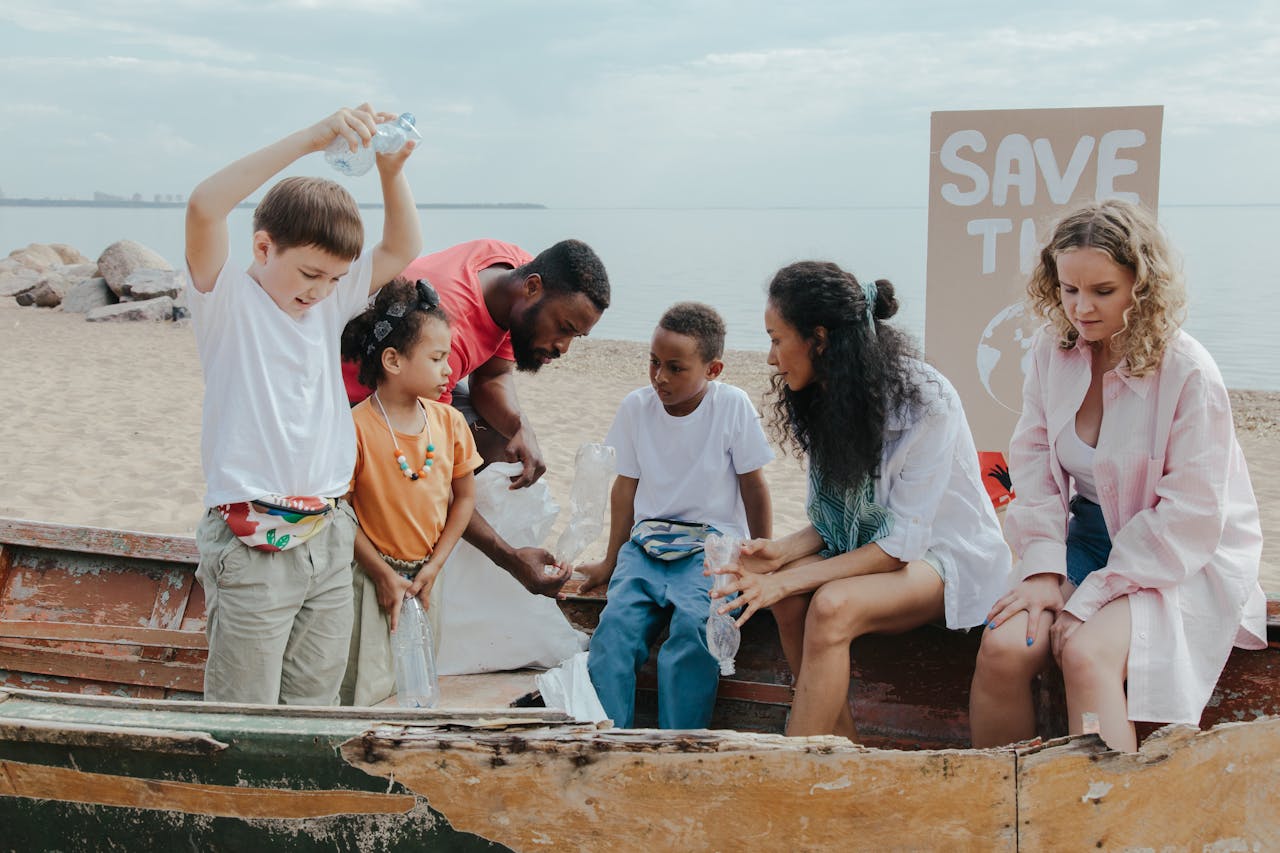
In today’s world, where children are surrounded by instant gratification and digital distractions, opportunities to learn gratitude and responsibility can feel harder to come by. Volunteering offers a powerful way to bridge that gap by giving kids firsthand experiences that foster empathy, compassion, and a sense of purpose. When children step into the act of serving others, they don’t just help their communities, they grow into individuals who understand the importance of giving back. By weaving service into childhood, parents can nurture both gratitude and social responsibility that lasts a lifetime.
Building Awareness Through Hands-On Experiences
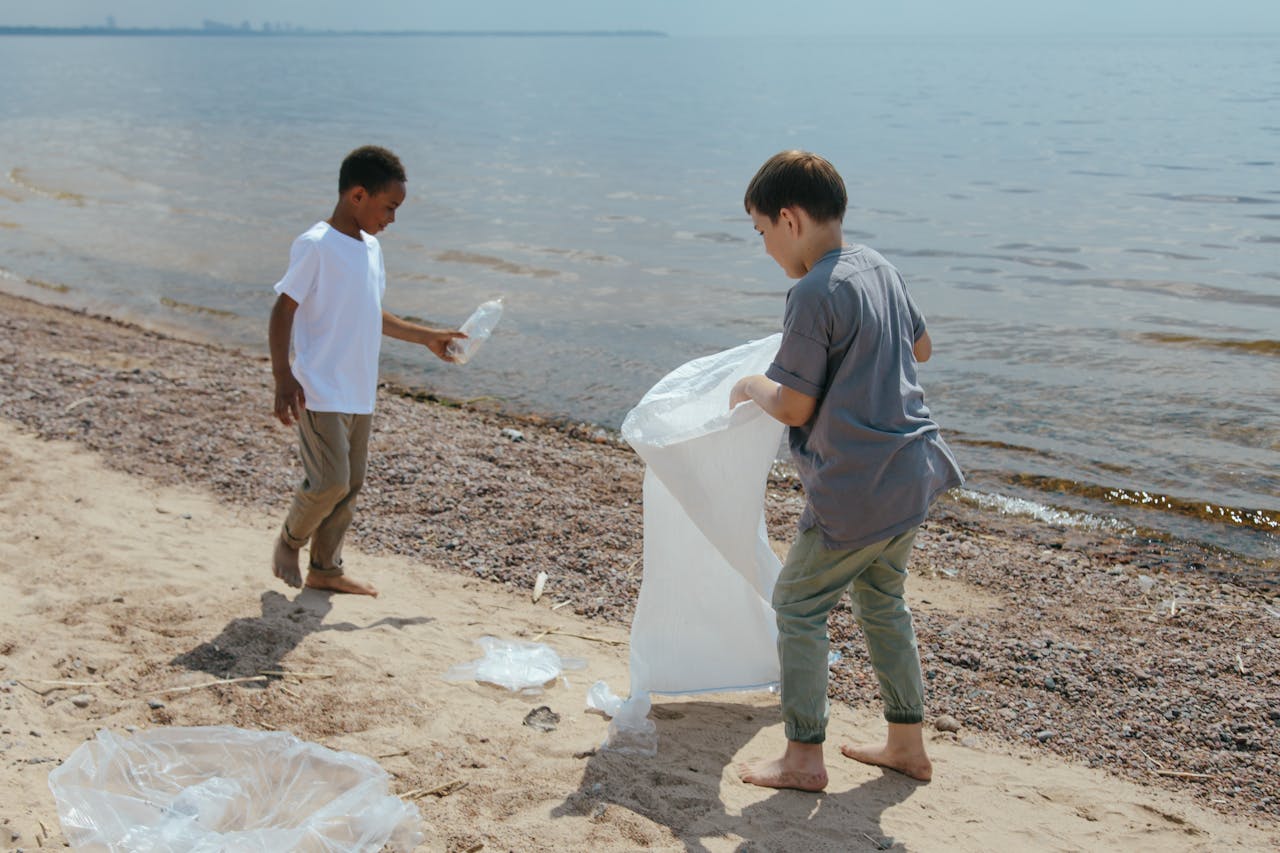
Volunteering introduces children to communities, people, and circumstances they might never encounter in daily life. By stepping outside of their comfort zones, kids begin to recognize the realities others face. This exposure plants the seeds of empathy while also helping them understand that not everyone’s opportunities are the same. When children experience this firsthand, gratitude develops naturally, transforming how they view their own lives.
Seeing Life From Different Perspectives
When kids serve meals at a shelter or help distribute school supplies, they witness what it means to live without certain privileges. These encounters often shift their perspectives, making them appreciate things they may have taken for granted, like having a home-cooked meal or access to education. Research on child development highlights that real-world experiences are far more effective in shaping empathy than abstract lessons. Through volunteering, gratitude is not taught as a lecture but lived as a reality.
Learning the Value of Contribution
Children often feel proud when they realize their actions make a difference. Whether it’s planting trees, helping in a food drive, or tutoring younger students, kids see that their efforts matter. This sense of contribution builds self-worth and a recognition that everyone has something to offer. The process turns gratitude into an active practice, teaching children that giving back enriches both the receiver and the giver.
Connecting With Community Role Models
During volunteering, children often interact with mentors, leaders, and community workers. These role models demonstrate service, dedication, and compassion, reinforcing lessons parents want to instill. Exposure to positive influences shows kids that social responsibility is not just a one-time activity, but a lifelong value. Such connections can inspire them to adopt similar attitudes as they grow older.
Strengthening Character and Responsibility
Volunteering doesn’t just teach gratitude; it also builds a child’s character. When kids step into responsibilities, no matter how small, they learn that their choices have real impact. Over time, this responsibility helps them develop accountability, integrity, and resilience, qualities that extend well beyond volunteer work.
Developing Accountability in Small Steps
Simple tasks such as showing up on time to a volunteer event or following instructions teach children accountability. They begin to understand that people are relying on them and that failing to follow through has consequences. This is especially important for younger children, as consistent responsibility builds habits they’ll carry into school and later into careers. Volunteering provides a safe environment to practice responsibility before real-world stakes get higher.
Building Resilience Through Service
Not every volunteer activity is easy or glamorous. Kids may face uncomfortable situations, such as cleaning a park in bad weather or engaging with individuals who are struggling. These experiences challenge them to adapt, problem-solve, and push through discomfort. In doing so, they develop resilience, the ability to keep going despite setbacks, a skill that benefits every aspect of life.
Learning Teamwork and Cooperation
Many volunteer activities require collaboration, from group cleanup projects to organizing community events. Children learn to listen to others, divide tasks, and appreciate diverse contributions. Teamwork teaches that no one can accomplish everything alone and that collective effort often creates the biggest impact. This cooperative spirit carries into school projects, friendships, and future workplaces.
Creating Lifelong Habits of Empathy and Gratitude
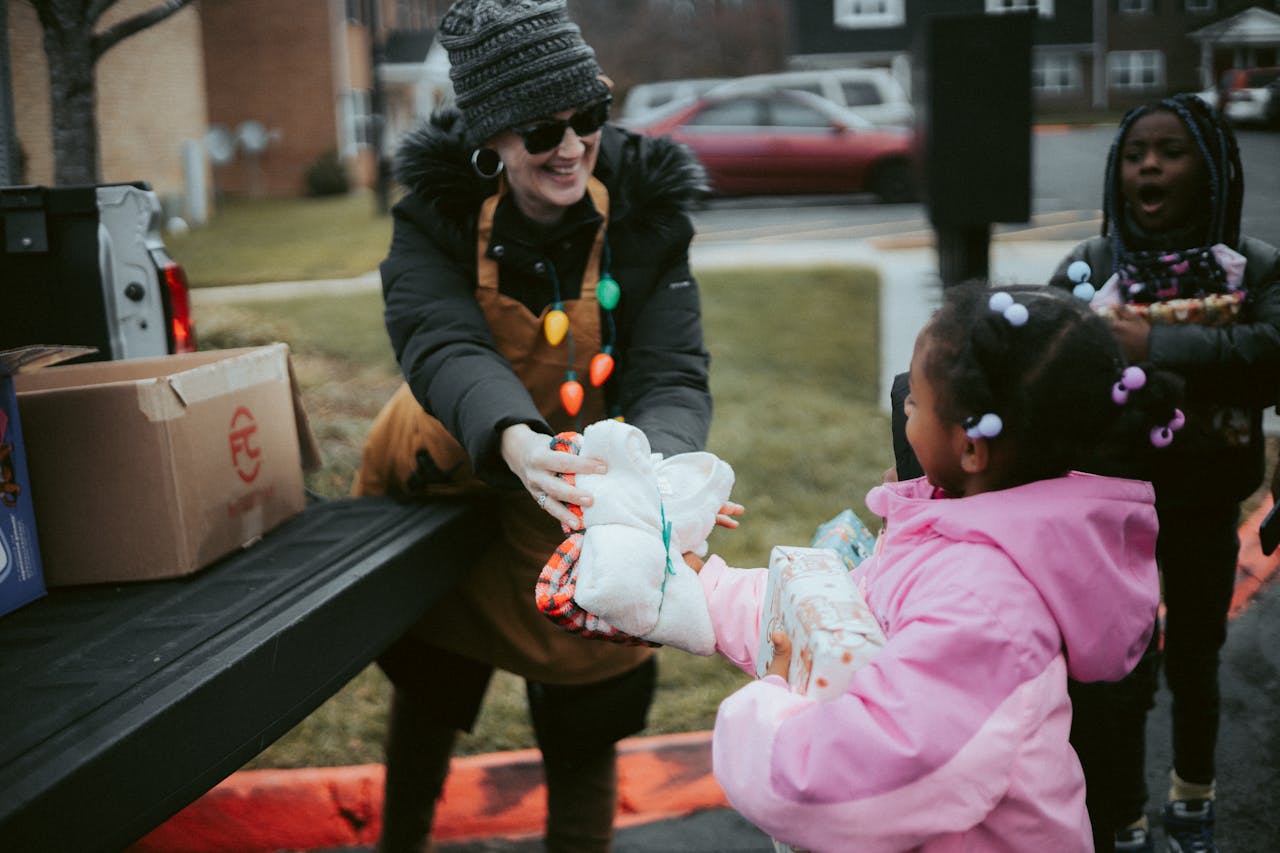
The greatest benefit of volunteering is that it often plants lifelong values. When gratitude and responsibility become part of a child’s worldview early on, they carry these lessons into adulthood. By continuing the practice of volunteering, kids grow into adults who see service not as an obligation, but as a fulfilling part of life.
Encouraging Reflection After Service
Parents who encourage kids to reflect after volunteering deepen the impact. Conversations about what children saw, felt, or learned help transform activities into meaningful lessons. Reflection connects gratitude with understanding, allowing kids to articulate why service matters. Over time, these discussions reinforce empathy and critical thinking.
Bridging Generational Gaps
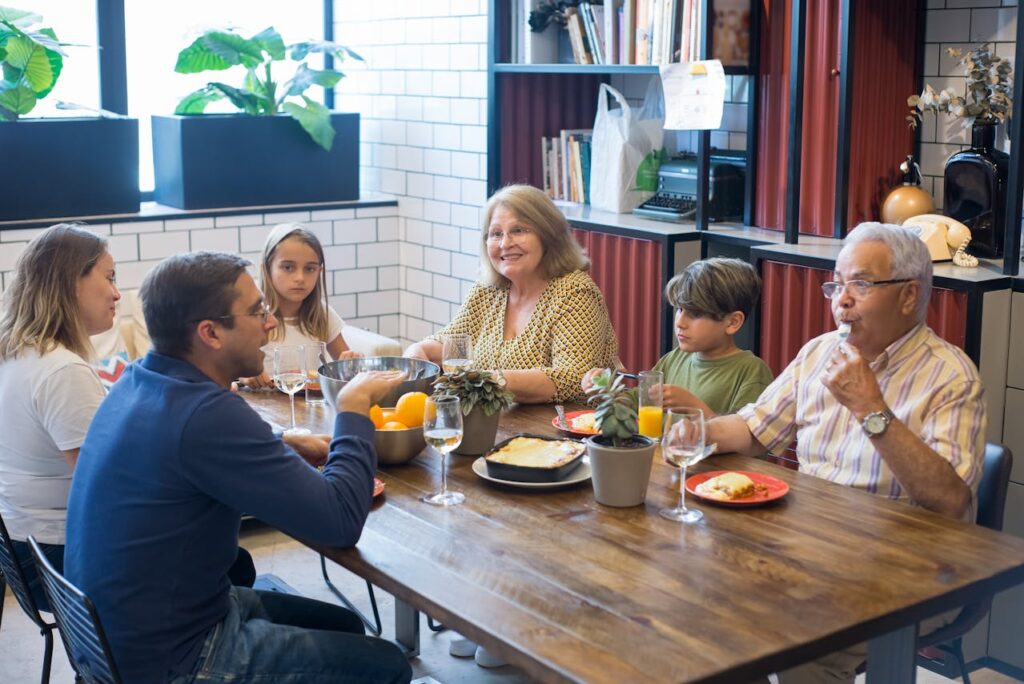
Family volunteering also bridges gaps between generations. When kids, parents, and even grandparents participate together, the act becomes part of family culture. Children see that gratitude and responsibility aren’t isolated values, but traditions worth carrying forward. Shared service experiences often become lasting memories that strengthen family bonds.
Turning Occasional Service Into a Lifestyle
The most powerful impact comes when volunteering isn’t just a once-a-year event but a consistent habit. Families that integrate service into their routines help kids see it as a normal part of life. Over time, this creates adults who continue to give back, not because they have to, but because they genuinely want to. In this way, gratitude and responsibility become deeply ingrained values.
The Lasting Impact of Volunteering
Volunteering is more than an extracurricular activity, it’s a powerful tool for shaping a child’s character. By teaching gratitude through exposure to different lives and circumstances, kids learn to appreciate their own blessings. Through responsibility and teamwork, they discover how their actions influence others. Most importantly, volunteering nurtures a lifelong habit of empathy, making children not only grateful individuals but also responsible, caring citizens.