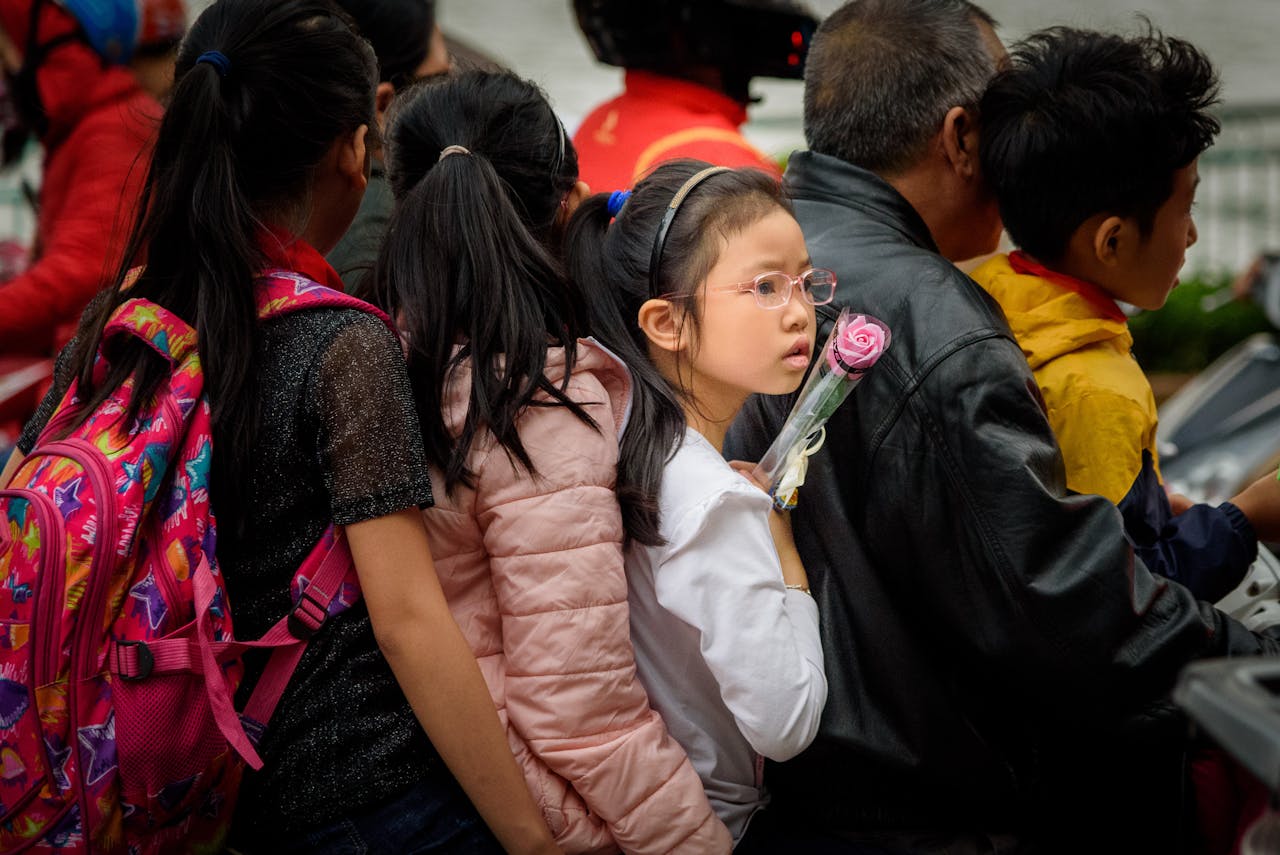
Family travel is more than sightseeing, it’s a hands-on classroom where children learn life skills, develop curiosity, and strengthen bonds. Whether exploring local destinations or venturing abroad, traveling as a family exposes kids to new environments, cultures, and challenges that build resilience. Shared experiences create lasting memories while teaching practical skills like adaptability, problem-solving, and empathy. The act of navigating the world together fosters deeper connections that remain long after the trip ends.
Building Resilience Through Travel
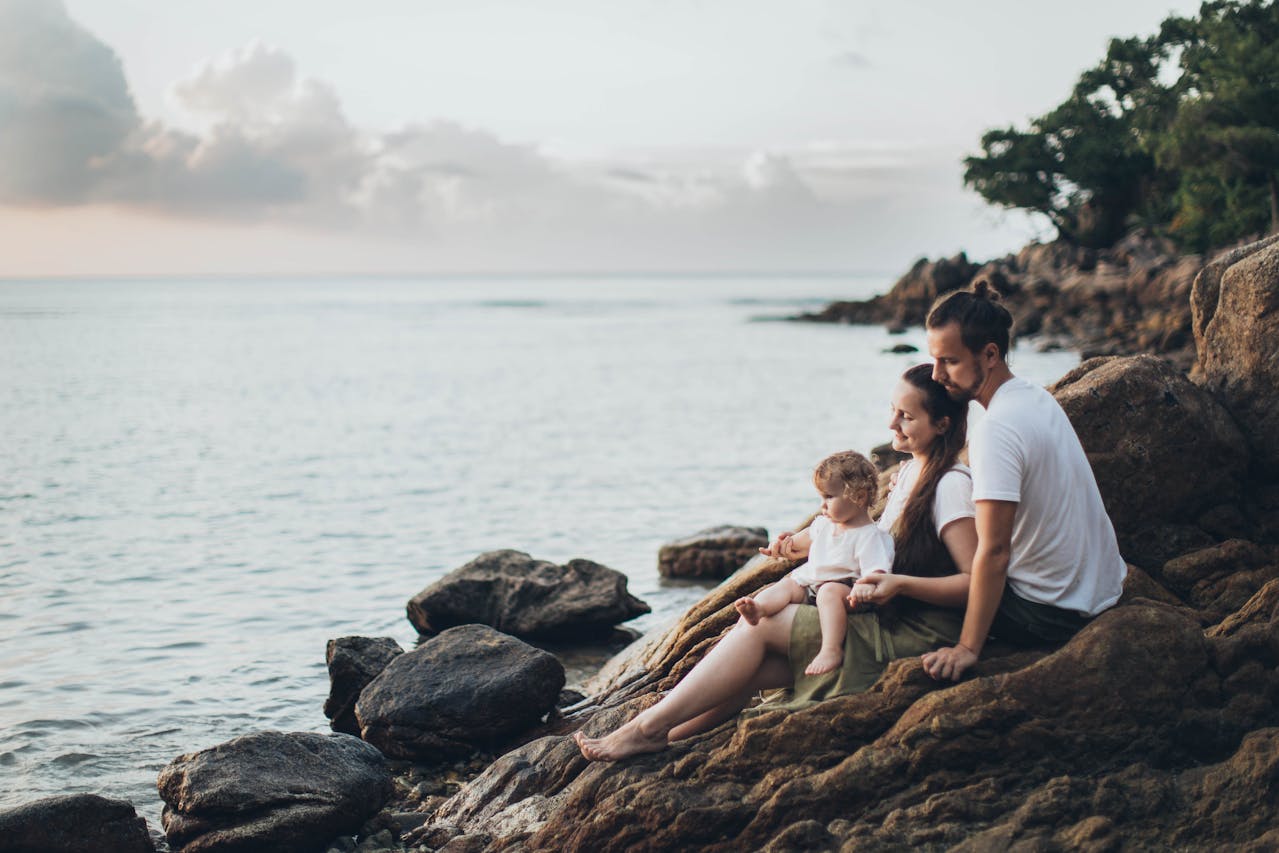
Travel naturally challenges families to step out of their comfort zones. Unexpected delays, unfamiliar surroundings, and logistical hurdles provide opportunities for children to develop adaptability and perseverance.
Overcoming Unexpected Challenges
Children often encounter sudden changes while traveling, from canceled plans to language barriers. These situations teach kids to think on their feet, manage disappointment, and find creative solutions. Instead of relying on a controlled home environment, they learn to assess circumstances, make decisions, and adjust expectations, skills that translate to school, friendships, and later life challenges.
Developing Emotional Strength
Family trips frequently involve small obstacles, such as navigating public transportation, hiking difficult trails, or coordinating meals in unfamiliar places. Successfully overcoming challenges alongside their parents reinforces the idea that setbacks are temporary and manageable. Long flights, waiting in lines, or adjusting to new routines can be frustrating, yet these moments provide children with important lessons in patience and emotional regulation.
Learning Patience and Adaptability
Parents who model calm problem-solving during travel help kids understand the value of flexibility. Learning to remain composed and cooperative in unfamiliar circumstances equips children with emotional regulation skills that support resilience throughout life. These experiences prepare them for uncertainty and change in other areas of life.
Cultivating Curiosity and Global Awareness
Travel exposes children to diverse cultures, languages, and histories, nurturing curiosity and encouraging them to ask questions about the world. This type of experiential learning often leaves a deeper impression than classroom lessons alone.
Immersing in New Cultures
Immersing children in cultures other than their own helps broaden perspectives and instills respect for diversity. Sampling local cuisine, attending festivals, or visiting historical sites encourages children to notice customs, traditions, and lifestyles beyond their immediate environment. These experiences cultivate open-mindedness and a global perspective from an early age.
Hands-On Learning Opportunities
Visiting museums, nature reserves, or local markets allows kids to observe, ask questions, and interact with their surroundings. These hands-on experiences foster deeper comprehension than reading alone and enhance critical thinking skills while sparking curiosity about history, science, and art.
Encouraging Lifelong Inquiry
When children encounter new places, sights, and people, their natural inquisitiveness emerges. Encouraging them to ask questions about geography, history, or customs helps nurture a mindset of inquiry. Parents can further guide this curiosity by discussing observations, encouraging exploration, and introducing resources to expand knowledge, turning travel into an enriching educational adventure.
Strengthening Family Connections

Shared experiences during travel promote bonding and understanding among family members. Traveling together creates memories, fosters teamwork, and strengthens communication within the family unit.
Collaboration and Teamwork
Planning and executing a trip requires collaboration, from packing to navigating itineraries. Children learn to participate in decision-making, share responsibilities, and cooperate with siblings and parents. These interactions teach practical teamwork skills and demonstrate the importance of compromise, communication, and mutual support.
Creating Lasting Memories
Family travel allows parents and children to experience joy, wonder, and accomplishment together. Moments like witnessing a sunrise, completing a challenging hike, or tasting a new food become shared memories that deepen emotional bonds. These experiences help children feel secure, valued, and connected to their family.
Strengthening Communication and Understanding
Travel encourages families to communicate in ways that daily routines may not. Discussing plans, negotiating preferences, and reflecting on experiences together helps children practice listening and expressing themselves. Open conversations foster empathy, patience, and mutual respect, contributing to stronger family dynamics overall.
Family Travel Builds Resilient, Curious Kids
Traveling as a family is far more than a leisure activity; it is a vital form of experiential education that strengthens resilience, curiosity, and connection. Children who experience challenges, learn about new cultures, and share meaningful moments with their family develop skills that extend far beyond the vacation itself. Through travel, parents have a unique opportunity to guide, support, and bond with their children, creating lifelong memories and fostering the growth of adaptable, inquisitive, and emotionally intelligent individuals. Families who prioritize exploration together cultivate not only adventure but also character, empathy, and lasting unity.