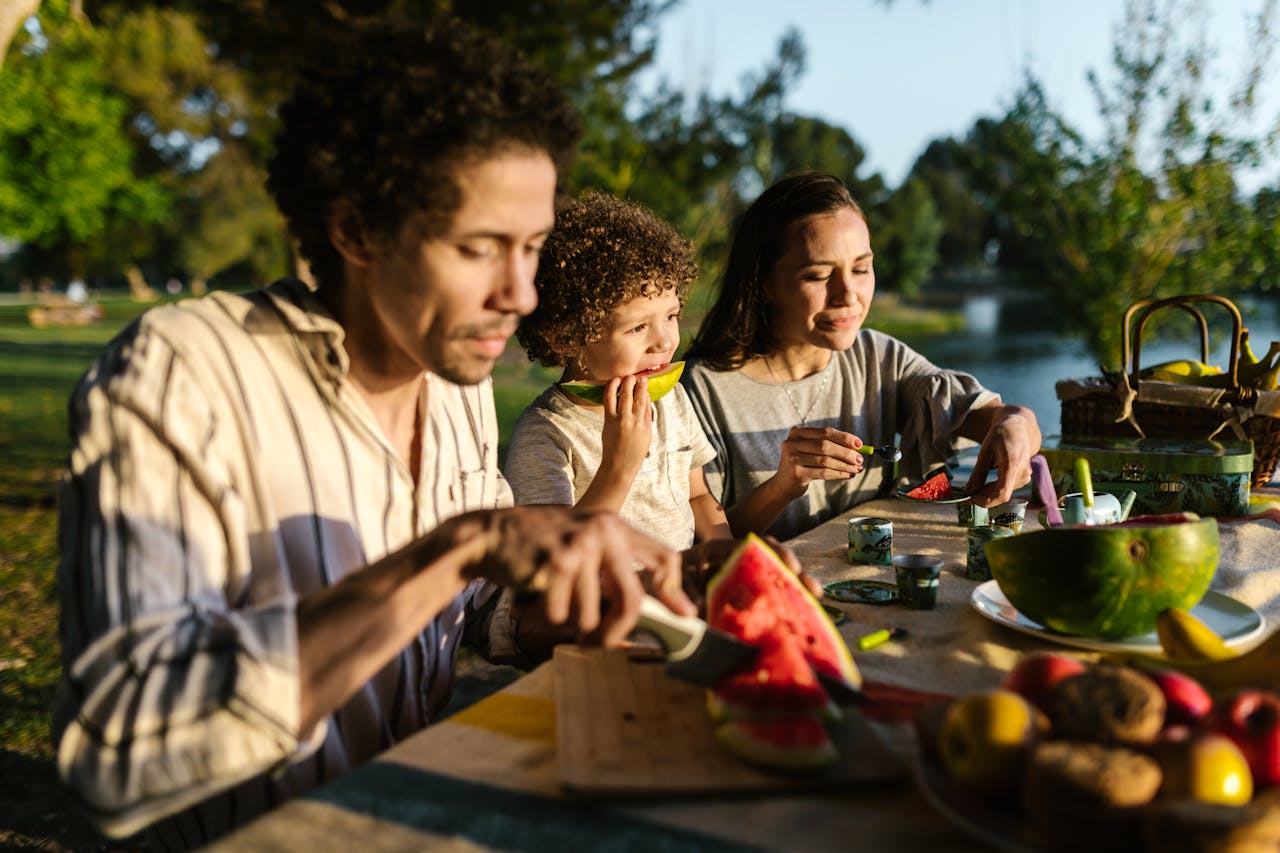
Eating outdoors is more than just a fun activity for children, it can be a transformative experience that nourishes their bodies, minds, and emotional well-being. While many families associate outdoor dining with picnics or special occasions, regular exposure to nature during mealtime offers benefits that go beyond enjoyment. It connects children with their environment, encourages healthier eating habits, and even supports mental resilience in subtle but lasting ways.
The Connection Between Nature and Nutrition
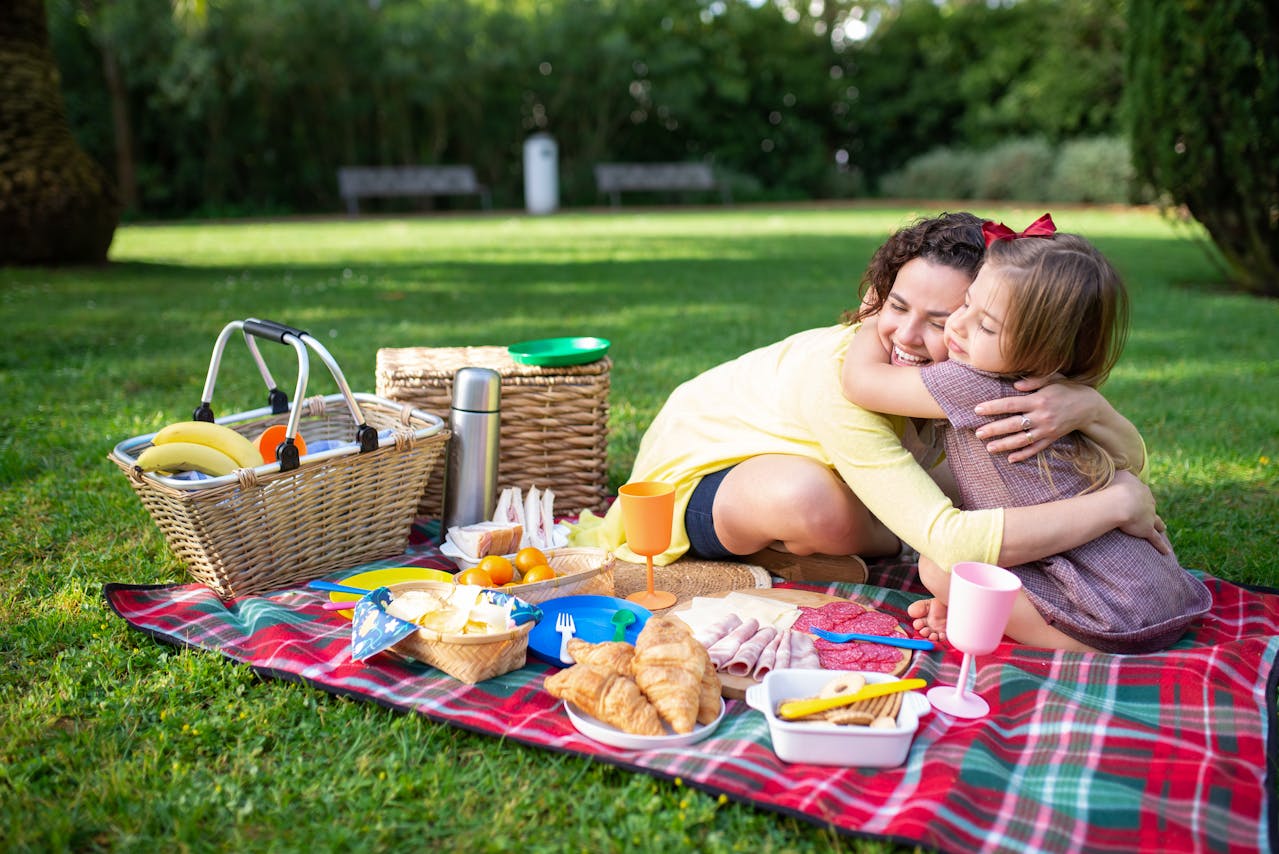
Eating outdoors gives children a chance to slow down and truly notice the food they are consuming. Surrounded by the sights and sounds of nature, kids often become more mindful eaters and more open to trying new foods. Fresh air and sunlight also contribute to better digestion and overall appetite regulation. Research suggests that environmental settings influence food choices, and being outdoors can make fruits, vegetables, and simple meals feel more exciting and rewarding.
Encouraging Healthier Food Choices
Children are often influenced by context, when food is presented in a playful and relaxed setting, they are more likely to give it a try. A sandwich enjoyed on a picnic blanket can seem far more appealing than one at a kitchen table. Parents can use outdoor meals to introduce seasonal fruits, vegetables, and healthy snacks. This not only diversifies their palate but also fosters a positive association between nutritious foods and enjoyable experiences.
Reducing Mealtime Stress
For many families, mealtime indoors can be rushed or distracted, often dominated by screens, homework, or daily stress. Eating outdoors helps reset this routine by shifting focus to the present moment. Without the usual indoor pressures, children may feel more relaxed and open to conversation. This reduction in tension allows kids to associate mealtime with calmness rather than stress, reinforcing healthier eating behaviors.
Supporting Natural Rhythms
Outdoor meals often happen during daylight hours, which helps children stay aligned with their natural circadian rhythms. Exposure to natural light is known to regulate sleep cycles and mood. When kids spend more time eating outdoors, they may sleep better and maintain more consistent energy levels. This connection between sunlight, food, and rhythm is an often-overlooked benefit of outdoor dining.
Outdoor Eating Builds Social and Emotional Skills
Beyond nutrition, dining outdoors offers rich opportunities for children to build interpersonal and emotional resilience. It encourages communication, cooperation, and a sense of belonging, key elements of child development. These shared experiences help children practice empathy, patience, and gratitude in ways that structured indoor meals sometimes cannot.
Creating Shared Experiences
Family picnics, school outings, or neighborhood barbecues create moments of togetherness that children remember for years. These outdoor meals are not just about food but about connection, laughing over spilled drinks, playing games between bites, or watching the sunset together. Shared experiences help children feel rooted in their communities and families, instilling values of closeness and cooperation.
Promoting Independence in a Safe Setting
Eating outdoors also gives children chances to develop independence in a low-pressure environment. Whether helping to pack the picnic basket, setting up a blanket, or cleaning up afterward, they practice responsibility and teamwork. Unlike formal dining settings, outdoor meals allow them to experiment with decision-making, such as choosing their snacks or serving themselves. These small acts help foster autonomy and self-confidence.
Supporting Mental and Emotional Health
Numerous studies have shown that time outdoors reduces stress and anxiety in children. Pairing food with nature amplifies this effect, combining nourishment with relaxation. Eating in green spaces has been linked to reduced cortisol levels and improved focus in school-aged children. The outdoor setting encourages mindfulness, which supports emotional regulation and resilience.
Strengthening the Bond Between Food and Environment
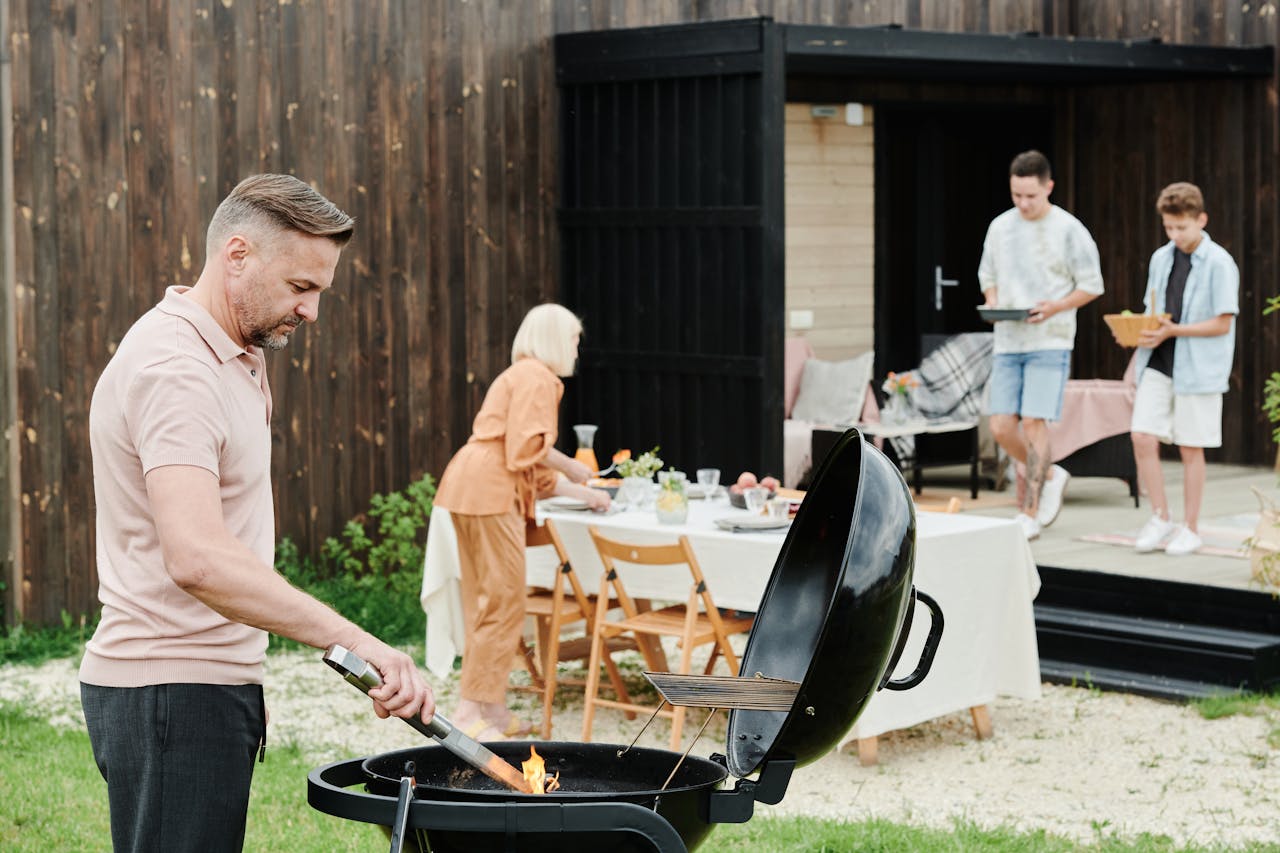
Outdoor meals remind children that food doesn’t simply appear on the table, it comes from the earth. By eating in gardens, parks, or near farms, kids begin to connect the dots between the environment and their meals. This awareness is essential for fostering respect for food sources and encouraging sustainability from a young age.
Building Awareness of Food Origins
When children eat outdoors, especially in settings where food is grown, they naturally ask questions about where their meals come from. Parents can use these moments to teach about farming, seasons, and food preparation. Such lessons help children appreciate the effort behind their meals, which can reduce food waste and cultivate gratitude.
Instilling a Respect for Nature
Eating outdoors nurtures a sense of stewardship for the environment. Children who regularly spend time in green spaces while enjoying meals often grow up more mindful of protecting those spaces. Whether it’s learning not to litter during a picnic or appreciating seasonal produce, kids begin to see themselves as part of a larger ecosystem.
Encouraging Sustainable Habits
Outdoor eating can be an entry point for discussing sustainability. Using reusable containers, composting leftovers, and eating locally grown produce can all be incorporated into these experiences. When children see sustainable practices modeled in everyday activities like meals, they are more likely to carry those values into adulthood.
Moving Forward
In a fast-paced world filled with screens and structured routines, eating outdoors gives children a vital pause. It provides them with nourishment, joy, and a deeper sense of connection to the world around them. Parents who make the effort to occasionally move meals outdoors are giving their children more than food, they are gifting them experiences of mindfulness, independence, and environmental respect. These lessons linger long after the picnic blanket is folded away.