
Something unusual is happening inside American households. After years of parenting built on constant oversight, packed schedules, and high expectations, many families are quietly shifting back to simpler rhythms. Shutdown parenting is not about giving up. It is about shutting off the noise, slowing life down, and rejecting the idea that good parenting requires constant motion. Parents feel exhausted by pressure and are choosing calm routines that allow kids to grow without constant direction. This new shift reflects a desire for balance in modern family life.
Letting Go Of Overscheduled Childhoods

Shutdown parenting begins with stopping the race to fill every hour with activities. During recent years, parents pushed kids into sports, lessons, and programs to stay ahead. Now many realize this pace drains energy and steals family time. By trimming schedules, families regain evenings, meals, and laughter that once disappeared under constant commitments. Children discover unstructured play, and parents breathe easier without rushing from one event to another. This calmer rhythm brings back something that was lost: time to enjoy growing up instead of managing it like a checklist.
Reducing Pressure On Screen Time And Performance

Parents once treated every minute in front of a screen as a crisis and expected kids to perform at peak levels in school. Shutdown parenting changes that mindset. Instead of constantly measuring, correcting, or limiting, families adopt balance and conversation. Screens become tools rather than threats, and academic pressure softens. Parents let kids explore interests without turning every hobby into a competition. This shift helps children build confidence without fear of disappointing someone. It also gives homes a softer atmosphere where fun and curiosity matter as much as achievement.
Relaxing Constant Safety And Cleanliness Rituals

Families used to sanitize groceries, wipe doorknobs daily, and pack bags like emergency kits. Shutdown parenting pulls families away from overwhelming routines and returns them to normal comfort. Parents still care about safety, but they are not letting fear dictate every action. Instead of watching every sneeze or enforcing endless cleaning cycles, they choose practical habits that protect without consuming daily life. This balance restores peace and allows families to focus on connection, not constant vigilance. The home becomes a place to unwind, not a station of endless tasks.
Accepting Imperfect Homes And Messy Moments

Shutdown parenting embraces real life. Toys stay on the floor longer, beds are not made perfectly, and meals are sometimes simple. Parenting used to feel like a performance where mess equaled failure. Now families focus on what matters: relationships and rest. When parents stop chasing flawless routines, everyone feels lighter. Kids see that mistakes are normal, and parents feel relief from unrealistic standards. Instead of judging the home, families enjoy being in it. Imperfection becomes proof of life, not a sign of failure, and the home feels more welcoming as a result.
Giving Kids More Autonomy And Responsibility
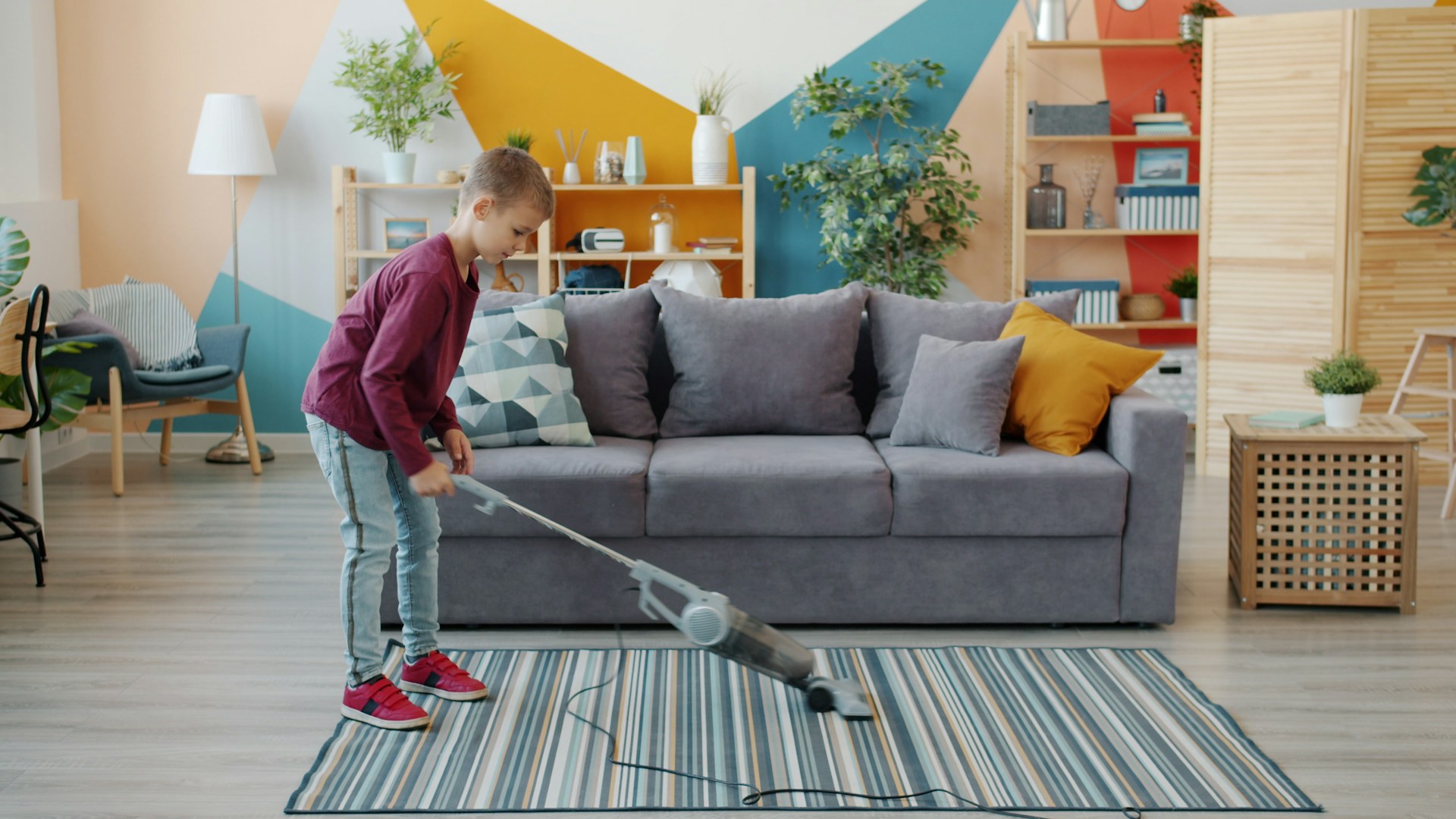
Shutdown parenting trusts children with choices instead of directing every moment. Kids learn to manage their time, solve problems, and make decisions without waiting for instructions. This approach builds resilience because children understand how to handle responsibilities rather than rely on adults for every answer. Parents step back but remain available, allowing growth to unfold naturally. Families discover that independence feels rewarding for both sides. Children feel capable, and parents enjoy the freedom of not controlling every detail. Confidence grows in homes where responsibility is shared rather than commanded.
Prioritizing Parental Wellbeing And Boundaries

The biggest spark behind shutdown parenting is exhaustion. Modern parents were expected to be counselors, coaches, teachers, and entertainers all at once. This created burnout that families could not ignore. Parents now focus on wellness, rest, and boundaries. They learn that stepping away is healthy, not selfish. Homes become calmer when adults are balanced, and children benefit from emotionally present parents rather than overwhelmed ones. Shutdown parenting reinforces that family strength begins with parental clarity and peace. When adults care for themselves, the entire home operates with more harmony and understanding.
Shutdown parenting signals a shift toward calmer households where expectations are realistic and family life feels manageable again. After years of intensity, parents are done with constant pressure, endless schedules, and the belief that more always means better. This new approach is not about doing less. It is about doing what matters well. Families are learning that confident children grow from homes with patience, room to breathe, and adults who value rest. Shutdown parenting may not be a trend. It might just be the way modern families survive and thrive.