Parents often feel pressured to have every answer, but the truth is, uncertainty can be one of the most powerful teachers. Saying “I don’t know” doesn’t mean a parent is weak, it shows humility, honesty, and the courage to keep learning. In a world filled with instant information and complex challenges, modeling curiosity and open-mindedness may be the healthiest gift a parent can offer.
Redefining Parental Authority in Modern Times
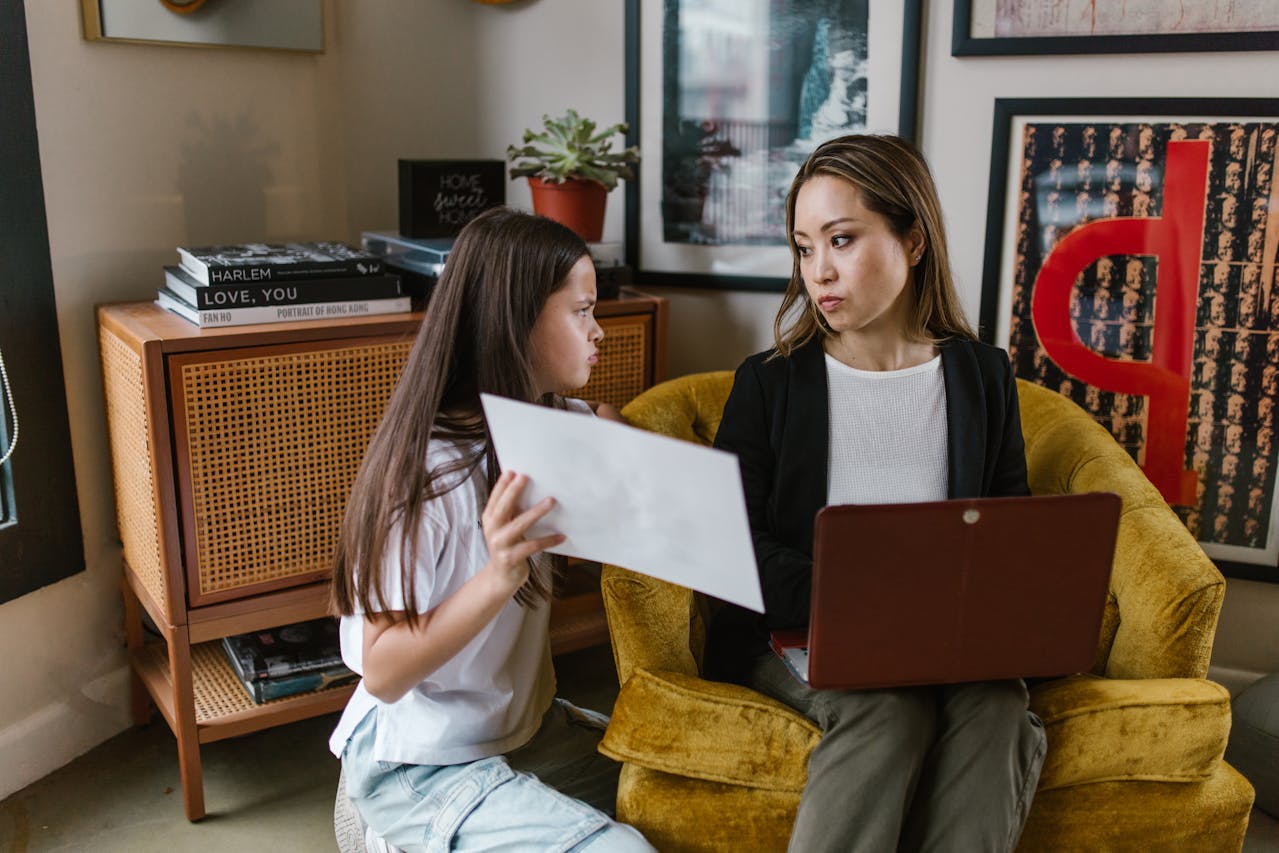
Traditional parenting emphasized authority through certainty, but modern parenting values authenticity and connection. Admitting “I don’t know” redefines what it means to lead, it transforms control into collaboration. Children raised by parents who model openness learn that wisdom isn’t about knowing everything, but about being willing to learn.
The Power of Honest Communication
When parents admit they don’t have all the answers, they invite real conversation. It opens a dialogue rather than shutting it down with assumptions or quick fixes. Children begin to trust that they can ask anything without judgment, creating a foundation of respect and safety in communication.
Breaking Free from the “Perfect Parent” Myth
The idea that good parents must always be composed and informed is a cultural illusion. Admitting uncertainty actually builds credibility, because it shows authenticity. Parents who share their learning process teach their children that vulnerability is not a flaw, it’s part of being human.
When a child asks a tough question, about history, emotions, or ethics, and hears, “Let’s find out together,” they learn a vital skill: inquiry. This approach encourages children to seek knowledge critically rather than accept information blindly. It’s how curiosity and problem-solving become lifelong habits.
Emotional Intelligence Begins with Humility
Children learn more from what parents model than what they say. When adults show humility, they teach empathy, self-awareness, and respect for others’ viewpoints. Saying “I don’t know” shows that learning is a shared, ongoing process that even adults embrace.
Modeling Emotional Maturity
Parents who acknowledge their limitations demonstrate maturity, not weakness. They show children how to manage uncertainty without shame or defensiveness. This kind of honesty strengthens family bonds and nurtures emotional transparency at home.
Exploring unknowns together, through books, discussions, or experiences, creates shared meaning. Children feel valued when parents treat their questions seriously and engage with curiosity. It transforms learning from an individual pursuit into a family adventure.
Turning Uncertainty into Strength
In a rapidly changing world, adaptability is more valuable than absolute certainty. Parents who model curiosity show that strength lies in flexibility. This mindset helps children approach new challenges with confidence rather than fear.
Raising Independent and Confident Thinkers

Confidence doesn’t come from having all the answers, it comes from learning how to find them. Parents who embrace not knowing teach self-reliance and intellectual humility, preparing their children to thrive in an unpredictable world.
Teaching Self-Reliance
When parents resist the urge to supply every solution, they empower children to explore. Kids learn how to research, ask questions, and trust their reasoning. This independence builds both confidence and competence.
Balancing Guidance with Autonomy
Saying “I don’t know” doesn’t mean stepping away from guidance, it means sharing authority. Parents who explore alongside their children create partnerships based on trust and equality. This balance encourages open-minded, respectful communication in both directions.
The most successful learners are those who never stop asking questions. Parents who value exploration over answers inspire that curiosity. Children raised in this environment remain curious adults, ready to grow, evolve, and adapt throughout life.
The Strength Found in “I Don’t Know”
Admitting not knowing isn’t a sign of weakness, it’s a profound act of strength. It teaches humility, invites connection, and turns parenting into a shared journey of discovery. When parents say, “I don’t know,” they’re not giving up authority, they’re redefining it, showing that true wisdom begins with curiosity and love.