
In an age of constant scrolling and fragmented attention, podcasts have quietly become one of the most intimate and community-driven forms of media among young adults. Whether during commutes, workouts, or quiet evenings, millions are tuning in daily to listen, learn, and connect. But this trend isn’t just about entertainment, it reflects deeper social, psychological, and cultural shifts among today’s youth.
The Rise of Audio as Connection
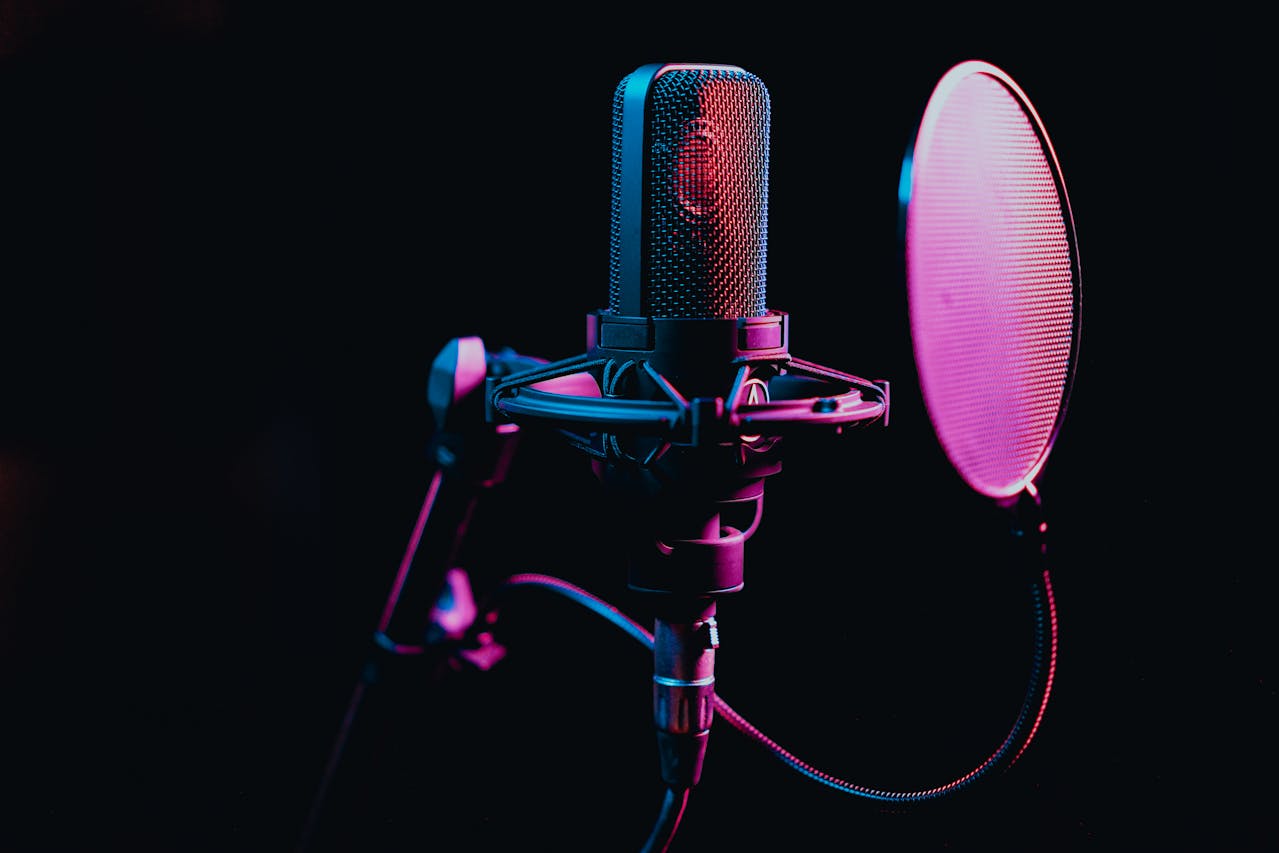
Podcasts have evolved into modern campfires, shared spaces where stories, ideas, and emotions circulate freely. Young adults, especially those between 18 and 35, are gravitating toward podcasts because they crave depth in a world of fleeting content. Listening to a podcast feels personal and immersive, like being part of a conversation rather than a passive audience.
Authentic Voices in a Filtered World
Unlike polished social media personas, podcast hosts often speak with raw honesty. The lack of visual pressure allows for real conversations, about mental health, identity, creativity, and ambition. Studies show that Gen Z and millennials prefer authenticity over perfection in media figures, and podcasts provide exactly that. Listening feels like eavesdropping on real talk, where vulnerability and humor coexist naturally.
Building Digital Communities through Shared Listening
Young adults use podcasts not just for consumption but for connection. Listeners often discuss episodes on social media, attend live podcast events, and form online communities around their favorite shows. This shared listening experience fosters belonging in a generation often described as digitally isolated. Podcasts, in essence, have replaced some of the social functions that traditional gatherings once provided.
The Psychology of Parasocial Bonds
Podcast hosts often feel like close friends. Psychologists call this phenomenon a parasocial relationship, a one-sided but emotionally fulfilling bond with a media figure. This sense of intimacy helps listeners feel less alone, especially during commutes or solitary routines. In uncertain times, hearing familiar voices creates comfort and continuity, reinforcing emotional well-being and companionship.
Learning, Self-Growth, and Lifelong Curiosity
Beyond social connection, podcasts have become a powerful tool for personal development. Young adults are using them to learn new skills, stay informed, and explore perspectives they might never encounter elsewhere. With topics ranging from neuroscience to storytelling, podcasts turn idle moments into opportunities for growth.
Education in Motion
Educational podcasts have turned passive time into productive time. Whether someone is cooking dinner or jogging, they can absorb insights from experts and thought leaders around the world. Research from Edison and Nielsen shows that over 70% of young adult listeners tune in to podcasts for learning. This shift has made self-education flexible, continuous, and accessible to anyone with a pair of earbuds.
Expanding Worldviews through Diverse Voices
Podcasts offer access to voices often underrepresented in mainstream media. Independent creators from marginalized communities use the format to share experiences unfiltered by corporate influence. As a result, listeners gain broader cultural literacy and empathy. The medium allows exploration of topics like race, gender, and philosophy in conversational, digestible ways, expanding awareness beyond traditional education.
The Slow Media Movement
In contrast to fast-paced social media, podcasts embody the slow media movement, content that invites focus and contemplation. Episodes demand sustained attention and reward listeners with depth rather than dopamine-driven distraction. This mindful listening aligns with a broader generational desire to unplug, slow down, and consume meaningfully rather than compulsively.
The Future of Social Listening

Podcasts are no longer a solo activity, they’re shaping the way young adults relate to each other and to culture. As platforms evolve and new forms of interactive audio emerge, podcasting is becoming a participatory experience rather than just a broadcast medium.
Shared Listening Spaces and Virtual Hangouts
Group listening apps and social platforms are integrating podcast discussions into live audio chats and virtual hangouts. These shared spaces allow listeners to react, debate, and laugh together in real time. For younger generations accustomed to group experiences, from multiplayer gaming to Discord servers, this evolution transforms solitary listening into a communal ritual.
The New Networking Medium
Podcasts have also become a surprising avenue for career networking. Many young professionals listen to industry-specific podcasts, interact with hosts online, and even build careers inspired by them. This blend of learning and connection blurs the lines between education, mentorship, and entertainment, creating a new model of digital socialization.
The Emotional Anchor in a Noisy World
Amid information overload, podcasts offer emotional grounding. The intimacy of voice-only storytelling fosters calm and focus in ways video rarely can. For many young adults facing digital burnout, podcasts provide mental refuge, a moment of quiet engagement that feels both personal and collective.
Rediscovering Connection through Sound
The podcast boom isn’t just a media trend, it’s a reflection of changing human needs. Young adults are carving out meaningful ways to stay informed and connected without the noise of constant visuals or algorithms. Podcasts remind us that conversation, curiosity, and shared humanity still thrive in digital spaces.