Family stories are more than entertaining tales from the past—they’re bridges between generations, tools of resilience, and blueprints of identity. In a world where everything changes quickly, stories anchor children in something lasting. Research now shows what our grandparents already knew: storytelling shapes who we are.
The Science Behind Storytelling and Identity

Narratives help children make sense of the world—and their place in it.
Psychologists at Emory University have found that children who know their family stories tend to have higher self-esteem, greater resilience, and better coping skills. These stories provide a framework for identity. When children understand where they come from, they’re more equipped to navigate where they’re going.
The “Do You Know?” Scale
The Emory study used a 20-question scale—like “Do you know where your grandparents grew up?”—to measure knowledge of family history. Children who could answer more of these questions performed better in emotional and behavioral metrics. The simple act of telling stories strengthens emotional development.
Narratives as Lifelines
In hard times, family stories provide comfort. Hearing how an ancestor survived hardship gives children courage and perspective. These stories teach that struggles are normal—and can be overcome.
Strengthening Family Bonds Through Stories
Storytelling isn’t just about the past—it creates present-day connection.
When families share stories, they create shared meaning. These moments of connection offer opportunities for laughter, tears, and reflection. They teach children that they belong to something larger than themselves.
Passing Down Values
Stories are one of the most powerful ways to transmit values. Whether it’s a story of hard work, forgiveness, or perseverance, the lesson lives on in narrative form. Children absorb morals more naturally when they’re tied to real people and events.
Storytelling builds bridges between young and old. Grandparents, in particular, play a vital role in transmitting family history. Even short conversations—like “When I was your age…”—can be deeply formative for children.
Healing Through Shared Narratives
Stories are not always cheerful, but even painful ones carry value. Because, the stories we share today become the legacy they’ll carry tomorrow.
Families that share both the good and the bad help children process complex emotions. Avoiding stories of divorce, migration, loss, or failure denies children a fuller picture of human experience. When parents and grandparents share how they endured difficulty, they show children that emotions are survivable.
Breaking the Myth of Perfection
Telling stories of past mistakes humanizes family members. Children learn that even their role models had failures and that growth is always possible. These truths build emotional safety and self-compassion.
An open storytelling environment encourages kids to share their own fears and experiences. It nurtures emotional intelligence and strengthens the bond between parent and child.
Preserving Culture and Tradition
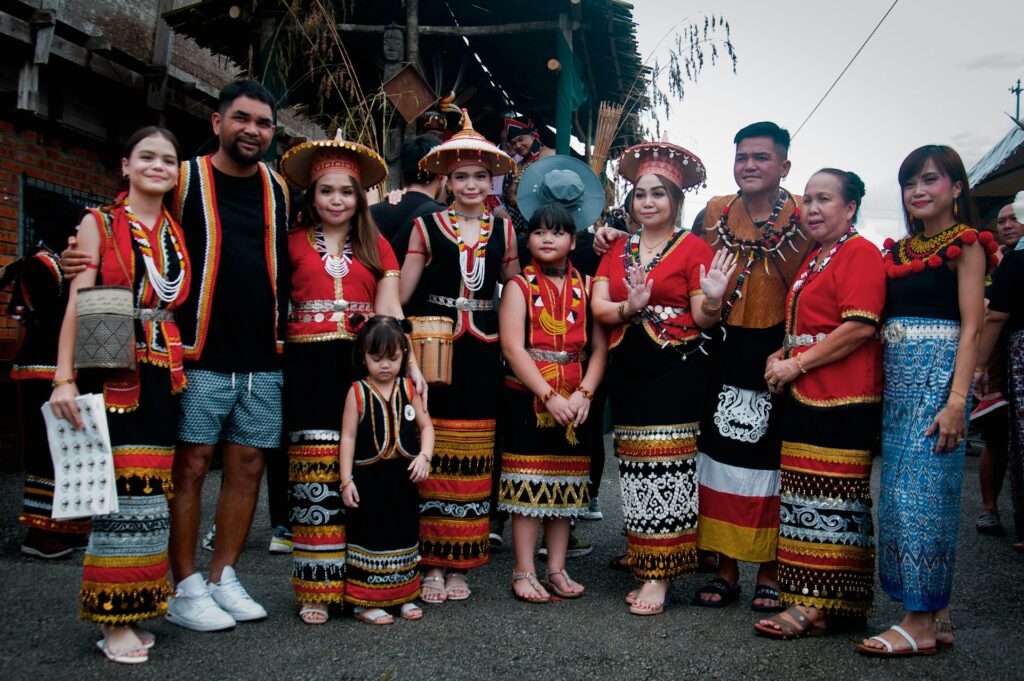
In a globalized world, stories help keep cultural roots alive. Family narratives carry language, tradition, and ritual across generations. Whether it’s a story about a migration journey or a holiday celebration, these narratives preserve a sense of origin. Without them, culture can easily fade.
For immigrant families, stories preserve the link between generations and homelands. They keep native languages, beliefs, and customs alive—even when geography changes. These stories are acts of cultural preservation.
Celebrating Unique Heritage
When children hear stories unique to their heritage, they develop pride in who they are. These stories create resilience against peer pressure and help them navigate identity with confidence. Storytelling doesn’t require a formal setting—it thrives in everyday moments.
Whether it’s during dinner, bedtime, or a car ride, the best stories often emerge naturally. The key is to create space for sharing and to ask the right questions. Simple prompts like “What was your childhood like?” or “What’s the hardest thing you’ve overcome?” can spark meaningful conversations.
Record audio interviews, create a family tree, or write stories in a journal. Involve kids in the process to build investment. These projects become cherished heirlooms that carry emotional weight for generations.
Make Room for Listening
So, the next time a child asks, ‘Tell me about when you were little,’ pause and lean in. That simple question is an invitation—not just to share a story, but to weave a thread between the past and the future. In those moments, you’re not just passing down tales; you’re gifting them roots to stand tall and wings to soar.
These stories become their compass, guiding them through life’s uncertainties with the wisdom of those who came before. They remind children that they are part of something bigger—a tapestry of love, resilience, and shared history. And when the world feels overwhelming, these narratives will be their anchor, a quiet reassurance that they are never alone.