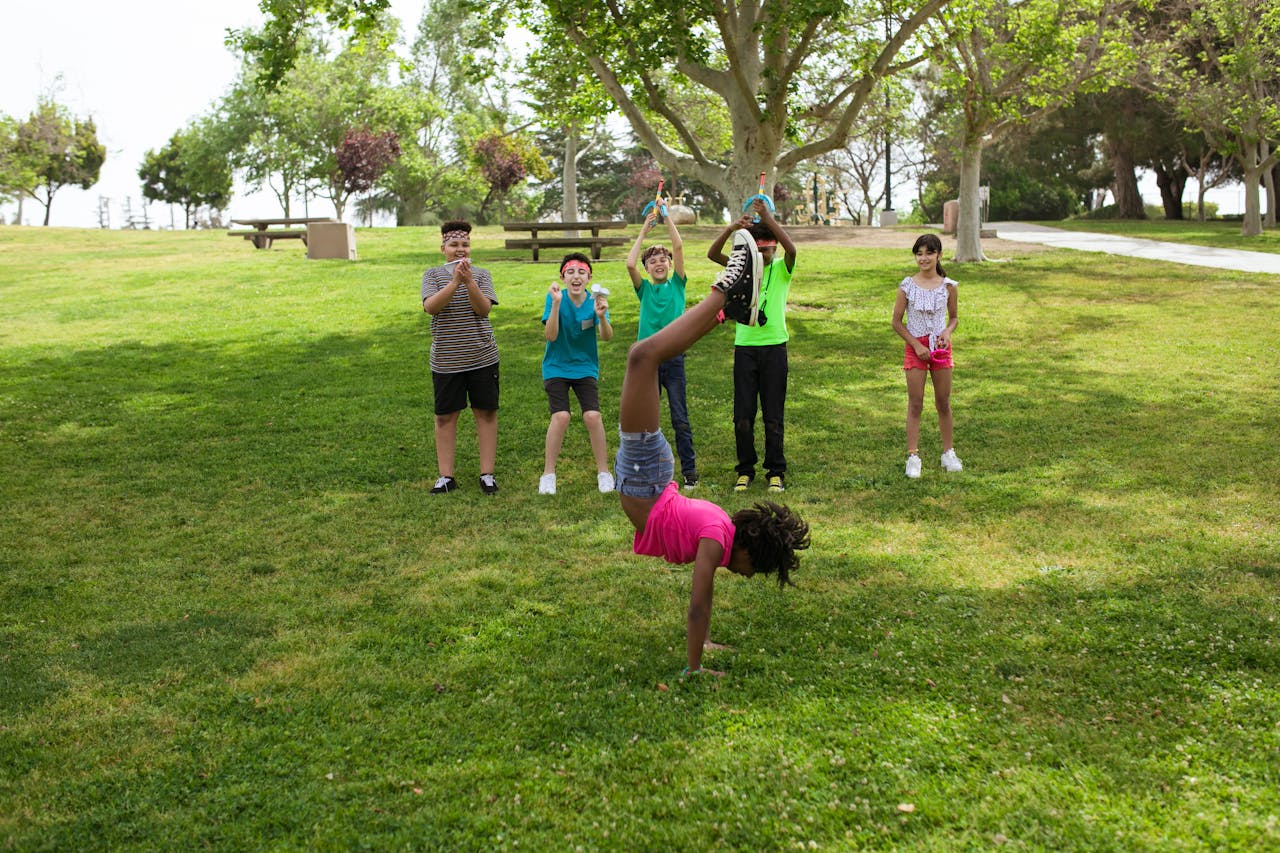
From the first day of school, children are surrounded by pressure to blend in, wear the right clothes, act the right way, and follow the crowd. Yet, teaching kids that fitting in isn’t the goal helps them develop self-worth, confidence, and authenticity. True belonging comes from being accepted for who we are, not for who we pretend to be. Parents play a vital role in guiding children to value individuality over approval.
The Dangers of the Need to Fit In

Children often equate social acceptance with happiness, but chasing conformity can come at the cost of identity. When parents help kids understand the pitfalls of fitting in, they protect them from emotional dependency on peer validation.
The Pressure of Social Conformity
Psychological research has long shown that peer pressure peaks during adolescence. Teens especially feel compelled to follow group norms, fearing rejection more than failure. Social media amplifies this pressure, creating constant comparison and the illusion of perfection. Parents who discuss these influences openly can help children question unrealistic standards and build self-awareness. Teaching kids to recognize manipulation, whether through advertising or social trends, fosters independence of thought.
Loss of Individual Identity
When fitting in becomes a priority, individuality fades. Children might hide their interests or personalities to gain acceptance, leading to internal conflict. Over time, this can erode self-esteem and authenticity. Parents can counter this by encouraging kids to embrace their quirks, passions, and talents. Celebrating uniqueness builds confidence and reduces the anxiety that comes from trying to be someone else.
The Myth of Popularity Equals Happiness
Many kids believe popularity guarantees happiness, but studies show otherwise. Adolescents who chase social approval often experience higher stress and anxiety levels. In contrast, those who prioritize genuine friendships and self-expression report greater life satisfaction. Parents can teach that meaningful relationships are built on honesty and shared values, not on status or superficial traits.
Teaching the Value of Authenticity
Authenticity is not just about being yourself, it’s about knowing and accepting yourself, even when others don’t. Parents who nurture authenticity equip their children with emotional intelligence and moral grounding in an increasingly image-driven world.
Building Self-Awareness Early
Encouraging children to reflect on what makes them happy or proud helps them develop a stable sense of self. Simple conversations about preferences, feelings, and goals can shape inner confidence. When children understand their strengths and values, they become less vulnerable to external influence. This inner clarity empowers them to make choices based on self-respect rather than popularity.
Encouraging Independent Thinking
Independent thinking is a skill that protects children from groupthink and impulsive decision-making. Parents can foster this by asking open-ended questions, promoting debates at home, and allowing kids to make age-appropriate choices. This not only strengthens reasoning skills but also teaches responsibility for one’s beliefs. Over time, children learn that standing alone for what’s right is far more meaningful than standing with the crowd for convenience.
Modeling Authentic Behavior
Children learn authenticity by observing it. Parents who express vulnerability, admit mistakes, and stay true to their values teach more through action than words. When kids see adults choosing integrity over popularity, whether in work, friendships, or family, they internalize the message that self-respect is non-negotiable.
Helping Kids Find True Belonging
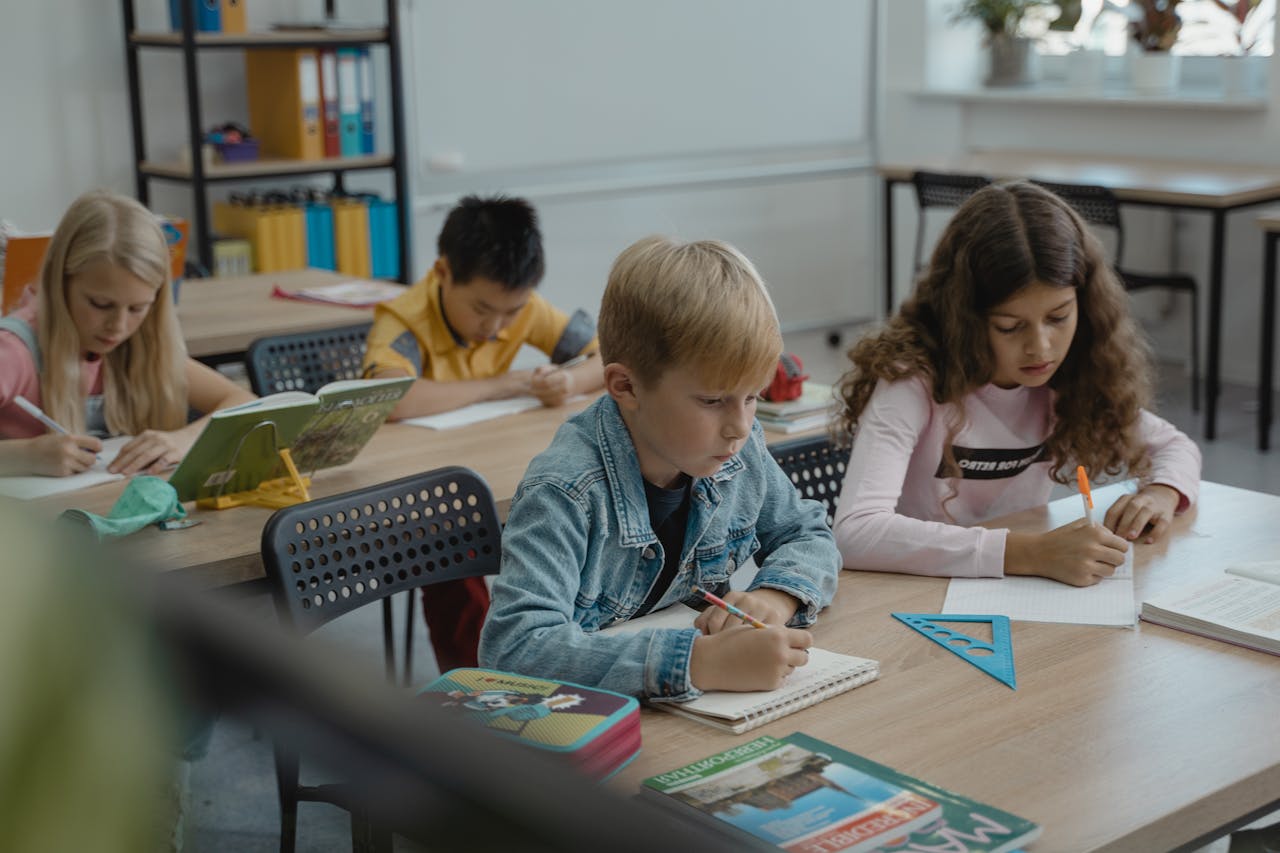
The goal isn’t to isolate children from groups but to help them find communities where they can belong without sacrificing who they are. True belonging arises from shared respect, not conformity.
Building Supportive Friendships
Encourage children to seek friendships where mutual understanding and kindness thrive. Discuss what healthy relationships look like, friends who celebrate differences instead of mocking them. Over time, kids learn to recognize red flags and value connections that nourish rather than drain them. This awareness sets the foundation for strong adult relationships.
Embracing Diversity and Empathy
When children are exposed to diverse people and perspectives, they learn that there’s no single “right” way to exist. Parents can broaden their worldview through books, cultural experiences, and conversations about inclusion. This exposure nurtures empathy and reduces the urge to judge or conform. Kids who understand diversity often grow into adults who value collaboration over competition.
Turning Uniqueness into Strength
Every child has something distinct to offer, an insight, a skill, a curiosity. Parents can help children see their differences as strengths, not flaws. Encouraging creative pursuits, critical thinking, or unique problem-solving styles reinforces this. Over time, children discover that standing out can lead to leadership, innovation, and fulfillment.
Living Beyond the Crowd
Teaching kids that fitting in isn’t the goal isn’t about rebellion, it’s about empowerment. When children value authenticity over conformity, they develop self-trust, empathy, and courage. They learn that the world doesn’t need replicas; it needs originals. Parents who nurture individuality raise children who not only find belonging but also create it, spaces where acceptance and honesty thrive side by side.