
Parenting has always evolved with the times, shaped by changing values, technologies, and social expectations. Yet, the pace of change in today’s world has made the traditional parenting model feel increasingly outdated. The digital era, mental health awareness, and global interconnectedness have reshaped childhood in profound ways. Raising emotionally balanced, confident, and socially aware children now requires parents to rethink what guidance and structure truly mean.
Understanding the Modern Child
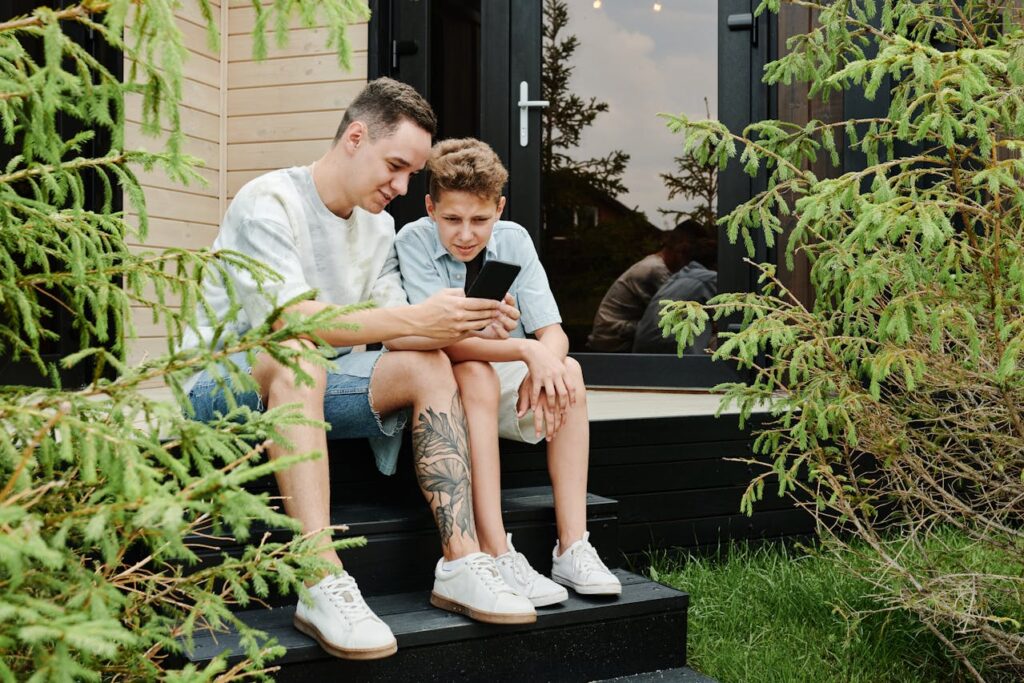
Today’s children are growing up in an age defined by technology, information overload, and shifting cultural norms. They are more connected and exposed than any generation before them, but also more vulnerable to stress, distraction, and social pressure. Parents must adapt their approach, not to be more lenient, but to be more informed and empathetic.
Navigating the Digital Landscape
Children spend a large portion of their time online, often encountering influences far beyond their parents’ control. Banning technology outright is neither practical nor effective; instead, digital literacy must be taught from an early age. Parents can guide children to question what they see online, understand the permanence of digital footprints, and balance screen time with real-world experiences. Conversations about online empathy, safety, and identity are now as essential as discussions about school or chores once were.
Emotional Intelligence Over Obedience
In previous decades, discipline often meant compliance, children were expected to follow rules without question. However, research from child psychology increasingly emphasizes the value of emotional intelligence in long-term well-being. Encouraging kids to name their emotions, understand others’ perspectives, and communicate respectfully builds resilience and self-control. Modern parenting should focus less on control and more on collaboration, helping children make thoughtful choices rather than simply obey orders.
Building Resilience in an Age of Anxiety
With rising rates of childhood anxiety and depression, fostering resilience has become a core parenting goal. Today’s challenges, social media comparison, academic pressure, and global uncertainty, demand emotional strength. Parents can help by modeling healthy coping strategies, validating emotions, and teaching that setbacks are opportunities for growth. Instead of shielding kids from every difficulty, guiding them through struggle helps build genuine confidence.
Redefining Discipline and Structure
The word “discipline” once conjured ideas of punishment, but modern research reveals that guidance works better than control. Children thrive when boundaries are clear yet flexible, when they understand the “why” behind the rules. Evolving discipline means focusing on accountability and problem-solving rather than fear of consequence.
From Punishment to Problem-Solving
Effective discipline now centers on helping children understand the impact of their actions. Instead of grounding or scolding, parents can engage in reflective discussions: “What happened?” and “What can we do differently next time?” This approach develops empathy and moral reasoning. Studies in child development show that children who participate in conflict resolution are more likely to demonstrate responsibility and self-awareness later in life.
The Power of Consistency
While methods evolve, consistency remains timeless. Children need predictable boundaries to feel safe and secure. When parents set rules and follow through calmly and fairly, kids learn trust and accountability. The key difference today is flexibility, understanding that rules can adapt as children mature, ensuring they learn independence alongside discipline.
Teaching Self-Discipline
Instead of enforcing behavior through external control, modern parenting aims to nurture internal motivation. Teaching self-discipline means encouraging children to set their own goals, manage time, and face the consequences of choices. This autonomy fosters long-term responsibility and prepares them for adulthood, where self-regulation is more valuable than compliance.
Raising Emotionally and Socially Conscious Kids

Today’s generation faces complex moral and social questions, from environmental responsibility to digital ethics. Parents must prepare their children not just for success, but for meaningful citizenship. Empathy, cultural awareness, and kindness are skills that must be intentionally cultivated at home.
Modeling Empathy and Inclusion
Children mirror what they see. Parents who show compassion, fairness, and respect toward others raise kids who value the same. Encouraging inclusivity, through stories, discussions, and diverse friendships, helps children understand that the world is broader than their immediate experience. Exposure to different cultures and viewpoints strengthens emotional intelligence and reduces bias from an early age.
Teaching Critical Thinking
In a world filled with misinformation, teaching children how to think critically has never been more essential. Parents can encourage curiosity by asking open-ended questions and helping kids analyze rather than memorize. “Why do you think this happened?” or “What could be another explanation?” These kinds of dialogues sharpen reasoning and help children become thoughtful, discerning learners rather than passive consumers of information.
Encouraging Purpose and Passion
Children thrive when they feel their interests and voices matter. Parents who nurture curiosity, whether in science, art, or sports, help their kids discover a sense of purpose. Involving them in family decisions, volunteering, or community projects reinforces that they can make an impact. This instills confidence and shows that success isn’t just about achievement, but contribution.
The Path Forward
Parenting today requires a blend of timeless wisdom and modern awareness. While values like discipline, respect, and empathy remain crucial, the methods of teaching them must evolve with the realities of today’s world. By embracing emotional intelligence, critical thinking, and digital responsibility, parents can raise children who are not only capable but compassionate. The goal is not to create perfect kids, but resilient humans, ready to adapt, question, and lead with empathy.