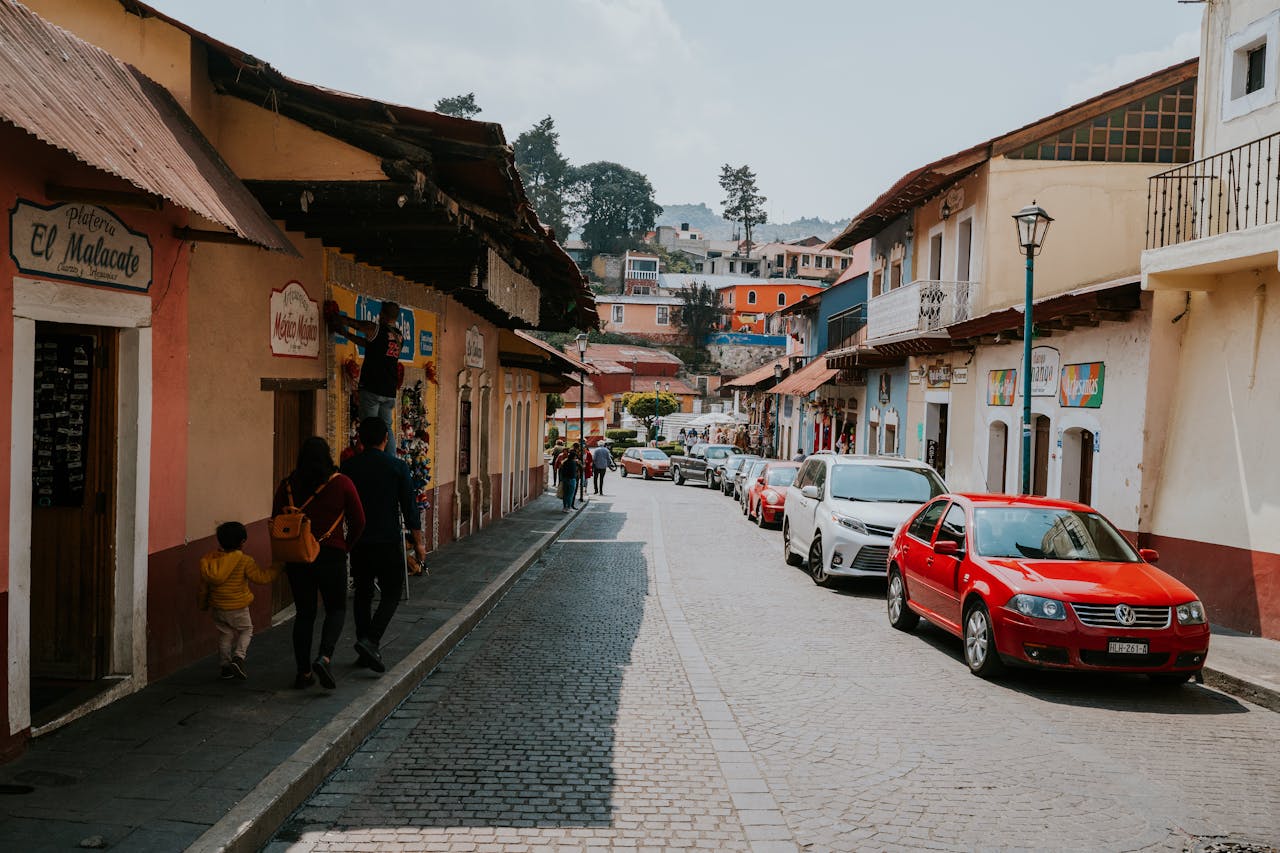
As the pace of modern life accelerates and urban living becomes increasingly expensive and stressful, more families are making a deliberate move to smaller towns. These shifts are no longer driven solely by retirement plans or job relocation—they reflect deeper desires for connection, balance, and a simpler, more intentional way of life. Small-town living is being rediscovered by families in search of community, space, and peace.
The Cost of Urban Living Is Driving Families Away

Big city life often comes with big price tags, from housing to groceries to childcare. Families are feeling the financial strain. In metropolitan areas, homeownership is becoming a distant dream for many middle-income families. In contrast, small towns offer more house for the money—often with yards, garages, and extra bedrooms. Mortgage payments in smaller communities are typically much lower, allowing families to invest in their futures without being buried in debt.
Everyday Expenses Are Lower
Beyond housing, other daily costs are significantly lower in rural or small-town areas. Groceries, gas, and even entertainment tend to cost less. Many small towns have local farms or markets where families can get fresh produce at a fraction of urban prices. The savings on these essentials add up quickly.
Many small towns offer public preschools, community-based childcare options, and quality public schools without the need for costly private alternatives. Parents find they can spend more time with their kids and less on childcare bills. This financial breathing room can reduce household stress and improve family wellbeing.
Families Are Seeking a Slower, Healthier Lifestyle
In the midst of a fast-paced world, families are choosing a lifestyle that promotes wellness, time together, and peace of mind. Small towns provide the quiet that city life often lacks. Whether it’s morning walks through wooded trails or evenings spent on a porch watching the sunset, these moments bring calm. Being surrounded by nature improves mental health and helps children develop a deeper connection to the world around them.
Lower Stress and Anxiety
The relentless noise, traffic, and crowding of urban life can be overwhelming. Small-town environments naturally offer a slower rhythm—fewer commutes, less competition, and more time to breathe. Families report feeling more at ease and better connected to themselves and each other in these settings.
Without long commutes or overcrowded schedules, families in small towns often find themselves with more time. Dinner at home, shared chores, and weekend activities become easier to plan and enjoy. This shift in lifestyle can lead to stronger relationships and healthier family dynamics.
A Stronger Sense of Community
One of the most appealing features of small-town life is the closeness and support of a real community. Neighbors become more than just familiar faces. In smaller towns, people tend to recognize one another and remember names. Children grow up seeing familiar adults around town, which builds a sense of safety and trust. This familiarity creates an environment where kids feel known and looked after, and adults feel seen and supported.
Supportive Local Networks
From church groups to youth sports teams to volunteer fire departments, small towns offer a variety of ways for families to get involved. When challenges arise—whether a family illness or a job loss—neighbors are more likely to step in with meals, support, or resources. This web of support is something many families don’t realize they’re missing until they find it.
Local fairs, seasonal parades, and town-wide events give families something to look forward to and take part in. These traditions create memories and build pride in one’s hometown. Children grow up with a deeper sense of identity and belonging through these community experiences.
Remote Work Is Making It All Possible

Technology has made it easier than ever for people to live where they love, not just where their office happens to be. Small-town life is now compatible with modern work demands.
With high-speed internet expanding into more rural areas, professionals in a range of fields can now work from home in even the most remote towns. This flexibility has opened the door for people to choose lifestyle over location. The freedom to work from a quiet porch or sunlit kitchen table is a major perk.
Balancing Career and Family
Parents are finding it easier to be present for their children when they’re no longer commuting two hours a day. School pick-ups, lunch breaks at home, and flexible schedules are all easier to manage when work is just a few steps away. This has led to a better work-life balance that supports both professional success and family connection.
Even beyond remote jobs, some families are starting small businesses or joining revitalization efforts in rural communities. With lower overhead costs and supportive local networks, small towns can be fertile ground for entrepreneurship and creative ventures.
Safety and Simplicity Matter More Than Ever
In an unpredictable world, many families are prioritizing safety, stability, and a simpler life. Small towns offer all three. Many small towns report significantly lower crime rates compared to larger urban centers. Parents often feel more comfortable letting their kids ride bikes, walk to school, or play outside unsupervised. This sense of safety provides peace of mind that’s hard to measure but deeply felt.
Less Daily Chaos
Without the pressures of traffic, overcrowded schools, or urban congestion, daily life becomes more manageable. Routines are less stressful, errands take less time, and there’s room to slow down. Families can create healthier rhythms that prioritize connection over hustle.
Small-town living encourages families to be more mindful about how they spend their time and money. Instead of chasing trends or keeping up with city life, families focus on values, relationships, and purpose. This shift often leads to greater satisfaction and less burnout.
Children Thrive in Small-Town Environments

Parents are finding that small towns offer powerful benefits for children—from stronger social support to a more grounded upbringing. In small towns, children often have more consistent relationships with teachers, coaches, and community leaders. These adults watch kids grow up, offer encouragement, and serve as role models. Such continuity helps children feel valued and builds long-term confidence.
More Time Outdoors
With fields, forests, and parks nearby, kids in small towns spend more time outside. They play freely, explore nature, and learn through experience rather than screens. This unstructured time is crucial for healthy development and creativity.
Many small-town schools have smaller class sizes and more personalized instruction. Teachers often know students by name and communicate directly with parents. While not all rural schools are equally resourced, many families appreciate the intimate learning environment and the sense of shared responsibility.
A Lifestyle Rooted in What Matters Most
The move to small-town living isn’t just a financial decision—it’s an emotional and cultural one. Families are seeking more than just a roof over their heads; they’re seeking purpose, peace, and connection. In the quiet lanes, open skies, and welcoming communities of small-town America, they’re finding all three.