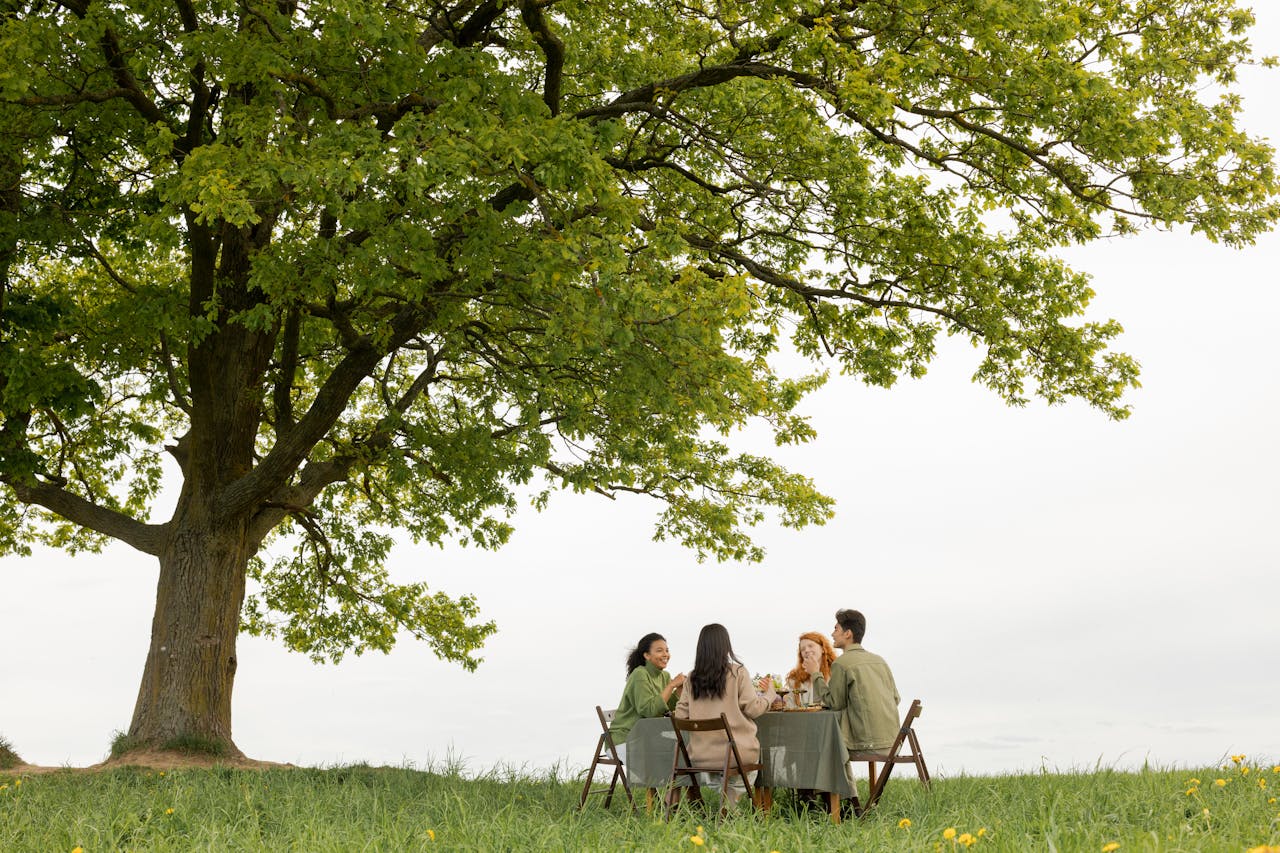
For decades, the big city represented opportunity, culture, and upward mobility for American families. Living close to jobs, schools, and experiences felt like progress. In recent years, that dream has started to shift. Families are not rejecting cities out of fear or nostalgia. They are reassessing daily reality. Rising costs, time pressure, and lifestyle strain have forced a more practical conversation about what actually supports family life. What is emerging is not a retreat, but a recalibration of what stability, success, and well being really look like.
The Cost of Convenience No Longer Feels Worth It
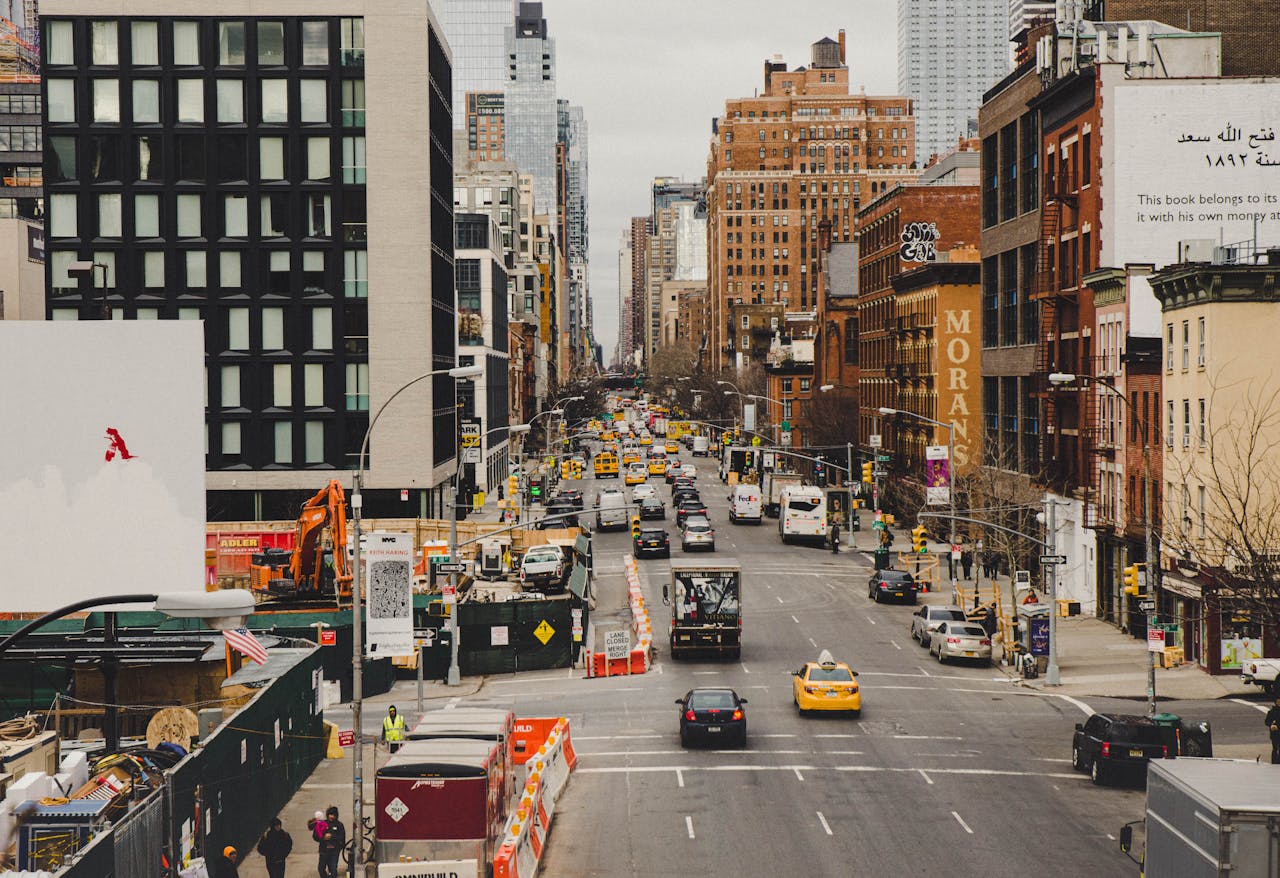
Big cities were once justified by convenience, but for many families the math no longer works. High housing costs, childcare expenses, parking fees, and everyday services quietly drain financial security. Families are realizing that proximity does not equal ease when every activity requires budgeting and negotiation. What once felt efficient now feels restrictive. As costs rise faster than income, the promise of city life begins to feel fragile. Many families are choosing environments where money buys breathing room rather than constant compromise.
Time Has Become More Valuable Than Access

City life offers access to everything, but families increasingly question how often they actually use it. Long commutes, crowded schedules, and constant movement consume energy that could be spent together. Parents are noticing that time lost to traffic and logistics cannot be recovered. Suburban or smaller city living often offers fewer options but more usable hours. Families are prioritizing predictability and presence over proximity, valuing evenings that feel calm instead of compressed.
Schools and Stability Matter More Than Status

Many families once accepted school uncertainty in exchange for cultural or professional prestige. That tradeoff is shifting. Parents are seeking consistency, community involvement, and predictable education environments. Smaller districts and stable neighborhoods often provide stronger parent engagement and continuity. The desire for reliable schooling has begun to outweigh the appeal of elite city addresses. Families are redefining success around long term development rather than short term recognition.
More Space Means Better Mental Health

The concept of space has changed for American families. It is no longer about luxury, but regulation. Having room to move, play, and decompress directly affects stress levels. City living often limits privacy and quiet, increasing emotional fatigue. Families are recognizing that physical space supports emotional stability. Yards, extra rooms, and quieter surroundings are being viewed not as upgrades, but as essential infrastructure for mental health and family balance.
Remote Work Means No Geographic Obligation

Remote and hybrid work permanently altered where families need to live. The requirement to cluster near offices has weakened. Without daily commuting demands, families can choose locations based on lifestyle rather than employment geography. This freedom has opened doors to smaller cities, towns, and regions once considered impractical. The shift is not about escaping cities, but about choosing environments that align better with family rhythms and priorities.
Better Sense of Community and Belonging
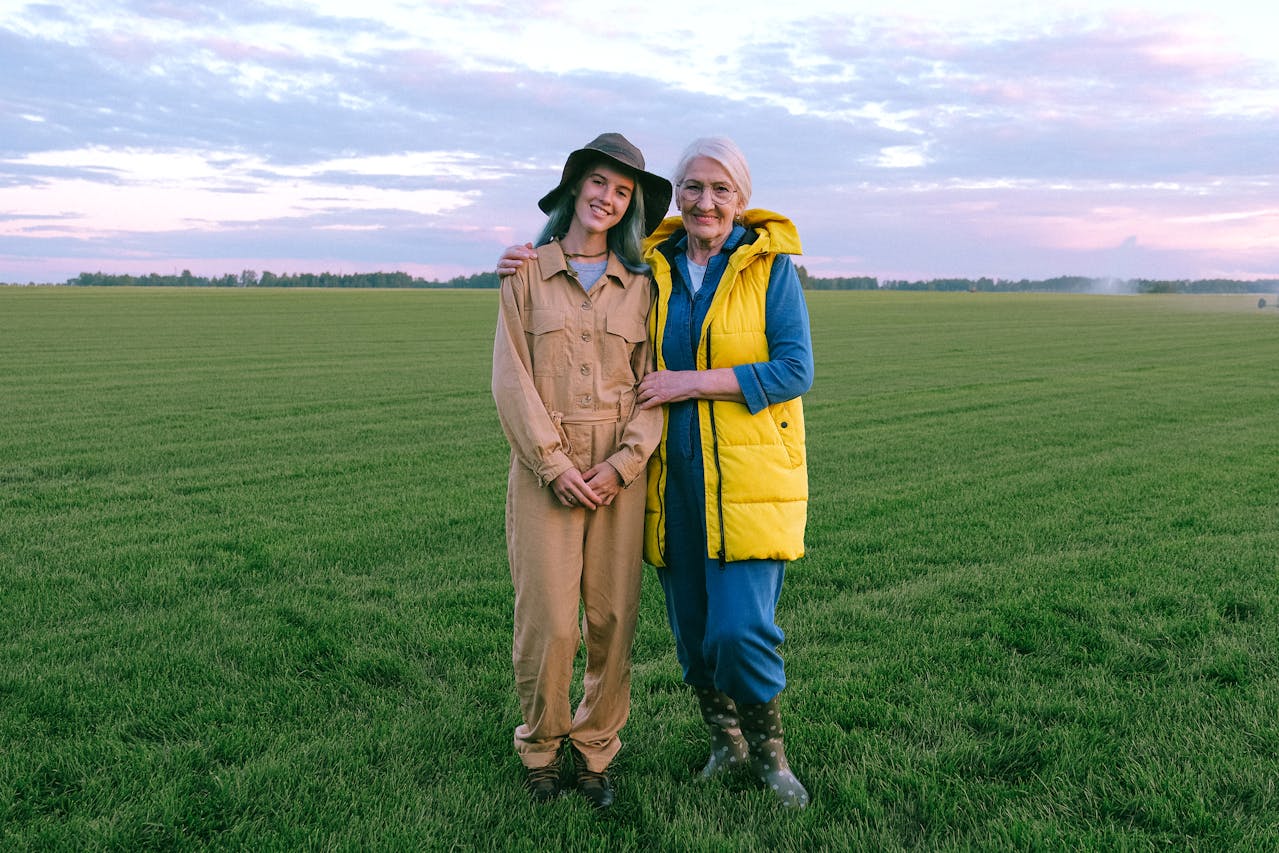
Urban neighborhoods often experience rapid turnover. Families move frequently, rents rise, and social networks reset. Many parents feel exhausted rebuilding connections every few years. Smaller communities tend to offer longer tenure, shared schools, and repeated interaction. Families are seeking places where relationships accumulate instead of dissolving. Stability has become more valuable than novelty, especially when raising children who benefit from continuity.
American families are not abandoning ambition by rethinking the big city dream. They are redefining it. What once symbolized success now competes with priorities like time, stability, and emotional health. This shift reflects maturity rather than retreat. Families are choosing environments that support daily life, not just future possibility. The dream is not disappearing. It is evolving into something quieter, steadier, and more sustainable.