In today’s fast-paced, always-on world, motherhood has evolved—but so have the pressures that come with it. Between juggling careers, managing households, and navigating digital parenting, many modern moms have realized that caring for themselves is no longer a luxury, it’s a necessity. The cultural shift toward self-care is not about indulgence, but about sustainability, balance, and mental well-being.
The Cultural Shift Toward Self-Care

In the past, motherhood was often synonymous with self-sacrifice. But today’s moms are rejecting the idea that constant exhaustion equals devotion. Social awareness, mental health advocacy, and the normalization of therapy have helped women embrace a more balanced narrative. Modern moms now understand that taking care of their own physical and emotional health allows them to show up more fully for their families.
Breaking the “Supermom” Myth
The “Supermom” ideal, popularized in the late 20th century, celebrated mothers who could do it all, career, home, and parenting, without missing a beat. However, this unrealistic expectation led many women to burnout. Recent studies from the American Psychological Association reveal that chronic stress among mothers has significantly decreased in families that encourage shared responsibilities and personal downtime. By dismantling this myth, modern moms are rewriting what success in motherhood looks like—one that includes boundaries, rest, and self-compassion.
Social Media and the Self-Care Movement
While social media can fuel comparison, it has also become a platform for community and awareness. Many mothers now follow mental health advocates, parent coaches, and wellness experts who promote mindfulness and self-preservation. Online communities such as “The Honest Mom” and “Mother Untamed” have normalized conversations around maternal mental health, postpartum depression, and the daily need for personal time. The dialogue has shifted from perfection to authenticity, helping mothers see self-care as both normal and necessary.
The Role of Mental Health Awareness
Mental health awareness has become a driving force behind this self-care movement. More healthcare providers now screen for postpartum anxiety and depression, while therapy and support groups are more accessible than ever. The recognition that maternal well-being directly affects child development has transformed how society supports mothers. Taking care of mental health is now seen as an act of strength, not weakness, a vital part of raising emotionally secure children.
Redefining What Self-Care Really Means
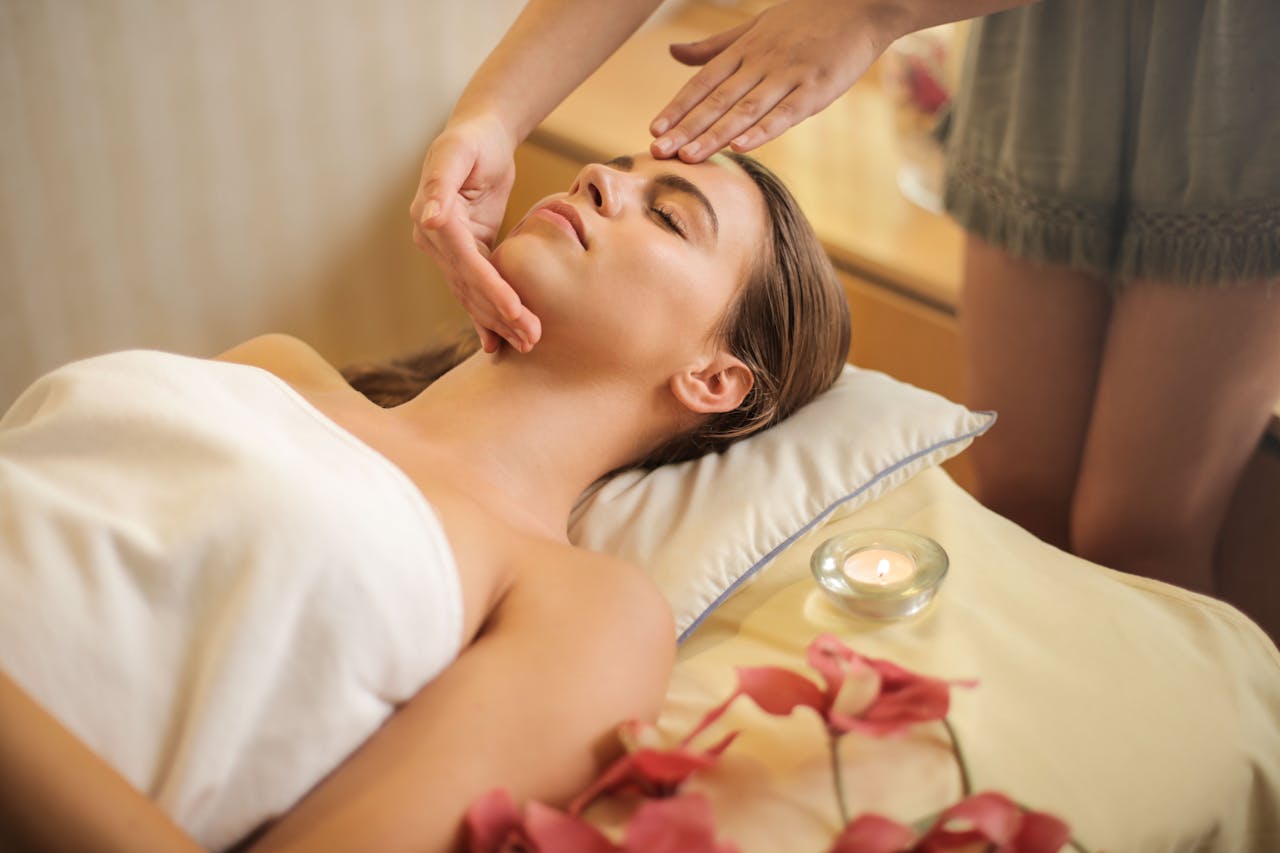
Self-care for modern moms isn’t limited to spa days or yoga classes, it’s about intentional living. It’s the act of choosing what restores energy, nurtures peace, and protects mental balance. This redefinition has empowered women to tailor their routines to fit their real lives rather than external standards.
Physical Health as a Foundation
The physical demands of parenting can be intense, yet many mothers historically neglected their own health. Today, there’s a renewed focus on physical well-being, from exercise routines to balanced nutrition and adequate sleep. Many moms have adopted fitness programs designed for realistic schedules, such as short home workouts or stroller walks. A healthier body supports mental clarity and emotional resilience, making physical care a vital component of modern motherhood.
Emotional and Spiritual Recharge
Beyond physical wellness, emotional and spiritual self-care have gained importance. Many moms practice journaling, meditation, or simply carving out quiet moments to reflect. These small rituals create mental space and emotional clarity amid chaos. In cultures worldwide, spiritual practices, whether prayer, mindfulness, or gratitude, have shown measurable effects on stress reduction and resilience. For many, this is the most transformative aspect of self-care: reconnecting with inner peace in an age of constant noise.
Boundaries and the Power of Saying No
Perhaps the most overlooked form of self-care is the ability to set boundaries. Modern moms are learning to decline excessive commitments, share household responsibilities, and prioritize rest without guilt. This shift reflects a deeper awareness that exhaustion is not a badge of honor. By protecting their time and energy, mothers are modeling emotional intelligence and self-respect for their children, lessons that will benefit generations to come.
The Ripple Effect of Maternal Well-Being
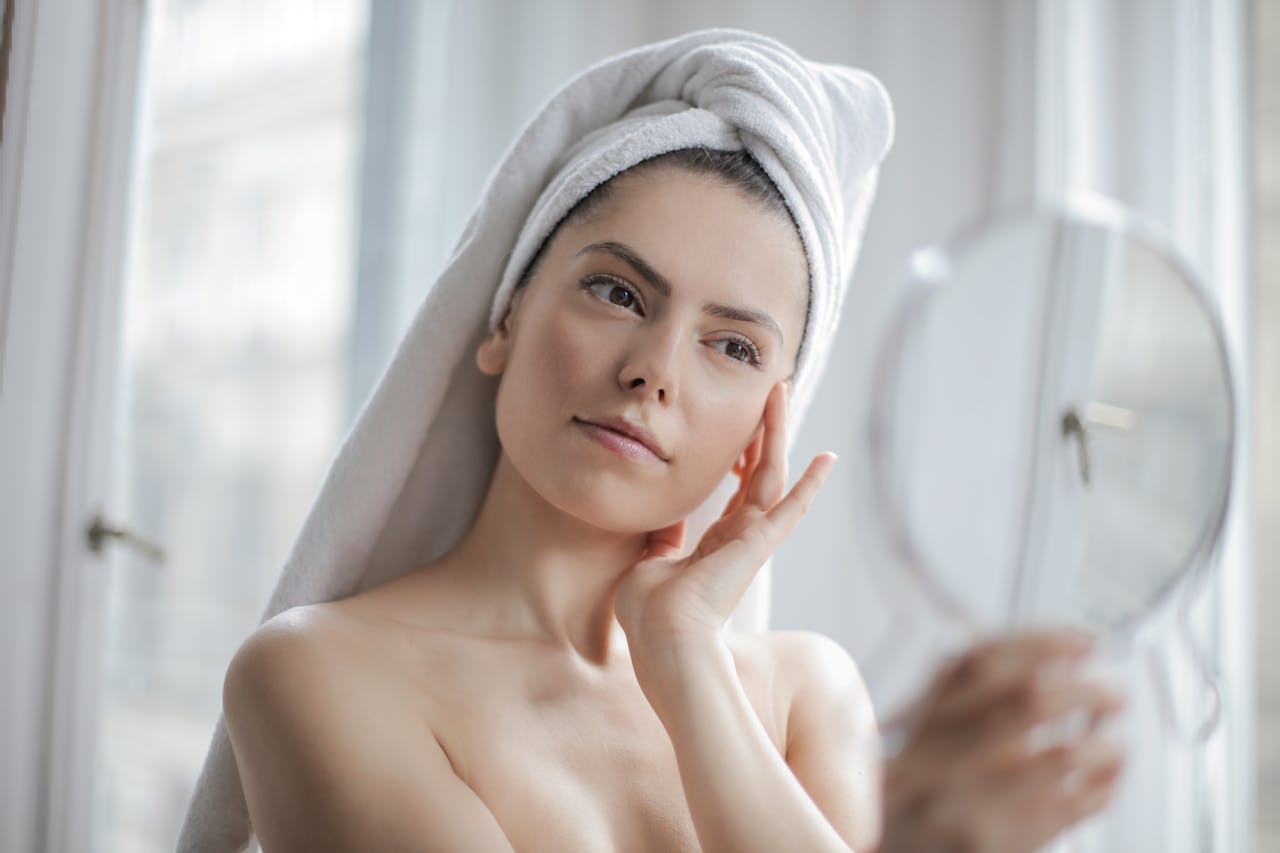
When mothers invest in themselves, the benefits extend far beyond personal fulfillment. Families, communities, and workplaces all thrive when women are supported and balanced. This ripple effect is reshaping how society views caregiving and gender roles.
Healthier Families and Happier Homes
Research consistently shows that children of emotionally healthy parents display greater empathy, confidence, and emotional regulation. When mothers prioritize self-care, family dynamics improve because stress and irritability are reduced. Kids learn through example that self-worth and rest are essential parts of adulthood. This intergenerational modeling helps cultivate a more balanced and emotionally intelligent generation.
Supportive Partnerships and Shared Responsibility
Modern relationships are evolving as well. Many partners are embracing co-parenting and shared domestic responsibilities, recognizing that both parents deserve rest and recreation. This balance reduces resentment and deepens family connection. In households where self-care is encouraged for both parents, emotional satisfaction and marital stability tend to increase, showing that collective wellness begins with individual well-being.
The Workplace Revolution for Moms
Employers are also beginning to recognize the importance of maternal self-care. Flexible hours, remote work, and mental health leave policies have made it easier for mothers to find balance between their professional and personal lives. These changes reflect a growing acknowledgment that productivity thrives when workers are emotionally supported. The future of work is one where self-care is seen not as indulgence but as a core productivity tool.
Lessons in Balance
The modern mother’s journey toward self-care is a collective awakening, a recognition that nurturing oneself is the foundation of nurturing others. The conversation around motherhood is shifting from survival to sustainability, from sacrifice to strength. By embracing self-care, today’s moms are not only transforming their own lives but also reshaping cultural expectations for generations of women to come.