Work and home life have always been a balancing act, but today the struggle seems sharper than ever. Parents race to keep up with demanding jobs while also trying to be present for bedtime stories, soccer games, and family dinners. Children notice more than we think—they watch how we spend our time, where we place our energy, and what we prioritize. When we model balance, we don’t just manage schedules; we teach life lessons that stay with our children long after they’ve grown.
Setting the Foundation for Healthy Family Habits
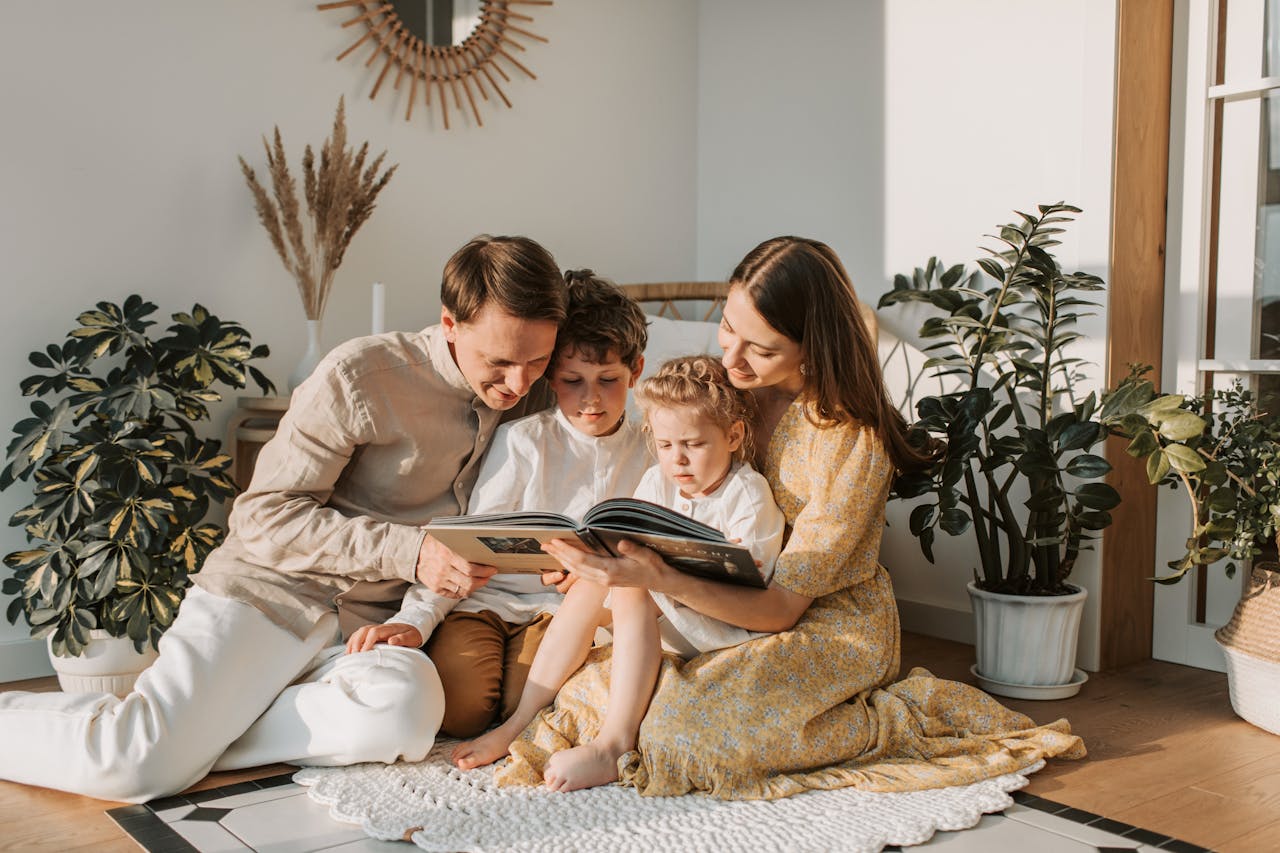
Children carry their parents’ habits into adulthood, sometimes without even realizing it. They notice the late nights spent in front of a laptop or the way phones come out at the dinner table. But they also notice when parents set those devices aside, laugh over board games, or show up at school concerts. These unspoken choices quietly shape how kids will later define success, family, and health.
Teaching Children by Example
We’ve all heard the saying that kids learn more from what we do than what we say—and it couldn’t be more true. A parent who comes home and still checks work emails at the table sends one message, while a parent who sits down fully present sends another. For children, the lesson isn’t abstract—it’s lived. They’ll carry into adulthood the idea that family matters, that presence matters, and that balance is possible even in a busy world.
Promoting Health and Stress Management
When children see their parents resting after a long day, exercising, or simply taking a moment to breathe, they internalize that caring for health isn’t selfish—it’s necessary. It shows them that life isn’t meant to be a constant sprint, and that pausing is part of being strong. These moments may feel small in the moment, but they teach kids that resilience comes from balance, not burnout.
Boundaries, when modeled well, become a gift to the whole family. Parents who protect family dinners or weekend mornings as sacred time teach kids that work has its place, but so does togetherness. It shows that saying “not now” to outside demands is not neglect—it’s protecting what matters most.
Strengthening Relationships Within the Family
Children don’t just want their parents present—they want them emotionally available. And that presence becomes possible when balance is a priority. A calm, connected parent can listen, engage, and create memories that last far longer than the projects or meetings that once seemed so urgent.
Fostering Emotional Availability
A parent who can set aside stress and truly listen creates a safe place for their children to open up. These moments—hearing about a tough day at school, laughing over a silly story—become anchors of connection. Emotional presence often matters more than hours spent together, and balance is what makes it possible.
Families often find their closest bonds in shared routines, whether it’s bedtime stories, weekend hikes, or even folding laundry side by side. Parents who don’t let work consume every moment make space for these rituals. In doing so, they remind their children that joy doesn’t always come from big vacations or grand gestures—it often lives in the small, ordinary rhythms of family life.
Reducing Conflict Through Presence
Stress has a way of spilling over into our closest relationships. By finding balance, parents reduce that tension before it turns into conflict. Children feel the difference when home is a place of calm rather than chaos, and they carry that sense of security into everything else they do.
Preparing Children for Their Future
The balance parents model today is the balance their children will seek tomorrow. In a world where technology makes it all too easy to blur the line between work and home, showing kids how to separate the two is a gift they’ll take into their own adult lives.
Instilling Work Ethic with Perspective
Parents who work hard but still prioritize family show children that responsibility matters, but so do relationships. It teaches kids that effort and commitment don’t have to mean sacrificing everything else that makes life rich and meaningful.
Children who grow up seeing balance often carry those values into their own career choices. They may seek work environments that respect boundaries or prioritize employers that honor family life. These decisions, shaped quietly by what they observed at home, can protect them from repeating cycles of exhaustion.
Demonstrating Resilience in Modern Life
Balance doesn’t mean perfection—it means adapting gracefully when life shifts. Parents who juggle work deadlines while still showing up for school recitals show their kids that balance is not rigid but resilient. It’s about staying grounded even when the world demands more than seems possible.
Lasting Family Lessons
When children look back on their childhoods, they won’t remember every detail of their parents’ jobs. They’ll remember the nights their parents listened, the weekends spent together, and the moments when presence mattered more than productivity. Modeling work-life balance is less about managing hours and more about teaching what truly matters in the time we have.