An increasing number of women are choosing to remain single, reflecting a shift in social and economic priorities. This trend is visible across different age groups and backgrounds, as expectations around independence and stability continue to change. More women are making long-term decisions based on personal goals rather than traditional timelines.
Single life is now viewed as a stable and intentional choice rather than a temporary phase. Greater access to education and employment has supported this shift.
As a result, views on marriage and partnership are evolving, with more emphasis on autonomy and individual decision-making.
Financial Independence Reduces Reliance on Marriage

Greater financial independence has significantly influenced how women approach long-term relationships. With more access to stable careers and income opportunities, many no longer rely on marriage as a source of economic security.
This shift allows for greater control over financial decisions, including spending, saving, and long-term planning. Independence can also reduce the risks associated with shared financial responsibilities.
As a result, remaining single becomes a practical choice rather than a limitation. Many women now prioritize financial stability and personal control over the perceived benefits of partnership.
Career Priorities Shape Lifestyle Decisions
Career development has become a central focus for many women, influencing how they structure their personal lives. Professional goals often require flexibility, time, and geographic mobility, which may not align with traditional relationship expectations.
Balancing demanding work schedules with relationship commitments can create added pressure. Some women choose to avoid this conflict by focusing fully on career progression.
This decision supports long-term professional growth and personal satisfaction. As workplace opportunities expand, prioritizing career over relationships has become a more common and accepted path.
Changing Social Norms Reduce Stigma
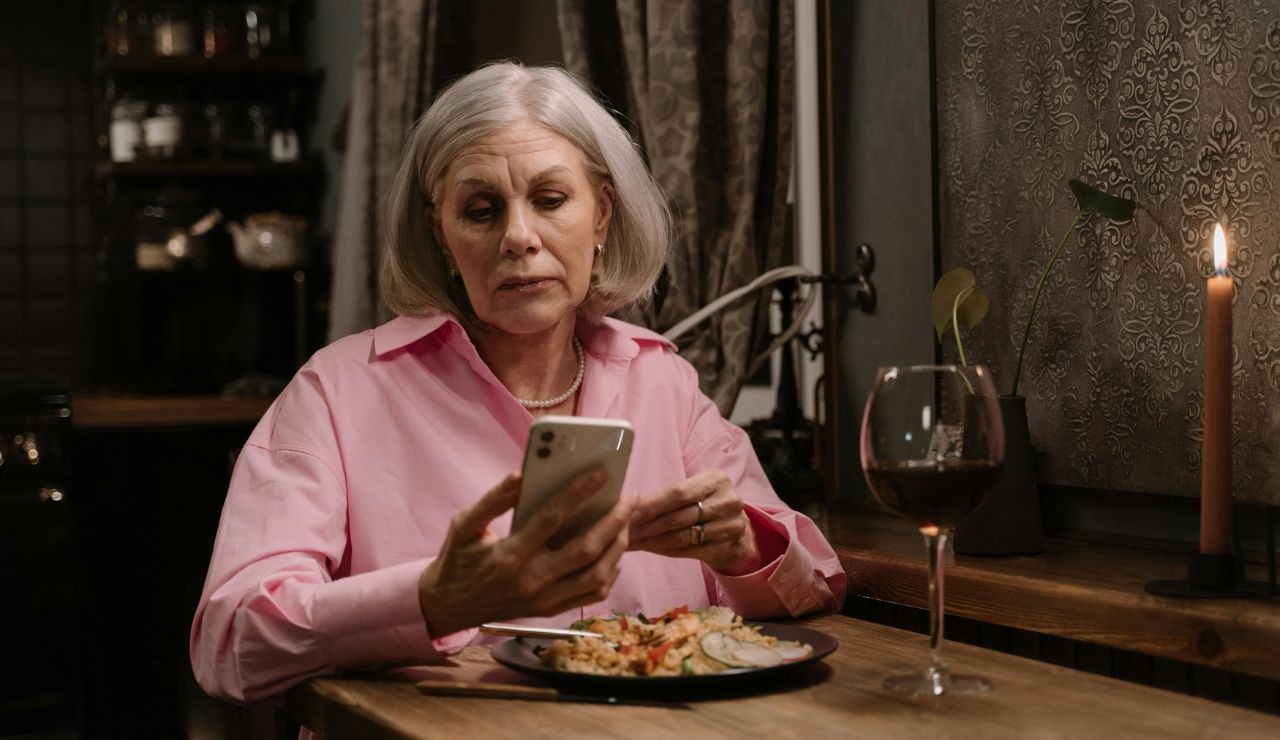
Social attitudes toward single women have changed considerably over time. Remaining unmarried is no longer viewed as unusual or socially limiting, especially in urban and professional environments.
Media representation and cultural narratives have also contributed to this shift by presenting single life as a valid and fulfilling choice. This reduces external pressure to follow traditional timelines.
As a result, women feel more comfortable making independent decisions about relationships. The reduced stigma allows for greater freedom in choosing lifestyles that align with personal values and goals.
Personal Autonomy and Control Increase Appeal
Living independently allows individuals to make decisions without the need for compromise or negotiation in daily life. Many women value having full control over their schedules, finances, and personal priorities, which can be harder to maintain in shared arrangements.
This level of autonomy supports better focus on personal goals, including career growth, health, and long-term planning. It also reduces the complexity that can come with managing expectations in a relationship.
For many, this independence becomes a key reason to remain single, as it offers consistency, flexibility, and greater control over life decisions.
Relationship Expectations Have Evolved

Expectations around relationships have shifted significantly, with greater emphasis placed on compatibility, mutual respect, and shared long-term goals. Many women are less willing to commit to arrangements that do not meet these expectations.
This change reflects a broader focus on quality rather than necessity, where relationships are viewed as optional rather than essential for stability. Social acceptance of this perspective has also increased over time.
As a result, some women prefer to remain single instead of compromising, choosing independence as a more consistent and manageable lifestyle option over the long term.