
Technology has placed the world’s knowledge in our pockets, but it has also created a distance from the living, breathing stories that once shaped our understanding of life. Before smartphones and search engines, children learned much of their history, values, and sense of belonging from family elders, especially grandmothers. These stories weren’t just about the past; they were personal, emotional, and steeped in the wisdom of lived experience. While Google can answer a “what” or “when,” it rarely answers the deeper “why” in a way that shapes a child’s heart. Grandma stories do. They pass on more than facts, they pass on identity, resilience, and human connection.
The Emotional Power of Oral Storytelling
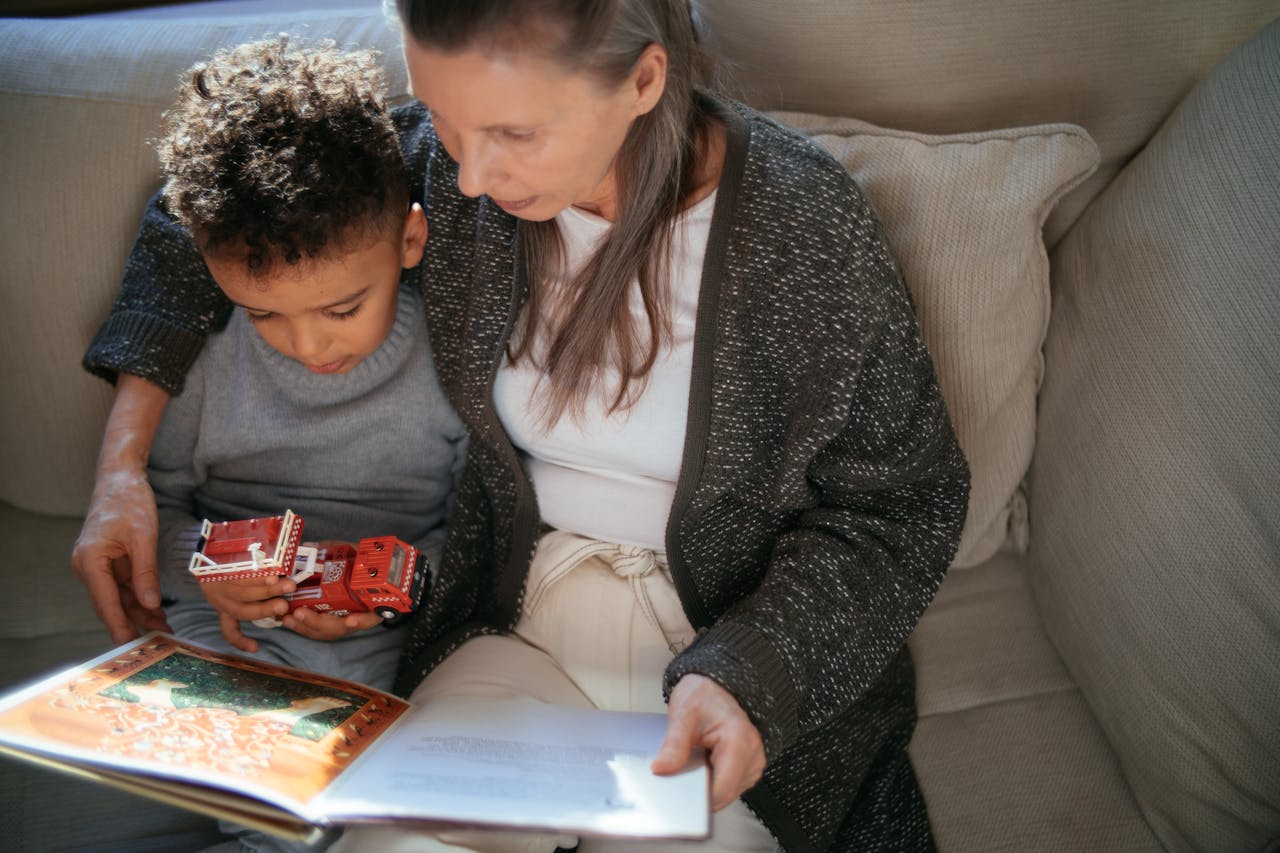
Grandmothers have always been the keepers of family history, traditions, and values. Their stories carry an authenticity that no online article or AI summary can replicate. They are grounded in firsthand experience, often told with warmth, humor, and the occasional dramatic pause that pulls a child in. The act of telling and hearing these stories also fosters emotional bonds, giving children a sense of being part of something larger than themselves. While Google can tell you who invented something, grandma can tell you how it felt to live through it.
Passing Down Values Through Personal Narratives
A grandmother’s stories often contain life lessons disguised in simple, relatable tales. Whether it’s about living through hard times, finding joy in small moments, or standing up for what’s right, these narratives teach moral reasoning in a way textbooks rarely achieve. Unlike quick online answers, these lessons are woven into the context of real decisions and real consequences. They help children understand not just what to think, but how to think about right and wrong. Hearing about the sacrifices or courage of someone they love makes the lesson stick on a personal level.
Preserving Family and Cultural Identity
In many cultures, oral storytelling is the primary way traditions survive. A grandmother’s stories might include recipes, festivals, rituals, or the meanings behind certain customs. These accounts connect children to their roots in a way that algorithms cannot. When a child learns the origin of a family tradition or the struggles of their ancestors, they develop a stronger sense of belonging. This knowledge shapes their identity, giving them pride and perspective that goes far beyond a search result.
Nurturing Empathy and Imagination
Listening to someone describe the past invites a child to step into another time and place. They picture the sounds, smells, and emotions of a different world, something that builds empathy and creative thinking. Grandma’s stories are filled with human emotion, making history feel alive instead of abstract. Children are more likely to internalize compassion when they hear how a loved one experienced hardship or joy, rather than reading a short factual snippet online.
The Limitations of Google for Deep Learning
While the internet is a powerful tool, it delivers information stripped of personal connection. Facts may be accurate, but they are often devoid of context, feeling, or moral reflection. For children, this can lead to a shallow understanding of history, relationships, and life skills. Google answers the “what” efficiently, but the “why it matters” often gets lost in the speed of information retrieval. That’s where grandmothers, and the art of oral storytelling, fill the gap.
Information Without Context
A search engine might tell a child that rationing happened during World War II, but grandma can explain what it was like to stand in line for sugar, trade clothing coupons with neighbors, or make meals from limited ingredients. This contextual layer transforms history from a dry fact into a lived experience. It helps children grasp not only the event but also the emotions and adaptations that came with it. Without such context, information risks being memorized but not understood.
No Emotional Connection to the Facts
One of the reasons children remember their grandmother’s stories so vividly is the emotional tone behind them. Laughter over a childhood prank, tears while recalling a loss, or a twinkle in her eye when describing a young romance, these emotional markers help memories stick. In contrast, an online fact is static and impersonal. It may answer a question, but it doesn’t invite the same emotional engagement that makes learning meaningful and lasting.
Over-Reliance on Instant Answers
Children today are growing up in an environment where answers arrive in seconds. While this is convenient, it discourages patience, curiosity, and deeper exploration. A grandmother’s story takes time, unfolding in a way that allows questions, reflection, and even tangents that lead to unexpected insights. This slower pace of learning encourages a child to think critically and to appreciate that understanding isn’t always instant.
Making Grandma Stories Part of Modern Learning
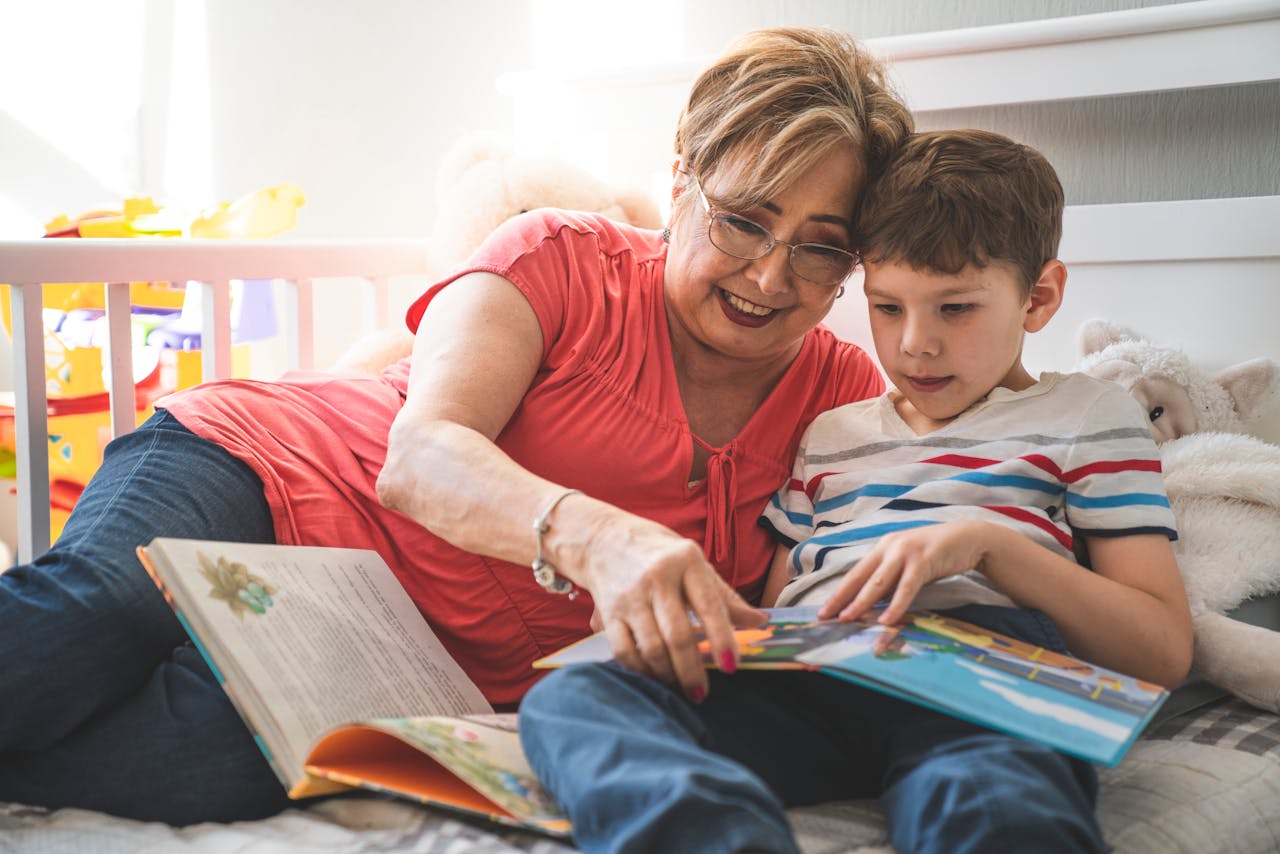
The good news is that oral storytelling can coexist with technology. Families can intentionally make space for these stories so they don’t disappear under the noise of digital content. It doesn’t require formal lessons, just a willingness to listen, ask questions, and keep traditions alive. The value lies not just in the content of the story, but in the shared moment of connection it creates.
Creating Rituals Around Storytelling
Setting aside regular times for storytelling can make it a natural part of family life. It could be during Sunday dinners, holiday gatherings, or bedtime routines. These rituals create anticipation and signal to children that stories are not just entertainment, but something worth preserving. Over time, these moments become part of the family’s own story.
Recording and Preserving Stories
Modern tools can actually help keep grandma stories alive. Parents and grandchildren can record conversations, create family history books, or compile audio stories into a personal archive. This way, even if a child is too young to appreciate the stories now, they will have them later as a source of comfort, identity, and inspiration. Combining technology with tradition can ensure these stories outlast the generations.
Encouraging Kids to Ask Questions
Storytelling becomes richer when it’s a dialogue. Encouraging children to ask questions about the past keeps them engaged and teaches them how to listen actively. Questions can lead to deeper insights, reveal hidden family history, and make the child feel like a participant rather than a passive listener.
No replacement of grandparents’ love
While Google can deliver quick answers, it cannot replicate the warmth, nuance, and emotional depth of a grandmother’s story. These personal narratives connect children to their roots, foster empathy, and teach values in a way that information alone never could. In a fast-paced, digital-first world, making space for these stories is more important than ever. By blending the best of modern tools with the timeless art of oral storytelling, we can ensure that children grow up not just informed, but deeply connected to who they are and where they come from.