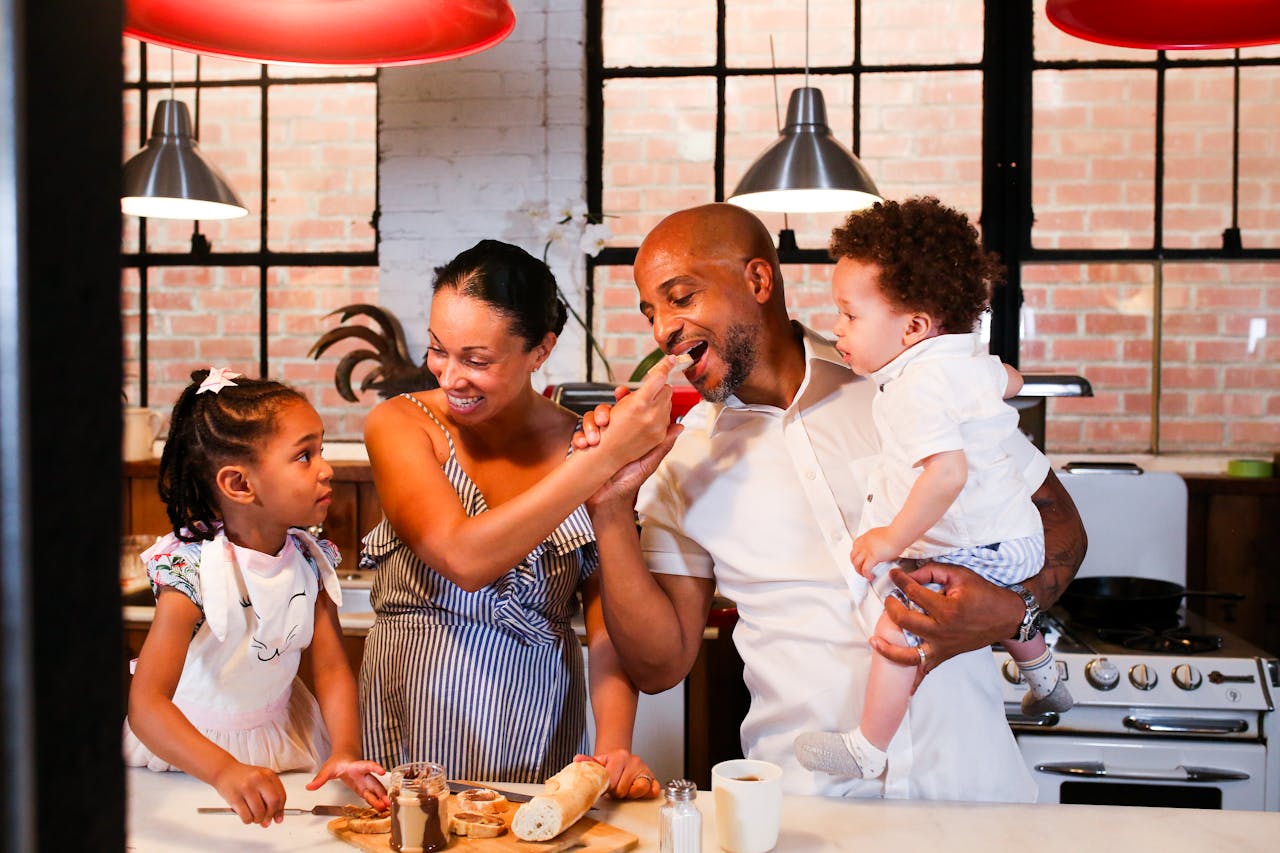
Routine gives structure to family life. It helps children feel secure, provides predictability, and sets healthy expectations. But when routines become too rigid, when every moment of the day is planned to perfection, they can start to stifle spontaneity and creativity. Allowing a little flexibility isn’t a sign of disorganization; it’s a way to nurture emotional intelligence, independence, and family connection. Modern parenting often prioritizes productivity over presence, yet sometimes, the best memories are born when plans fall away.
When Structure Turns Into Pressure

A routine helps children thrive, but too much rigidity can lead to unnecessary stress for both parents and kids. Striking a balance between order and flexibility is key to raising adaptable, confident children who can handle change with grace.
The Benefits of Routine and Its Limits
Developmental psychologists emphasize that consistent routines help children develop a sense of stability and self-discipline. Predictable schedules regulate sleep, improve emotional regulation, and enhance learning. However, experts like Dr. Laura Markham note that when routines become overly strict, they can cause anxiety and limit creativity. Children need predictability, but they also need opportunities to explore, make mistakes, and adapt. Balance, not rigidity, is the goal.
When Over-Scheduling Backfires
Parents today often feel pressure to fill every moment of their child’s life with structured activities. Music lessons, sports practices, and enrichment classes can provide valuable experiences, but when downtime disappears, burnout follows. Research from the University of Toronto found that children who are overscheduled report higher stress and less enjoyment. The absence of unstructured play deprives them of self-discovery and imagination, essential components of healthy development.
The Mental Toll on Parents
Rigid routines don’t just affect children; they exhaust parents. Striving to maintain a “perfect” schedule can lead to guilt when plans inevitably go off track. Experts in family psychology warn that inflexible expectations create tension, frustration, and burnout. Allowing flexibility, like spontaneous family outings or lazy Sundays, can restore emotional balance and remind parents that connection matters more than control.
Flexibility Builds Emotional Resilience
Life rarely goes according to plan, and children who experience flexibility early on learn how to adapt. Letting go of strict routines doesn’t mean chaos, it means teaching emotional agility, patience, and creativity.
Teaching Adaptability Through Small Changes
Simple shifts, like adjusting bedtime for a family event or skipping a planned activity for rest, can teach valuable lessons in flexibility. According to child development experts, adaptability is a key predictor of emotional resilience. Kids who learn to navigate change without fear develop stronger coping skills and problem-solving abilities. When parents model flexibility, they show children that life’s disruptions aren’t crises but opportunities to adjust and grow.
Encouraging Spontaneous Play and Creativity
Unstructured time allows children to tap into their creativity and imagination. Psychologist Peter Gray’s research on play emphasizes that boredom can be a gateway to innovation. When schedules are packed, children rarely experience the freedom to invent their own fun. Allowing spontaneous play, building a fort, drawing freely, or exploring outdoors, helps kids build independence, curiosity, and self-expression.
Finding Growth in Imperfection
Flexibility helps families embrace imperfection. When routines are too strict, small deviations, like a messy room or a missed homework deadline, can feel catastrophic. But parents who respond calmly to change teach children that mistakes are part of learning. This mindset fosters self-compassion and perseverance. Learning to bend rather than break in the face of challenges creates a household that values progress over perfection.
Reclaiming Connection and Joy

When families release the grip of rigid schedules, they rediscover connection, joy, and presence. Flexibility creates space for laughter, spontaneity, and shared memories, the kind that make childhood feel warm and meaningful.
Making Room for Unplanned Moments
Some of the most treasured childhood experiences are the unplanned ones, an impromptu ice cream stop, a late-night movie, or a walk under the stars. Research in family sociology shows that shared experiences, not scheduled routines, are what strengthen family bonds. Allowing room for spontaneity brings a sense of adventure back into family life and reminds children that joy doesn’t always have to be planned.
Listening to What Kids Need
Children’s needs shift from day to day. Some evenings call for structure, others for rest or play. Parents who tune in to their children’s emotional states rather than adhering rigidly to routine create a home where kids feel seen and understood. This responsiveness, what psychologists call “attunement”, is key to building secure attachments and emotional trust.
Letting Go Without Losing Stability
Flexibility doesn’t mean abandoning structure altogether. Instead, it’s about finding a rhythm that works for your family. Experts recommend “anchoring” routines, like consistent meal and bedtime rituals, while leaving flexibility in between. This hybrid model gives children both the security of structure and the freedom to explore. Parents who practice this balance cultivate resilience, creativity, and stronger family harmony.
When Families Learn to Breathe Again
Letting go of rigid routines isn’t about losing discipline, it’s about gaining perspective. Life’s most meaningful lessons often happen between the lines of our schedules. A little flexibility allows families to breathe, connect, and rediscover joy in the everyday. Children raised in adaptable homes learn to face uncertainty with confidence and optimism. When parents stop chasing perfection and start embracing presence, the family dynamic transforms. Dinner becomes less about punctuality and more about conversation. Bedtime becomes less about control and more about connection. The routine doesn’t disappear, it becomes a living rhythm that grows with the family, flexible enough to hold both structure and spontaneity.