
Parenting has never been static, but the pace of change today makes adaptability more crucial than ever. From technology to social expectations, the world children grow up in looks nothing like that of their parents. To guide effectively, parents must grow too, revising old beliefs, embracing new tools, and listening with openness. Evolution in parenting isn’t about abandoning tradition, it’s about balancing timeless values with modern understanding.
The Changing Landscape of Childhood
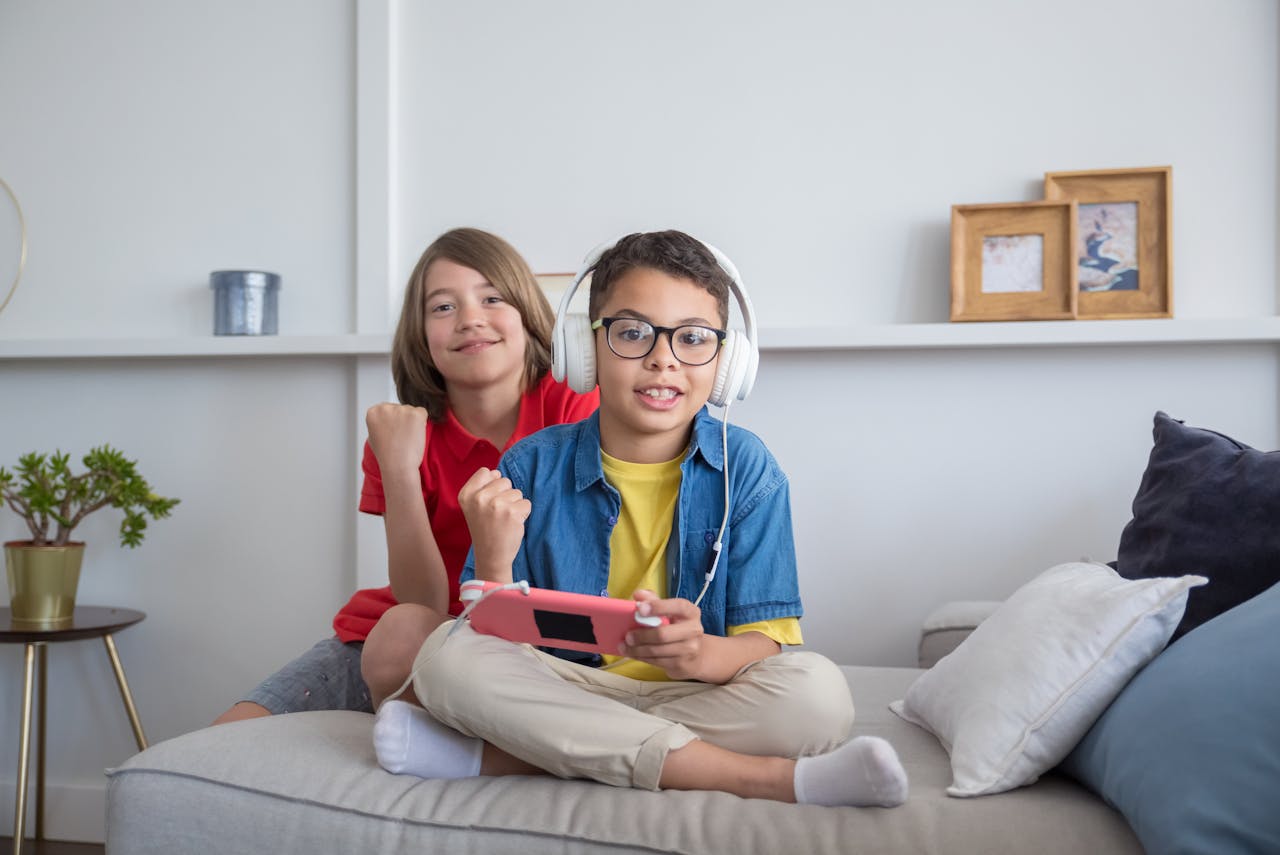
Today’s children are digital natives, navigating a world that moves faster and connects differently than ever before. Parents who fail to evolve risk misunderstanding or alienating their kids. But those who adapt, by learning, listening, and rethinking old habits, build trust that lasts through every stage of growth.
Understanding Modern Challenges
Modern kids face pressures from social media, academic competition, and information overload. Parents who stay informed can guide with empathy rather than judgment. Instead of dismissing new challenges, they help children navigate them with perspective and wisdom.
Technology is not the enemy, it’s a tool that requires balance. Parents who evolve learn to use it responsibly, engaging in conversations about privacy, safety, and screen time. By co-navigating the digital world with their children, they foster responsibility and mutual trust.
Adapting Old Rules to New Realities
The lessons parents learned in their youth don’t always apply directly to modern life. Updating family rules, like curfews, communication, and privacy, ensures they stay relevant. Flexibility doesn’t mean weakness; it shows awareness and growth.
Nurturing Open-Mindedness and Emotional Awareness
As society becomes more diverse and inclusive, parenting must also expand to honor empathy and acceptance. Parents who evolve emotionally teach their children to think critically, listen respectfully, and value different perspectives.
Listening Before Leading
Effective parenting today involves as much listening as teaching. When parents truly hear their children’s feelings and viewpoints, they cultivate emotional intelligence on both sides. Listening builds bridges that lectures never can.
Children learn tolerance and compassion by observing it. When parents evolve their thinking, about gender, culture, or social change, they show that love adapts with time. This openness strengthens family unity and prepares kids to live in a complex, connected world.
Balancing Tradition with Progress
While evolution is vital, traditions still ground families. The key lies in balance, keeping rituals and moral values alive while making space for modern realities. Parents who achieve this balance give their children both roots and wings.
Preparing Kids for a Future We Can’t Predict

The world our children will inherit is uncertain, shaped by rapid technological, social, and environmental change. Parents who evolve prepare their kids not for a fixed path but for a lifetime of learning and adaptation.
Encouraging Lifelong Learning
Children who see their parents learning new things, whether using new apps or exploring new ideas, internalize that learning never stops. This mindset gives them the resilience to thrive in an unpredictable future.
In an era of misinformation, critical thinking is more vital than ever. Parents who encourage questioning, dialogue, and independent thought raise children who can discern truth and act responsibly in a noisy world.
Supporting Emotional Agility
Evolving parents teach emotional flexibility, the ability to recover and adapt when life changes. This resilience helps children manage stress, face failure, and embrace change as a natural part of growth.
Growth Is the Greatest Gift Parents Can Give
Parenting that evolves with the times doesn’t lose its foundation, it strengthens it. By staying curious, adaptable, and compassionate, parents ensure their guidance stays relevant and loving. The greatest lesson they can model is that growth never stops, at any age.