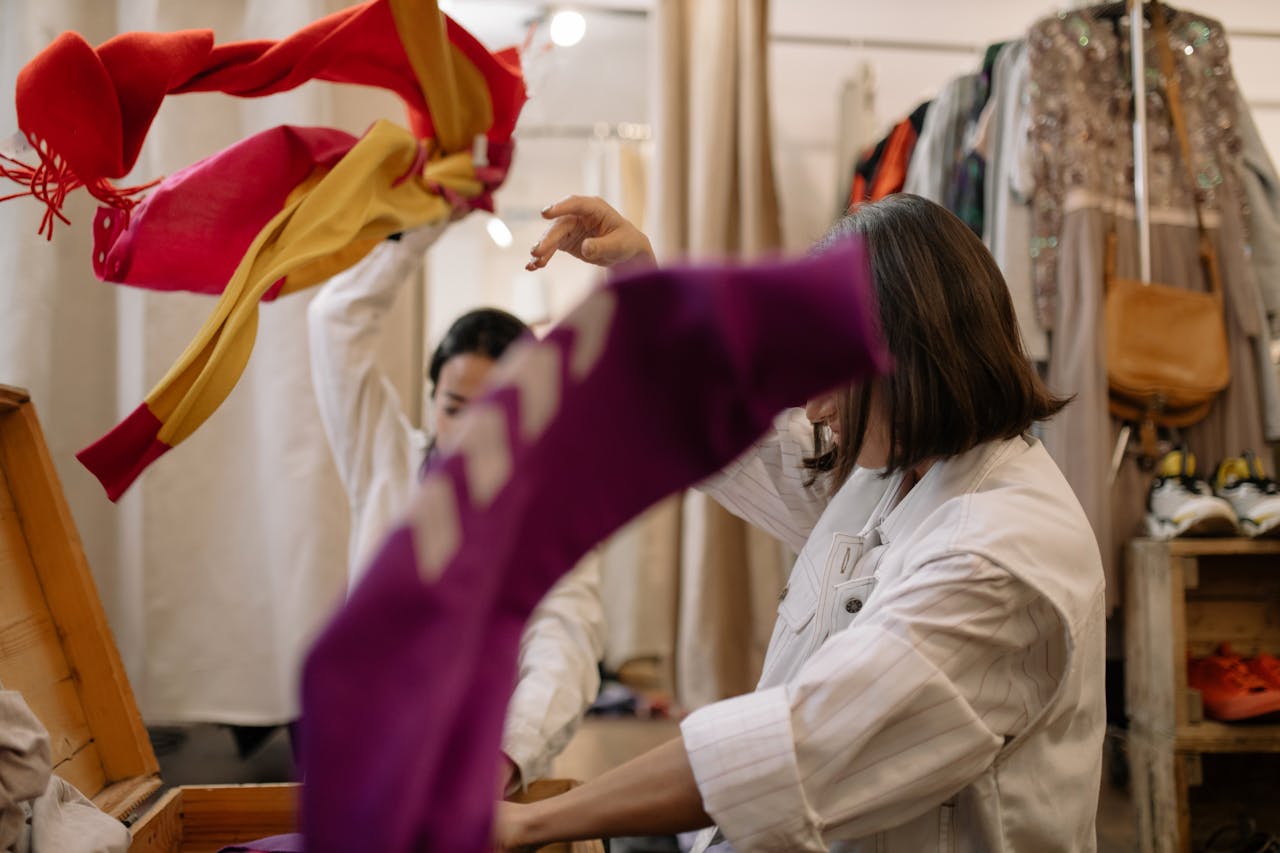
In today’s fast-paced world filled with digital distractions and busy routines, one of the most valuable relationships children can have is with their grandparents. This connection bridges generations and gives children a sense of belonging that can’t be found anywhere else. Time spent with grandparents helps kids develop emotional intelligence, patience, and a deeper understanding of family history and cultural heritage.
Bridging Generations Through Connection
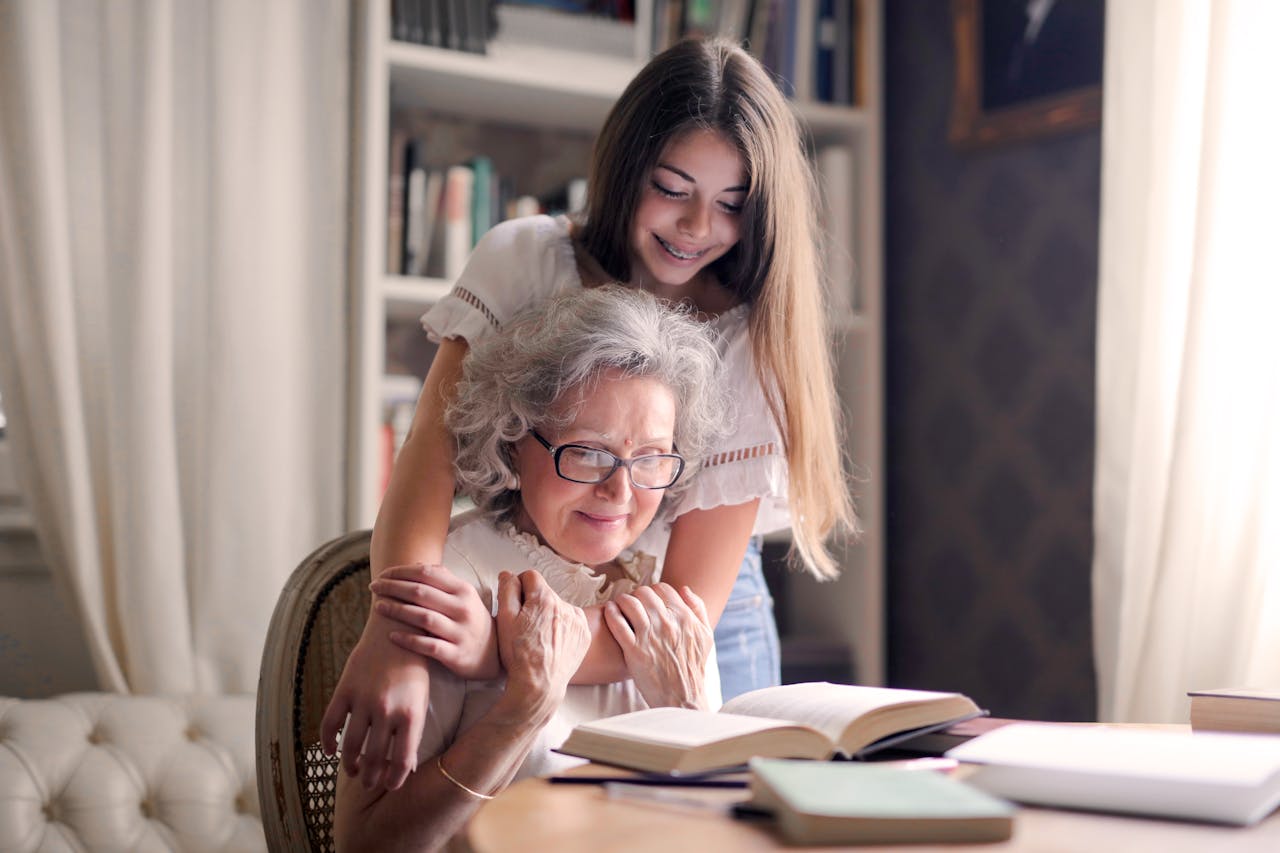
As modern life becomes more fragmented and families often live farther apart, grandparents play an increasingly important role in keeping the family bond alive. Their presence connects children to their roots and offers a living link to the past. These cross-generational relationships enrich children’s emotional world and help preserve family identity through storytelling, traditions, and shared experiences.
Passing Down Family History and Heritage
Grandparents are natural historians, carrying memories and experiences that can’t be found in textbooks. By sharing their stories, they teach children resilience, gratitude, and an appreciation for how far the family has come. Research has shown that kids who know their family stories tend to have higher self-esteem and stronger coping skills. These conversations foster emotional continuity and strengthen a child’s sense of belonging.
Creating Unforgettable Traditions
Many of a family’s most cherished traditions are passed down through grandparents. Whether it’s cooking a special meal, celebrating holidays in a certain way, or telling bedtime stories, these rituals give structure and meaning to family life. For children, these routines become emotional anchors that build stability, trust, and lasting memories. They teach that love is found in the consistency of small, meaningful moments.
Encouraging Cross-Generational Understanding
When children spend time with their grandparents, they learn to appreciate different ways of living and thinking. They gain perspective on patience, hard work, and gratitude through quiet observation. Grandparents, in turn, find renewed purpose and joy through their grandchildren’s energy and curiosity. This exchange creates mutual respect and empathy, reminding both generations that each has something valuable to offer.
Emotional and Developmental Benefits
Beyond love and laughter, the bond between grandparents and grandchildren has measurable effects on emotional and psychological well-being. Studies show that children who have close relationships with their grandparents experience fewer behavioral issues and stronger emotional resilience. Grandparents often serve as steady, patient guides, offering lessons about life that come from experience rather than theory.
Building Emotional Resilience
Grandparents provide stability during times of uncertainty. Their calm, steady presence teaches children how to manage stress and view setbacks as part of life. By modeling patience and perspective, they show that problems can be overcome with time and effort. This quiet guidance helps children build confidence in their ability to handle life’s challenges.
Offering a Safe Haven of Unconditional Love
Grandparents often represent a unique kind of love, one free of judgment or pressure. Their homes become places where children can simply be themselves, surrounded by warmth and acceptance. This unconditional love strengthens a child’s emotional security, helping them develop trust and self-worth. In a world that often values performance, grandparents remind kids that they are loved just for being who they are.
Enhancing Cognitive and Social Skills
Time with grandparents also benefits cognitive and social development. Storytelling improves language skills and imagination, while shared activities like cooking or gardening promote problem-solving and teamwork. Through conversations, children learn manners, patience, and gratitude, gaining practical social skills that extend beyond family life.
A Legacy That Shapes the Future
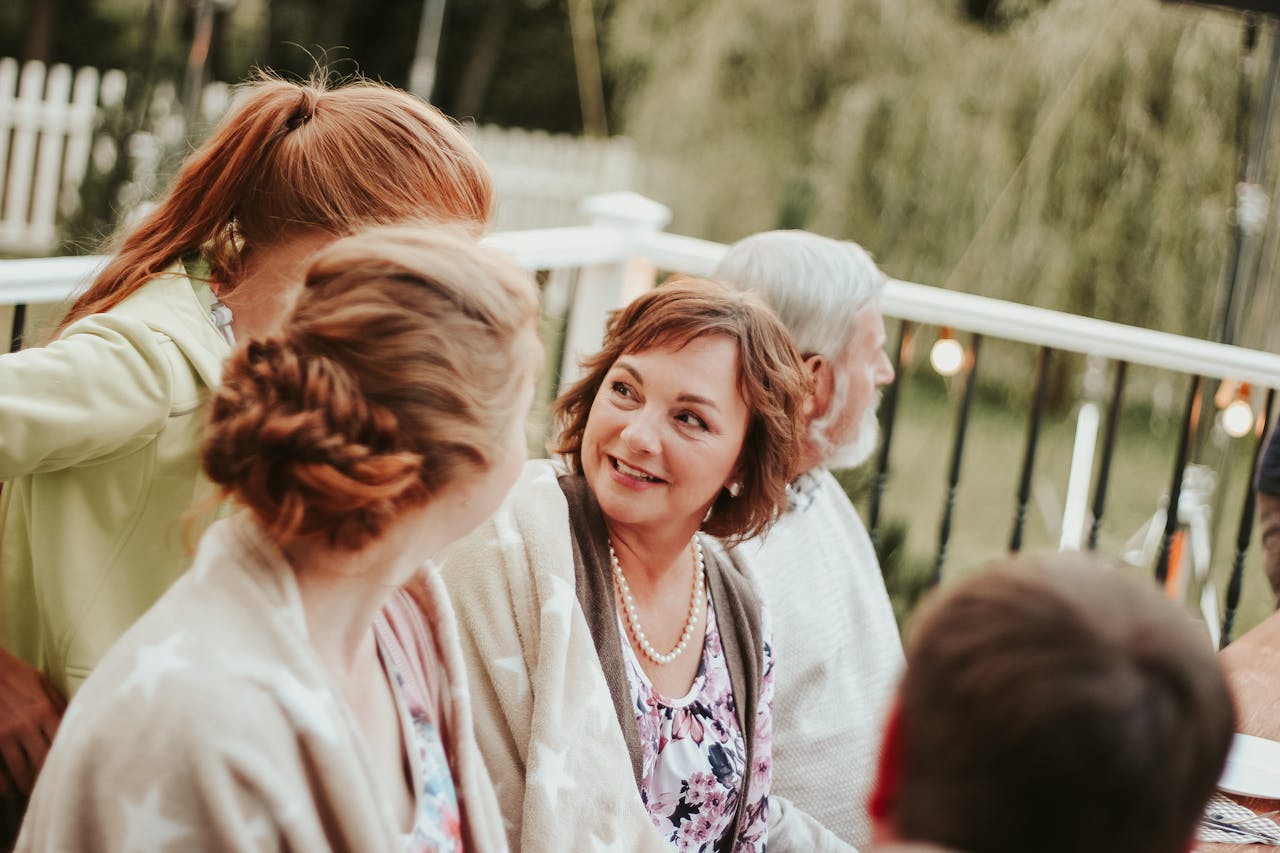
The impact of grandparents extends far beyond the present moment. They shape how children will one day approach family, relationships, and community. The lessons passed down through generations form a lasting legacy that influences how young people see the world and their place in it.
Instilling Core Values and Life Lessons
Grandparents often teach through example rather than instruction. Their approach to life, whether it’s handling finances wisely, respecting others, or finding joy in simple things, imparts lifelong lessons. Children absorb these values through observation, shaping their moral compass and guiding them as they grow into adults.
Encouraging Intergenerational Respect
By spending time with their elders, children learn to value age and experience rather than dismiss it. They develop empathy and understanding for the challenges that come with growing older. This respect for elders fosters compassion and helps preserve a sense of community, reminding children that wisdom often comes from those who’ve lived the longest.
Preserving Emotional and Cultural Continuity
Each family carries its own customs, recipes, and sayings that form part of its cultural DNA. Grandparents ensure these traditions endure, giving children a sense of connection to their ancestry. Participating in these rituals strengthens identity and reinforces the idea that they are part of something greater, a family that spans time and generations.
The Circle of Family Wisdom
The bond between grandparents and grandchildren is one of life’s most profound relationships. It teaches love without expectation, patience without pressure, and wisdom without words. As families grow and generations shift, this bond reminds us that the truest forms of education and love don’t always happen in classrooms, they happen across a kitchen table, through stories shared, and laughter remembered.