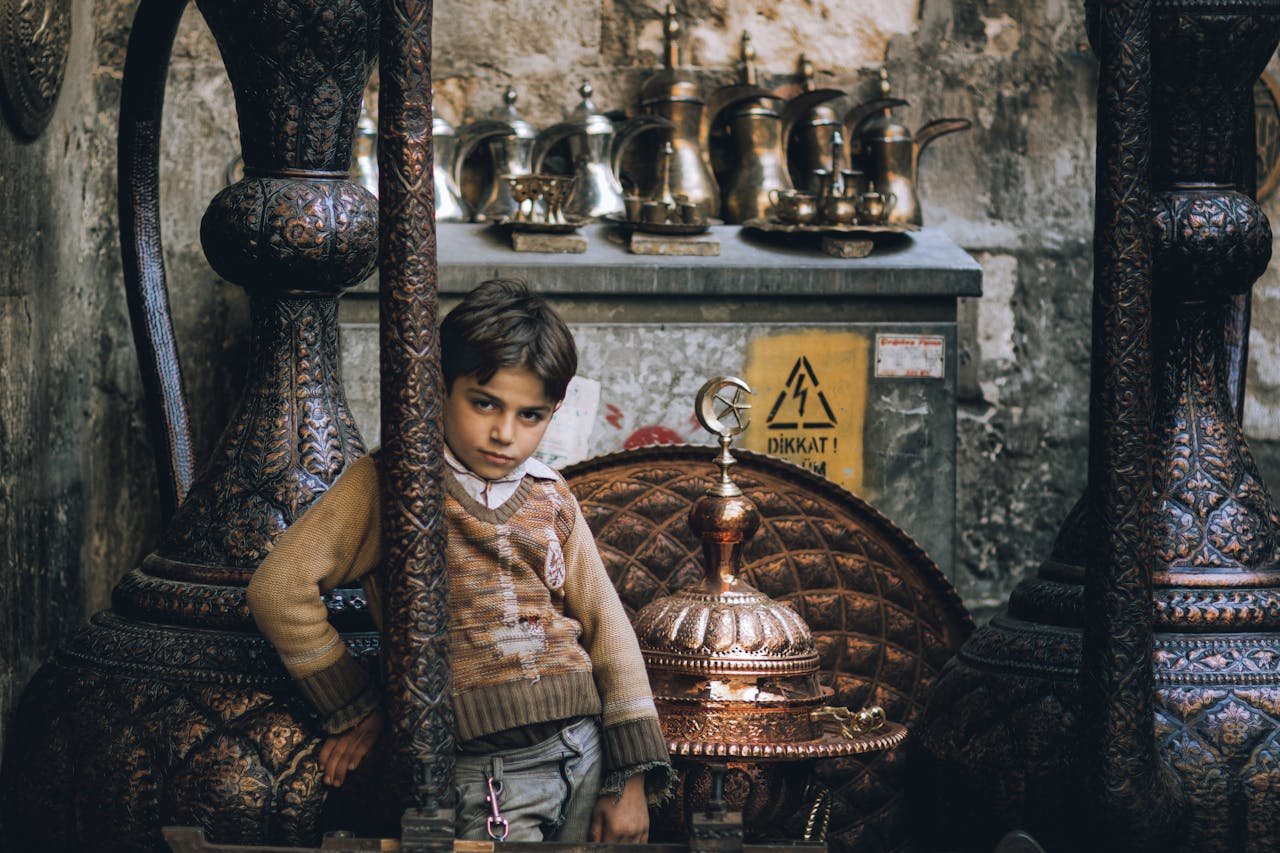
History often feels like something distant, tucked away in textbooks or ancient monuments. But for children, local history is where the past feels most alive, it’s in the buildings they pass every day, the stories of their own neighborhoods, and the traditions woven into community life. When kids explore local history, they not only gain knowledge but also build a deeper sense of identity, empathy, and civic responsibility.
Building a Strong Sense of Identity
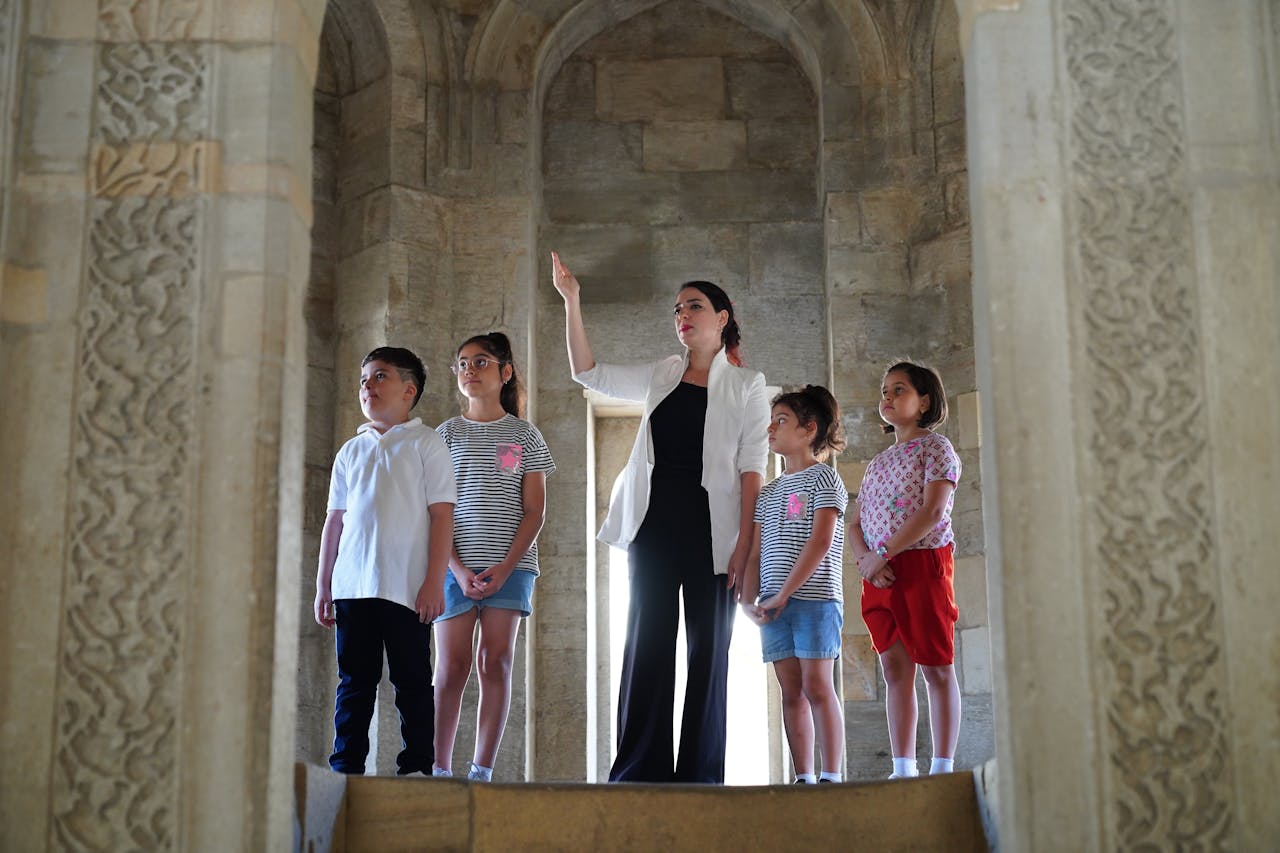
Local history grounds children in a story larger than themselves. It gives them an understanding of where their families and communities come from, creating a foundation for self-awareness. Unlike global or national history, which can feel abstract, local history connects the past to everyday surroundings.
Children who learn about the people and events that shaped their towns feel more anchored in their own identities. For instance, visiting a local museum or talking to grandparents about community traditions ties abstract historical concepts to real family experiences. These connections foster pride, belonging, and a sense of continuity across generations.
Learning Through Tangible Landmarks
Exploring landmarks, like old courthouses, train stations, or preserved battlefields, makes history tactile and memorable. Unlike textbooks, which can sometimes reduce history to dates and facts, physical spaces allow kids to experience the past in a sensory way. Walking where historical figures walked or seeing artifacts firsthand helps them internalize lessons more deeply.
Understanding Diverse Perspectives
Local history often reveals overlooked voices, including stories of immigrants, laborers, or indigenous groups who shaped communities. By learning about these narratives, children gain empathy and perspective. They begin to see history as inclusive and multifaceted rather than dominated by a single story.
Encouraging Critical Thinking and Curiosity
Exploring local history encourages kids to ask questions, analyze information, and draw connections between past and present. These skills not only benefit their academic growth but also prepare them to think critically about current events.
Asking the Right Questions
Local history often starts with small curiosities: “Why is this street named that?” or “What did this building used to be?” By answering these questions, children practice inquiry-based learning. They discover that history isn’t static, it’s an ongoing conversation shaped by research and discovery.
When kids explore how past decisions shaped current realities, such as zoning laws, public parks, or schools, they begin to understand the long-term impact of history. This awareness fosters civic responsibility, teaching them that today’s actions will shape the communities of tomorrow.
Practicing Media Literacy
Researching local history teaches children to evaluate sources, compare perspectives, and verify facts. Whether they’re reading old newspaper clippings or listening to oral histories, they learn that narratives can be biased. These lessons equip them with the tools to approach modern media critically and thoughtfully.
Inspiring Civic Engagement and Responsibility
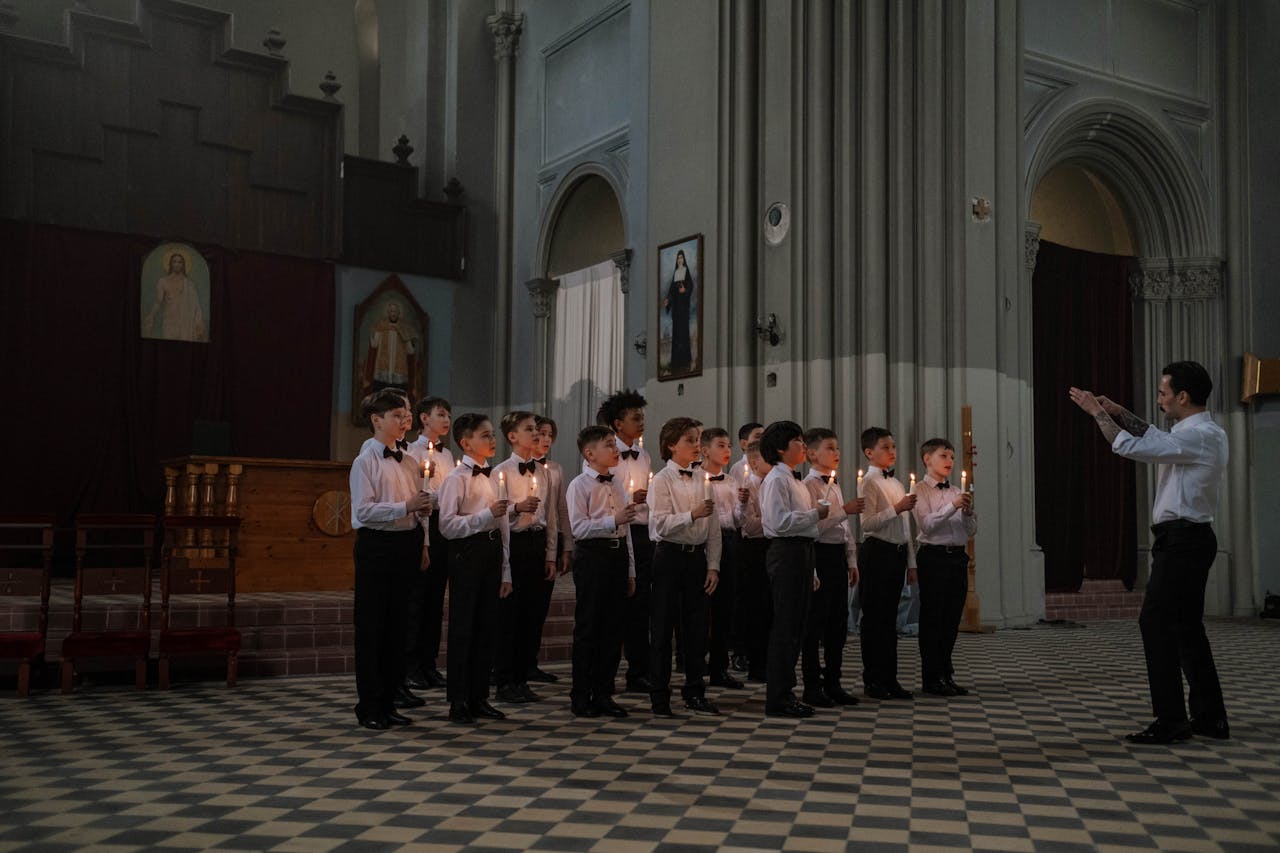
Local history makes children more engaged citizens. When they see how ordinary people shaped their communities, they’re inspired to participate in civic life and carry forward traditions of service and leadership.
Festivals, parades, and cultural practices tied to local history help kids appreciate the richness of community life. By participating in these events, they not only celebrate heritage but also understand the importance of preserving it for future generations.
Learning from Local Role Models
Every town has unsung heroes, teachers, activists, or entrepreneurs, whose stories often go untold. Learning about these role models inspires kids to believe that they too can make an impact. It shifts history from being about distant leaders to being about ordinary people creating change.
Building Civic Pride and Duty
When kids feel invested in the history of their neighborhoods, they’re more likely to care for public spaces, participate in community service, and engage in civic duties. This sense of responsibility nurtures not just informed citizens, but also compassionate and proactive ones.
Carrying History Forward
Exploring local history isn’t just about looking back, it’s about shaping the future. By grounding kids in identity, sparking curiosity, and inspiring responsibility, it equips them with the wisdom to build stronger communities. In a time when global events often feel overwhelming, local history provides children with a tangible reminder that change starts close to home.