In every generation, families face moments of transition, moving homes, changing jobs, evolving technology, or shifting social norms. While change often brings uncertainty, it also offers growth, adaptability, and resilience. Families that learn to navigate transitions together develop stronger bonds, improved problem-solving skills, and greater emotional intelligence. Embracing change doesn’t mean avoiding discomfort, it means finding stability within it.
Building Resilience Through Change

Change challenges families to grow stronger, not just to survive it but to thrive within it. It requires patience, teamwork, and open communication—skills that become invaluable in life’s unpredictable journey. Families who adapt well to change are better prepared to face future difficulties with confidence and unity.
Developing Emotional Adaptability
Emotional adaptability allows family members to manage feelings of anxiety, frustration, or fear when faced with new circumstances. Parents who model calmness and acceptance during transitions teach children that emotions are manageable and temporary. Studies in developmental psychology show that children raised in adaptive households tend to exhibit higher emotional intelligence and stronger coping mechanisms as adults. This emotional flexibility becomes a life skill that strengthens both personal and family well-being.
Creating a Problem-Solving Mindset
When families face change, whether it’s financial shifts, new schools, or health challenges, they are presented with opportunities to collaborate and problem-solve. By approaching challenges collectively, parents can teach children critical thinking and decision-making in real time. For instance, involving kids in discussions about family adjustments helps them feel heard and valued. Over time, this cultivates a sense of shared responsibility, which builds confidence and maturity.
Strengthening Family Communication
Open communication is the foundation of adapting to change. Families that talk through concerns, hopes, and plans are less likely to experience conflict or misunderstanding during transitions. Establishing family meetings or open discussions allows everyone, from the youngest child to the eldest parent, to express their perspectives. This inclusion fosters empathy and understanding, making change a shared journey instead of a solitary struggle.
Embracing Growth and New Opportunities
Change often introduces new environments, people, and possibilities. Families that see transitions as growth opportunities rather than disruptions cultivate a mindset of lifelong learning. Adaptable families thrive in the modern world, where careers evolve quickly and cultural shifts redefine norms.
Teaching Lifelong Flexibility
In a rapidly evolving world, flexibility has become one of the most essential life skills. Parents who model adaptability, whether by learning new technologies or adjusting to career shifts, demonstrate that growth never stops. Research from the American Psychological Association shows that children who see flexibility at home are more optimistic and better equipped to handle school and peer changes. Flexibility isn’t just about reacting, it’s about evolving with purpose.
Encouraging Exploration and Creativity
Change often sparks creativity. Moving to a new environment or adopting new routines can inspire fresh ideas and perspectives. Families can embrace this by encouraging exploration, whether through travel, new hobbies, or cultural experiences. Exposure to novelty helps children develop curiosity and open-mindedness, traits that support innovation and empathy in adulthood. This willingness to explore becomes a shared adventure that strengthens family unity.
Letting Go of Perfectionism
One of the hardest but most liberating lessons of embracing change is learning to let go of perfection. Families who accept imperfection and unpredictability find more joy in everyday life. When parents model acceptance of mistakes, they teach their children resilience and humility. This approach transforms setbacks into lessons and failures into opportunities for improvement.
Creating Stability Amid Change
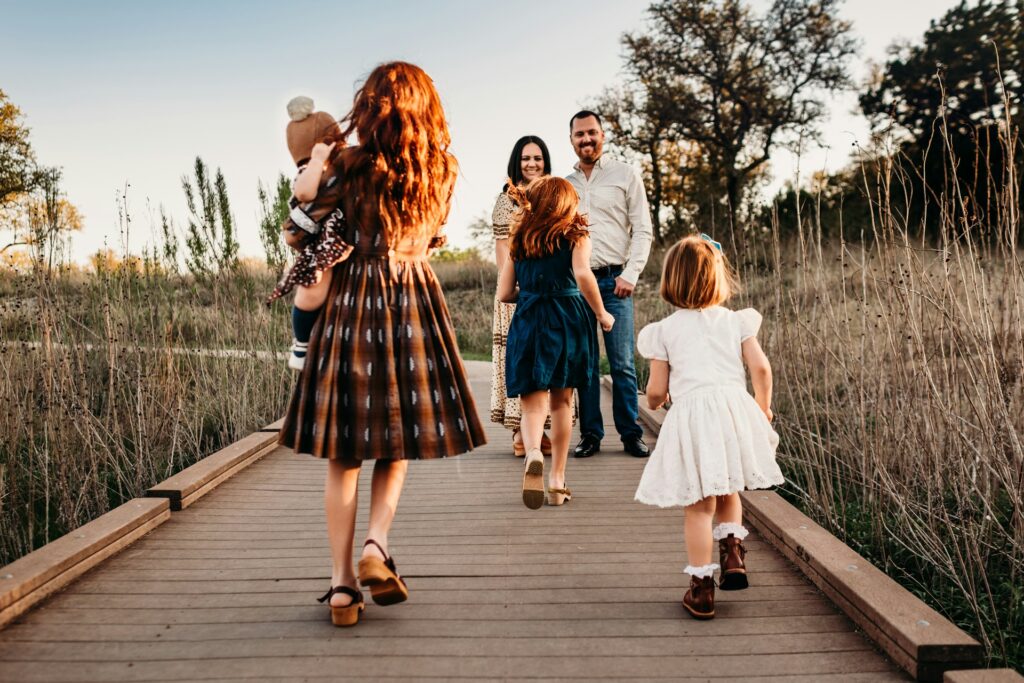
Even in times of transformation, maintaining emotional and relational stability is key. A family that balances consistency with adaptability can handle transitions without losing its sense of identity or security. It’s about having roots strong enough to hold while branches stretch toward new horizons.
Keeping Traditions Alive
Traditions anchor families through turbulent times. Whether it’s a weekly dinner, holiday celebration, or bedtime routine, these rituals provide comfort and continuity. Psychologists have found that family rituals promote emotional security and belonging, especially for children facing external change. Holding onto these small constants helps everyone remember who they are, even when everything around them shifts.
Prioritizing Mental Health
Embracing change also means acknowledging its emotional toll. Transitions can bring stress and anxiety, especially for children and teens. Prioritizing mental health through open dialogue, family counseling, or mindfulness practices can make a significant difference. Parents who take time to discuss feelings without judgment help children build self-awareness and emotional resilience during uncertain periods.
Supporting Each Other’s Growth
As each family member evolves, support becomes essential. Parents and children may grow in different directions, but mutual respect and encouragement create harmony within diversity. Recognizing that everyone’s growth path is unique allows families to remain connected even as they individually change. This support nurtures both independence and belonging, a balance vital for long-term family strength.
Moving Forward Together
Families that embrace change learn to adapt not only to circumstances but also to one another. They evolve as a unit, sometimes clumsily, sometimes gracefully, but always together. Embracing change strengthens family identity while preparing everyone for a future that is always in motion. Change will always test, but it will also always teach. And those who face it together, with patience and open hearts, will always emerge stronger.