Cooking is more than a way to put food on the table, it’s a life skill that can shape how children see themselves, their health, and their independence. Introducing kids to cooking early is not just about teaching recipes but about giving them tools to thrive in daily life. By starting young, they gain confidence, develop responsibility, and establish a healthier relationship with food that can last well into adulthood.
Cooking as a Tool for Confidence
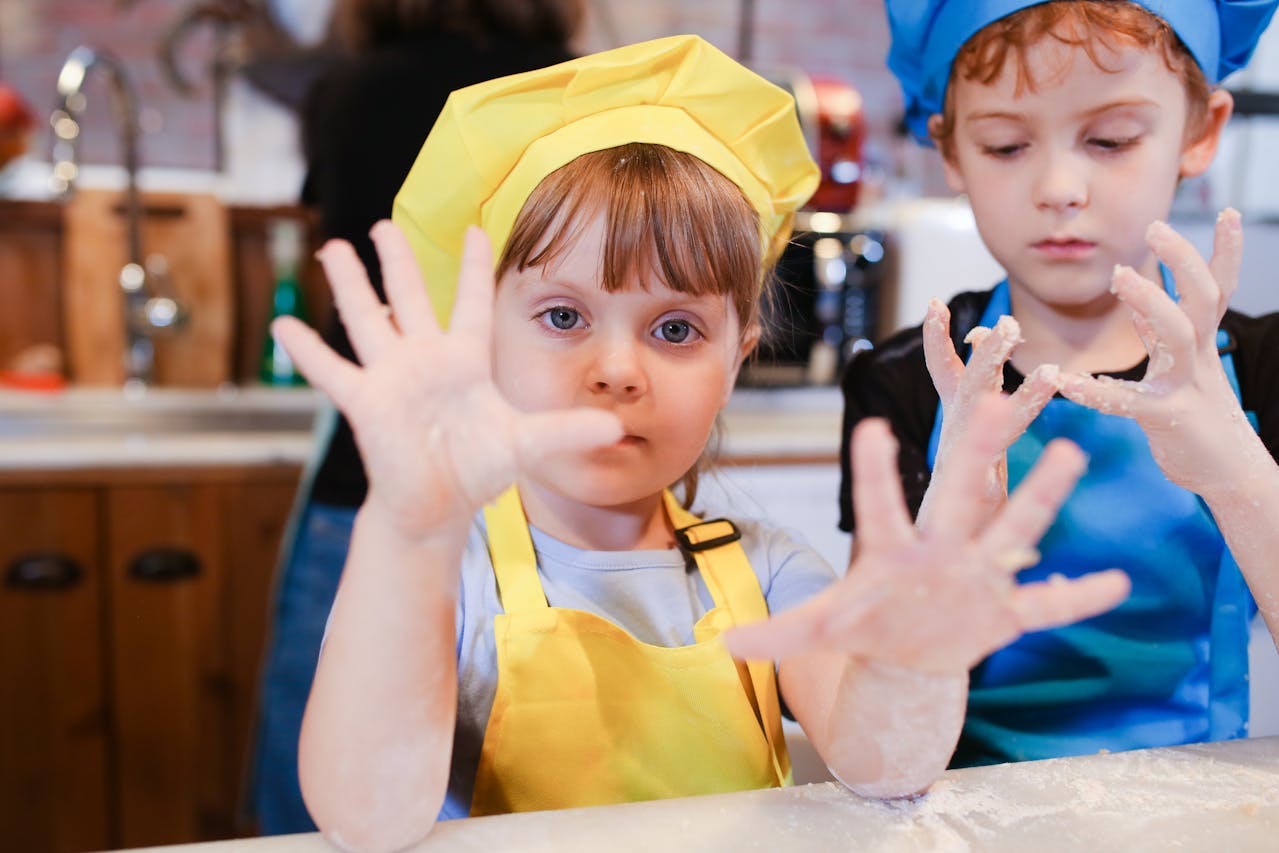
Cooking provides children with opportunities to feel capable and proud of their accomplishments. The process of measuring, mixing, and producing a meal fosters self-esteem and shows kids they are capable of meaningful contributions.
Accomplishment Through Small Wins
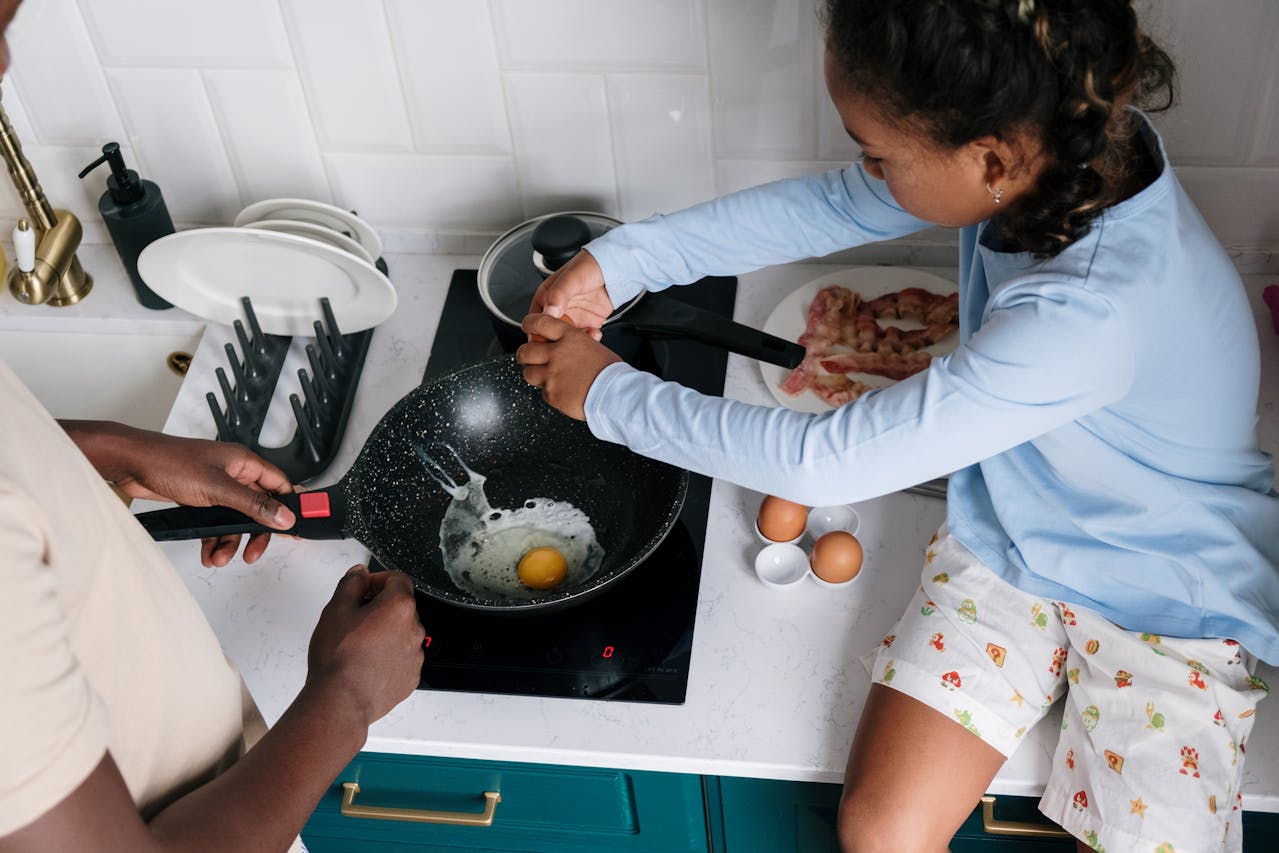
When a child stirs pancake batter or successfully cracks an egg, it gives them a tangible sense of achievement. These small victories build up over time, instilling confidence in their abilities. Cooking offers constant feedback, they can taste, smell, and see their progress, allowing kids to recognize their efforts in real, rewarding ways.
Building Decision-Making Skills
Cooking requires making choices, from selecting ingredients to deciding how much seasoning to add. When children are allowed to make these small decisions, they learn to trust their judgment. Over time, this translates into stronger decision-making skills in other areas of life, as they learn the balance between experimentation and following structure.
Overcoming Mistakes with Resilience
Spills, burnt toast, or a dish that doesn’t turn out as planned all provide valuable lessons. Kids learn that mistakes are not failures but opportunities to adjust and try again. This resilience builds character and teaches them that challenges can be overcome with patience and persistence.
Cooking as a Pathway to Independence
Early exposure to cooking teaches children responsibility and equips them with essential life skills. By the time they grow older, they are not only able to prepare meals but also feel empowered to take care of themselves and others.
Learning Practical Life Skills
Cooking teaches children how to plan, prepare, and execute tasks, skills they will use daily as adults. From boiling pasta to baking bread, these basic tasks give them a foundation of self-sufficiency. Kids who cook early often feel more prepared when they leave home for college or move into their first apartment.
Encouraging Responsibility and Ownership
Giving kids tasks in the kitchen, such as setting the table or helping with meal prep, shows them the importance of shared responsibilities. When they prepare part of a meal, they take pride in feeding themselves and their families. This sense of ownership helps children recognize that they are capable of contributing in meaningful ways.
Developing Time Management Skills
Cooking involves timing, knowing when pasta is ready, or when cookies need to come out of the oven. Children quickly learn that being attentive and organized leads to better results. These time management lessons extend beyond the kitchen into schoolwork, chores, and eventually their careers.
Cooking for Lifelong Health
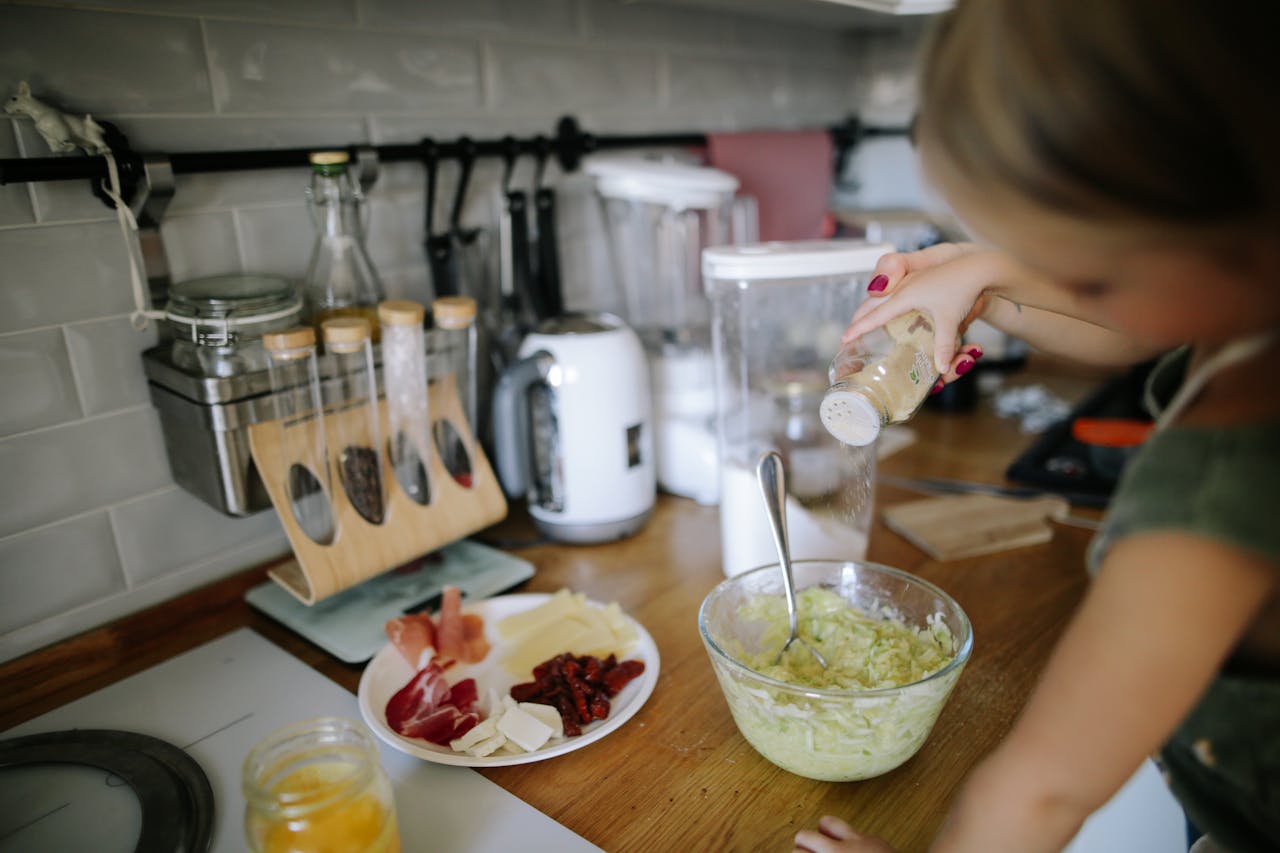
Involving kids in cooking helps them build healthier eating habits and a deeper understanding of nutrition. Instead of seeing food as just fuel, they learn about the value of balance, variety, and moderation.
Understanding Nutrition from the Start
When children help prepare meals, they learn about the food groups and what goes into a balanced plate. Discussing why vegetables, proteins, and whole grains are important encourages them to make healthier choices. Studies show that kids who cook at home are more likely to consume fruits and vegetables regularly.
Reducing Reliance on Processed Foods
Cooking from scratch teaches children the difference between whole foods and prepackaged meals. Kids who grow up cooking are less likely to rely on fast food or highly processed snacks later in life. They also learn to read labels, measure portions, and understand the impact of food choices on their well-being.
Building a Positive Relationship with Food
Cooking creates a natural curiosity about food and reduces picky eating tendencies. When kids are involved in preparing meals, they are more likely to try new flavors and textures. This fosters a healthier, more adventurous relationship with food, setting the stage for lifelong wellness.
Raising Capable and Confident Kids
Teaching children to cook is about far more than preparing dinner, it’s about preparing them for life. Confidence, independence, and healthy habits all grow from the simple act of including them in the kitchen. By turning cooking into an opportunity to learn, parents give their children a gift that will shape their future. Whether it’s the resilience to try again after a mistake, the pride of preparing a meal, or the wisdom to choose nutritious foods, these lessons remain long after childhood.