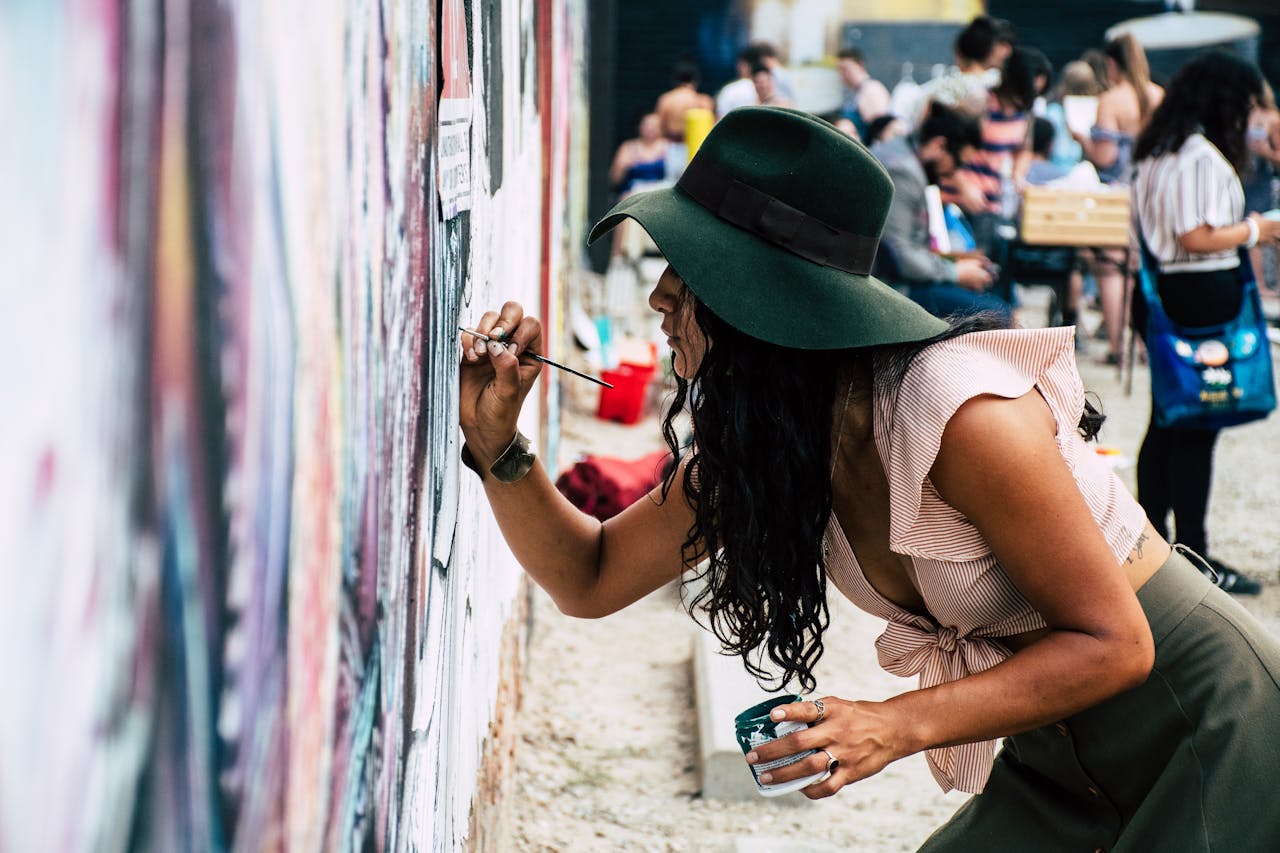
In an era ruled by algorithms and instant gratification, Gen Z’s fascination with analog hobbies seems almost paradoxical. Yet, from film photography to vinyl records and journaling, young people are rediscovering the beauty of slow, tactile experiences. This cultural revival speaks to a deeper yearning, for authenticity, presence, and a break from the digital noise that defines modern life.
The Appeal of Slow and Tangible Creativity
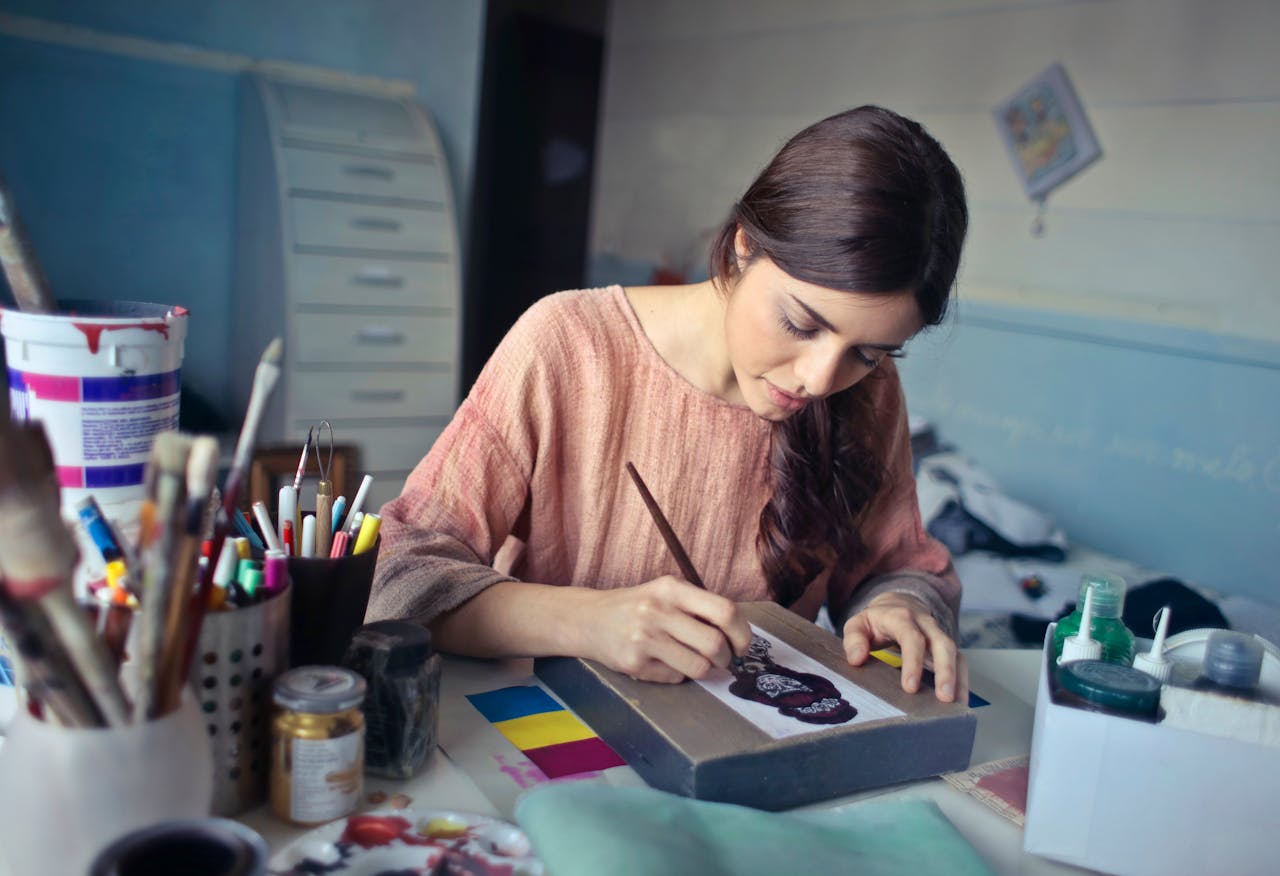
The analog renaissance isn’t about rejecting technology but balancing it. Gen Z, raised on screens, has realized that digital convenience often comes at the cost of creativity and focus. Analog hobbies invite patience, imperfection, and sensory engagement, all qualities missing from fast-scrolling digital experiences.
Escaping Digital Fatigue
Studies show that Gen Z spends an average of seven hours a day online, leading to increased rates of anxiety and burnout. Analog hobbies like painting, knitting, or gardening offer a counterbalance to this overstimulation. These activities require physical presence and a slower pace, helping young people reconnect with mindfulness and creativity. The sense of calm and accomplishment that comes from making something tangible is something no app can replicate.
Reclaiming Focus and Attention
In a world of fragmented attention, analog hobbies demand deep concentration. Writing by hand or developing film requires full engagement, skills that digital multitasking has eroded. This deliberate focus enhances cognitive control and patience, qualities vital in both personal and professional life. Many Gen Zers are finding that analog hobbies help retrain their brains for sustained attention in an increasingly distracted society.
The Allure of the Handmade
Handcrafted creations, be it pottery, zines, or embroidered patches, carry emotional weight that digital media lacks. Analog art holds imperfections, textures, and traces of the maker’s hand. This sense of individuality resonates deeply in a generation often frustrated by mass production and digital sameness. For many, analog work has become a quiet form of rebellion against digital conformity.
Nostalgia and Identity in the Modern Age
Ironically, many analog trends were born decades before Gen Z existed. Yet, nostalgia, fueled by media and aesthetics, has given new life to these old practices. For young people, analog culture is both a style and a statement.
The Rise of Retro Aesthetics
From Polaroid cameras to record players, vintage items have become cultural icons. Platforms like TikTok have popularized aesthetics such as “cottagecore” and “retro minimalism,” both rooted in simpler, analog lifestyles. But beyond aesthetics, this revival reflects a longing for slower times, when communication and creativity were more personal and less performative.
Tangibility as Emotional Connection
Unlike digital media, analog items hold physical presence. A handwritten letter or photo album carries emotional texture, a tangible reminder of memory and intention. Psychologists suggest that tactile engagement with hobbies can improve emotional grounding and reduce stress. For Gen Z, who often lives online, these moments of physical connection offer rare emotional depth.
Resisting Digital Consumerism
Analog hobbies also represent resistance against the constant consumption cycle driven by digital platforms. Making something yourself, whether it’s a film print or a knitted scarf, replaces passive scrolling with purposeful creation. Many young people see this as reclaiming agency over how they spend their time and attention.
Building Community in Offline Spaces
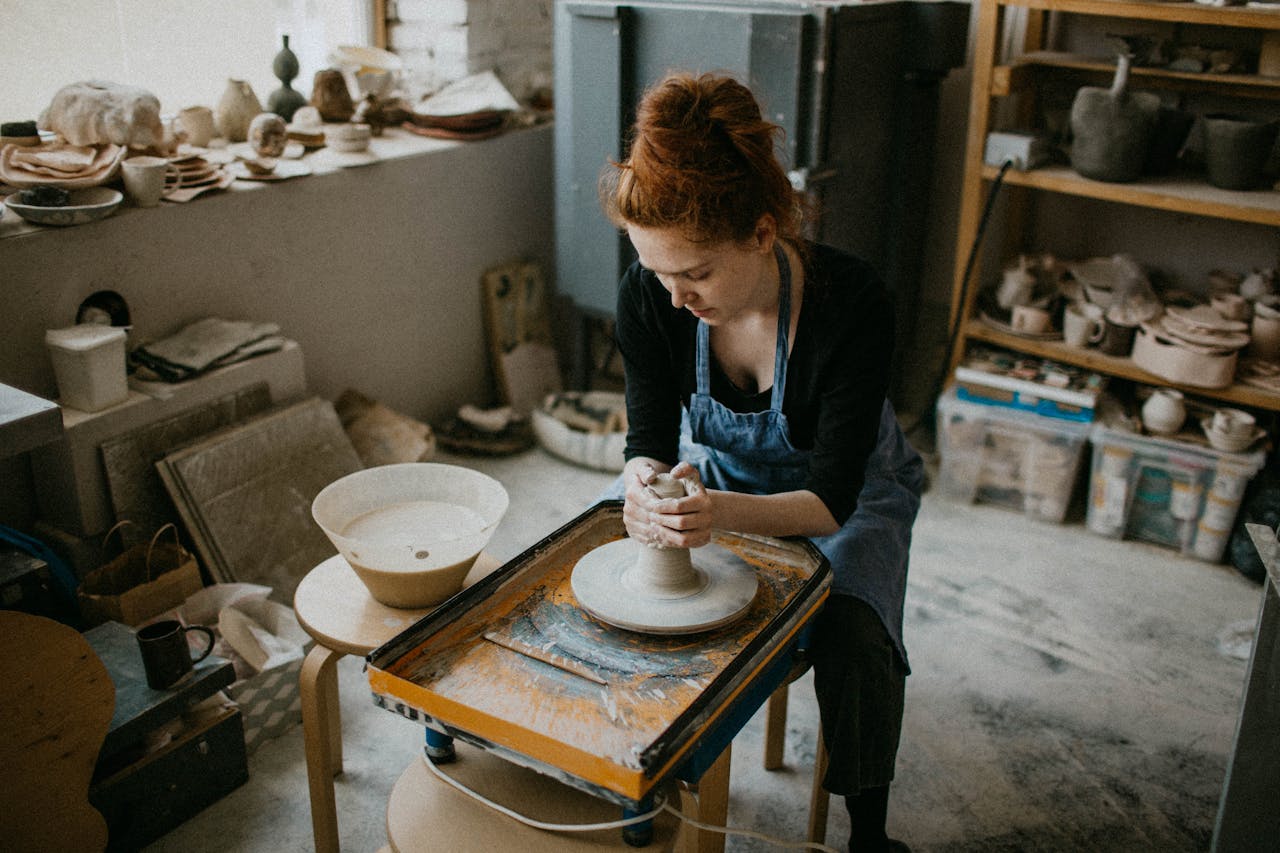
While technology connects people globally, it can also isolate individuals emotionally. Analog hobbies are helping Gen Z rediscover real-world connection and shared experiences.
The Return of Local Clubs and Craft Circles
Across cities, local art studios, vinyl shops, and writing circles are thriving again. These spaces offer human connection in an era dominated by online interactions. Participants find joy in learning together, exchanging tips, and celebrating tangible progress, an experience far richer than digital likes or views.
Sharing Craft, Not Content
Instead of creating for validation, analog hobbyists create for meaning. The process becomes the reward. In contrast to social media’s emphasis on metrics, these creative acts prioritize self-expression and authenticity. This shift represents a healthier relationship with creativity, one that values the act itself over external recognition.
Mindfulness and Well-Being
Engaging in hands-on creative work activates sensory pathways linked to relaxation and satisfaction. Research from Harvard Health notes that tactile creativity can lower cortisol levels and enhance mental well-being. As rates of digital anxiety rise among Gen Z, analog hobbies are emerging as a mental health remedy disguised as art.
A Generation Rediscovering Balance
Gen Z’s analog revival isn’t nostalgia, it’s self-preservation. These young creators are seeking meaning in slowness, authenticity, and connection. In an age of endless notifications, analog hobbies offer what screens cannot: stillness, craftsmanship, and community. By blending old-world creativity with modern awareness, Gen Z is teaching the rest of us that progress doesn’t always mean faster, it can mean deeper.