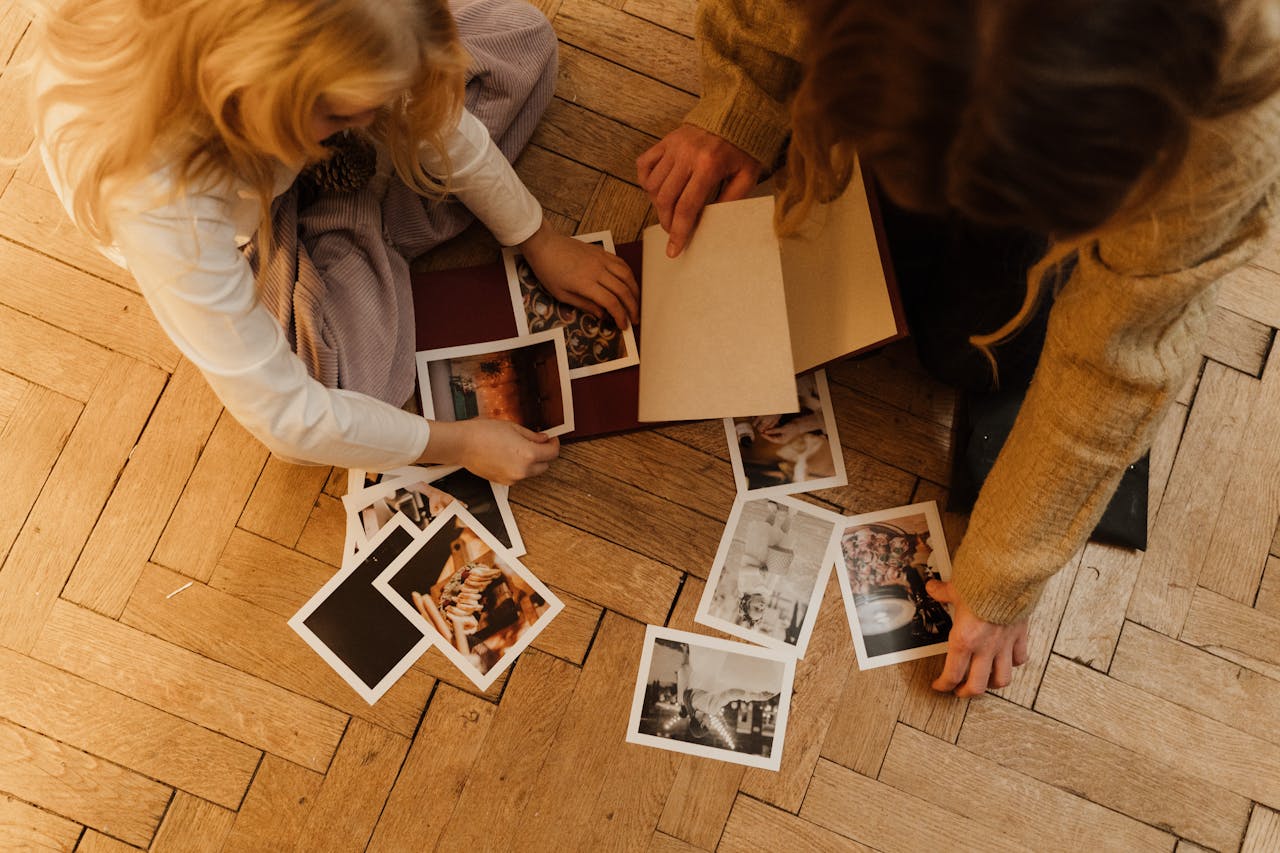
In an era of cloud storage and smartphones, the humble scrapbook might seem outdated, but it remains one of the most powerful tools for preserving family stories. Scrapbooking isn’t just an art form; it’s a conversation starter, a bridge between generations, and a tactile reminder that memory is meant to be held, not just stored. Creating one together can open doors to deeper communication and a greater sense of identity across families.
The Emotional Power of Memory Preservation
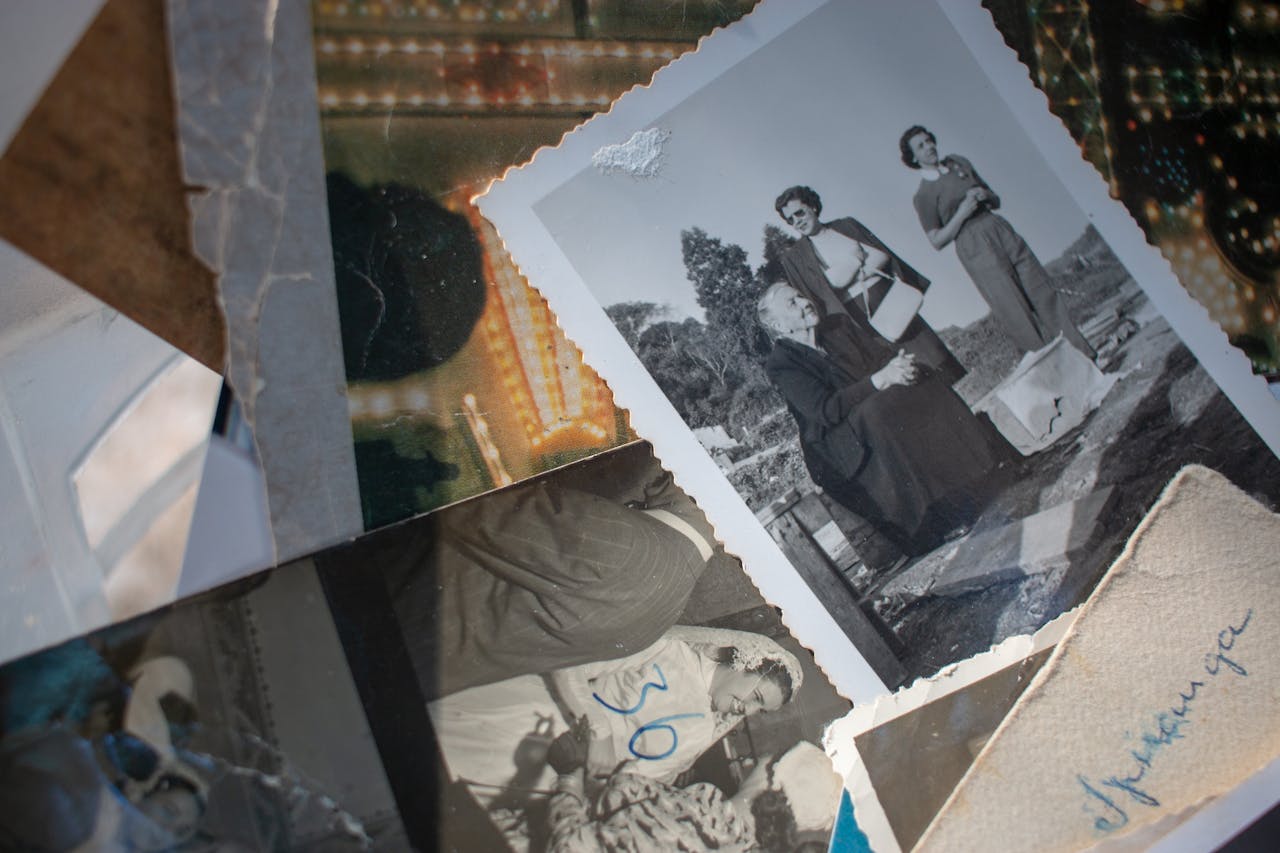
Family scrapbooks act as living time capsules, bringing stories to life through photos, letters, and personal keepsakes. They go beyond nostalgia, they strengthen emotional bonds and keep history vivid for future generations.
Tangible Memories in a Digital World
In a world of fleeting Instagram posts, physical scrapbooks offer permanence. Turning pages, touching textures, and reading handwritten notes create a sensory connection digital albums can’t replicate. Studies in family psychology suggest that tangible memory-keeping fosters stronger emotional recall, particularly in children. The act of crafting together also deepens family intimacy, transforming storytelling into a shared ritual.
Storytelling as Emotional Connection
Scrapbooking encourages storytelling, which is fundamental to human bonding. As grandparents and parents share the context behind old photos, children learn about resilience, migration, love stories, and family milestones. This storytelling helps younger generations understand not just what happened, but why it matters, building empathy and continuity within families. It transforms memory into dialogue rather than silent nostalgia.
Healing Through Shared Reflection
For many families, revisiting old memories can be therapeutic. Whether reflecting on a loss, a long-forgotten hardship, or joyful milestones, scrapbooking helps frame personal history with gratitude. Psychologists note that family storytelling contributes to better emotional regulation and self-esteem in children, because it helps them locate themselves within a larger narrative of endurance and love.
Bridging Generational Gaps
Scrapbooking isn’t just about looking back, it’s about connecting people who grew up in different worlds. It gives each generation a voice, creating space for exchange and understanding.
Learning Through Shared Creation
When children help their elders compile albums, they develop curiosity and respect for the past. Asking questions like “Who is this?” or “Where was this taken?” transforms passive viewing into active learning. Meanwhile, older relatives gain joy and validation as they see their experiences valued. This intergenerational collaboration fosters communication that might not happen in everyday routines.
Passing Down Cultural Traditions
Family scrapbooks often include recipes, festival photos, and artifacts that document heritage. In multicultural households, this practice preserves languages, customs, and cultural identity. It reminds children of their roots, helping them feel connected to something larger than themselves. Cultural continuity through visual storytelling also promotes pride and belonging, countering the identity fragmentation common in modern families.
Technology as a Bridge, Not a Barrier
Modern scrapbooks increasingly blend digital and physical formats. Families digitize photos, print out captions from online chats, or use QR codes linking to videos of family events. This fusion keeps traditions alive while making them relevant to tech-savvy generations. Technology, when used creatively, enhances rather than replaces connection.
Strengthening Family Identity and Legacy

A well-made scrapbook doesn’t just record the past, it shapes how families see themselves and the values they pass on.
Creating a Shared Narrative
Every family has its own mythology, stories of triumph, humor, and love that define who they are. Scrapbooks organize those fragments into a collective identity. Children who grow up knowing these stories develop stronger self-concepts and resilience. When families document both struggles and victories, they normalize imperfection and perseverance as part of their legacy.
Encouraging Gratitude and Perspective
Reflecting on the past encourages mindfulness. Looking at old photos often reminds families how far they’ve come and how much they’ve grown. This practice cultivates gratitude and perspective, especially when life feels fast or fragmented. It’s a reminder that happiness doesn’t lie in perfection, but in continuity and connection.
Inspiring Future Storytellers
When families create scrapbooks together, they’re not just preserving history, they’re teaching the next generation how to tell stories. Children who learn to value documentation and reflection often continue these habits in adulthood, becoming family historians or creative storytellers. The scrapbook, in this sense, becomes a living tradition that renews itself.
Keeping the Conversation Alive
Family scrapbooks are more than archives, they’re catalysts for dialogue. Each page opens a conversation about identity, resilience, and love. They teach children to listen, elders to share, and everyone to cherish the ordinary moments that shape extraordinary lives. In a world that moves at digital speed, these handcrafted books slow us down just enough to remember that connection is timeless, and stories are how families stay alive.