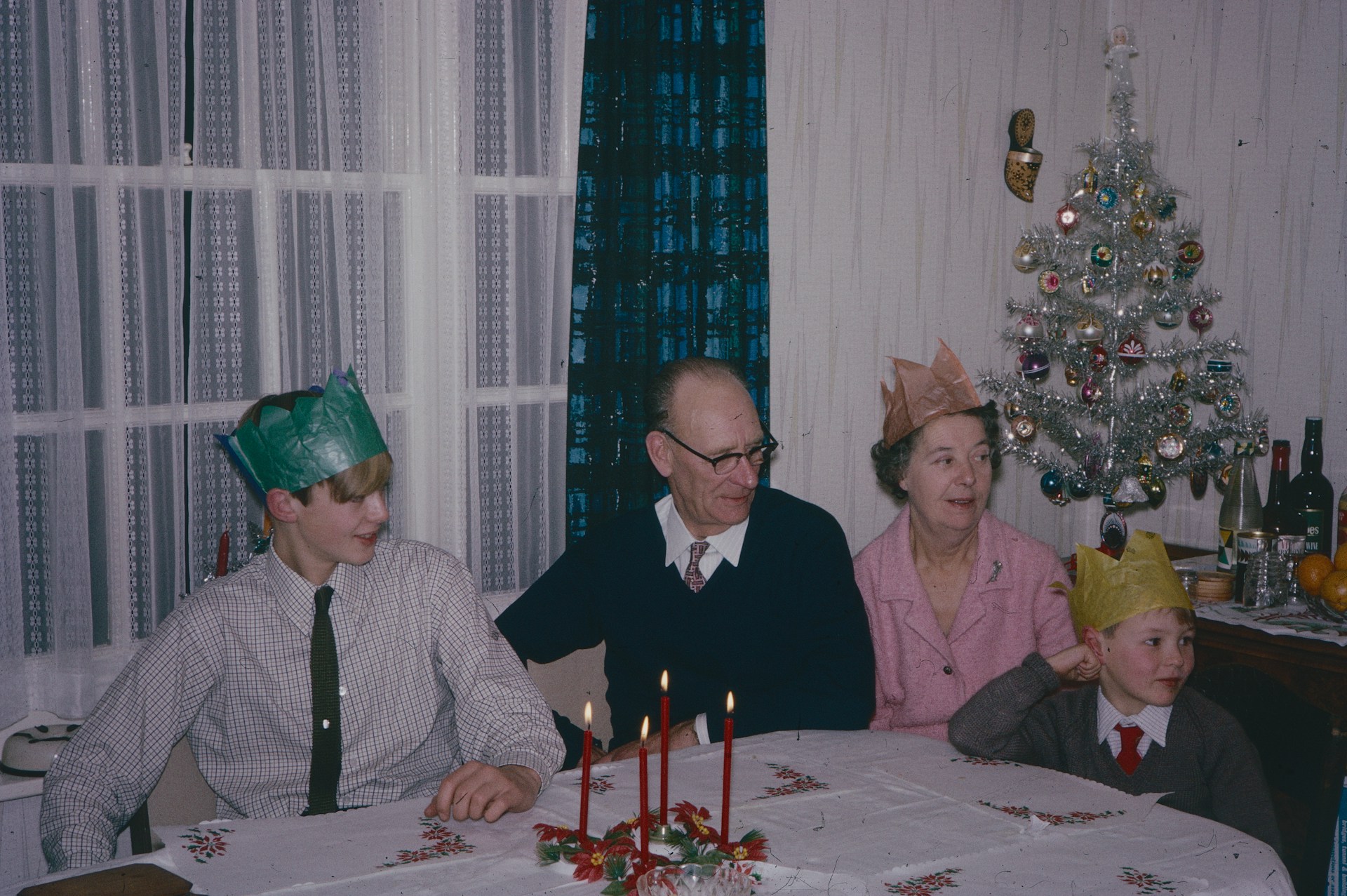
Family rituals, whether as grand as holiday traditions or as simple as bedtime stories, hold a unique power in shaping household identity. They provide structure, continuity, and meaning across generations. These repeated practices may seem ordinary, but they embed values, strengthen bonds, and give children a sense of belonging that lasts a lifetime.
The Emotional Importance of Family Rituals
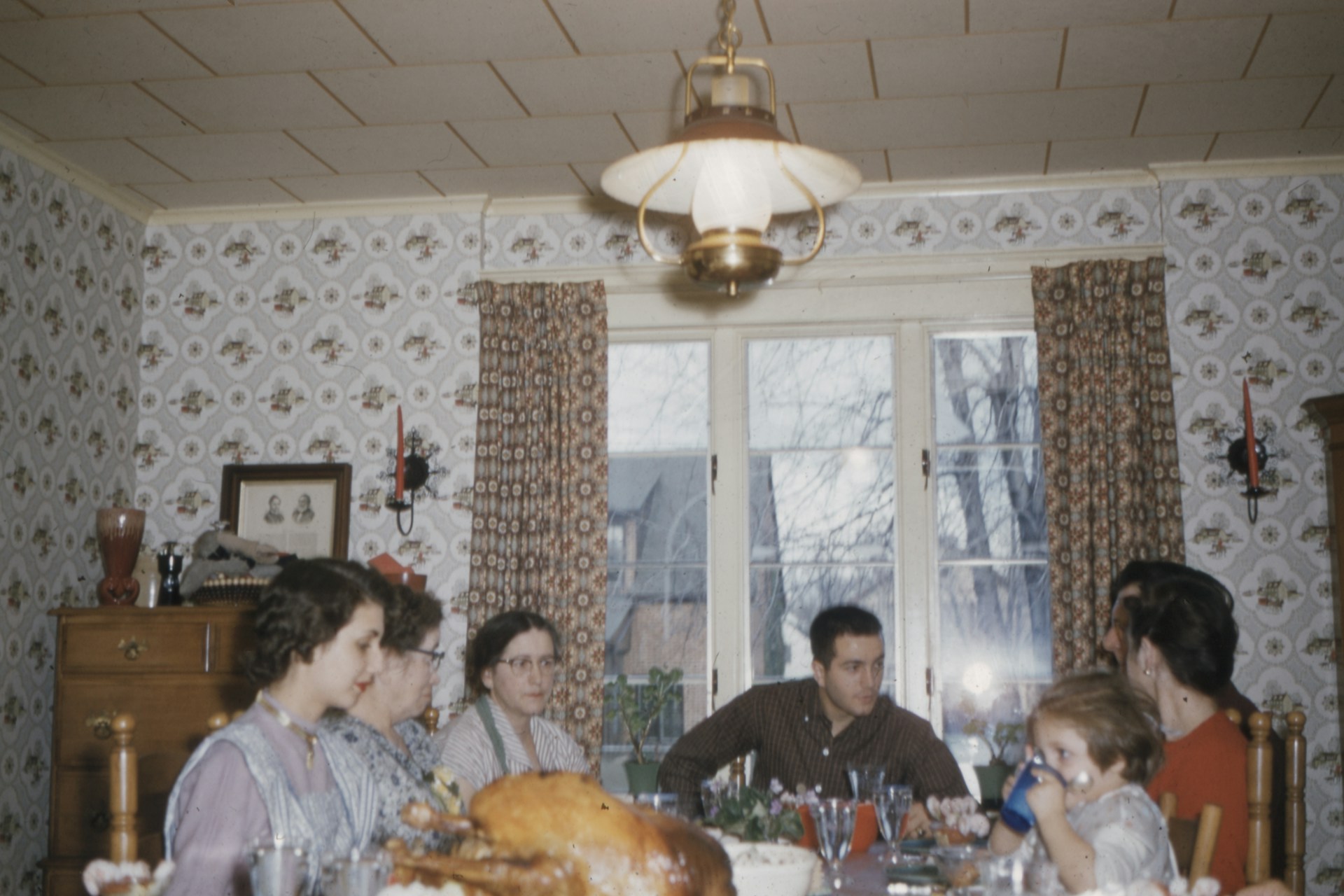
Family rituals create predictability and stability, which are crucial for children’s emotional development. They become anchors in a child’s memory, forming associations of love, comfort, and security. For parents, rituals offer a way to pass down values and strengthen the family bond.
Creating Emotional Security
Children thrive on predictability. Whether it’s a weekly pizza night or a nightly reading routine, rituals reassure children that the family unit is consistent and dependable. This consistency reduces anxiety, nurtures attachment, and helps children feel safe in a world that can sometimes feel unpredictable.
Strengthening Family Bonds
Shared activities, even small ones, create lasting connections. Sitting down for dinner together or celebrating birthdays with specific traditions reinforces unity. These rituals build a shared story, a narrative of “who we are” as a family, that children carry with them throughout their lives.
Building Positive Memories
Rituals are often the moments children remember most vividly into adulthood. A certain holiday dish or the way a family sings a song together creates positive, nostalgic memories. These experiences become part of a family’s collective identity, passed down across generations as cherished traditions.
Passing Down Values and Culture
Rituals are not just about repetition, they are also vehicles for transmitting values, history, and cultural identity. They give children a sense of belonging not only within their immediate family but also within their broader heritage.
Preserving Cultural Traditions
Family rituals are often deeply tied to cultural heritage, such as religious ceremonies, holiday meals, or seasonal festivals. By practicing these traditions, families preserve their cultural identity and ensure children understand their roots. This strengthens cultural pride and continuity from one generation to the next.
Teaching Morals and Life Lessons
Simple family rituals, like saying grace before meals or volunteering together, carry moral lessons about gratitude, empathy, and responsibility. Through these practices, children learn values in an experiential way, rather than abstractly. Rituals therefore become a teaching tool that shapes character as well as identity.
Encouraging Intergenerational Connection
Rituals often connect children with grandparents and extended family, strengthening ties across generations. A shared recipe, a holiday story, or even an annual family reunion fosters continuity and reminds children that they are part of something bigger than themselves.
The Lasting Impact of Rituals on Family Identity
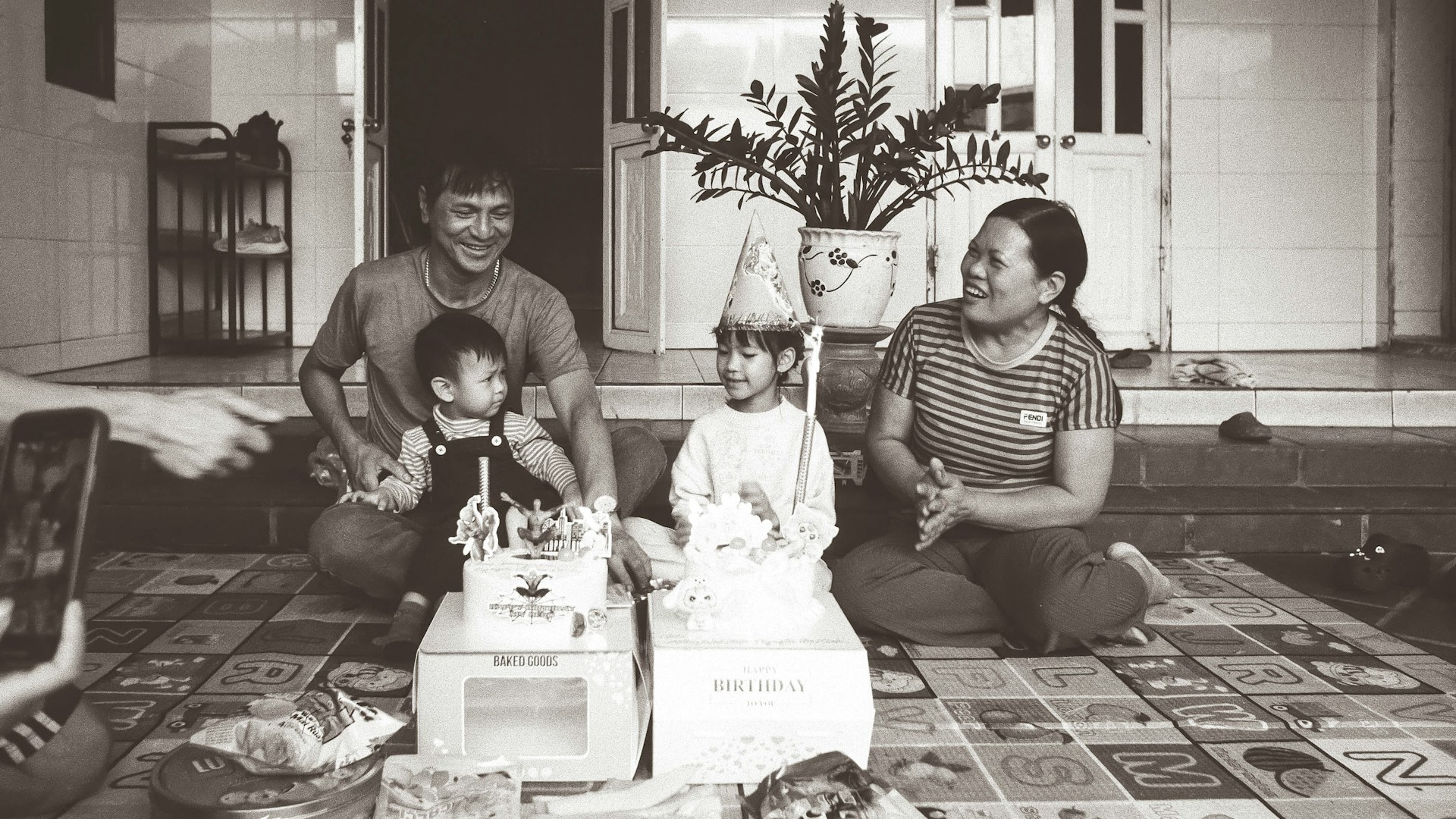
The influence of family rituals doesn’t fade when children grow up. They shape how individuals view family life, influence the traditions they pass to their own children, and help anchor identity across generations.
Supporting Resilience During Change
Families face challenges, relocation, job loss, illness, but rituals provide a sense of continuity in uncertain times. The stability of familiar traditions helps children cope with transitions and maintains a sense of identity even when circumstances shift.
Transmitting Family Identity
Rituals define what makes each family unique. They create a sense of identity that is carried into adulthood, influencing how grown children establish households of their own. A child raised with meaningful traditions is more likely to recreate them, ensuring the family’s story continues.
Fostering Generational Legacy
Rituals are the threads that weave generations together. They transform ordinary moments into meaningful traditions that echo long after the original participants are gone. This legacy provides children with a sense of continuity and belonging, reminding them of where they come from and inspiring them to carry those traditions forward.