
Families face challenges every day, from small obstacles to major life events. How children witness and participate in overcoming these challenges shapes their resilience, confidence, and empathy. When families tackle difficulties together, kids learn practical problem-solving, emotional regulation, and social skills that prepare them for the real world. Shared struggles also foster a sense of security, teaching children that they are supported and capable even when situations are tough.
Learning Resilience Through Shared Challenges
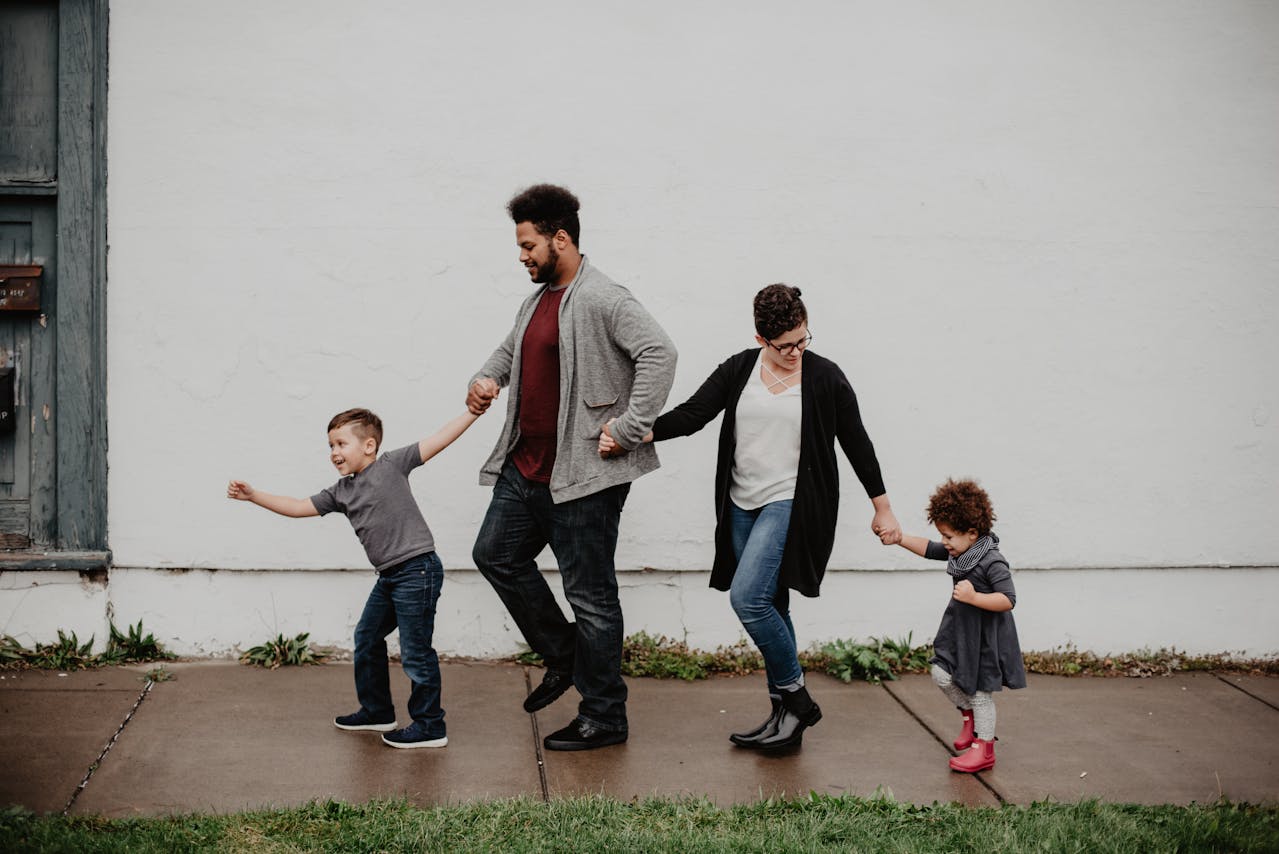
Facing challenges together gives children a firsthand understanding of perseverance and adaptability. Observing parents and siblings navigate adversity demonstrates that difficulties are manageable and temporary.
Experiencing Problem-Solving Firsthand
Children learn resilience by observing adults strategize, make decisions, and adapt when obstacles arise. Whether it’s dealing with a household emergency, financial issue, or moving to a new city, kids see that thoughtful planning and flexibility lead to solutions. This exposure builds confidence in their own ability to handle difficulties, fostering self-efficacy that will carry into adulthood.
Building Emotional Strength
Shared challenges often involve stress, disappointment, or conflict, which can be powerful learning experiences. When parents model healthy coping strategies, children learn to regulate emotions and respond calmly under pressure. Understanding that setbacks are part of life helps kids develop a growth mindset and reinforces the idea that they can recover from difficulties.
Encouraging Accountability and Responsibility
Being part of a team that faces challenges teaches children responsibility. Assigning age-appropriate tasks during family challenges, such as budgeting for a project or helping with problem-solving, encourages accountability. Children learn that their contributions matter and that taking responsibility is a crucial part of navigating life’s obstacles.
Nurturing Confidence and Independence
Families that tackle challenges together create an environment where children can try, fail, and succeed safely. This support helps them develop self-assurance and the courage to take on new experiences independently.
Celebrating Small Wins
Overcoming even minor challenges together provides opportunities for children to experience success. Completing a family DIY project, resolving a scheduling conflict, or solving a travel mishap together shows kids that effort leads to achievement. These small victories build confidence, encouraging children to approach new situations with optimism.
Encouraging Initiative
Children in families that face challenges collaboratively often take initiative when problems arise. They learn that stepping up, offering ideas, and contributing to solutions are valued behaviors. This fosters independence, critical thinking, and leadership skills that benefit them in school, friendships, and later in professional life.
Teaching Risk-Taking in a Safe Environment
When families navigate challenges together, children experience risk-taking in a supportive context. They learn to assess situations, make decisions, and accept the consequences of their actions without fear of harsh judgment. This safe practice cultivates courage and resilience, essential traits for personal and academic growth.
Fostering Compassion and Empathy

Challenges provide a unique opportunity for children to develop emotional intelligence. Working through difficulties as a family helps children recognize the feelings and perspectives of others.
Understanding Others’ Perspectives
Children witness family members managing stress, disappointment, and frustration, which encourages empathy. By seeing how each person responds and adapts, kids learn to consider others’ feelings and needs, enhancing social understanding and relational skills.
Developing Cooperation and Support
Overcoming challenges requires collaboration, active listening, and compromise. Children involved in family problem-solving learn that success often depends on teamwork. They internalize the importance of supporting others, sharing responsibilities, and celebrating collective achievements, reinforcing social cohesion and relational competence.
Strengthening Emotional Bonds
Navigating difficulties together strengthens family bonds by creating shared experiences and memories of perseverance. These emotional connections provide children with a secure foundation, giving them confidence in themselves and their relationships. Children who feel supported and understood are more likely to exhibit empathy and compassion in interactions outside the family.
Building Resilient Kids
Families who confront challenges together provide children with an invaluable toolkit for life. Experiencing problem-solving, collaboration, and emotional support firsthand nurtures resilience, confidence, and empathy. Children learn that setbacks are opportunities for growth, that effort matters, and that supportive relationships help navigate adversity. Tackling challenges as a family transforms obstacles into lessons, shaping children into capable, compassionate, and self-assured individuals. These shared experiences strengthen the family unit and equip children with the skills to thrive independently and contribute positively to the wider world.