
Chores have always been a part of family life, but how families distribute them makes a significant difference. When household responsibilities are rotated among family members, it helps build fairness, teaches important life skills, and strengthens family bonds. This practice not only prevents one person from feeling overwhelmed but also ensures that everyone contributes equally to maintaining the home. Families that rotate chores are preparing children for adulthood while fostering a sense of cooperation and respect.
Building Character Through Shared Responsibilities
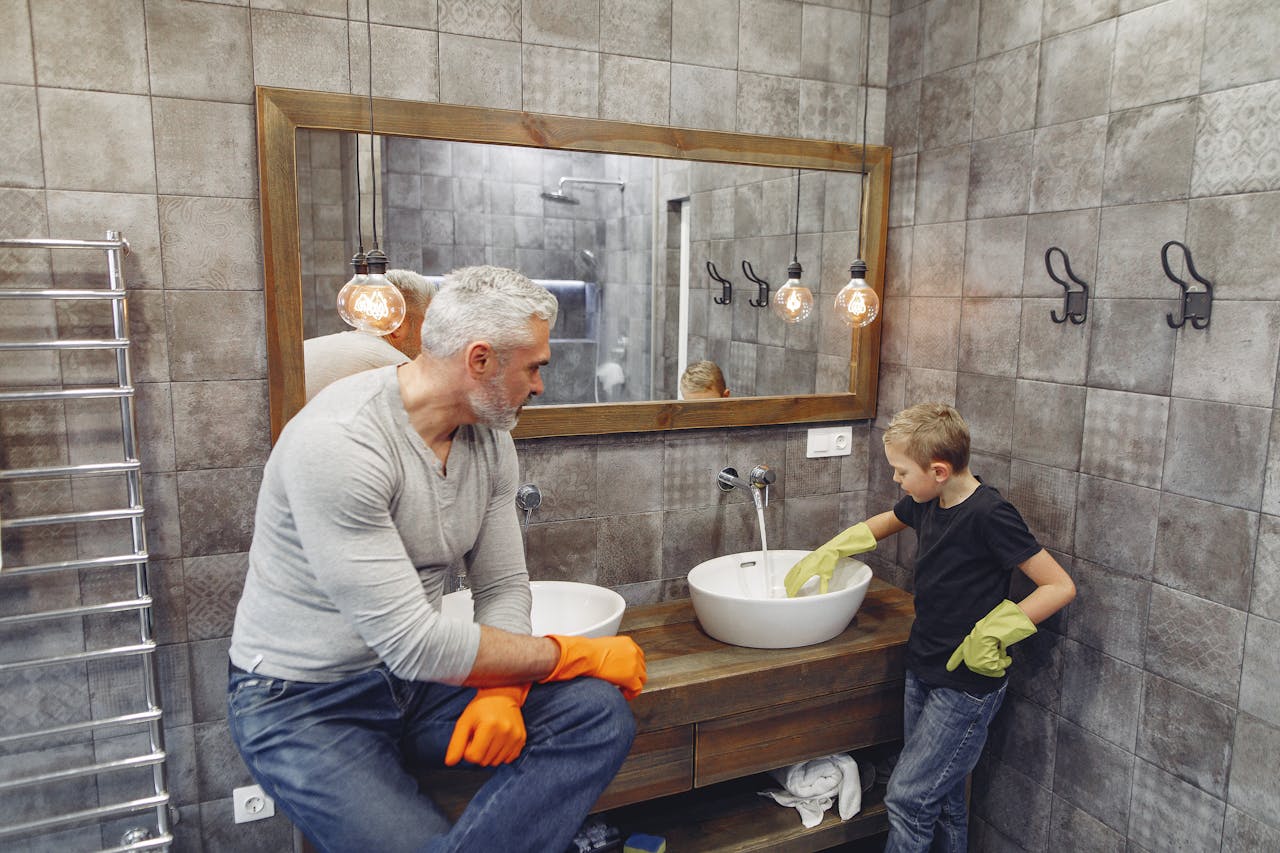
Chores are more than just tasks, they’re life lessons in disguise. Rotating them ensures that no single person carries an unfair share of the burden, while everyone develops a balanced sense of responsibility. Families that make this a habit often notice that children grow up to be more self-reliant and considerate of others. Beyond helping the household run smoothly, it instills values that last a lifetime.
Teaching Life Skills
Rotating chores exposes children to a variety of tasks, from cooking to cleaning to laundry. By not assigning the same responsibility permanently, kids learn multiple life skills that prepare them for independence. A child who helps with meal prep one week and laundry the next learns not just practical skills but also adaptability. These lessons provide confidence and competence when they eventually live on their own.
Preventing Gender Stereotypes
One hidden benefit of rotating chores is that it breaks down traditional gender expectations. Boys and girls alike learn how to cook, clean, fix, and organize. This creates a fairer household dynamic and prevents children from assuming that certain tasks belong only to one gender. In adulthood, these children are more likely to value equality and share household duties equitably.
Encouraging Accountability
When chores rotate, accountability becomes clear. Each person knows that at some point, the responsibility will be theirs, which reduces excuses and finger-pointing. This approach helps children understand that everyone has to contribute for things to run smoothly. Accountability nurtures reliability and personal responsibility that extends far beyond household duties.
Strengthening Family Bonds
Sharing and rotating chores doesn’t just maintain the home; it builds trust and unity. Families that divide responsibilities fairly are less likely to face resentment or conflict over “who does what.” The practice also creates opportunities for teamwork, communication, and appreciation. In many ways, rotating chores brings families closer together by teaching the value of shared effort.
Promoting Teamwork
When children rotate chores, they often learn to work together to complete tasks more efficiently. For instance, siblings may take turns cooking and cleaning the kitchen, encouraging cooperation. This fosters mutual respect and improves problem-solving skills. Teamwork through chores shows kids how to collaborate in bigger life situations.
Reducing Resentment
In households where one person shoulders most of the responsibilities, resentment often builds. Rotating chores distributes the load evenly, which reduces frustration and prevents feelings of unfairness. It also helps children appreciate the effort required to maintain a household. When everyone pitches in, harmony in the home is much easier to maintain.
Creating Appreciation
By experiencing all types of chores, family members grow to appreciate each other’s work more deeply. A teenager who has to cook dinner one night will likely value the effort their parent puts in regularly. This mutual appreciation strengthens respect among family members. When gratitude becomes part of daily life, relationships thrive.
Preparing Children for Adulthood

The lessons learned through rotating chores extend into adulthood. Children who grow up in such households are better prepared to live independently, work with others, and manage responsibilities. They also tend to carry fairness and empathy into their adult relationships. By instilling these habits early, parents prepare their children for successful futures.
Teaching Time Management
Rotating chores helps children learn to balance tasks with schoolwork, extracurricular activities, and relaxation. They quickly realize that responsibilities cannot be ignored, which forces them to manage time wisely. This balance is an essential life skill that benefits them well into their careers and personal lives. Time management becomes second nature when learned early.
Fostering Work Ethic
A strong work ethic is developed when children understand that their contributions matter. By rotating chores, kids learn that work isn’t optional but a necessary part of life. This early exposure to responsibility prepares them for demanding environments like school and the workplace. A strong work ethic also boosts confidence and self-discipline.
Building Empathy
Doing different chores allows children to step into each other’s shoes. They understand the effort required in every role, whether it’s taking out the trash or cooking a meal. This nurtures empathy and prevents entitlement, as children grow to value the unseen work that keeps life running. Empathy built at home shapes better friends, colleagues, and partners in adulthood.
The Lasting Value of Rotating Chores
Families who rotate chores create an environment that is fair, balanced, and nurturing. This practice ensures that every member of the household contributes equally while gaining vital life lessons. Children raised in such households not only become responsible adults but also grow into empathetic, cooperative individuals. At its core, rotating chores is not just about cleaning or cooking, it’s about teaching values that carry through generations.