Every family has its own rhythm, the way birthdays are celebrated, holidays are honored, and milestones are remembered. But families who intentionally build and preserve seasonal traditions often develop deeper bonds and a stronger sense of identity. Whether it’s apple picking in the fall, making hot chocolate on the first snow, or planting a spring garden together, these repeated rituals provide more than just fun, they offer stability, belonging, and lasting emotional connection across generations.
The Power of Predictability and Ritual
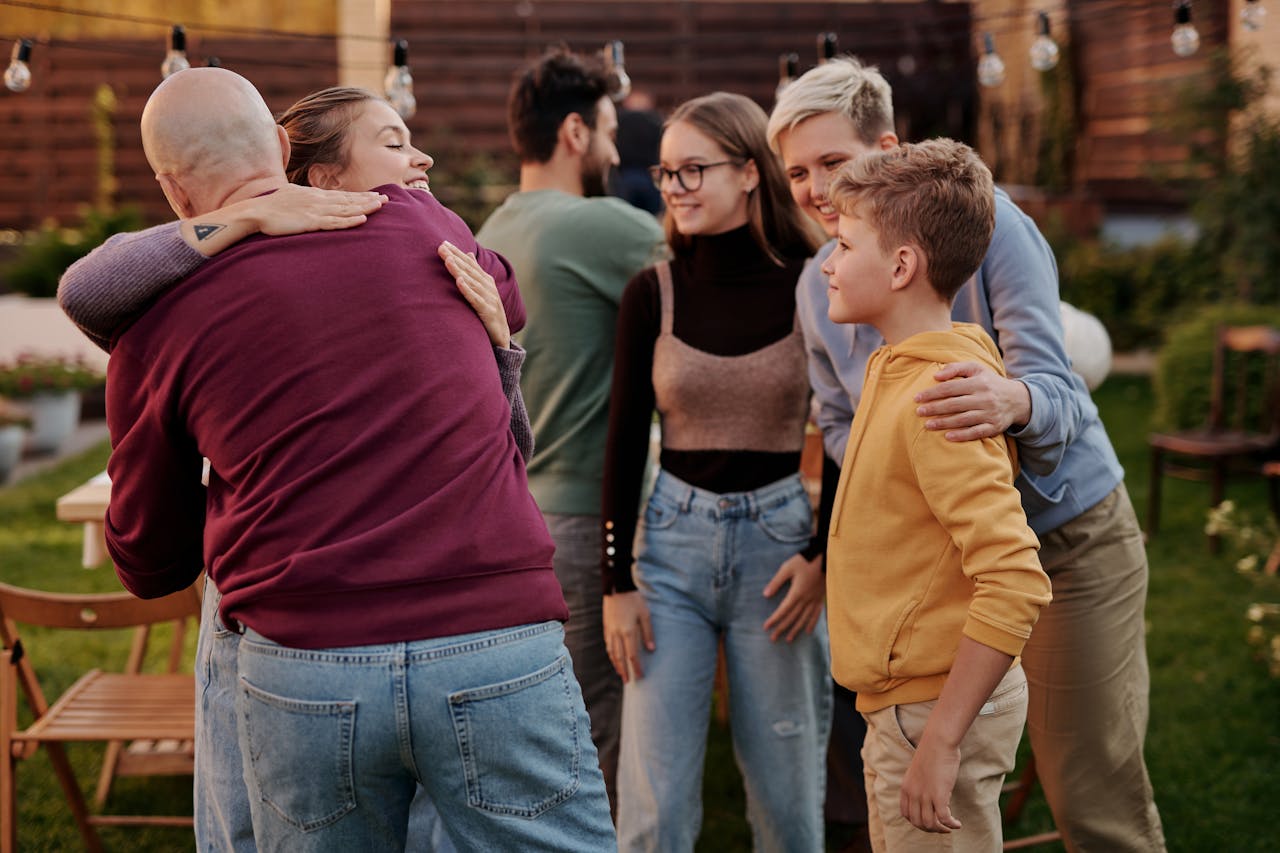
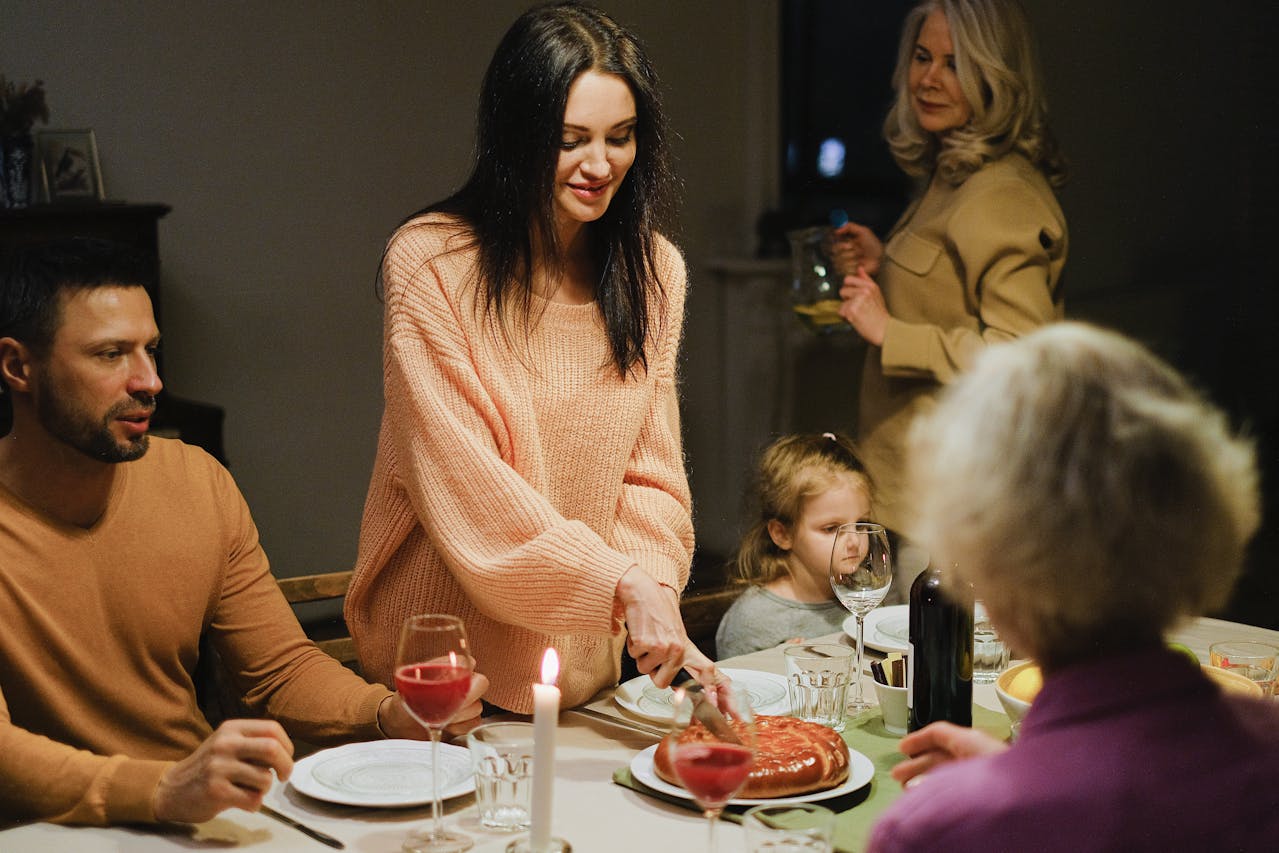
Family traditions act as emotional anchors, creating a rhythm that grounds both children and adults. In a world of constant change, these rituals provide a comforting sense of predictability, teaching kids that even when life shifts, some moments remain sacred. Studies in family psychology suggest that shared rituals improve emotional well-being, resilience, and intergenerational connection.
Creating Emotional Continuity
Seasonal traditions help families mark time meaningfully. Whether it’s an annual summer camping trip or decorating for Diwali or Christmas, these moments give each year a heartbeat. Children come to associate seasons not just with weather, but with warmth, laughter, and familiarity. This consistency helps them feel secure, building emotional memory that lasts well into adulthood.
Strengthening Identity Through Ritual
When families repeat traditions, they reinforce a shared sense of identity. “This is who we are” becomes a message woven through every holiday and celebration. Sociologists note that children raised in ritual-rich environments tend to have a stronger sense of belonging and cultural understanding. It’s not about the size of the event, it’s about the meaning attached to it.
Bridging Generations with Shared Stories
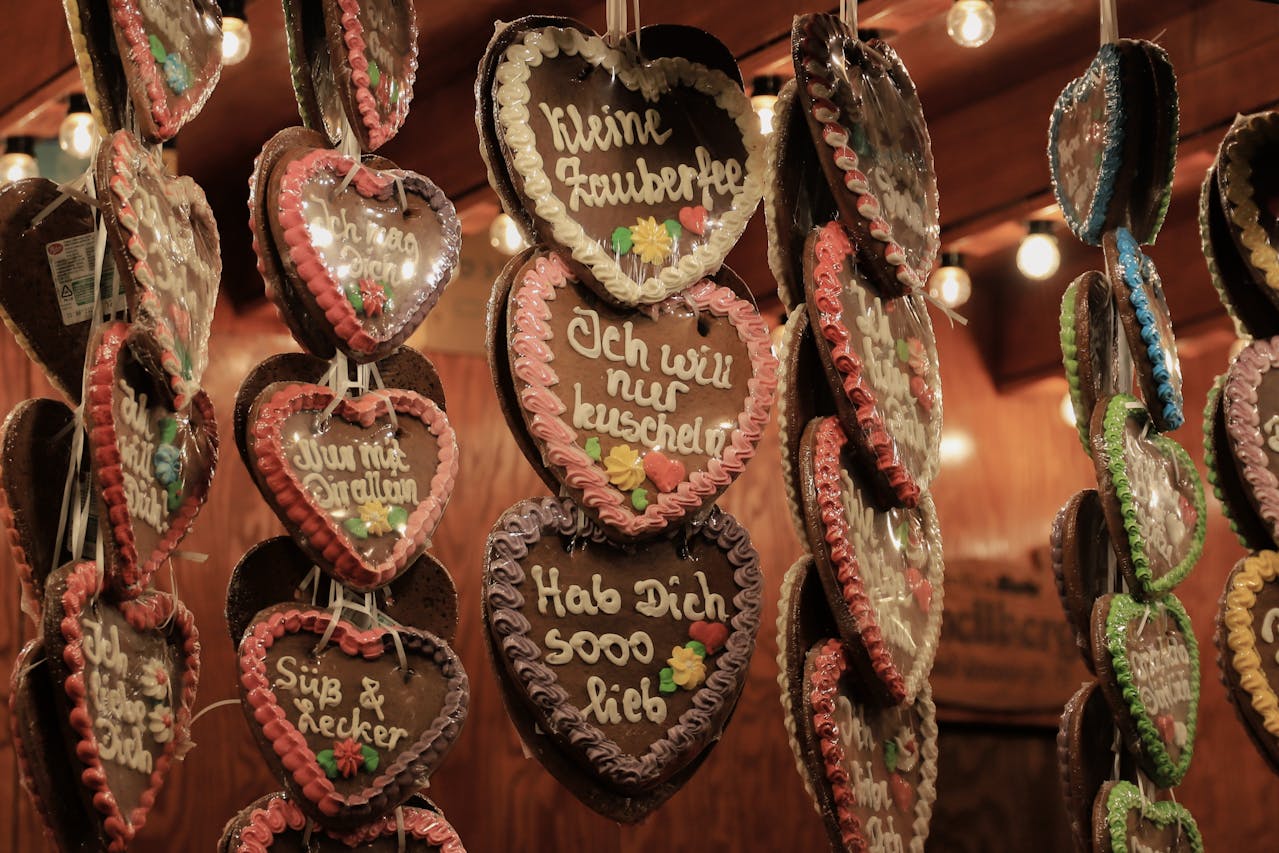
Traditions often link the present with the past. Making Grandma’s pumpkin pie recipe or revisiting the same holiday market each year allows stories to travel through generations. These practices keep family history alive, transforming everyday actions into acts of remembrance. Over time, they become part of the family’s narrative, threads that bind generations together.
How Traditions Strengthen Emotional Bonds
Seasonal rituals are not just about the activities themselves, they’re about the connection they foster. Every shared laugh, every repeated song, every silly inside joke formed around these moments strengthens emotional ties. Psychologists emphasize that shared experiences create “emotional shorthand,” allowing families to recall warmth and connection even during hard times.
Building Togetherness Through Shared Effort
Traditions require planning, collaboration, and sometimes compromise, skills that strengthen family teamwork. When everyone pitches in to decorate, cook, or prepare for a family outing, a sense of shared accomplishment emerges. This cooperation encourages empathy and patience, especially among children who learn the value of participation and contribution.
Creating Joy in Anticipation
The anticipation of seasonal events is nearly as powerful as the event itself. Children look forward to that familiar summer picnic or winter movie night, which fosters excitement and joy. Research in positive psychology shows that anticipation enhances happiness by giving families something to look forward to collectively, turning everyday months into a calendar of meaning.
Strengthening Connection in Simplicity
Not all traditions need grandeur. Sometimes it’s lighting a candle, taking a neighborhood walk, or baking cookies together. What matters is the shared intention. These small rituals are often the most enduring, reminding families that love and connection are built not in perfection, but in presence.
Passing Down Values and Legacy
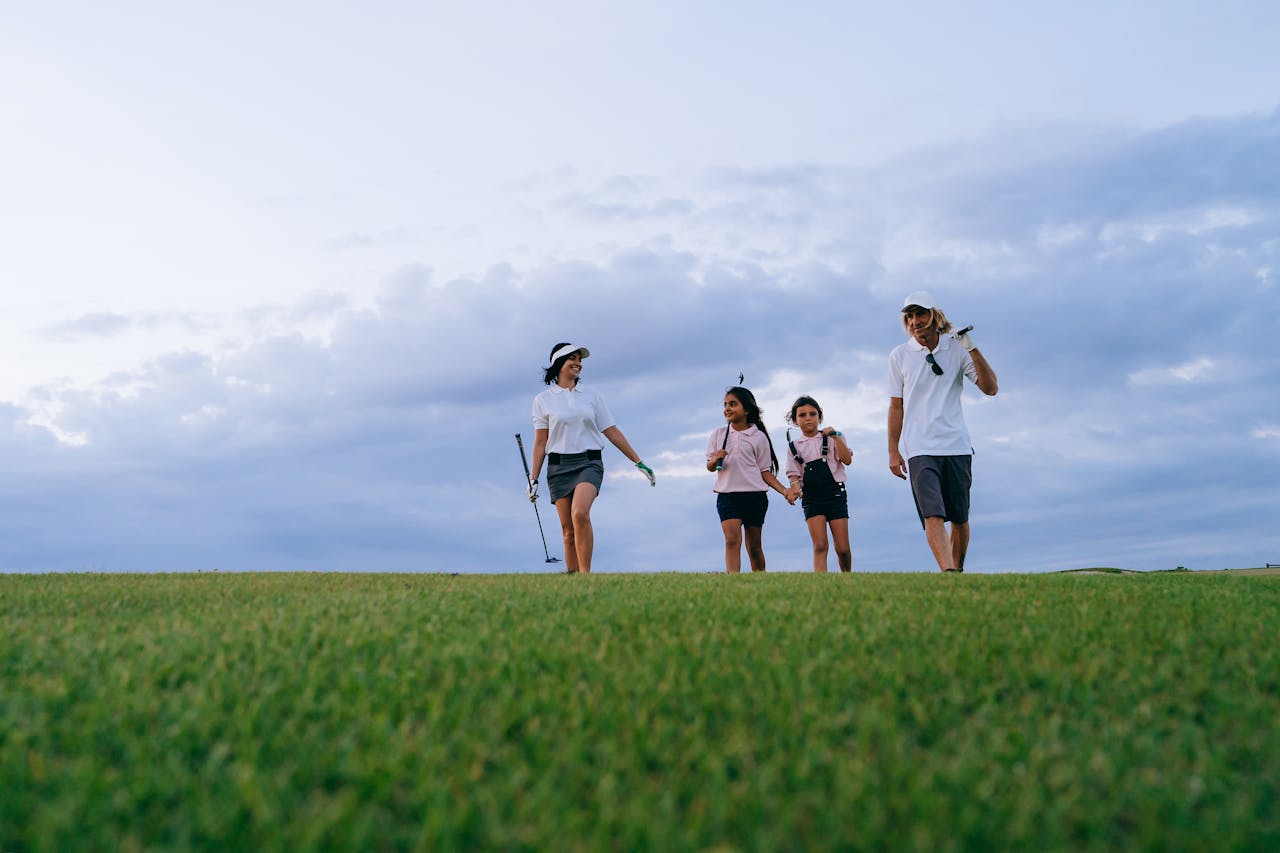
Family traditions are quiet teachers. Beyond fun and memory-making, they transmit values, ethics, and culture. Through repeated seasonal rituals, parents impart lessons about gratitude, generosity, patience, and respect for nature and time.
Teaching Gratitude and Reflection
Seasonal traditions often coincide with moments of reflection, harvest time, new years, or cultural festivals. These occasions offer a natural opportunity to discuss gratitude and mindfulness. Children learn to appreciate abundance, to give thanks, and to recognize the cyclical nature of life, a powerful lesson in an age of instant gratification.
Connecting Culture and Modern Life
As families become more globalized and diverse, traditions act as bridges between heritage and modern living. Celebrating cultural festivals, even in small ways, helps children understand their roots. It gives them a foundation to appreciate both where they come from and where they are going, fostering identity and respect for diversity.
Reinforcing Legacy Through Repetition
When parents and grandparents pass down traditions, they create a living legacy. Each time a family revisits the same seasonal moment, they’re not just reliving the past, they’re ensuring it survives the future. These inherited rituals are gifts of continuity, offering children a tangible sense of history and belonging that no material gift can replace.
The Lasting Gift of Family Tradition
Families who intentionally create and preserve seasonal rituals give themselves something more valuable than any vacation or toy, a framework of connection. These traditions remind each member that they’re part of a story larger than themselves. Amid changing times and busy schedules, it is these small, repeated acts of togetherness that turn fleeting moments into enduring memories.