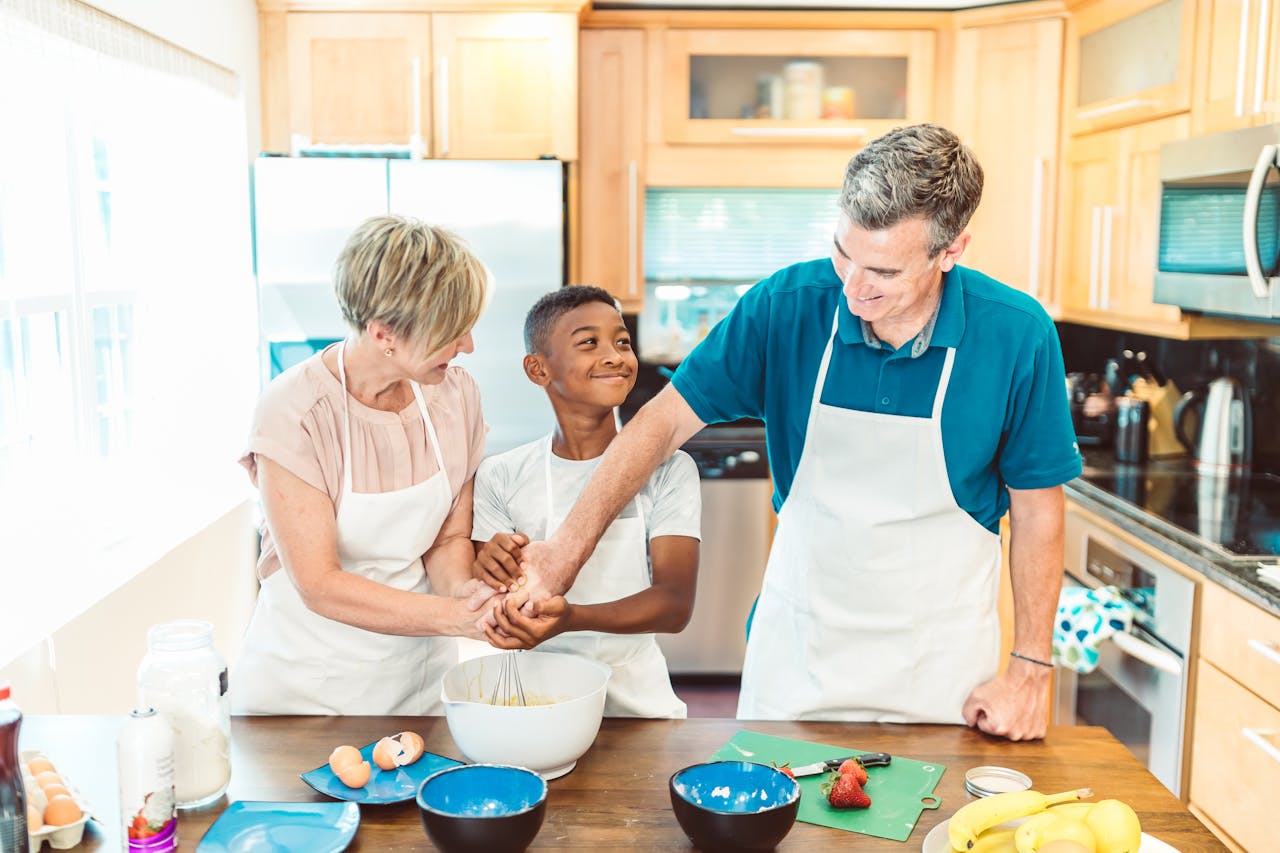
Cooking together has always been more than preparing a meal, it is a way to connect, teach, and share life. Families who involve everyone in the kitchen create a setting where teamwork, patience, and creativity thrive. Beyond the food on the table, the act of working side by side helps build stronger relationships and instills practical skills that last a lifetime.
Building Connections Through Shared Experiences
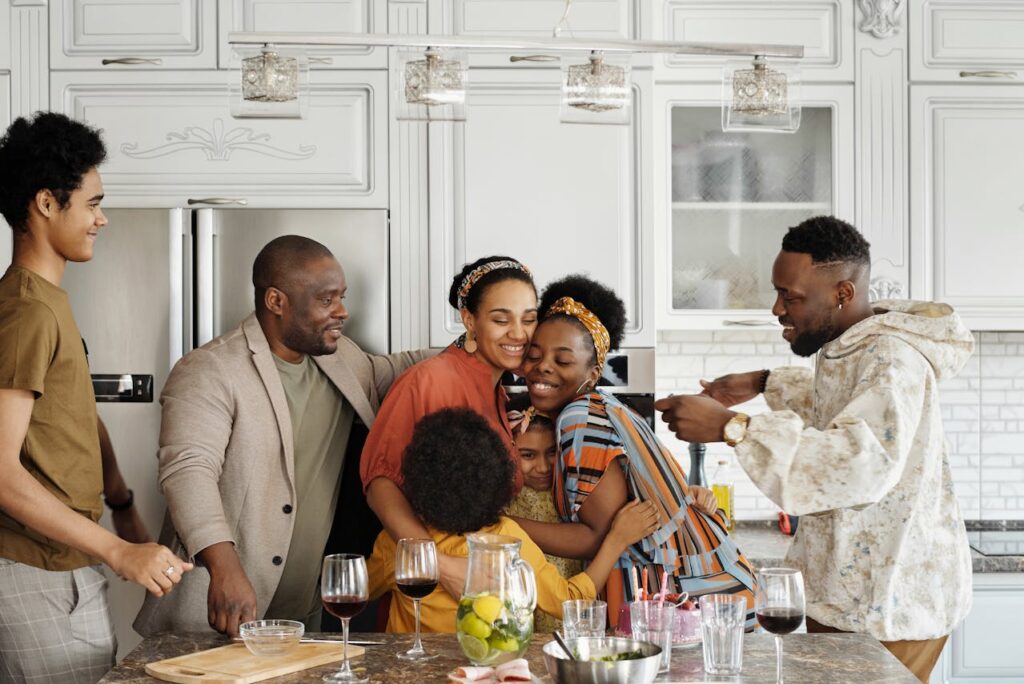
Families often grow closer when they participate in daily routines together. The kitchen becomes a natural gathering place where conversations flow as tasks are shared. By working toward a common goal, family members learn to value each other’s contributions and feel part of something meaningful. Cooking together creates opportunities to slow down and bond in a world that often moves too fast.
Conversations Around the Counter
The act of chopping vegetables or stirring sauce provides space for natural conversation. Without the distractions of television or phones, families can catch up on their day while cooking. Children are often more likely to share what’s on their minds when engaged in a task, making kitchen time an informal setting for communication. This habit helps strengthen trust and family connection.
Reducing Generational Gaps
Cooking is a tradition that allows older and younger generations to connect. Grandparents passing down recipes or parents showing children family favorites create continuity that keeps cultural roots alive. This transfer of knowledge isn’t just about food but also about values and identity. In the process, kids gain appreciation for where they come from and the traditions that shape them.
Memories Made Over Meals
Many of our fondest childhood memories involve the kitchen, baking cookies, rolling dough, or preparing holiday meals. These moments stick because they combine senses, emotions, and teamwork. Families who cook together build shared stories that last long after the food is gone. These experiences become part of a family’s unique history.
Teaching Lifelong Practical Skills
The kitchen is a classroom where essential life lessons are learned without textbooks. Involving children in meal preparation teaches responsibility, independence, and problem-solving. Beyond nutrition and cooking skills, it introduces kids to concepts of budgeting, planning, and time management, skills that will benefit them well into adulthood.
Nutrition and Healthy Habits
Children who help prepare meals are more likely to understand the value of healthy eating. Research shows that kids involved in cooking are more open to trying new foods, especially fruits and vegetables. This hands-on learning gives them a foundation for balanced nutrition and encourages mindful choices later in life. It is a simple but powerful way to combat unhealthy eating habits.
Responsibility and Independence
Assigning kitchen tasks, whether measuring ingredients or washing dishes, teaches children accountability. They learn that their work directly impacts the outcome of the meal. These small responsibilities grow into greater independence, as children gain confidence in preparing meals for themselves and eventually for others. The kitchen becomes a safe space to practice responsibility before applying it in broader life situations.
Problem-Solving and Adaptability
Cooking does not always go as planned, ingredients run out, recipes need adjusting, or meals don’t turn out perfectly. Families working together learn to improvise and adapt on the spot. This teaches problem-solving and resilience in a way that few other activities can. Children realize that mistakes can be corrected and that flexibility often leads to creativity.
Strengthening a Spirit of Teamwork
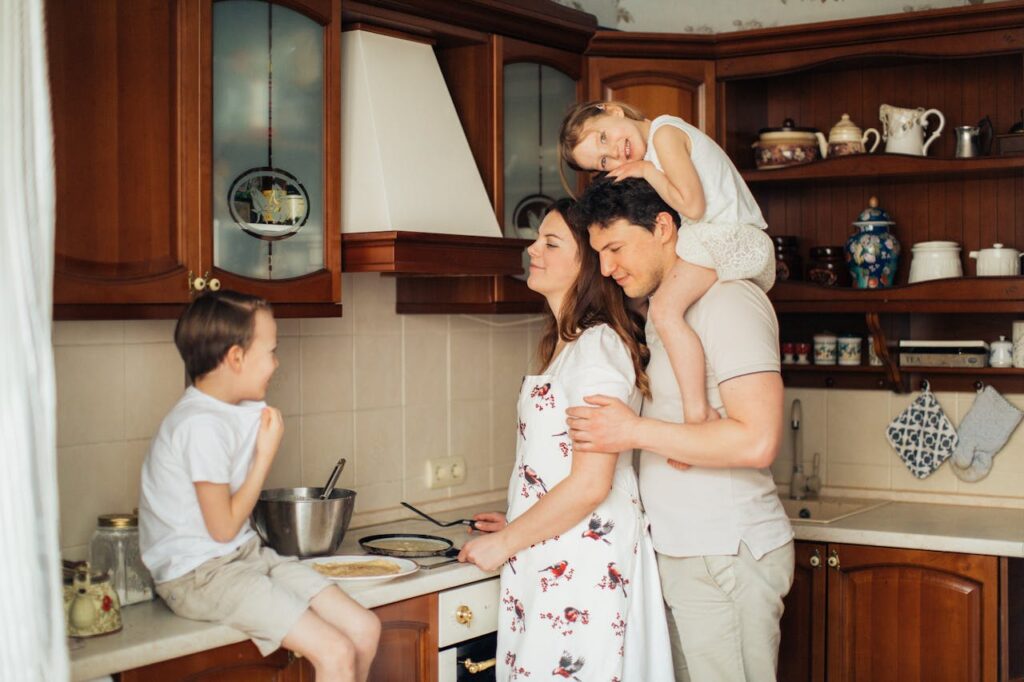
Cooking as a group mirrors the dynamics of teamwork found in school, work, and relationships. Everyone has a role to play, from chopping and stirring to setting the table. Families who practice teamwork in the kitchen cultivate cooperation and respect, preparing children for collaborative efforts in the outside world.
Roles and Responsibilities
Assigning roles in the kitchen ensures everyone feels involved and valued. Younger children can wash produce or set utensils, while older kids may handle more complex tasks. Each role contributes to the larger effort, showing children that teamwork requires both leadership and support. This sense of shared responsibility helps build confidence and mutual respect.
Celebrating Success Together
When the meal is finished and enjoyed, it becomes a collective achievement. Families learn the importance of celebrating not just the food but the effort behind it. This reinforces the idea that working together toward a shared goal is rewarding. Children, in particular, take pride in knowing they contributed to something enjoyed by everyone.
Conflict Resolution in Action
Not every cooking session runs smoothly, arguments over roles or methods are common. But learning to navigate disagreements in the kitchen provides practice in conflict resolution. Families figure out how to compromise, listen, and respect different approaches. These skills are vital for maintaining harmony both inside and outside the home.
Families cook together
Families who cook together build much more than meals, they create bonds, traditions, and skills that last a lifetime. The kitchen becomes a place of communication, a classroom for life lessons, and a workshop for teamwork. These shared experiences foster resilience, joy, and understanding, reminding us that the best recipes are the ones we create together.