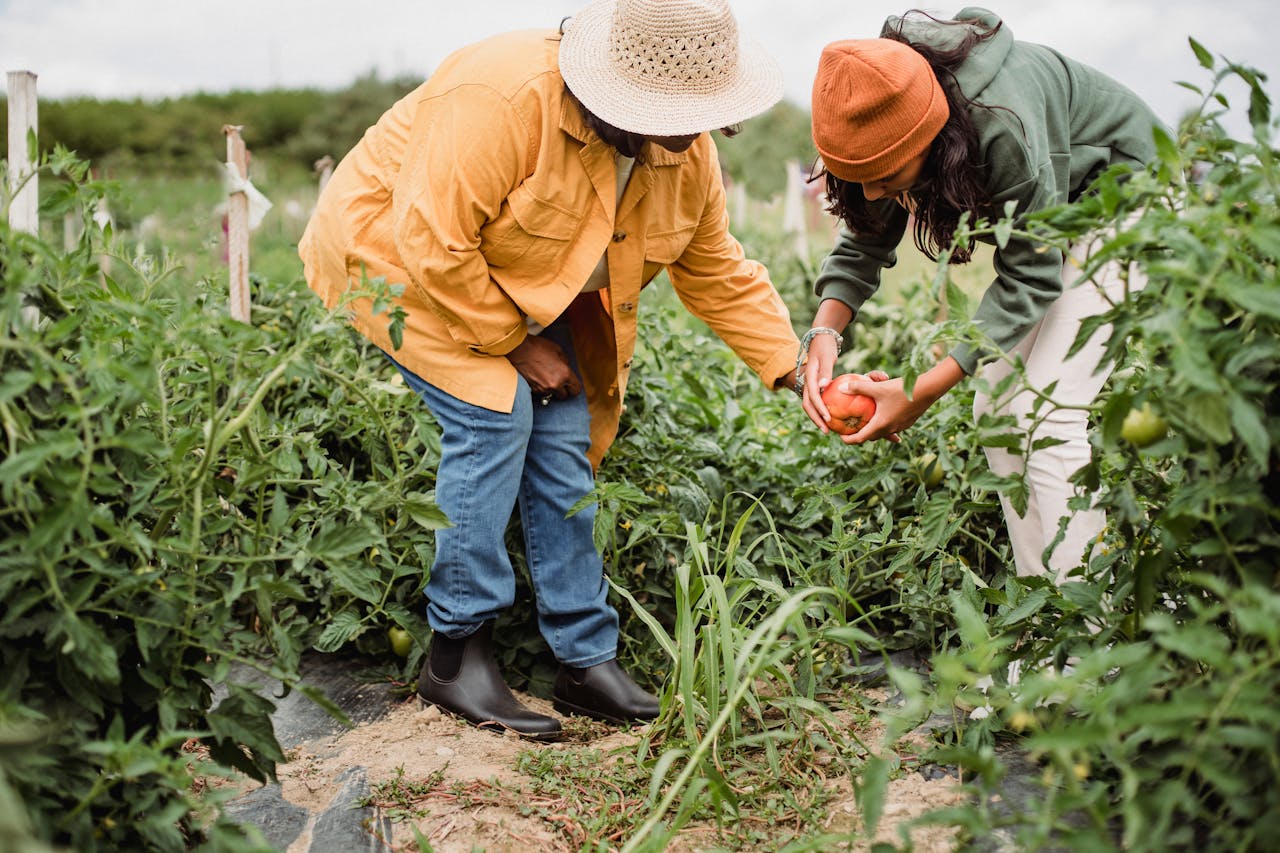
Gardening has long been considered a simple hobby, but when families take part in it together, it becomes something much more profound. Working with soil, seeds, and plants creates valuable life lessons that go beyond the backyard. Children not only gain skills in nurturing living things, but also develop patience, responsibility, and a lasting appreciation for the natural world. Gardening as a family builds bonds rooted in growth, learning, and shared accomplishment.
Learning Patience Through the Growth Cycle
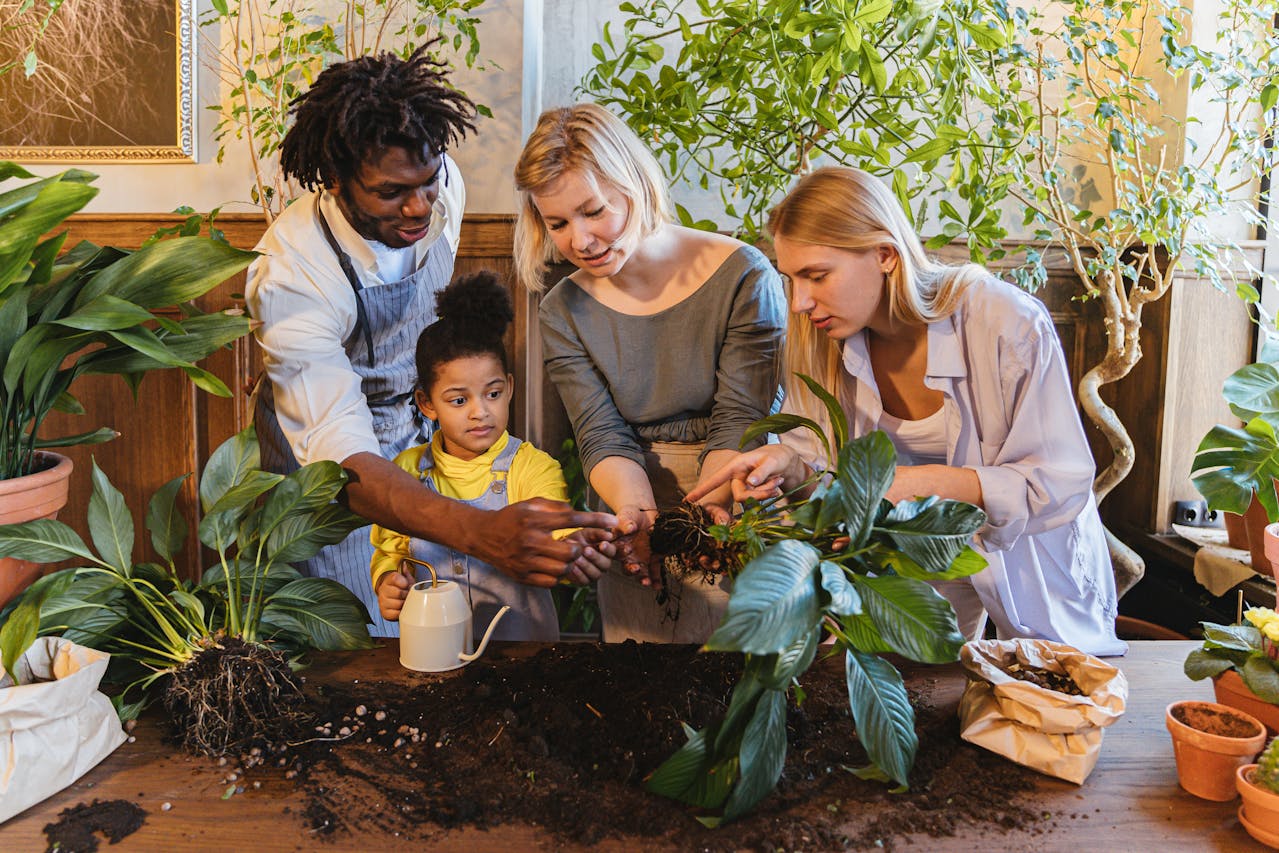
Gardening provides one of the clearest examples of delayed gratification for children. Unlike instant forms of entertainment, seeds take time to sprout, mature, and finally bear fruit. This waiting period becomes an opportunity for children to witness the rewards of consistent effort. Families who garden together can use these natural lessons to help kids see that patience brings results worth waiting for.
Watching Plants Grow Over Time
Children are naturally curious, often expecting quick outcomes. Gardening slows down this expectation by showing that growth is gradual. From waiting for the first sprout to anticipating the bloom of flowers or harvest of vegetables, kids experience the excitement of progress at nature’s pace. Each week brings visible changes that encourage them to keep caring for their plants with hope and persistence.
Developing Consistent Care Habits
Patience is strengthened when children learn that gardens require steady attention. Watering schedules, weeding, and checking for pests all teach them that results don’t come from one big effort but from many small, regular actions. Parents can guide their kids to notice how plants thrive when cared for consistently, reinforcing that patience and commitment are connected.
Embracing Seasonal Rhythms
Gardening also teaches patience on a larger scale by connecting children to the seasons. They learn that certain vegetables grow in summer, while bulbs may wait months underground before appearing in spring. This long-term rhythm helps kids understand cycles of nature and appreciate that waiting is part of life’s design. Families benefit from these seasonal rituals, building traditions around planting and harvesting together.
Building Responsibility Through Hands-On Care
While patience develops over time, gardening also instills a strong sense of responsibility in children. Each plant depends on regular care, and when children take ownership of these tasks, they begin to see the consequences of their actions. Gardening as a family makes responsibility tangible, meaningful, and rewarding.
Assigning Age-Appropriate Gardening Tasks
Parents can introduce responsibility gradually by assigning age-appropriate tasks. Younger children might water plants or gather small harvests, while older kids may handle pruning or composting. These responsibilities give children a sense of purpose and accountability. They see that their actions directly affect the health of the plants and the success of the garden as a whole.
Learning from Mistakes and Setbacks
Not every gardening attempt succeeds, and that is part of its lesson. Plants may wilt if forgotten or fail due to weather or pests. These experiences show children that responsibility includes both successes and mistakes. Rather than discouragement, setbacks can become opportunities to discuss resilience, problem-solving, and trying again with new strategies.
Celebrating the Rewards of Responsibility
Gardening provides a visible reward system for responsible behavior. When children see the fruits of their efforts, whether it’s a ripe tomato or a bright sunflower, they connect responsibility with positive outcomes. Sharing these harvests at the dinner table or displaying flowers at home makes their contributions meaningful. Families reinforce the idea that responsibility leads to real, tangible rewards.
Fostering a Deeper Connection to Nature
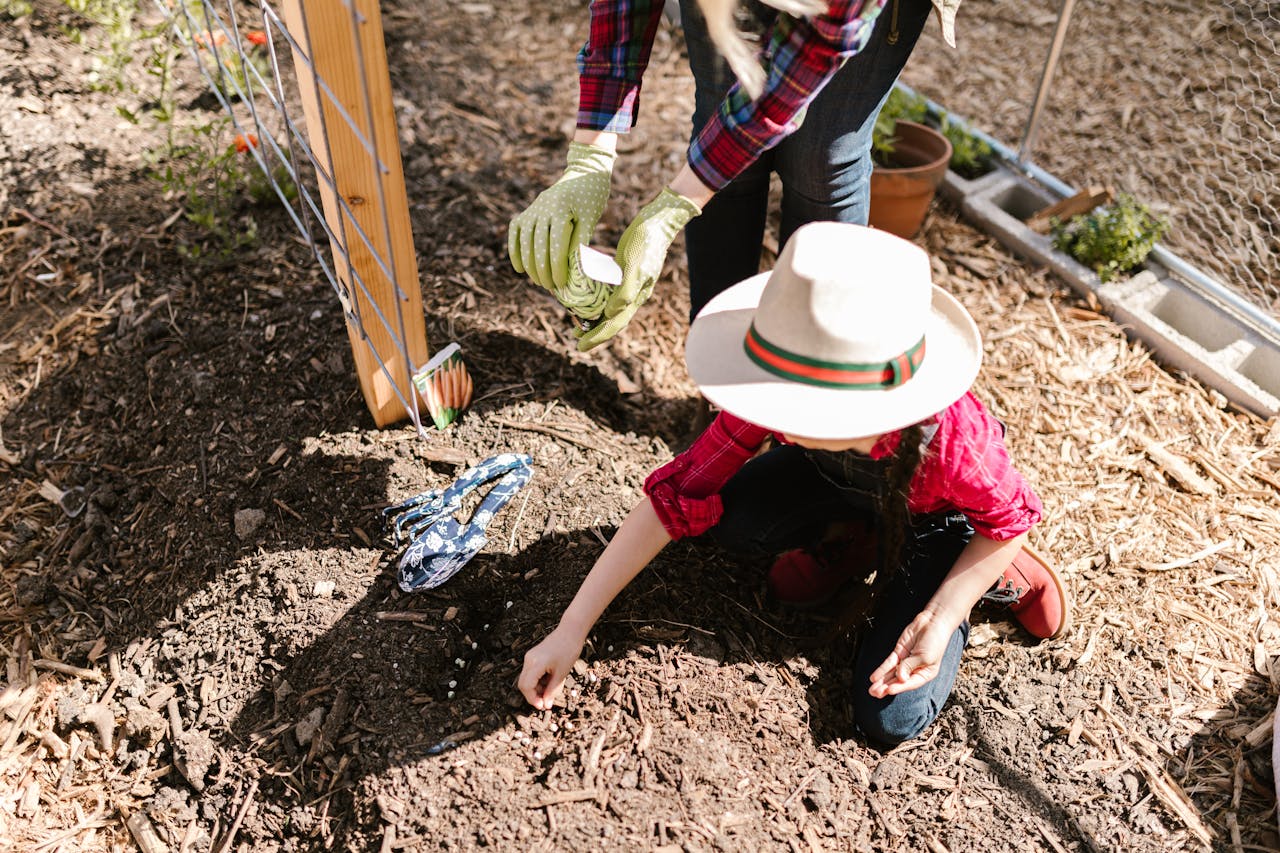
Beyond lessons in patience and responsibility, gardening builds a lasting connection to the environment. Families who garden together create opportunities for children to appreciate ecosystems, sustainability, and the role humans play in protecting the planet. These experiences often translate into lifelong respect for the natural world.
Understanding Where Food Comes From
In today’s world of grocery stores and fast food, many children don’t see the origin of their meals. Gardening changes this by showing the journey from soil to plate. Kids learn that vegetables and fruits don’t just appear, they require sunlight, water, and effort to grow. This awareness encourages healthier eating habits and greater gratitude for food.
Encouraging Curiosity About Wildlife and Ecosystems
Gardens attract more than plants, they invite pollinators, insects, and birds. Children quickly notice bees visiting flowers or earthworms in the soil. Parents can use these encounters to explain concepts like pollination, biodiversity, and balance in nature. These discoveries spark curiosity and help kids see themselves as part of a larger living system.
Promoting Environmental Stewardship
Gardening also introduces ideas of sustainability. Composting, conserving water, and avoiding harmful chemicals teach kids to think about the environment’s long-term health. Families who garden often develop greener habits together, like recycling or planting native species. These lessons prepare children to grow into environmentally conscious adults.
A Legacy That Keeps Growing
Gardening as a family goes beyond raising plants, it raises character, connection, and lifelong values. The patience learned from waiting for seeds to grow, the responsibility developed through daily care, and the appreciation gained for nature all become part of a child’s foundation. These lessons extend into school, friendships, and adulthood, shaping individuals who are mindful, resilient, and connected to the earth.
Families who garden together are not just planting seeds in the ground. They are planting values in their children, values that will grow, flourish, and endure for years to come.