In a world obsessed with speed, where every minute feels scheduled and productivity defines worth, the simple act of slowing down has become revolutionary. Families who intentionally create “no-rush” zones, spaces or times without deadlines or pressure, find that patience, emotional balance, and true connection begin to flourish. These unhurried moments don’t just create peace; they nurture resilience, empathy, and harmony across generations.
The Power of Slowing Down Together
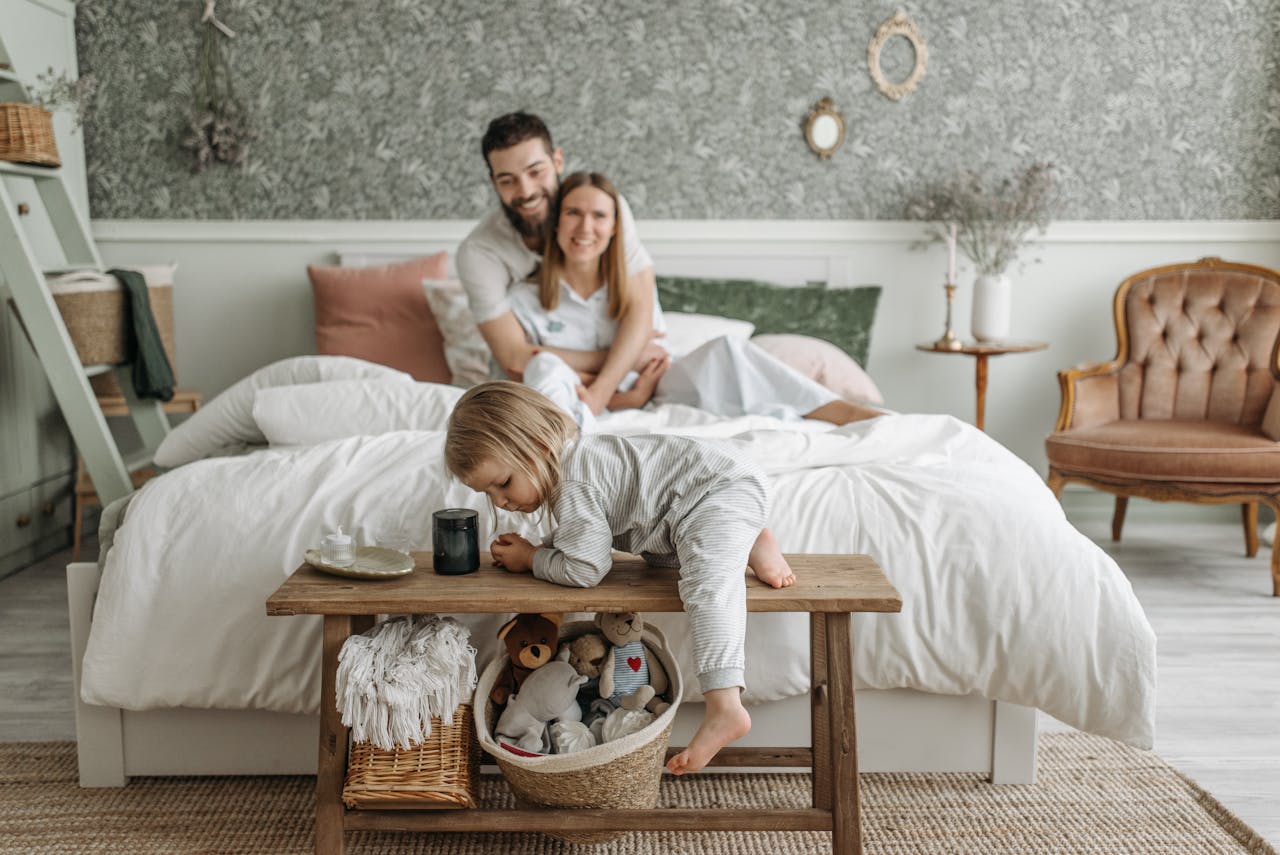
In modern family life, rushing often becomes the default mode. Mornings, school runs, and bedtimes turn into sprints, leaving little room for genuine interaction. A “no-rush” zone offers the opposite: time that belongs to everyone, free from the constraints of multitasking. It invites a sense of shared calm, teaching that the best moments aren’t measured by efficiency but by presence.
The Psychology Behind Slowness
Research in developmental psychology shows that children raised in calm, predictable environments develop stronger self-regulation and emotional awareness. When parents prioritize unhurried routines, they reduce cortisol levels in both themselves and their children. This fosters better communication and less conflict while modeling emotional intelligence. In such homes, the absence of urgency becomes a lesson in mindfulness and balance.
Building Trust Through Routine Calm
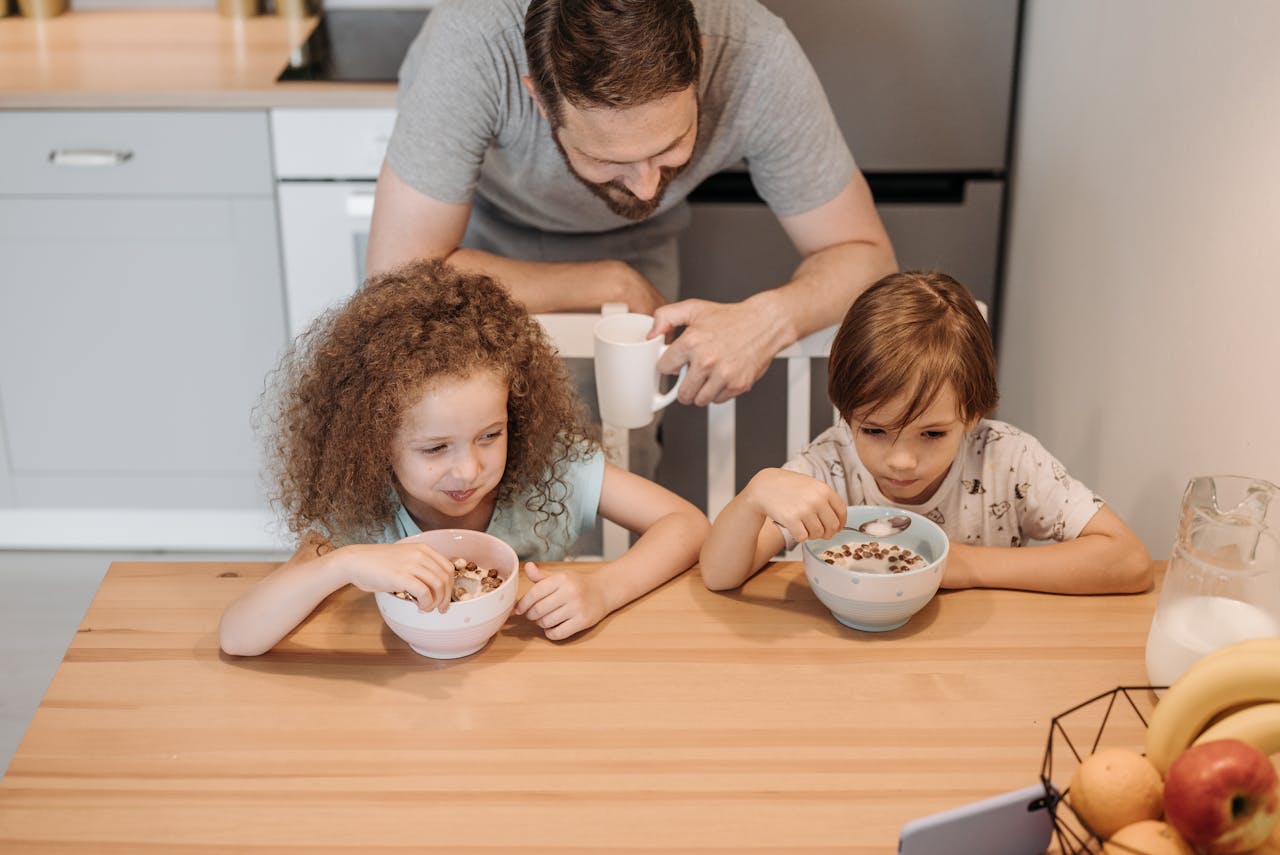
Consistency in peaceful moments, like unhurried breakfasts or bedtime chats—teaches children that they are safe and valued. Over time, these rituals form emotional anchors that children carry into adulthood. Psychologists note that predictable calm builds attachment and confidence, showing children that love is steady, not conditional on performance or speed.
Why Modern Families Need It Most
Today’s families juggle more than ever: dual incomes, extracurriculars, and constant digital noise. Creating a no-rush zone is a way to protect the family’s emotional bandwidth. It reminds everyone that being present together matters more than being everywhere at once. In slowing down, families reclaim something technology can’t replicate, undistracted attention.
Creating a Culture of Unhurried Living
Building a slower rhythm at home isn’t about doing less, but about doing things with intention. It requires reshaping habits, redesigning space, and reframing priorities. When a family collectively commits to slowing down, harmony follows naturally.
Designing Physical “No-Rush” Spaces
Environment influences behavior. A quiet reading nook, a tech-free dining table, or a cozy backyard corner can all become physical signals to slow down. Studies in environmental psychology reveal that clutter and noise elevate stress, while calm, minimal spaces promote relaxation and bonding. By intentionally curating such zones, families set a tone of mindfulness and simplicity.
Practicing Mindful Transitions
One of the most stressful times for families is during transitions, getting ready for school, winding down for bed, or preparing for outings. Allowing extra time during these transitions reduces tension and teaches children planning and self-awareness. Parents who pause instead of pushing during these moments help kids internalize patience and prevent emotional overload.
Balancing Activity and Stillness
Modern life glorifies constant motion, but balance requires both energy and rest. Families can benefit from alternating active pursuits, like sports or chores, with moments of quiet reflection, reading, or conversation. This balance strengthens focus and prevents burnout. Children learn that calm isn’t the absence of fun; it’s the rhythm that sustains it.
The Emotional Benefits of Living Without the Clock

The emotional dividends of slowing down are profound. Families who create time to breathe and listen build deeper trust, emotional maturity, and lasting harmony. The unhurried pace strengthens every relationship within the home.
Fostering Emotional Intelligence
When parents handle stressful moments without rushing, they model calm problem-solving and empathy. Children mirror this behavior, developing stronger emotional intelligence. Psychologists emphasize that emotional regulation is best learned through lived example, not lectures. By choosing calm over chaos, families nurture resilience that extends far beyond childhood.
Strengthening Communication
In no-rush moments, communication becomes more meaningful. Without devices or deadlines, conversations unfold naturally. Parents can listen deeply, and children can express themselves without fear of interruption. This kind of dialogue, rooted in patience, reduces misunderstandings and strengthens bonds, turning small talks into moments of connection.
Reconnecting with Joy and Play
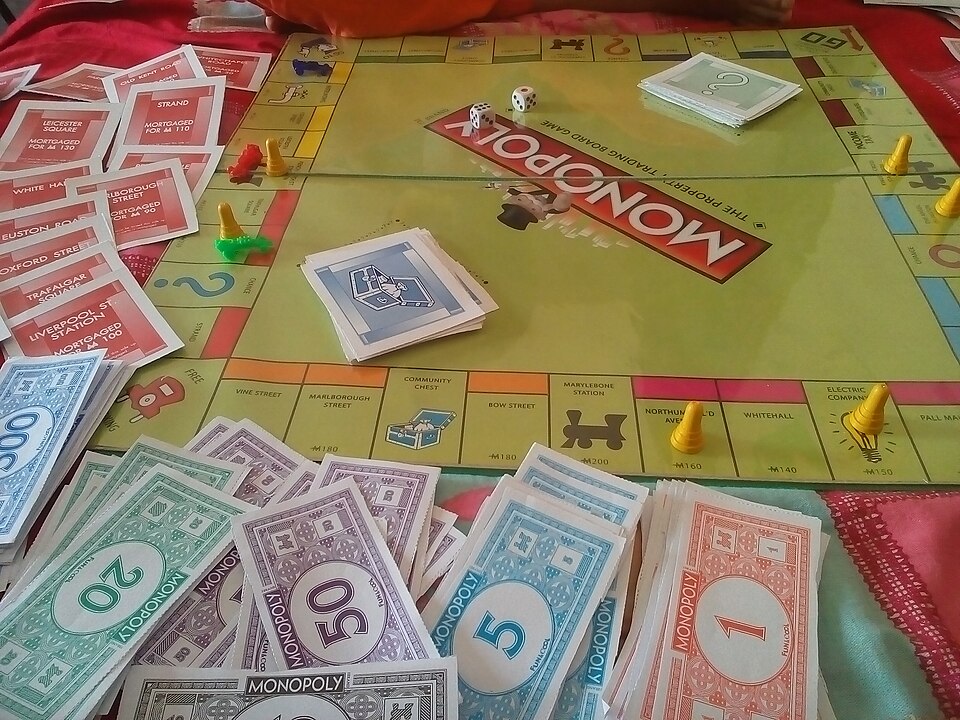
When the family calendar isn’t packed, there’s room for spontaneous joy, board games, baking together, evening walks. Unhurried play stimulates dopamine, which scientists link to improved mood and bonding. These shared experiences build positive memories and remind everyone that laughter and simplicity are just as important as achievement.
Returning to What Matters Most
Creating “no-rush” zones is ultimately an act of resistance against a culture that equates busyness with worth. In slowing down, families rediscover what truly sustains them: conversation, empathy, patience, and shared joy. The peace that follows isn’t accidental, it’s cultivated through deliberate attention to what matters most. When time stops being a tyrant, love has room to grow.