
Having children is one of the biggest decisions a couple can make together. Yet many partners dive into parenthood without fully understanding each other’s motivations, expectations, or fears. Talking openly about why each person wants, or doesn’t want, children builds emotional clarity and prevents future conflict. Parenthood should begin with alignment, not assumption.
Understanding the “Why” Behind Parenthood

Discussing the reasons for wanting children reveals the deeper emotional, cultural, and personal motivations behind the decision. These conversations ensure that parenthood is entered into consciously, with both partners feeling heard and respected.
Exploring Emotional Motivations
For some, the desire for children comes from love and nurturing instincts; for others, it may stem from legacy, loneliness, or societal pressure. Couples who explore these emotions gain insight into their true readiness for parenting. Understanding each other’s motivations helps prevent resentment later, especially when challenges arise that test those early ideals.
Recognizing Cultural and Familial Influences
Cultural and family expectations can shape how people view parenthood. Some feel pressure to continue family traditions or meet parental expectations. By discussing these influences, couples can separate personal desires from external obligations. This awareness ensures that the choice to have children is driven by genuine intent, not inherited duty.
Aligning Dreams and Expectations
Children inevitably reshape a couple’s lifestyle, priorities, and future plans. Talking about long-term visions, career goals, living arrangements, financial stability, and emotional readiness, helps couples align their dreams before making such a transformative decision. Alignment doesn’t require identical views but mutual respect and shared commitment.
Navigating Fears and Responsibilities
Parenthood is both rewarding and demanding. Honest conversations about fears, doubts, and responsibilities can strengthen the relationship and prepare both partners for the realities of raising a child together.
Discussing Emotional and Physical Readiness
Parenting requires emotional resilience and patience. Couples who talk about their readiness, mentally, physically, and financially, approach the decision with maturity. They can also evaluate how well they manage stress together, since parenting amplifies existing relationship dynamics.
Understanding Financial and Lifestyle Impacts
Children come with significant financial responsibilities, education, healthcare, housing, and daily needs. Discussing these realities ensures that both partners understand what sacrifices may be required. Couples who plan early can reduce anxiety, share responsibilities, and avoid power imbalances related to income or caregiving roles.
Defining Roles and Expectations
Every couple has unique visions of parenting, who stays home, who works, how discipline is handled, and what values are prioritized. Discussing these expectations early creates alignment and minimizes conflict. When couples know what each partner values most, they can support each other instead of clashing over differences in approach.
Strengthening the Relationship Before Becoming Parents
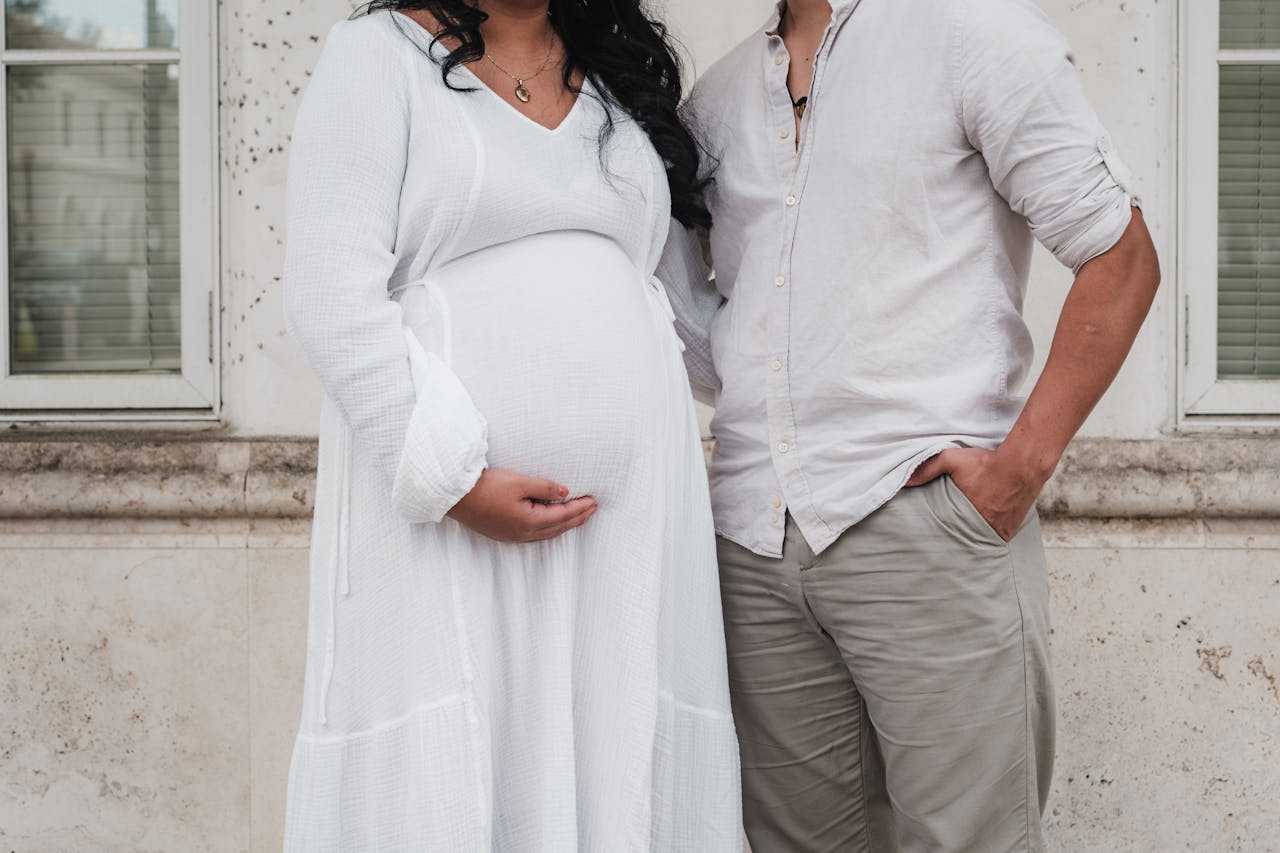
The quality of a couple’s relationship deeply affects their experience as parents. Discussing the decision together not only clarifies intentions, it strengthens the partnership itself. Couples who communicate openly about such a profound choice tend to handle future parenting challenges with greater empathy and teamwork.
Building a Culture of Open Communication
Parenthood will demand thousands of decisions, from bedtime routines to educational choices. When couples already practice open, judgment-free communication, these future decisions become smoother. Talking honestly about having children builds trust and sets the tone for future cooperation.
Addressing Differences with Compassion
Not all couples will share identical desires about children, and that’s okay. What matters is how those differences are handled. Compassionate dialogue allows each partner to feel understood, even when agreement isn’t immediate. Some couples may need time, reflection, or counseling to reach alignment, but open discussion keeps the relationship grounded in respect.
Preparing for Emotional Change
Parenthood changes identity, priorities, and the relationship itself. Discussing these potential shifts helps partners prepare mentally and emotionally. Couples who anticipate these changes are less likely to feel lost or disconnected after becoming parents, they approach the transition as a shared evolution rather than an upheaval.
Choosing Parenthood Consciously, Not Conventionally
Having children should never be a reflexive step, it should be an intentional choice made by two people who understand themselves and each other. Open conversations about motivations, fears, and expectations turn this deeply personal decision into an act of love and maturity. When both partners share the same vision, they enter parenthood not just as individuals, but as a united team ready for the challenges and joys ahead.