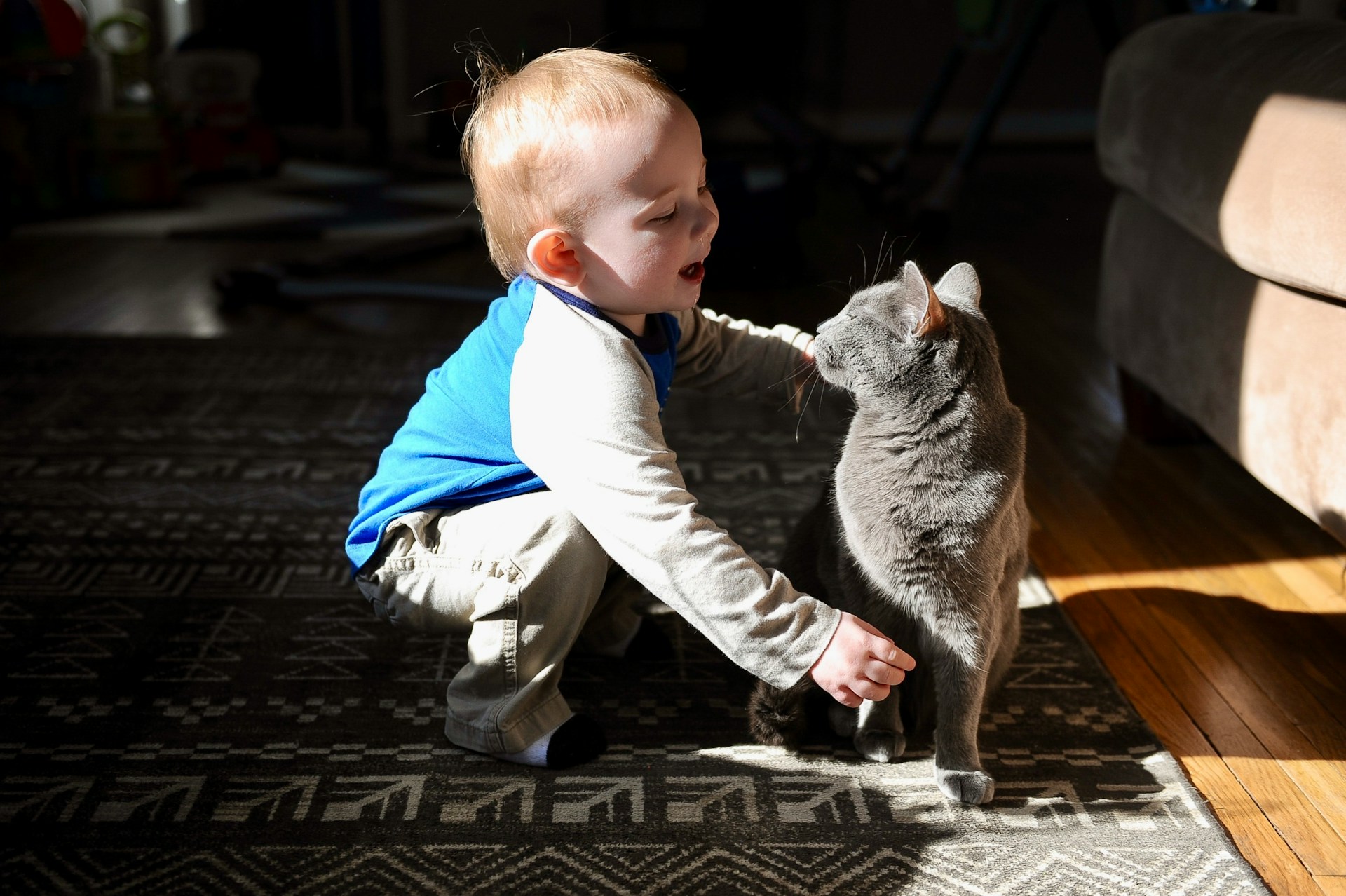
Caring for a pet has long been considered one of the most effective ways to teach children important life skills. Beyond the joy of companionship, pet ownership brings lessons about responsibility, empathy, and emotional awareness. For children, looking after animals provides experiences that shape their character and prepare them for future responsibilities.
The Responsibility of Caring for Another Life
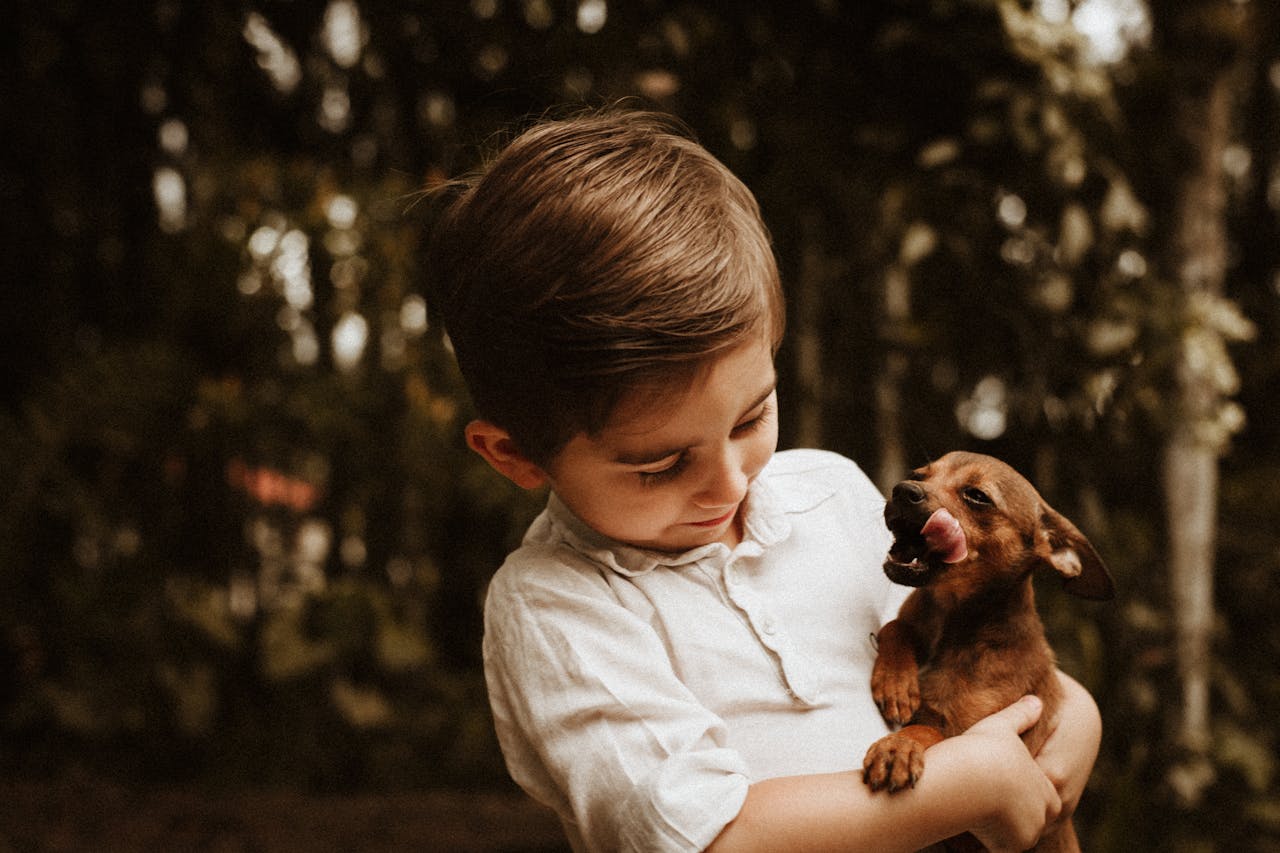
Owning a pet is often a child’s first introduction to being accountable for another living being. From feeding schedules to cleaning up, the routines teach kids consistency and reliability. These responsibilities reinforce the idea that actions have consequences, not only for themselves but also for the well-being of others.
Developing Daily Habits
Pets require consistent care, feeding, grooming, and exercise. When children take part in these tasks, they learn how daily habits build stability. This routine teaches them the importance of showing up every day, even when they don’t feel like it, a lesson that later translates into school and work.
Understanding Time and Commitment
Pets live for many years, and children learn early that caring for them is not a short-term activity. This teaches commitment, showing kids that responsibilities cannot be abandoned when interest fades. Through this, children discover the importance of long-term dedication and follow-through.
Building Accountability
When kids understand that forgetting to feed or walk a pet has direct consequences, they develop accountability. They realize that their actions impact others, building awareness that responsibility goes beyond themselves. This prepares them for greater independence as they grow older.
Compassion Through Connection with Animals
Caring for pets nurtures compassion by helping children develop empathy for beings who cannot speak for themselves. By meeting an animal’s needs, kids learn to interpret emotions and respond with kindness.
Recognizing Emotions in Others
Children begin to notice when pets are hungry, tired, or scared, learning to interpret nonverbal cues. This skill translates into greater emotional intelligence, helping them recognize emotions in people as well. They practice patience, gentleness, and care in their interactions.
Nurturing Through Caregiving
When a child comforts a scared dog during a thunderstorm or gently handles a sick pet, they are practicing nurturing behaviors. These experiences build compassion and reinforce the value of kindness. Over time, this nurturing role expands into their relationships with friends, family, and eventually their own children.
Learning About Life and Loss
Pets also provide children with a profound lesson about the life cycle. While joyful moments dominate, caring for a pet also includes coping with illness or loss. These experiences help children develop resilience and compassion, preparing them for the realities of life and relationships.
Lessons That Extend Beyond the Home
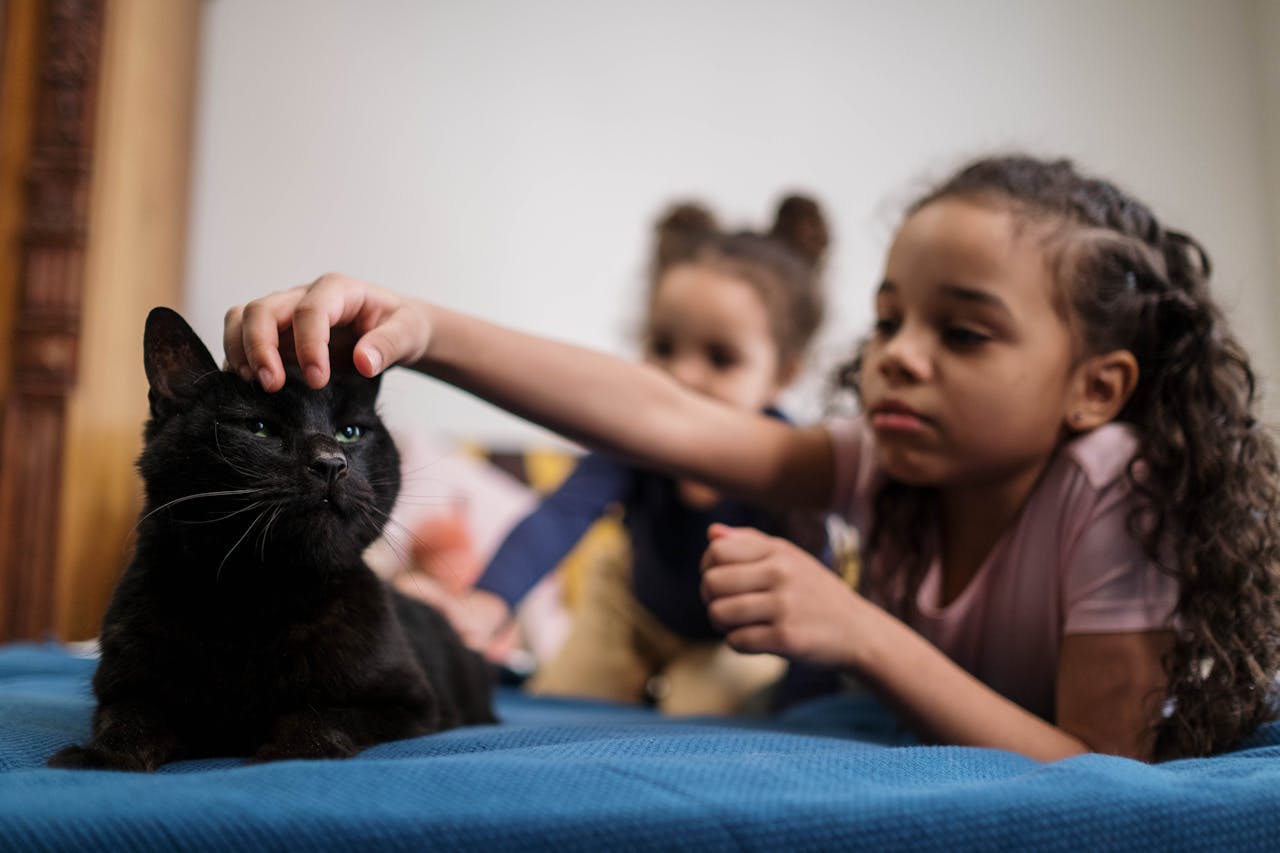
The responsibility and compassion gained from pet care extend into children’s broader lives. The discipline they develop in caring for animals equips them for challenges at school, work, and in their future families.
Responsibility in School and Work
Children who learn to care for pets often carry those skills into academic settings. They are more likely to be punctual, consistent, and reliable. This early training in accountability provides them with a foundation for managing homework, deadlines, and eventually workplace expectations.
Building Social Connections
Pets also serve as social bridges. Children who walk dogs or bring stories of their pets to school often find it easier to connect with peers. Shared love for animals becomes a common ground, helping build friendships and communication skills.
Preparing for Future Roles
The skills learned in pet ownership translate into broader responsibilities as children grow older. Whether it’s caring for younger siblings, volunteering, or managing their own households one day, the lessons in responsibility and compassion endure. Pets are often a child’s first experience with caregiving, preparing them for the responsibilities of adulthood.
Pets: A Child’s First Teacher
Encouraging children to care for pets offers more than companionship, it provides lessons that shape who they become. From daily routines that instill discipline to compassionate responses that nurture empathy, pet care builds both character and capability. These lessons extend beyond the home, preparing children for responsibilities, relationships, and challenges in their future lives. A pet may be a child’s first teacher in responsibility and compassion, and the lessons last a lifetime.