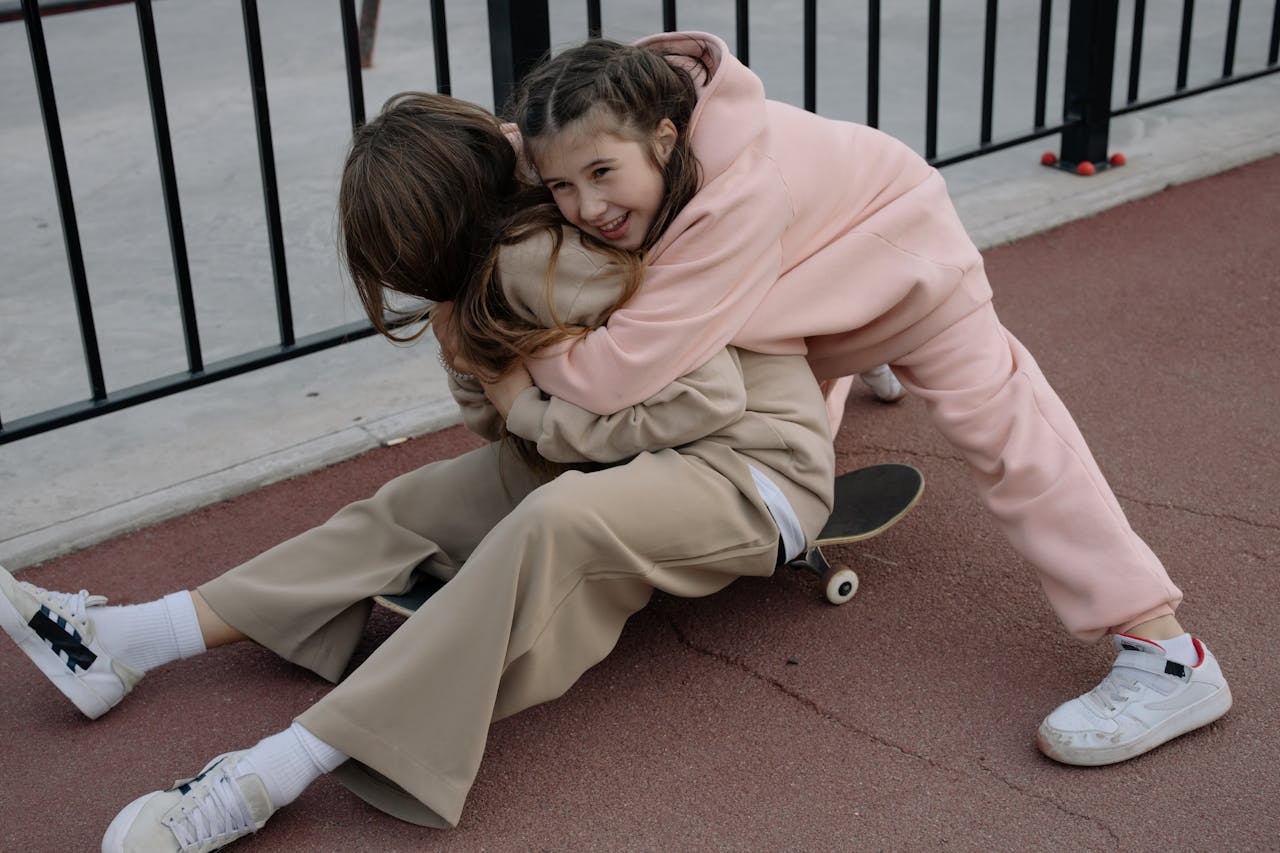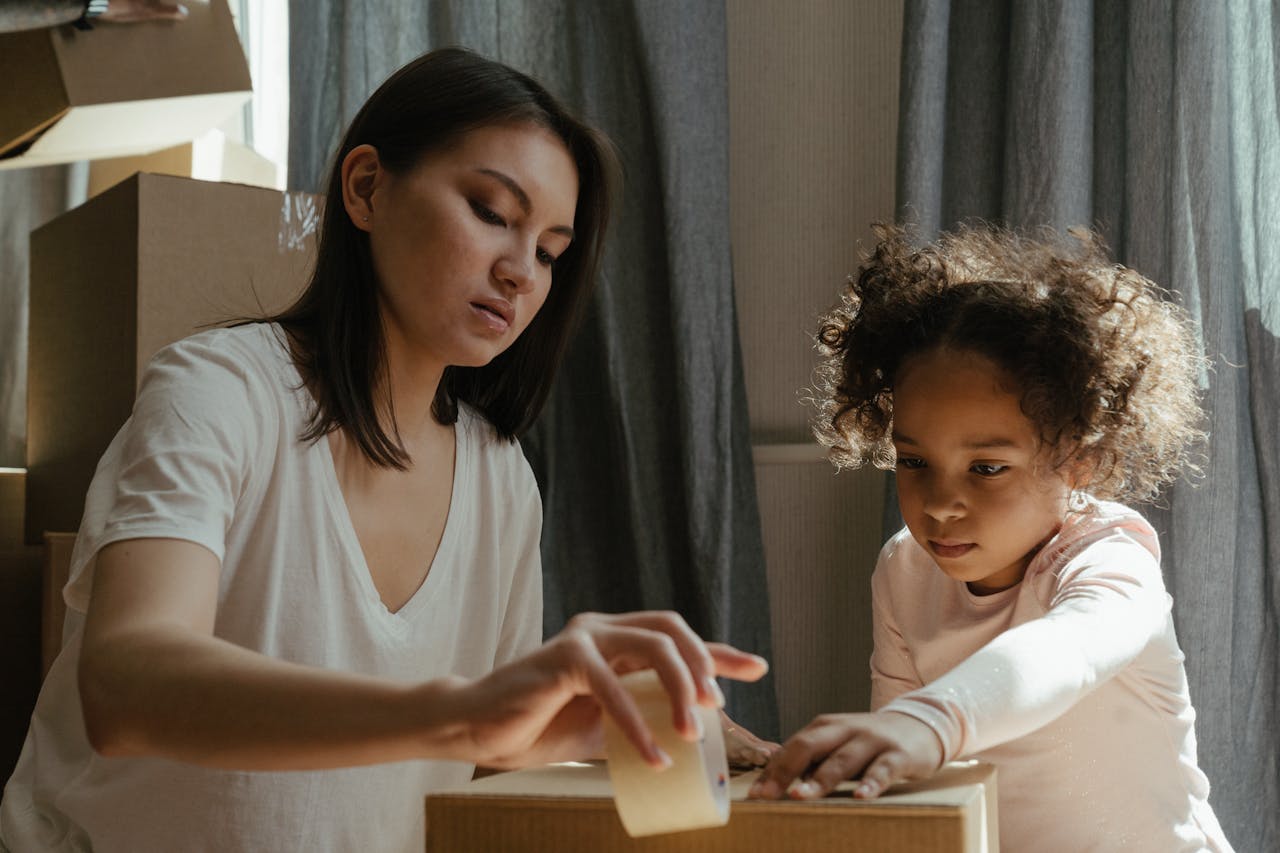
Decluttering often begins as a simple effort to regain space or create order, but when done together as a family, it becomes something deeper. Beyond cleaner rooms and organized closets, this shared process can teach values, build stronger relationships, and reshape how children view their possessions and responsibilities. Decluttering as a family isn’t just about letting go of clutter, it’s about holding on to what truly matters.
Decluttering Builds Responsibility and Respect

When families tidy together, they learn accountability in a way that daily chores alone can’t provide. Children begin to understand that the environment they live in reflects shared effort and care. This process teaches not only organization but also the principles of ownership and stewardship.
Teaching Ownership Through Involvement
Allowing kids to decide what stays and what goes helps them take ownership of their environment. Instead of parents dictating what to keep, children become active participants in managing their space. This sense of control fosters independence, while the decision-making process strengthens emotional intelligence as they learn to distinguish between need and attachment.
Learning Accountability for Shared Spaces
Decluttering shared spaces, like the living room or garage, teaches kids that everyone contributes to the home’s well-being. It builds empathy as children recognize how their clutter affects others. Parents who model this teamwork help their children see tidiness not as a chore imposed by adults, but as a mutual act of respect that benefits the whole family.
Building Habits That Last
Studies on family routines show that children who participate in household tasks develop stronger executive functioning and organizational skills. Regular family decluttering sessions can establish habits that last into adulthood, making future tasks like managing dorm rooms or apartments feel second nature. These experiences lay the groundwork for a more mindful and balanced lifestyle later in life.
Decluttering Nurtures Gratitude and Mindful Consumption
The act of sorting through possessions forces us to reflect on what we value. For children, this can be a powerful introduction to gratitude, sustainability, and intentional living. Decluttering offers an opportunity to discuss where things come from, why they matter, and how giving can bring joy.
Understanding Value Beyond Possession
When children sort through toys, books, and clothes, they begin to grasp that happiness doesn’t come from accumulation. Parents can guide conversations about how items once brought joy but no longer serve a purpose. This reflection fosters gratitude for what they already have, helping them resist the culture of constant consumption.
Encouraging Donations and Acts of Giving
Donating unused items introduces children to empathy in action. Explaining how their toys can brighten another child’s day helps them connect generosity with purpose. According to child development experts, acts of giving strengthen moral development and social awareness, making decluttering both emotionally and ethically rewarding.
Creating Awareness of Environmental Impact
Decluttering also opens the door to conversations about sustainability. Families can discuss how reusing, recycling, and donating items reduce waste and protect the planet. When children understand how their consumption affects the environment, they begin to value experiences and people over possessions, a lesson that extends far beyond the home.
Decluttering Strengthens Family Bonds and Emotional Resilience
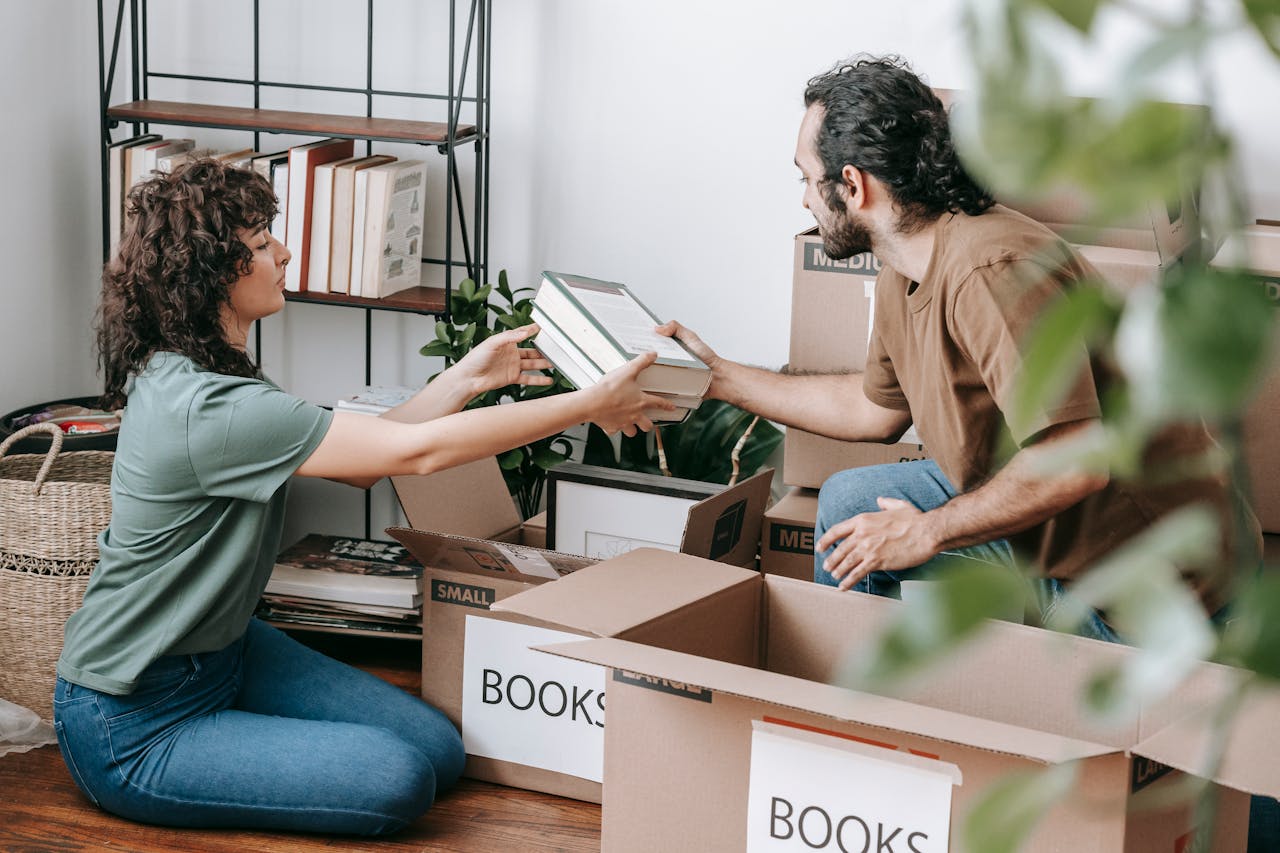
Tidying up together often brings laughter, memories, and sometimes tears. Sorting through old photos, toys, or clothes can evoke nostalgia and spark meaningful conversations. In these shared moments, families don’t just clean, they connect.
Sharing Memories and Family Stories
Decluttering can transform into a storytelling session as parents reminisce about old items, a stuffed animal from childhood or a worn-out family board game. These stories give children a sense of continuity and belonging. Psychologists note that children who know their family’s history often display greater emotional resilience and self-esteem.
Modeling Emotional Letting Go
Letting go of sentimental items can be difficult for both parents and children. By navigating those emotions together, families model healthy coping mechanisms. Children learn that it’s okay to feel attached but also okay to move on, a valuable emotional skill that prepares them for life’s many transitions.
Turning a Task into Quality Time
What starts as housework can become a bonding ritual. Turning on music, assigning roles, or setting small goals can make decluttering feel like teamwork rather than labor. These shared experiences foster cooperation and communication, proving that the simplest domestic acts can strengthen the family fabric.
Keeping the Spirit of Simplicity Alive
When families declutter together, they do more than organize, they reshape their mindset. They learn to appreciate less, connect more deeply, and create homes that reflect shared values rather than trends. A tidy space becomes a symbol of clarity, gratitude, and harmony. In a world that constantly demands more, families that declutter together rediscover the peace of enough.