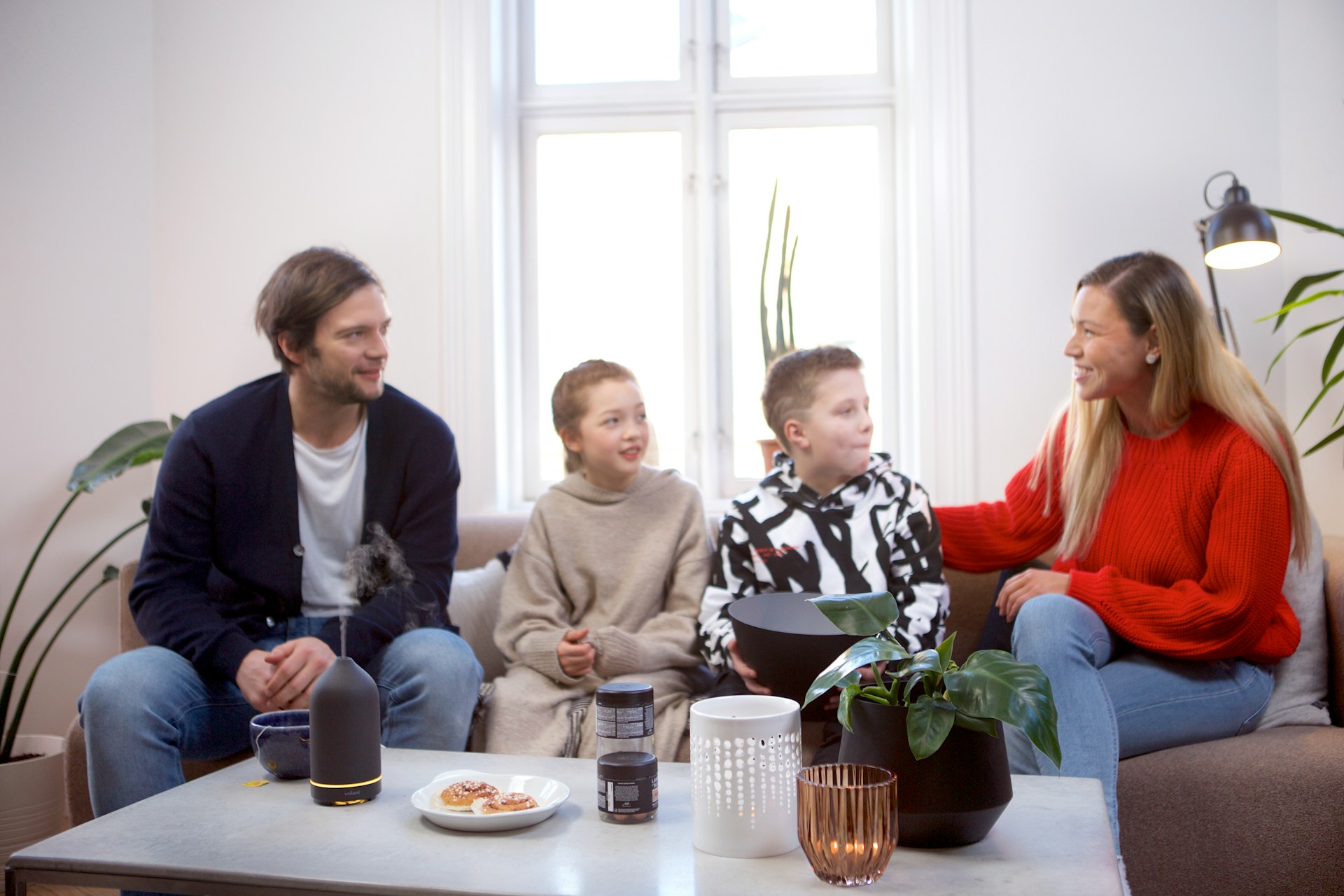
Children are not only shaped by how parents interact with them directly but also by how parents interact with one another. When kids see couples managing disagreements with respect, they learn important lessons about communication, empathy, and resilience. A respectful home environment provides both security and a model for handling challenges that children carry into adulthood.
The Power of Modeling Healthy Communication
Children observe more than they are directly taught, and parental conflict is one of the strongest behavioral cues they absorb. Couples who argue fairly, without insults, shouting, or withdrawal, show children that differences can be worked through without destroying relationships. This creates a sense of emotional safety and equips kids with the tools to manage their own future conflicts.
Teaching Calm Expression Over Aggression
When couples handle disagreements by calmly stating their feelings, children learn that anger and frustration can be expressed without hostility. Studies in child psychology show that kids who witness constructive problem-solving develop higher emotional regulation. Instead of fearing arguments, they see them as normal, manageable parts of life. Calm expression also reduces the anxiety children might feel when conflict arises at home.
Showing Respect Even in Disagreement
Respectful conflict resolution means listening, not interrupting, and acknowledging the other person’s perspective. This doesn’t imply total agreement, it’s about maintaining dignity in disagreement. Children raised in this environment learn that respect is not conditional on winning or losing but is a constant in healthy relationships. They carry this lesson into friendships, school settings, and eventually, their own partnerships.
Avoiding the Harm of Silent Tension
Some couples avoid open conflict, believing silence spares children. Research, however, shows that children sense underlying tension, which can cause more distress than open but respectful disagreement. Silence often leaves kids confused, filling in gaps with worry or self-blame. By showing that conflicts can be addressed openly, couples teach children that resolution is healthier than avoidance.
Building Emotional Security Through Conflict Resolution
Beyond learning communication, children gain emotional security when parents manage disagreements constructively. A child’s sense of safety is tied not only to how parents treat them but also to how parents treat each other. When kids see love and respect persist through disagreements, they internalize stability even during challenges.
Creating a Predictable Environment
Consistency in how parents handle conflicts prevents children from living in fear of explosive arguments. Predictability reassures them that even if tensions rise, it won’t destabilize the family environment. This security fosters resilience, as children know they are in a safe space where emotions are managed rather than suppressed or escalated.
Reducing Emotional Burden on Children
In households where conflicts are hostile or unresolved, children often feel pressure to take sides or act as mediators. Respectful resolution lifts this burden, allowing children to remain children rather than peacekeepers. They learn that it is not their responsibility to fix adult problems, which reduces long-term stress and fosters healthier emotional development.
Teaching Adaptability and Problem-Solving
When couples resolve conflicts productively, they teach adaptability, problems may be inevitable, but solutions are possible. Children exposed to this mindset are more resilient in school, friendships, and challenges outside the home. They approach difficulties with problem-solving strategies rather than avoidance or aggression. This adaptability becomes a lifelong skill.
Preparing Children for Future Relationships
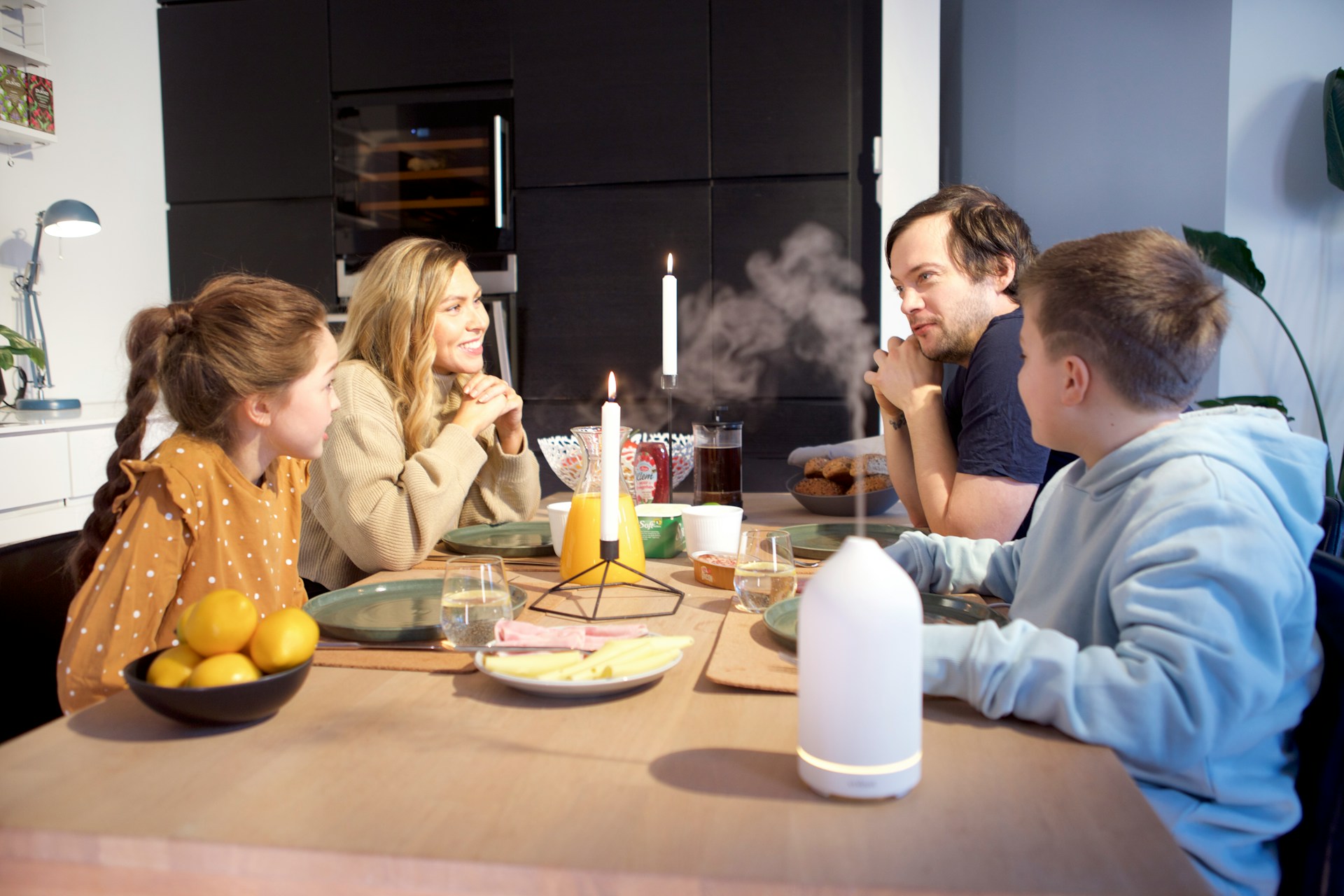
Perhaps the most lasting impact of respectful conflict resolution is how it shapes children’s future interactions. Kids grow into adults who often mirror the relational patterns they witnessed at home. By observing respectful conflict, they gain a blueprint for healthy communication and enduring relationships.
Preventing Cycles of Dysfunction
Children who grow up in homes with hostile or dismissive conflict patterns are more likely to replicate those behaviors in adulthood. Breaking this cycle begins with modeling respectful disagreement. Parents who demonstrate fairness and empathy teach their children that conflict doesn’t have to be destructive, breaking generational patterns of dysfunction.
Encouraging Open Communication in Their Lives
Kids who witness open discussions at home are more likely to voice their own concerns with confidence. They do not fear conflict but approach it with honesty. This makes them stronger communicators in school, friendships, and eventually careers. They understand that disagreement is not rejection but an opportunity for understanding.
Nurturing Emotional Intelligence
Respectful conflict management enhances emotional intelligence in children. They learn to recognize feelings, regulate reactions, and respond empathetically to others. Emotional intelligence, in turn, is a predictor of resilience, academic achievement, and professional success. Parents who resolve conflicts respectfully are not just protecting their marriage; they are cultivating emotionally intelligent children.
Respectful Fights, Stronger Kids
Couples who resolve conflicts respectfully give their children more than peace of mind; they provide a lifelong toolkit for resilience. By modeling calm expression, fostering security, and preparing them for healthy future relationships, they shape strong, adaptable individuals. While disagreements are inevitable, handling them with respect ensures that children grow up not fearing conflict but embracing it as a natural and manageable part of life.