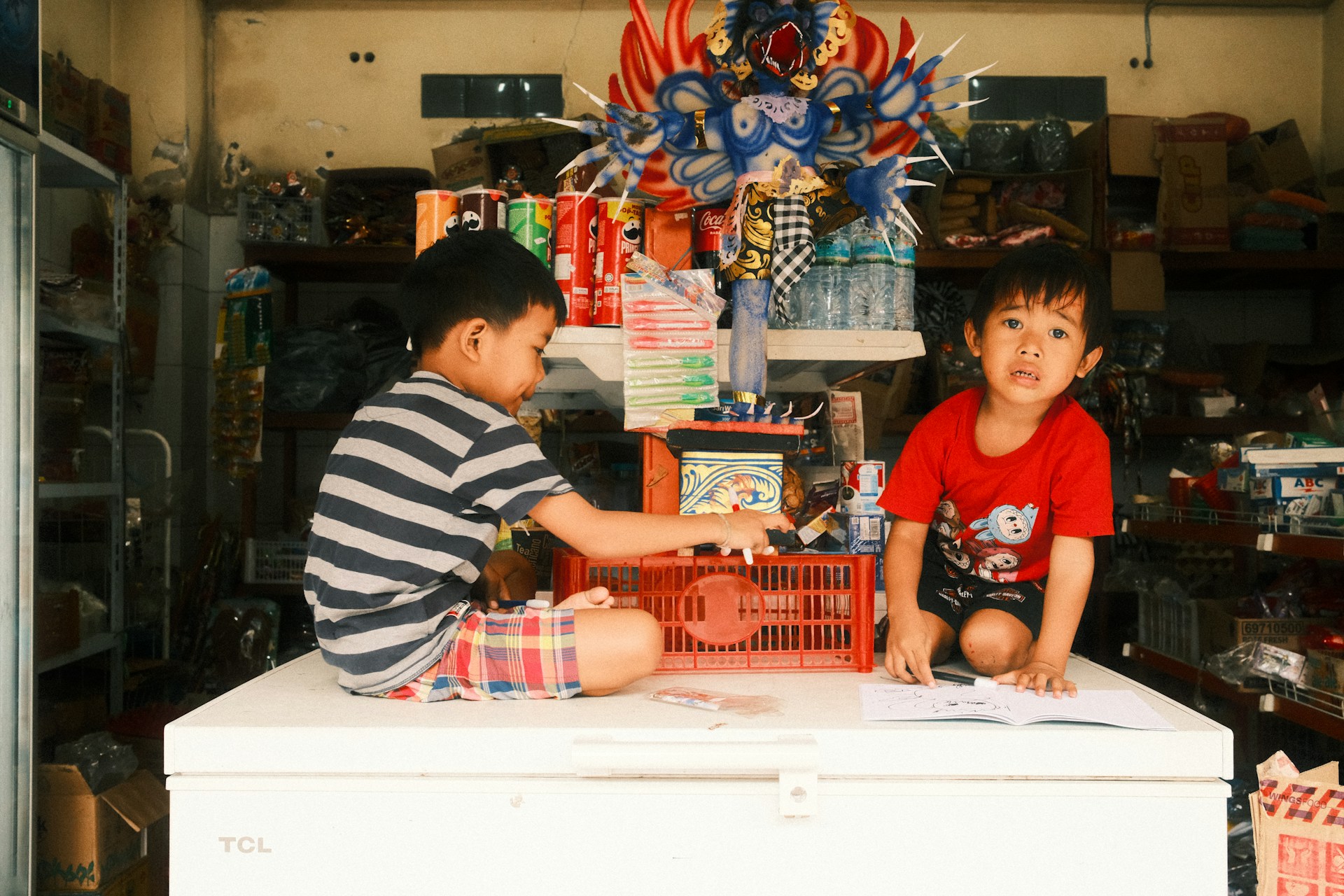
In an age filled with constant entertainment, the idea of letting children get bored can feel almost uncomfortable. Yet boredom has been shown to have powerful developmental benefits. Psychologists suggest that boredom is not merely an absence of activity but a crucial space for imagination, problem-solving, and self-reflection to take root. By allowing children to experience moments without structured entertainment, we give them the mental room to explore, create, and grow in ways that scheduled activities and digital screens often limit.
Boredom as a Gateway to Creativity
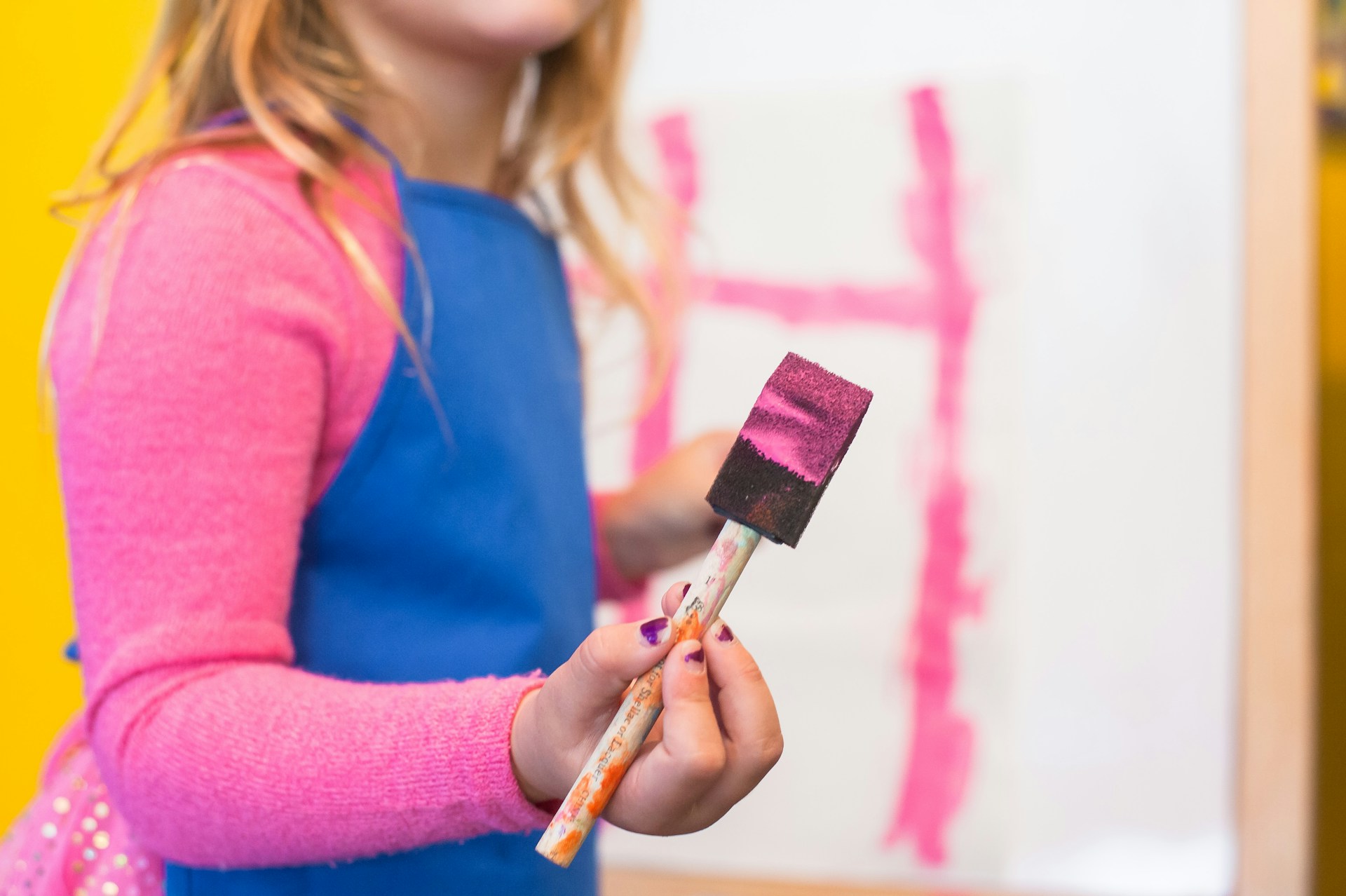
Boredom can be a powerful catalyst for creativity. When children are not given ready-made entertainment, they must use their own imagination to fill the gaps. This shift from passive consumption to active creation can lead to richer play, innovative ideas, and stronger problem-solving skills. Research in developmental psychology has found that unstructured time encourages divergent thinking, which is the ability to generate multiple solutions to a problem.
Encouraging Imaginative Play
Without constant entertainment, children often invent their own games, stories, and scenarios. A cardboard box becomes a spaceship, a blanket fort becomes a castle, and sticks become magic wands. These acts of imaginative play are essential for cognitive development, as they help children practice symbolic thinking, role-play, and narrative building. Unlike scripted toys or media, self-directed play allows children to set their own rules and outcomes.
Stimulating Problem-Solving Skills
When children experience boredom, they often encounter small obstacles, like figuring out what to do next, that require them to problem-solve. This process strengthens critical thinking and resourcefulness. Psychologists note that boredom can act as a mental “reset,” prompting the brain to seek stimulation through internal, rather than external, means. Over time, this teaches children to create opportunities rather than wait for them to be provided.
Reducing Overreliance on External Entertainment
In today’s world, screens are a quick and easy solution to boredom, but relying on them can limit a child’s ability to entertain themselves independently. When kids learn to find their own fun without a device, they become more self-sufficient. This independence not only fosters creativity but also reduces the risk of overstimulation, which is linked to shorter attention spans and increased anxiety.
Building Resilience and Self-Reliance
Boredom is not always pleasant, but learning to manage it builds emotional resilience. Children who can tolerate periods of low stimulation are better equipped to handle frustration, uncertainty, and waiting in real-life situations. In a way, boredom is a safe space to practice coping skills that will serve them well into adulthood.
Learning Patience
In a fast-paced, instant-gratification culture, patience is a skill that often gets overlooked. Experiencing boredom forces children to slow down and wait for ideas or opportunities to emerge. This waiting builds patience, which can translate into better persistence in schoolwork, hobbies, and relationships. Patience also helps children understand that meaningful experiences often require time and effort.
Developing Internal Motivation
When entertainment isn’t handed to them, children must rely on their own curiosity and interests to guide their actions. This shift from external to internal motivation is essential for personal growth. Research shows that intrinsic motivation leads to deeper engagement and longer-lasting satisfaction than extrinsic rewards. By navigating boredom, children learn to seek fulfillment from activities they genuinely enjoy rather than from external incentives.
Strengthening Emotional Regulation
Boredom can stir feelings of restlessness or irritation, and learning to cope with these emotions helps children build self-control. They begin to understand that uncomfortable feelings are temporary and can be managed without immediate distraction. Over time, this ability to regulate emotions contributes to better focus, reduced impulsivity, and greater emotional stability.
Creating Space for Reflection and Connection
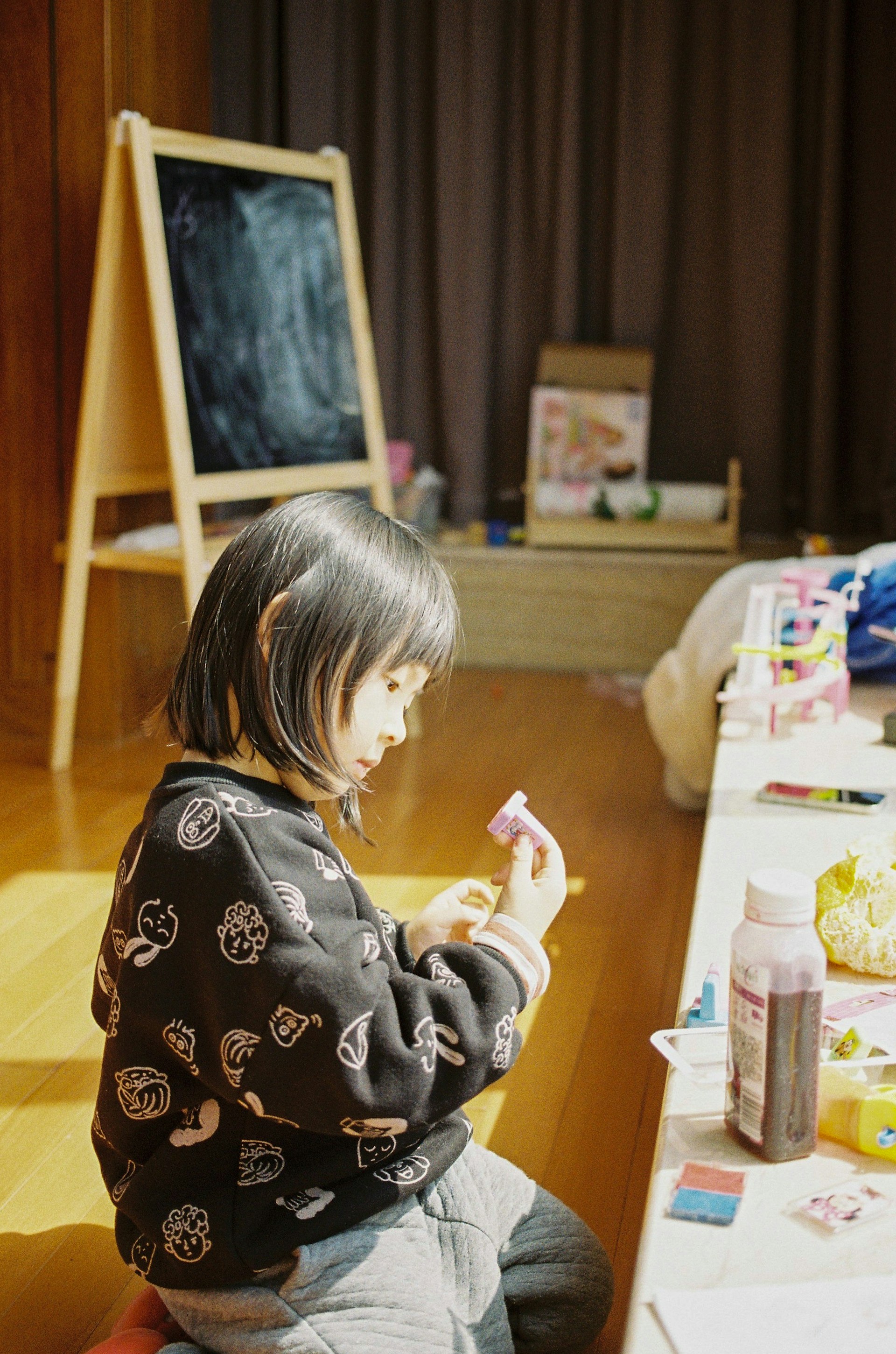
Boredom also offers valuable opportunities for self-reflection and connection with others. When children are not constantly occupied, they have the mental space to process their thoughts, notice their surroundings, and engage more meaningfully with people around them.
Encouraging Mindfulness
Periods of boredom allow children to slow down and become more aware of their environment. They may notice the sound of birds outside, the patterns in the clouds, or the rhythm of their own breathing. These quiet moments help cultivate mindfulness, a skill linked to reduced stress, improved concentration, and greater emotional balance. Mindfulness also supports empathy by encouraging children to be present and attentive.
Strengthening Family Bonds
When screens and schedules take a back seat, families often find more opportunities for spontaneous interaction. Board games, walks, or simply chatting while preparing a meal can emerge naturally from unscheduled time. These moments of shared boredom can spark deeper conversations and strengthen emotional bonds without the pressure of structured activities.
Boredom creates an open space for children to explore their interests without outside influence. In these quiet moments, they might discover a love for drawing, writing, gardening, or building. Self-discovery fosters a stronger sense of identity and confidence, as children learn what truly excites and fulfills them without the constant input of peers or media.
Allowing Time for Self-Discovery
Boredom, often seen as something to avoid, is actually an essential part of healthy child development. It fuels creativity, strengthens problem-solving skills, and teaches emotional resilience. By learning to tolerate and navigate boredom, children develop patience, independence, and a deeper understanding of themselves. These benefits extend beyond childhood, equipping them with the tools to handle life’s challenges with creativity, self-reliance, and mindfulness. In a world where constant stimulation is the norm, giving kids the gift of boredom might be one of the most valuable things we can do for their growth and happiness.