
Bedtime can often feel like a nightly negotiation between parents and children. Yet behind the protests and yawns lies one of the most powerful tools for a child’s emotional, cognitive, and physical development: a consistent bedtime routine. The quiet moments before sleep aren’t just about getting kids into bed, they’re about helping them feel safe, loved, and ready to rest. From improving brain function to strengthening family bonds, a bedtime routine is more than a ritual, it’s a foundation for lifelong well-being.
The Science Behind Bedtime Routines
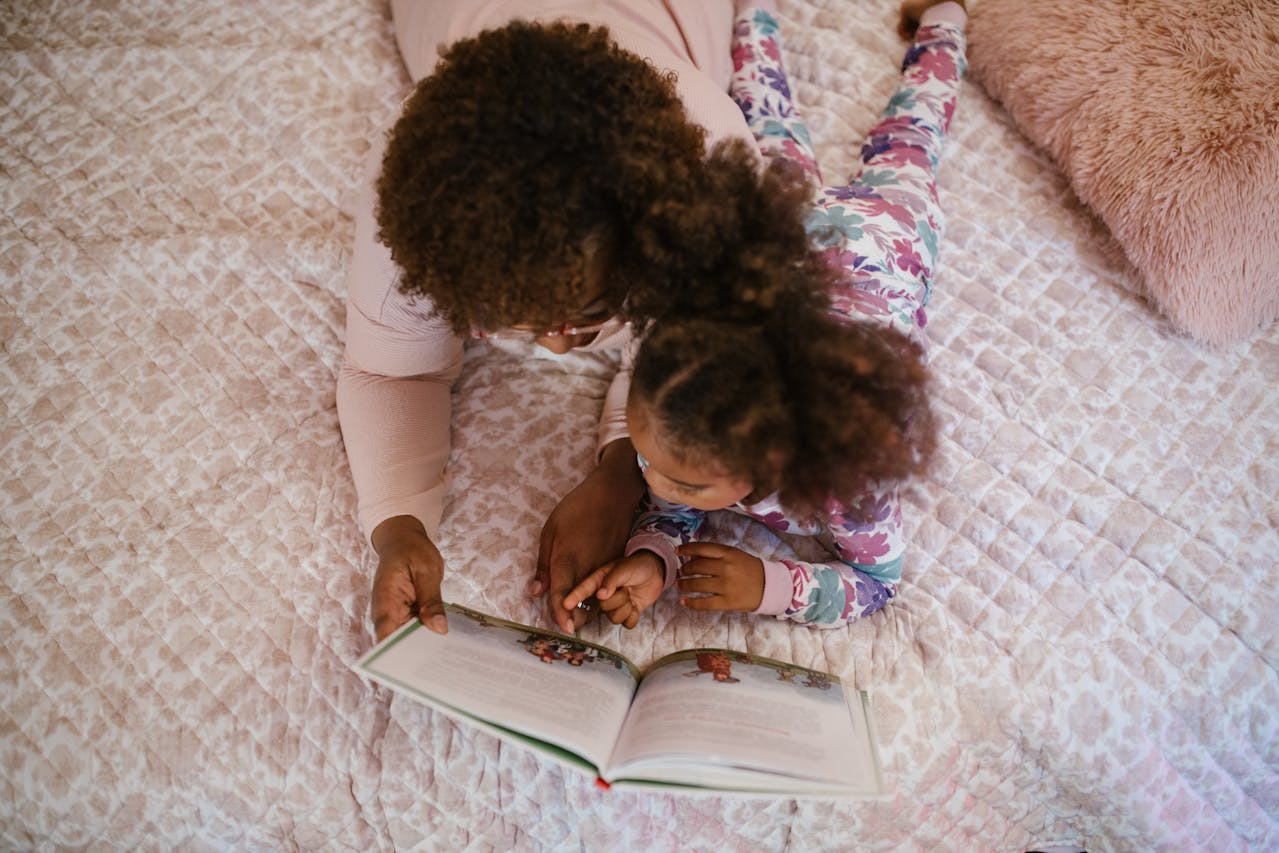
Bedtime routines may seem simple, bath, pajamas, story, but they serve critical biological and psychological functions. Consistent patterns before sleep help children’s bodies and minds transition from the activity of the day to the restfulness of night.
Supporting Healthy Sleep Patterns
According to research published in the Journal of Sleep Research, children with consistent bedtime routines fall asleep faster, wake less frequently during the night, and sleep longer overall. These routines help regulate the body’s internal clock, known as the circadian rhythm, by sending clear signals that it’s time to rest. When bedtime becomes predictable, a child’s brain learns to anticipate sleep, making the transition smoother and reducing nighttime resistance.
Boosting Brain Development and Learning
Sleep is essential for growing brains. During deep sleep, children consolidate memories, process information, and develop problem-solving skills. Neurological studies have shown that kids who maintain steady sleep routines perform better academically and show higher emotional regulation. Bedtime rituals, such as reading aloud, stimulate language development, imagination, and concentration, turning bedtime into an educational experience as well as a restful one.
Reducing Stress and Building Security
Predictability creates psychological safety. Knowing what comes next helps children feel secure, especially at the end of a long day full of stimulation. Consistent bedtime rituals lower cortisol levels (the stress hormone) and promote feelings of calm and connection. When parents engage lovingly, through stories, hugs, or gentle conversation, they help their child transition into sleep with a sense of peace and belonging.
Emotional Connection Through Routine
Bedtime routines are about more than brushing teeth or turning out the lights, they’re about connection. These moments of calm allow parents to step away from daily chaos and truly be present. Children, in turn, feel loved, listened to, and grounded before drifting off to sleep.
Creating Space for Reflection and Conversation
The quiet moments before bed often open up honest communication. Children are more likely to share their feelings, worries, or small triumphs of the day when they’re relaxed and undistracted. Psychologists note that bedtime is a prime time for emotional check-ins because it feels safe and unhurried. A short talk, a gentle question, or a few words of encouragement can build trust and emotional closeness that lasts long beyond childhood.
Strengthening Parent-Child Bonds
The routines surrounding bedtime, reading together, singing lullabies, saying prayers, create rituals of affection that strengthen attachment. These predictable patterns reassure children that their caregivers are dependable, a key factor in healthy emotional development. Parents who consistently participate in bedtime routines often find their relationships deepening, as these intimate moments provide an anchor of stability and affection in otherwise busy lives.
Teaching Emotional Regulation
Bedtime routines naturally teach self-soothing and emotional regulation. Calming activities, like dimming lights, listening to soft music, or breathing exercises, help children recognize their own emotional states and learn strategies to relax. Over time, this promotes independence: children learn not only how to fall asleep but also how to manage their feelings during times of stress.
Lifelong Habits Start at Night
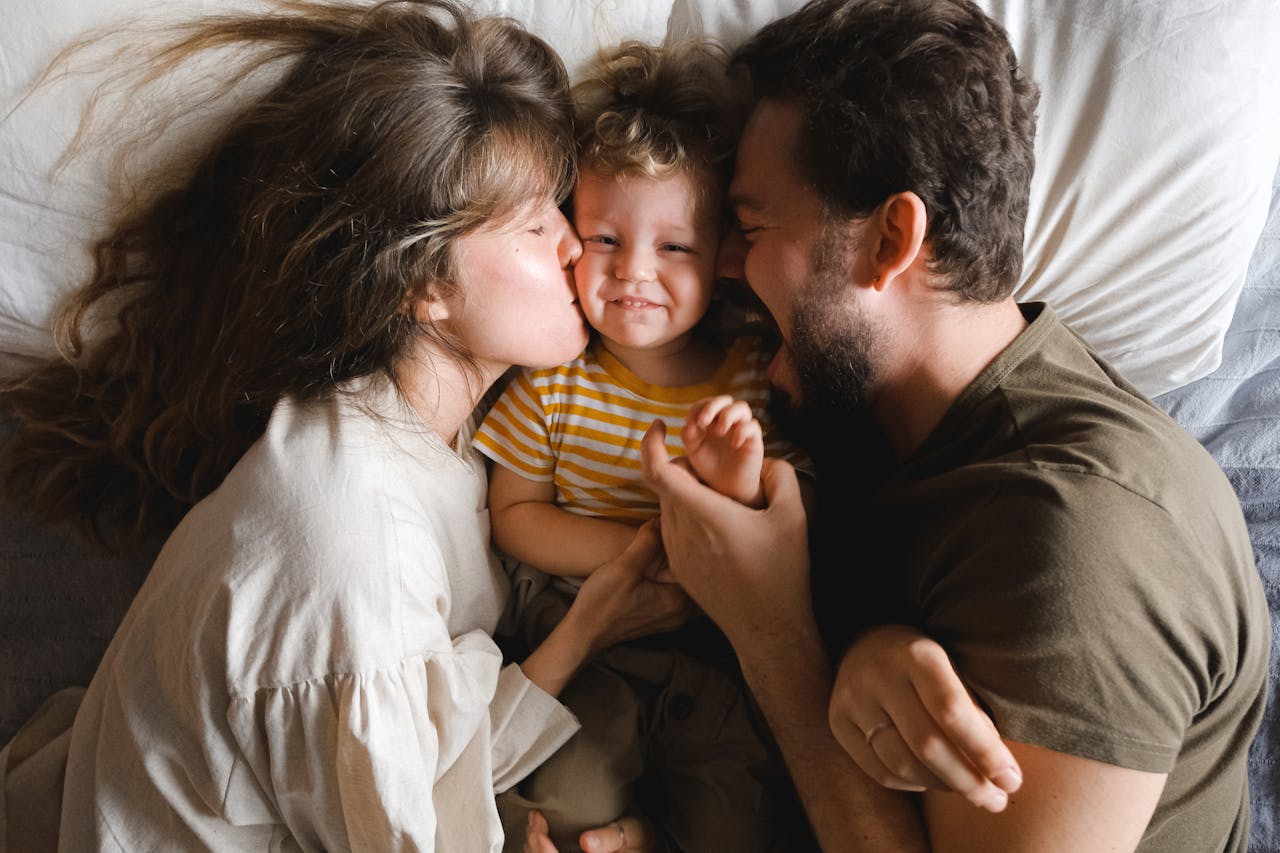
The lessons of a bedtime routine extend well into adulthood. Children who grow up with structured, positive sleep habits tend to carry those benefits forward, impacting their academic success, emotional health, and even long-term well-being.
Building Discipline and Responsibility
Having a consistent bedtime teaches discipline in small, manageable steps. When children know what’s expected of them, brushing teeth, changing into pajamas, tidying their room, they begin to internalize responsibility. Psychologists call this “behavioral scaffolding”: routines that start as parental guidance become self-motivated habits. This foundation of accountability translates into other areas, from schoolwork to self-care.
Supporting Physical and Emotional Health
Sleep is the cornerstone of health, especially for growing bodies. Pediatric sleep specialists report that children who regularly sleep the recommended 9–11 hours a night have stronger immune systems, better focus, and fewer behavioral issues. Emotionally, adequate rest stabilizes mood and enhances coping abilities. By maintaining bedtime consistency, parents set their children up for better overall health and resilience.
Encouraging Mindfulness and Calm
Bedtime can be a natural opportunity to practice mindfulness. Simple rituals like gratitude reflections or slow breathing help children wind down and become aware of the present moment. These quiet practices nurture self-awareness and patience, giving children tools to manage stress and anxiety throughout life. Parents who model calmness at bedtime teach their children that rest isn’t just a pause, it’s an act of care for mind and body.
Creating Nights That Nurture Growth
Bedtime routines are small but mighty acts of love. They teach structure, connection, and emotional awareness, all wrapped in the simple rhythm of nightly rituals. While every family’s routine may look different, the key is consistency and presence. What matters most isn’t the exact order of events but the feeling of safety and care they create.
When parents slow down and treat bedtime as sacred, it transforms from a chore into a moment of bonding and growth. It’s where laughter meets lullabies, where worries are soothed, and where tomorrow’s confidence quietly begins. Each night becomes an opportunity to show children that they are valued, protected, and deeply loved. The bedtime routine, then, is not just about getting children to sleep, it’s about helping them dream, learn, and wake up ready to face the world with peace in their hearts.