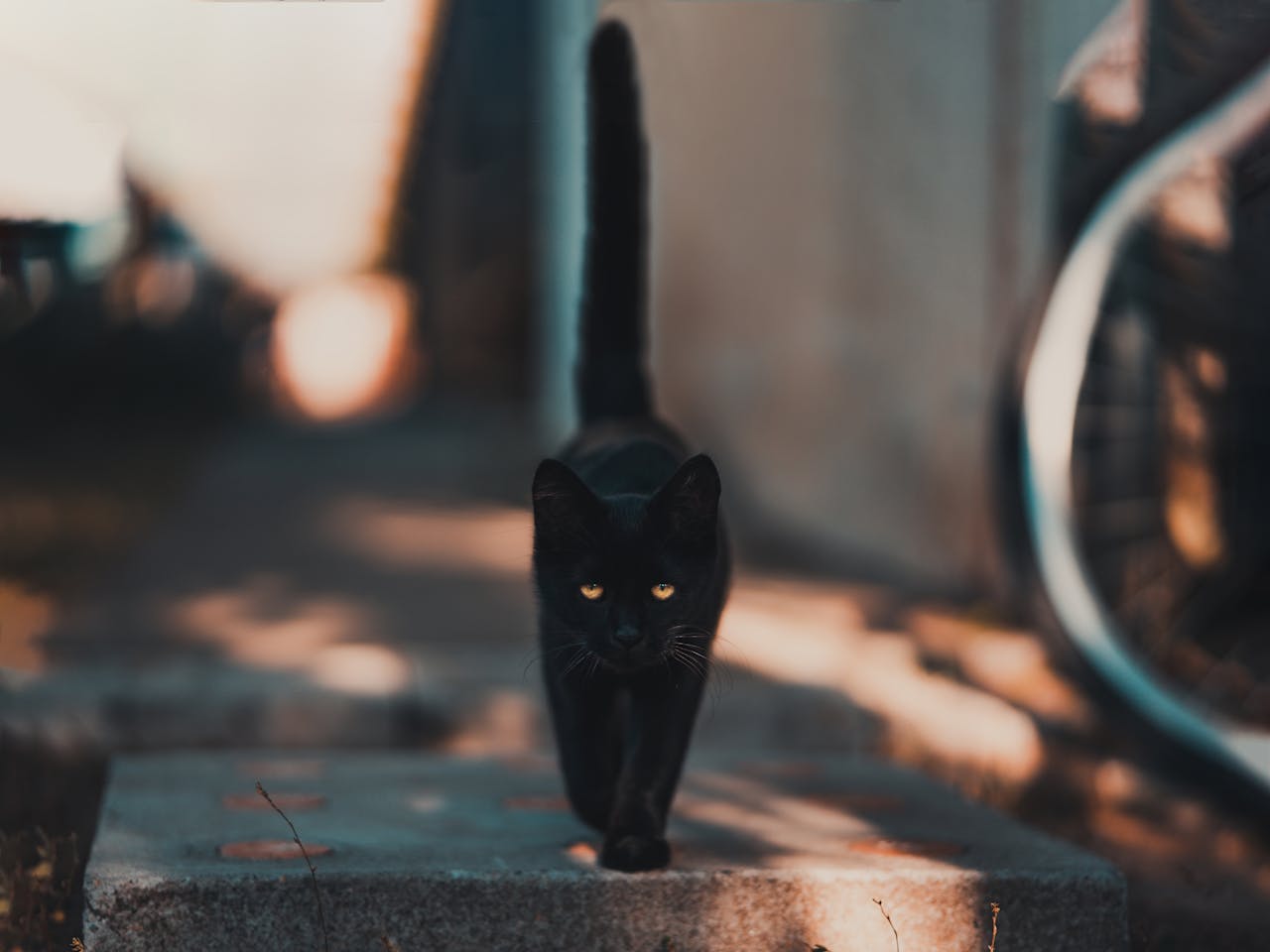
Halloween is a season steeped in folklore, superstition, and an appetite for spookiness. Of all the symbols that come to dominate October decorations, few are as ubiquitous and evocative as bats, spiders, and black cats. They lurk in corners, hang from doorways, or cast eerie silhouettes against windows. But why have these particular creatures become so central to Halloween lore? Their dominion over the season has roots in cultural taboos, mythologies, and the human fascination with things that crawl or fly in darkness.
The dark allure of bats
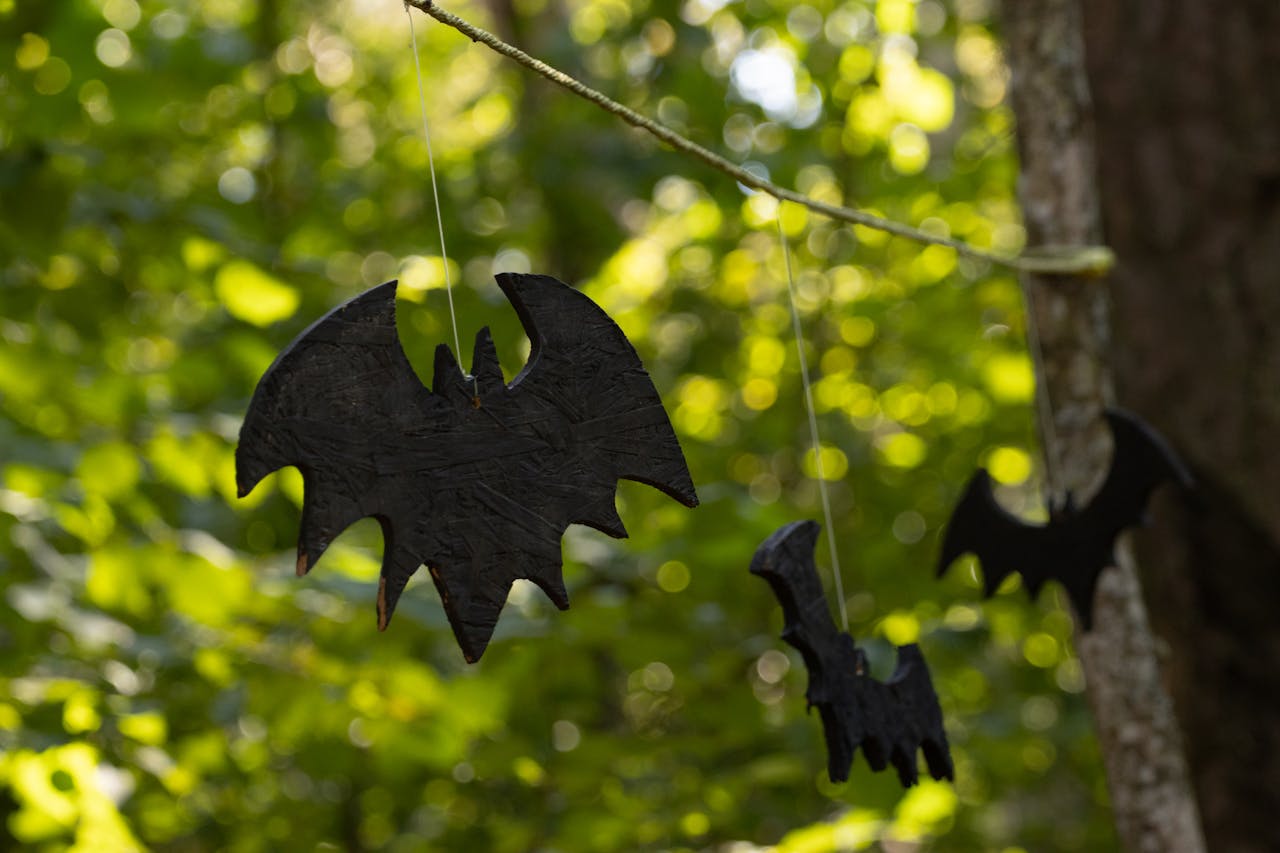
Bats have long been associated with night, darkness, and the unseen. Their nocturnal habits and sudden, darting flight invite unease. In medieval Europe, they became conflated with entities of the night such as demons and witches, largely because their dim, shadowy presence seemed supernatural. Bats regularly appear in vampire legends and Gothic literature, reinforcing their aura of mystery. Their uncanny appearance and silent wings make them ideal Halloween iconography as reminders of the boundary between the living and the unknown.
The creeping menace of spiders
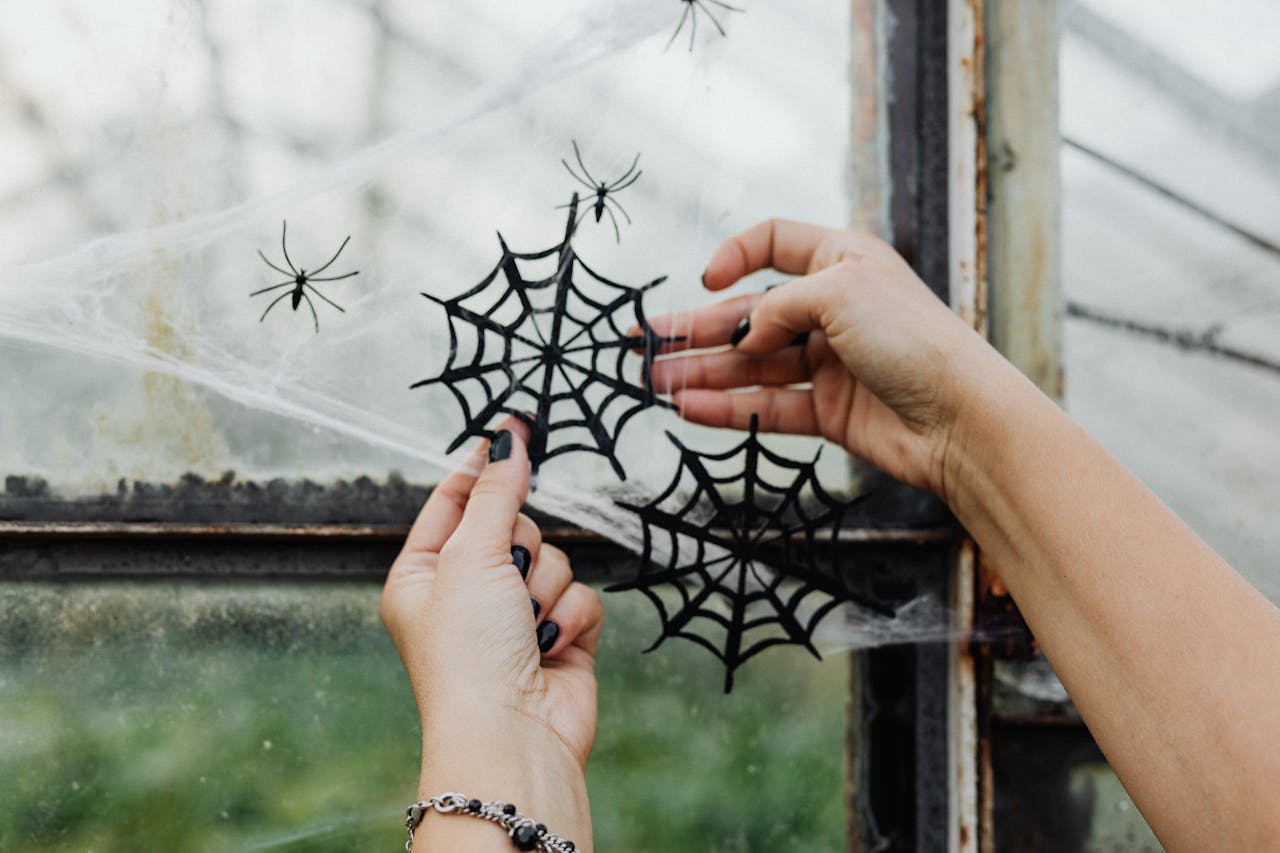
Spiders evoke a visceral reaction in many people: fear, disgust, or fascination. Their webs woven in corners, their slow crawl in dimly lit places, and their uncanny appearance lend themselves perfectly to Halloween settings. In folklore, spiders often symbolized witchcraft or omens, with webs as metaphorical traps or illusion. Because they lurk quietly and suddenly appear, and because many people harbor an instinctive fear, the spider taps into common human phobias. Their presence evokes vulnerability, as one senses an invisible snare or surprise.
The mystique of black cats
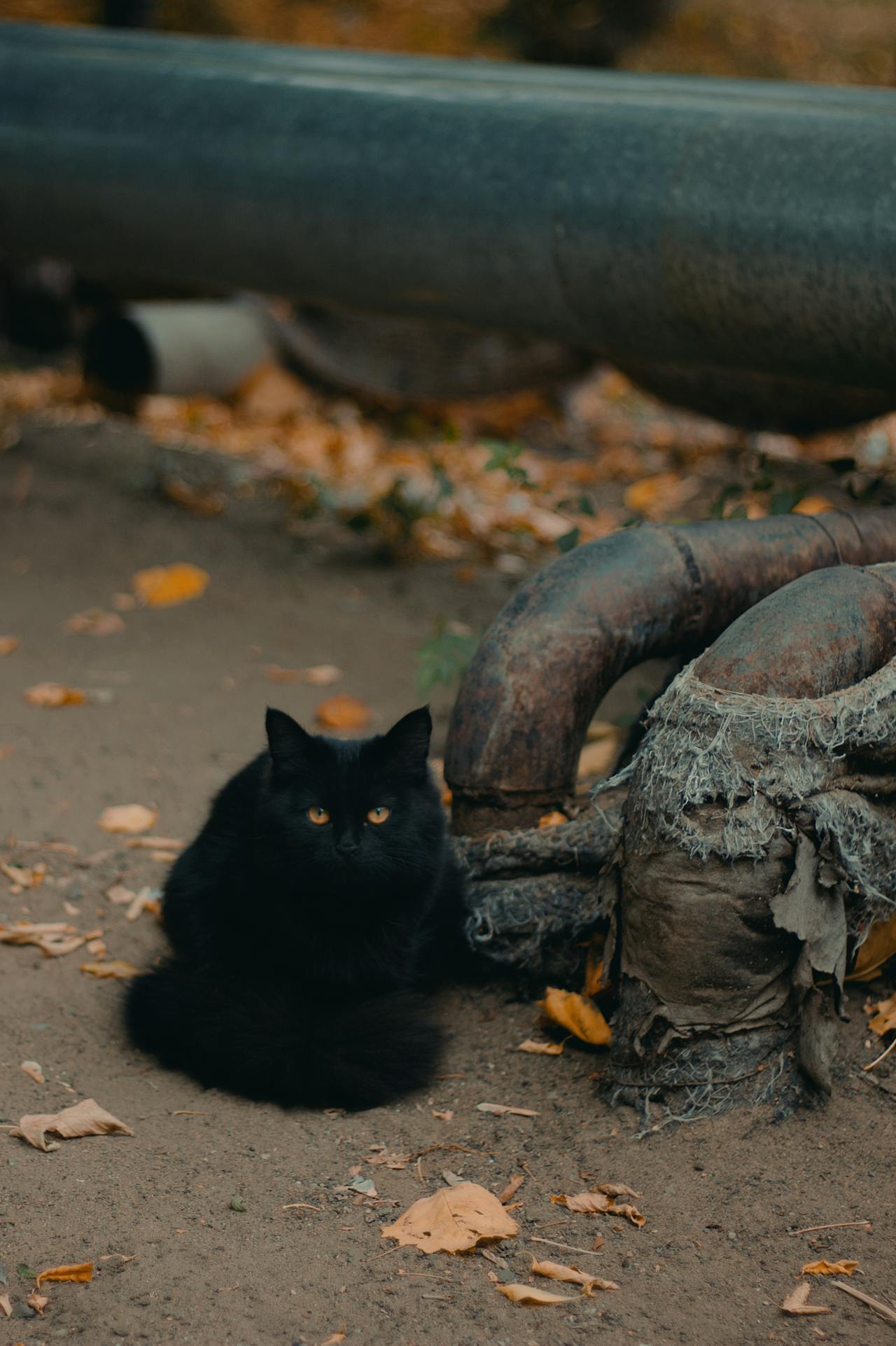
Black cats have been entwined with superstition for centuries. In medieval times, some believed cats, especially black ones, were familiars or shape-shifted forms of witches. Papal decrees and folklore sometimes explicitly tied black cats to devilish powers. In colonial America and during witch trials, belief in witch-cats (cats that could assume or relay witchly power) was widespread. Over time, the black cat became a sinister Halloween emblem, representing risk, superstition, and a crossing of the normal into the arcane.
A triad of fear and mystery
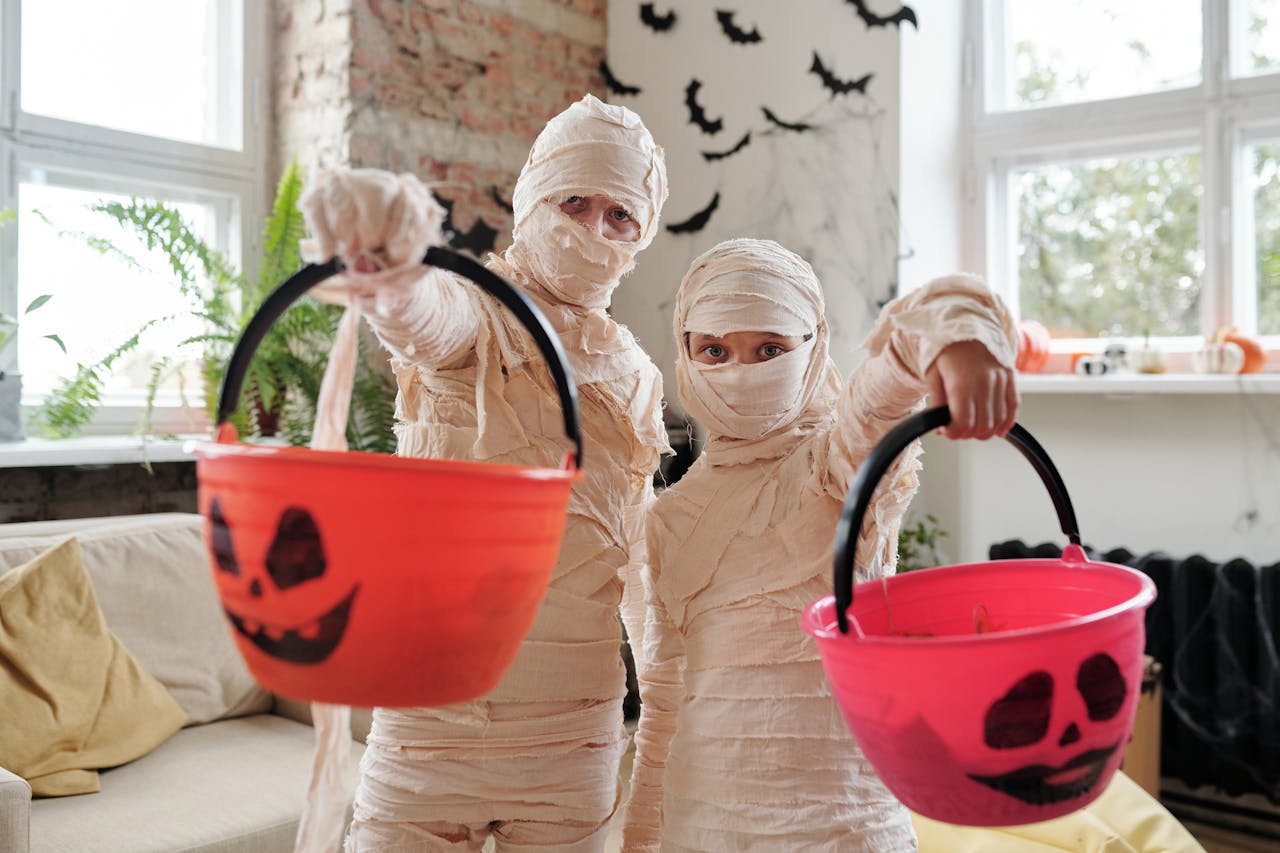
Together, bats, spiders, and black cats form a triad of Halloween creatures that are nocturnal, elusive, and unsettling. Each plays on fears of darkness, unseen movement, or hidden threats. They complement the holiday’s focus on ghosts, death, and the world beyond. Over time, popular culture, decorations, stories, and media have reinforced their roles, making them instantly recognizable symbols. They endure because they speak to deep, cross-cultural anxieties, fear of what we cannot see or fully understand.
Why they continue to dominate
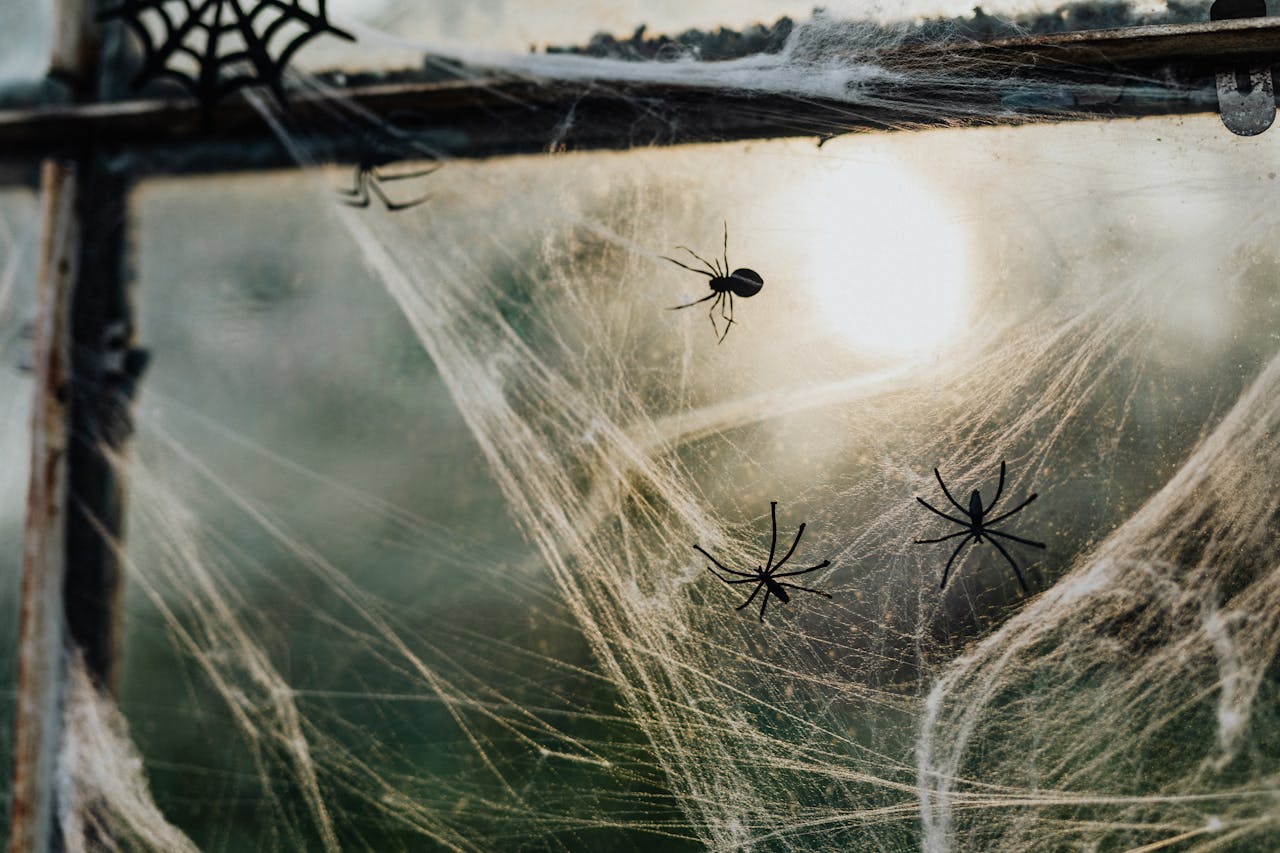
Even today, as rationality overshadows many old superstitions, people cling to Halloween creatures because they evoke emotion: awe, thrill, a tingle of dread. Their stark silhouettes or sudden appearances are effective at startling or unsettling. They are also versatile: you can cartoon them, stylize them, or make them grotesque or cute. Finally, they anchor Halloween in a tactile, animal form rather than abstract ghosts alone. In short, they persist because they resonate: they embody the boundary between what is known and what lurks just beyond the candlelit edge.