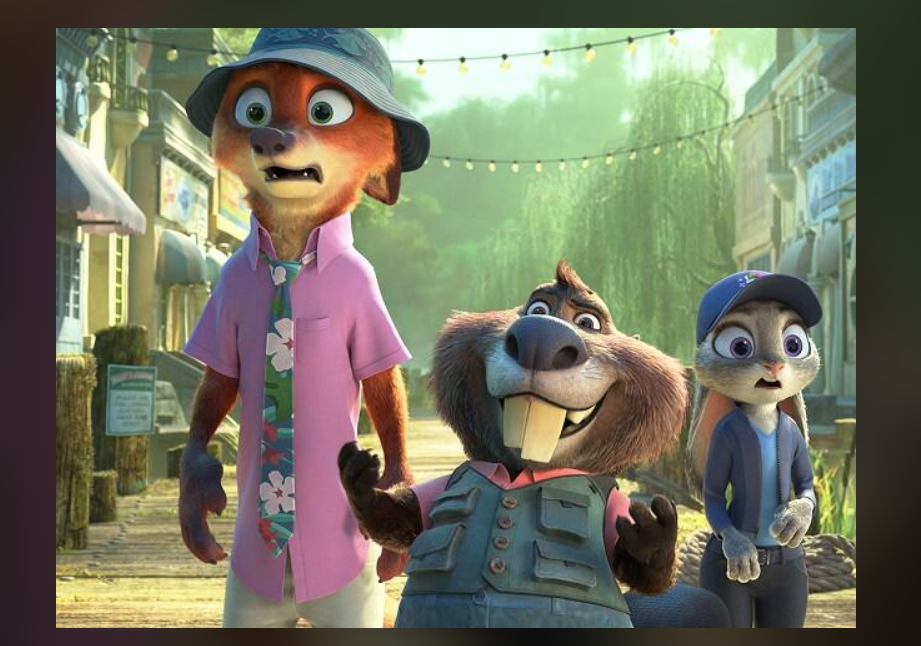
Zootopia 2 succeeds not because it delivers messages, but because it mirrors how real families talk, avoid talking, and misunderstand each other. Instead of speeches, the film relies on pauses, awkward moments, and imperfect dialogue. Conversations unfold sideways rather than head on, which feels familiar to modern households. Parents and kids rarely announce their feelings clearly. They circle them. By respecting that reality, the movie opens space for reflection without pressure, making its themes land quietly instead of defensively.
It Shows Discomfort Without Rushing to Resolve It
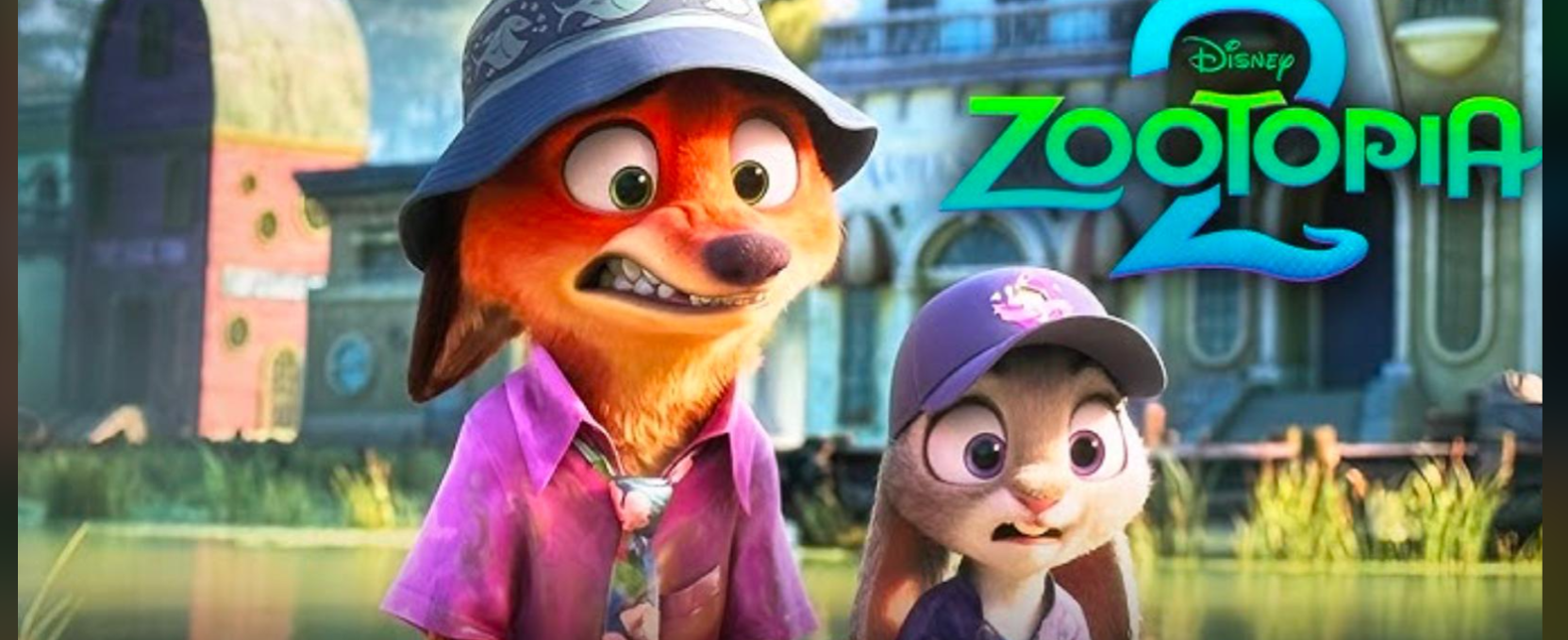
Modern family conversations often stall in discomfort, and Zootopia 2 allows those moments to exist without fixing them immediately. Characters sit with unease, half answers, and unfinished thoughts. This mirrors real homes where clarity does not arrive on cue. By resisting neat resolution, the film validates that understanding takes time. Families watching together recognize the familiar tension of knowing something is wrong without having the language yet. That patience feels respectful rather than instructive.
It Separates Intent from Impact Naturally
Zootopia 2 quietly acknowledges that good intentions do not always produce good outcomes. Characters say things meant to help that land poorly. Instead of moral correction, the film lets consequences speak. This reflects how modern families navigate communication, especially across generations. Parents may mean protection while kids experience control. By showing this gap without assigning villains, the movie opens conversation rather than closing it with blame.
It Uses Behavior Instead of Lectures
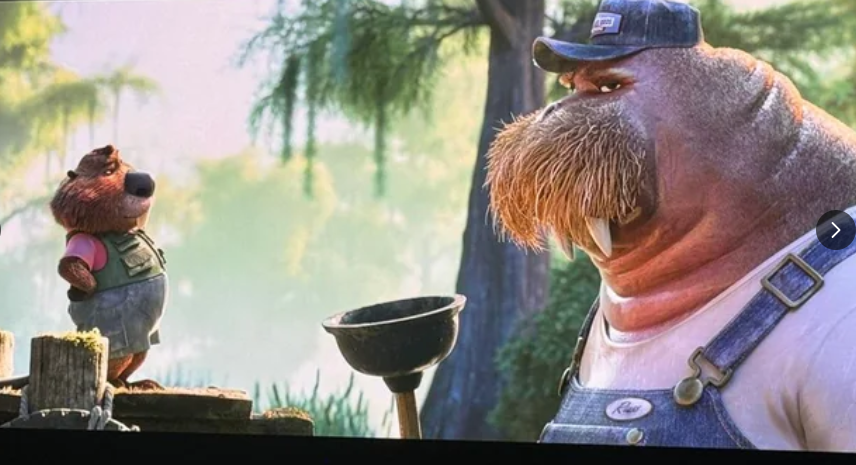
Rather than explaining themes through dialogue, Zootopia 2 lets actions reveal perspective. Small choices, hesitation, and avoidance communicate more than speeches could. This aligns with how families actually learn from each other. Kids notice behavior before words. Parents reveal values through reactions, not rules. The film trusts viewers to observe and interpret, which avoids sounding instructive while still being meaningful.
It Normalizes Miscommunication
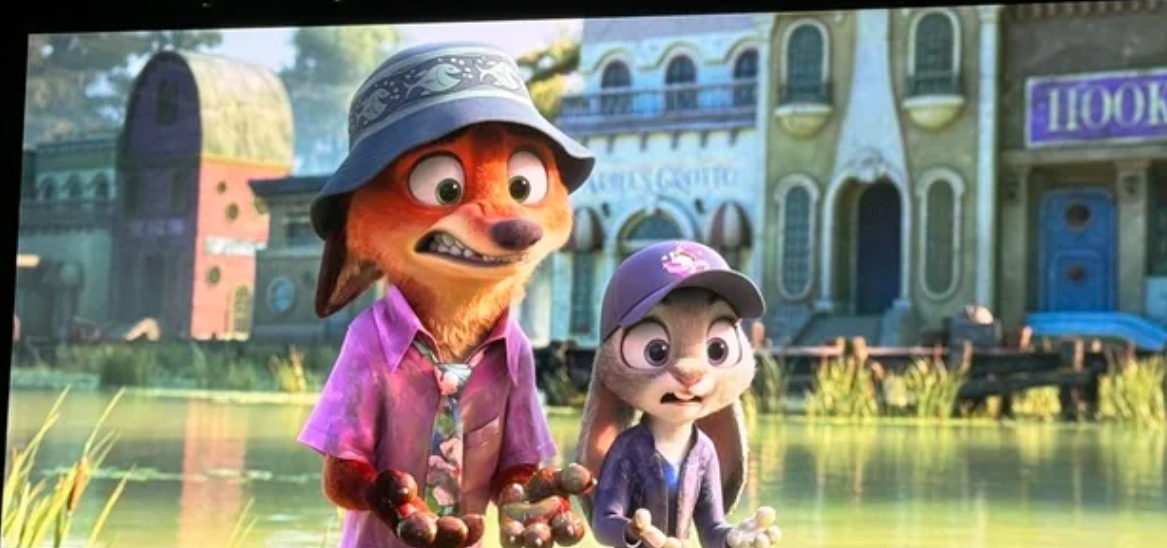
Misunderstandings are not treated as failures in Zootopia 2, but as normal parts of connection. Characters talk past each other, assume motives, and react defensively. The film does not frame this as moral weakness. It presents it as human. Families watching together may feel relief seeing confusion portrayed without shame. The message is subtle. Communication is a process, not a performance.
It Lets Growth Happen Unevenly
Not every character evolves at the same pace, and that matters. Zootopia 2 reflects how family members grow asynchronously. One person may understand before another is ready. The film allows that imbalance without punishment. This mirrors real households where insight arrives unevenly. By honoring that reality, the story feels lived in rather than designed to teach.
It Trusts Silence as Much as Dialogue
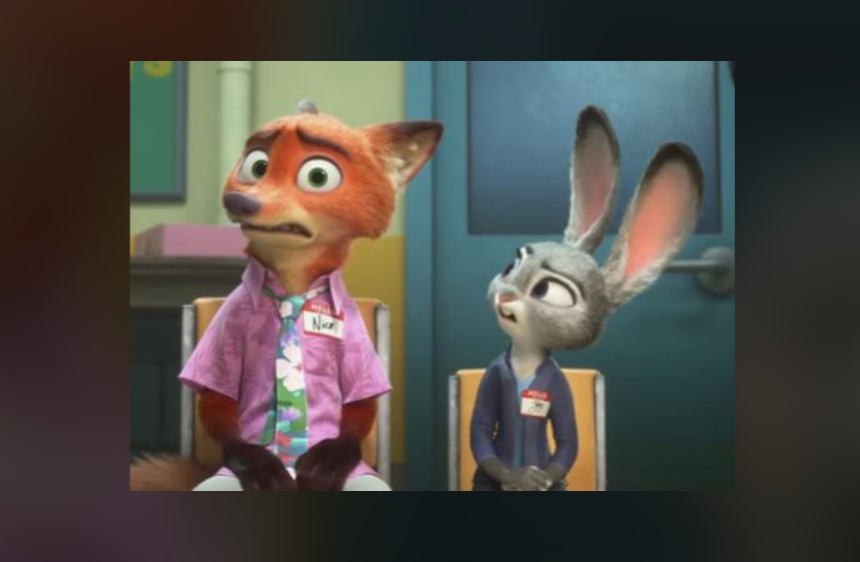
Some of the most effective moments in Zootopia 2 happen without words. Glances, pauses, and physical distance carry emotional weight. Families often communicate the most during quiet moments, not conversations. The film understands this and leaves space for viewers to fill in meaning themselves. Silence becomes an invitation rather than a gap, allowing the audience to engage without being guided.
Zootopia 2 works because it respects how families actually communicate. Conversations are messy, incomplete, and shaped by timing as much as intention. By avoiding lectures and trusting observation, the film creates space for discussion without pressure. Families can watch together without feeling corrected or categorized. That restraint is what gives the movie its emotional intelligence, allowing meaning to emerge naturally rather than being delivered.