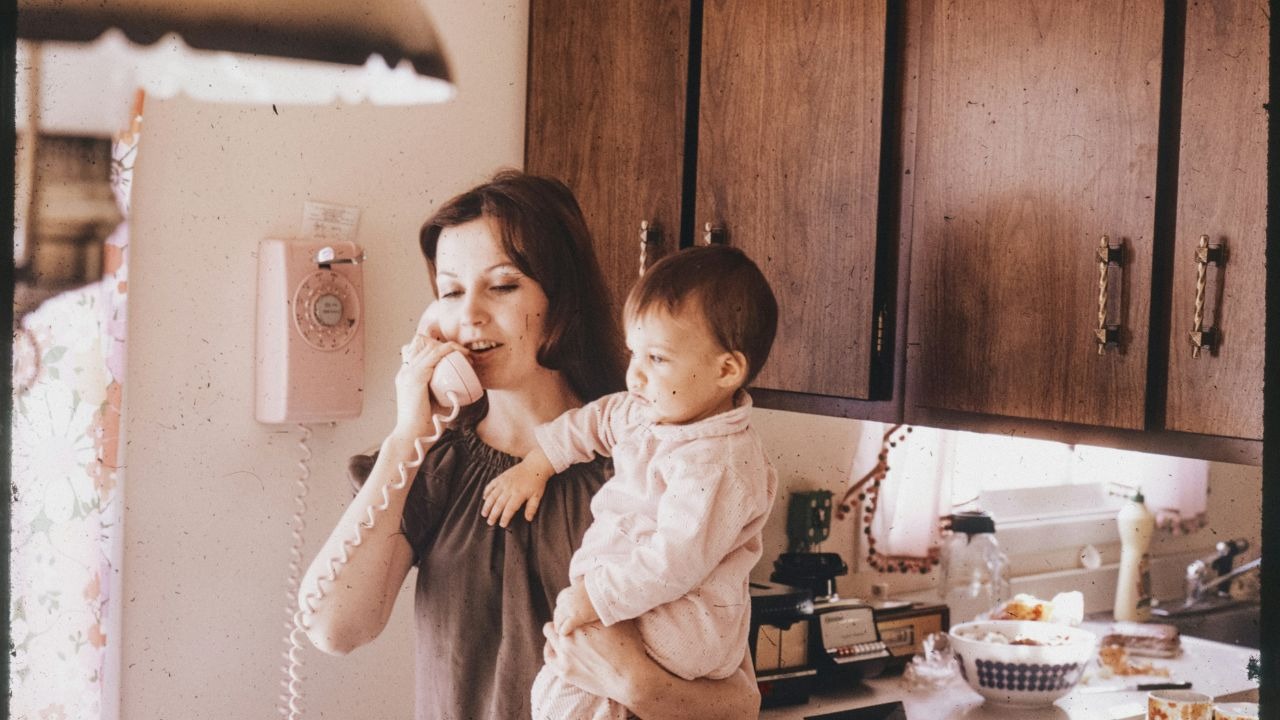
n a world that moves fast and pushes parents to do more, give more, and buy more, it’s easy to feel like we’re always coming up short. Advertisements, social media, and even well-meaning conversations can leave us questioning whether we’re doing enough for our children. But when you strip away all the noise, kids don’t really need a lot to feel loved, secure, and happy. What they truly need from you isn’t wrapped in packaging or found on store shelves. It comes from your presence, your attention, and your heart.
These priceless gifts are available to every parent, no matter their background, income, or resources. And while they don’t cost anything, they require something more valuable: your intention and time. Here’s what your kids really need from you—and why it matters more than anything money can buy.
Your Unhurried Presence

There’s a big difference between being around your kids and truly being with them. Children are incredibly intuitive. They can sense when you’re distracted, rushed, or just going through the motions. What they crave is your unhurried presence—moments when you’re truly available and engaged without checking your phone or thinking about your to-do list.
Sit down on the floor and play their game without watching the clock. Let a bedtime story stretch into two or three if the moment calls for it. Give them your undivided attention when they’re telling you something that matters to them, even if it feels small to you. It’s in these simple, ordinary moments that your child feels most deeply loved.
Presence Builds Emotional Security
When you offer your full attention, you’re communicating something powerful: “You matter to me.” This becomes the foundation of emotional security. Children who feel truly seen and heard grow up with more confidence, resilience, and trust in themselves and others. You don’t need to fill every hour of their day—you just need to show up, fully, for a few meaningful ones.
It’s the Little Things That Last
Your child may not remember the expensive trip or the perfect gift you planned, but they’ll remember sitting on your lap, hearing you laugh, or walking hand-in-hand to the park. It’s these small, repeated gestures that shape their sense of connection and safety. When you show up regularly and with warmth, it stays with them for life.
Your Listening Ear
Children often speak in a language that’s quieter and more scattered than adults are used to. It might come out in the middle of brushing teeth, or as a question about something completely unrelated. But underneath their words is a longing: to be listened to, not just heard. To be understood, not just answered.
Listening isn’t about fixing everything or rushing to offer advice. It’s about holding space. Letting them talk through their worries, excitement, confusion, or curiosity without judgment or interruption.
Create Moments for Conversations to Bloom
You don’t need deep talks every day. But create small rituals where conversation can happen naturally—during car rides, mealtimes, or while doing chores together. Often, the best conversations come when you’re side-by-side rather than face-to-face, when the pressure to “open up” is lower, and your child feels safe to share.
Respond With Curiosity, Not Correction
When your child brings you something—an idea, a fear, a mistake—resist the urge to correct or lecture first. Instead, ask questions that invite more: “Tell me more about that,” or “What do you think about it?” Being a listening parent doesn’t mean you ignore boundaries; it means you choose connection before control.
Your Steady Boundaries
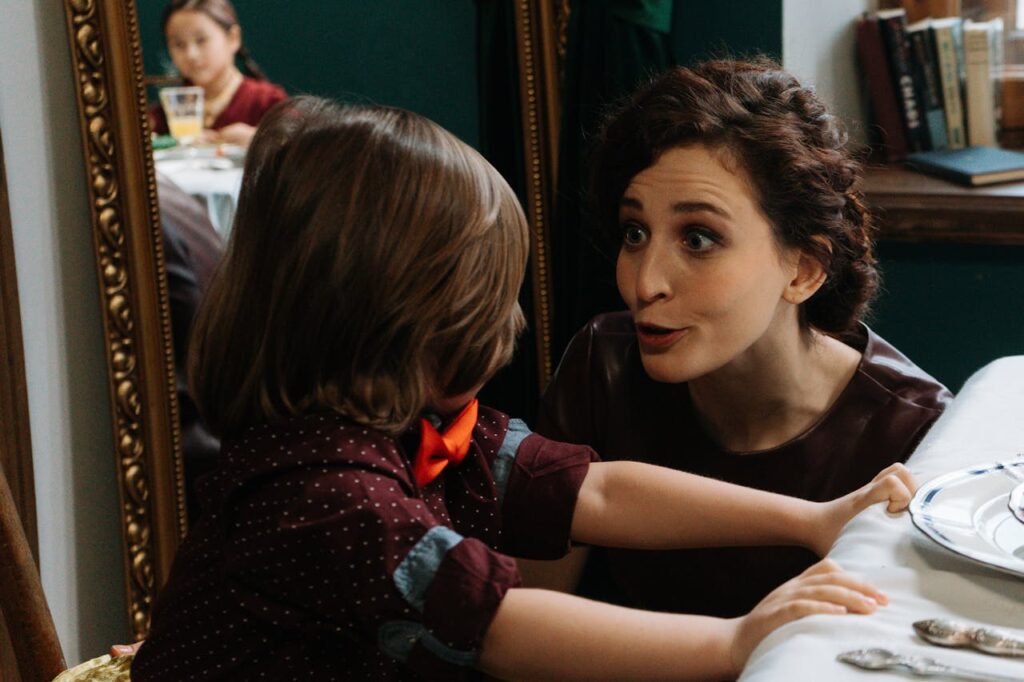
While kids may say they want freedom, what they really need is structure. Boundaries create a sense of safety. They let children know where the edges are, what’s expected, and that someone is gently steering the ship. Boundaries aren’t about punishment or control—they’re about guidance and consistency.
Children thrive when they know that bedtime is bedtime, that kind words are the rule, and that certain behaviors have clear consequences. It tells them that the world makes sense—and that their parent is someone they can rely on.
Boundaries Say “I Care”
It may not always feel like it, especially when they push back, but boundaries are a form of love. They tell your child, “I care too much to let you drift without direction.” Even when they resist, part of them feels relief knowing someone is paying attention and prioritizing their well-being.
Consistency Builds Trust
Children feel most secure when your yes means yes and your no means no. If rules shift constantly, or if discipline is unpredictable, it creates anxiety and confusion. Your steady, compassionate boundaries become an anchor in their fast-changing world. They learn to trust you—and eventually, to trust themselves.
Your Willingness to Apologize

Every parent makes mistakes. You’ll lose your temper, say the wrong thing, or fail to show up the way you wish you had. But here’s the good news: your child doesn’t need perfection. What they need is a parent who’s willing to repair—who can say, “I’m sorry,” and mean it.
Apologizing to your child isn’t a sign of weakness. It’s a powerful model of emotional maturity. It teaches them that everyone has hard moments, but love is strong enough to hold those moments and move through them together.
Repair Builds Resilience
When you name your mistakes and ask for forgiveness, you show your child that relationships can heal. You give them permission to be human, too. Instead of expecting themselves to be perfect, they learn to expect growth, grace, and honesty.
Humility Deepens Connection
A sincere apology creates emotional closeness. It says, “You matter to me more than my pride does.” Over time, your child learns that love doesn’t mean never getting it wrong—it means always coming back to each other, even when things are hard.
What They Need Most Is You
Your child doesn’t need more stuff. They need more of you. Your laughter. Your hand in theirs. Your comfort when the world feels big and their hearts feel small. They need your kindness, your strength, and your open arms. Not always perfectly delivered, but consistently offered.
These things—the ones that don’t cost a thing—become the most valuable gifts your child will carry. They shape how they love others, how they see themselves, and how they move through the world. And they begin with something as simple, and as profound, as showing up.