Beneath the surface of cheerful Instagram feeds and heartwarming TikTok videos lies a stark reality: mom burnout is often an unspoken struggle. This isn’t merely about being tired; it’s an overwhelming exhaustion that seeps into every aspect of a mother’s life, echoing sentiments shared silently among those who weave through endless diapers and school projects. Historically, motherhood has been both exalted and exhausted, with societal expectations stacking the plates even higher. Many women find themselves fighting against invisible standards, only to discover that burnout is not a personal failure but a collective epidemic rooted in isolation and relentless demands.
Signs You’re Heading for Burnout

Recognizing burnout can feel like trying to spot dark clouds in a blue sky. Often, you might feel an unusual detachment from activities you once enjoyed—professional aspirations or simple family weekends may begin to feel burdensome. You could find yourself irritable over minor issues or struggling to muster the energy to engage with your children. A pervasive sense of dread purveys your thoughts, and fatigue becomes a constant companion, dragging you through the day. A subtle yet insidious warning: when the joy of parenting fades, it’s vital to listen to your own inner voice before burnout becomes overwhelming.
Why Moms Are Prone to Burnout

The reasons behind a mother’s susceptibility to burnout are complex, steeped in history and societal expectations. Traditionally, mothers have been viewed as the primary caregivers, often juggling full-time jobs and domestic responsibilities. Cultural narratives encourage self-sacrifice, which can lead to a neglect of personal needs. The notion of the ‘perfect mother’ exacerbates pressure, leaving many feeling they must excel at every role. Coupled with emotional labor—not just caring for children but managing relationships and household dynamics—many women are trapped in a cycle that emphasizes giving to the extent of depletion. This perennial tug-of-war breeds burnout in silence.
The Impact on Family Life

Burnout doesn’t just affect the individual; it ripples through the entire family fabric. As mothers become increasingly drained, the nurturing aspect can diminish, leading to strained connections with children and partners. This emotional absence can create a breeding ground for miscommunication, further isolating the mother. Kids pick up on their mother’s energy—when fatigue turns to frustration, the home atmosphere can become tense. Spouses, too, may struggle to understand the emotional landscape, often misreading withdrawal or irritability as personal failures rather than signs of impending burnout, threatening the family unit’s harmony.
Coping Strategies You Haven’t Tried

If traditional advice hasn’t quite worked, consider carving out ‘me time’ in unexpected ways. Instead of a full spa day, try small, routine rituals—like savoring your coffee alone in the morning or indulging in a solo stroll while the kids play. Engage in mindful breathing exercises or write in a gratitude journal, both impactful in resetting emotional landscapes. Connecting with fellow mothers—sharing challenges, swapping stories—can lessen the isolation, igniting a sense of community. Finally, don’t shy from professional support: therapy can offer tools to navigate the emotional undertow of motherhood, celebrating the journey while recognizing your needs.
Creating a Support Network

Picture this: a mom, juggling school runs, meal prep, and the elusive quiet moment with a latte before the next wave of chaos. Yet, what’s often overlooked is the power of community. Historically, mothers relied on a tapestry of kin and neighbors for support. Today, modern connections—whether through virtual meet-ups or local moms’ groups—can provide that same respite. Sharing stories, tears, and laughter with others in the same boat can lighten burdens. Establishing a network gives voice to struggles, turning silent stress into shared strength. It’s not about seeking perfection; it’s about weaving supportive bonds.
Practicing Self-Care as a Mom

Amidst the whirlwind of childhood chaos, self-care often feels like a luxury. Yet, it’s a non-negotiable necessity. Historically, mothers sacrificed their needs, becoming unsung heroes at their own expense. Today, reclaiming self-care isn’t selfish; it’s revolutionary. Embrace small rituals—a quiet cup of tea when the kids nap or a walk outside. Think of these moments as vital checkpoints, where you recharge and reconnect with yourself, restoring a sense of identity beyond motherhood. In making self-care a priority, mothers not only nurture their well-being but also model a balanced approach to life for their children.
When to Seek Professional Help
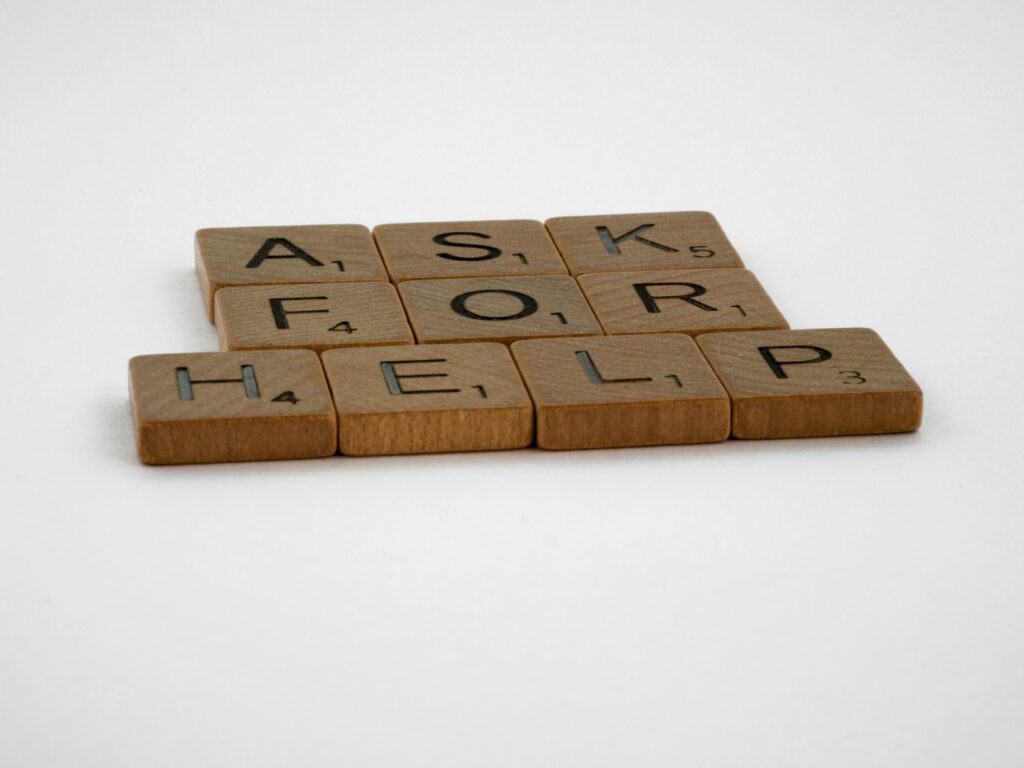
Recognizing the tipping point into burnout is complex and often muddled by guilt. Many mothers believe they must endure, as generations have done before them, hiding struggles behind a façade of resilience. However, there’s wisdom in knowing when to seek help. Professional support—be it therapy, counseling, or support groups—can provide invaluable tools to navigate overwhelming feelings and thoughts. As history shows, reaching out isn’t a sign of weakness but a courageous step toward healing. It’s crucial to listen to that inner voice: if fatigue morphs into despair, recognizing this pivot can lead to promising paths of recovery and growth.