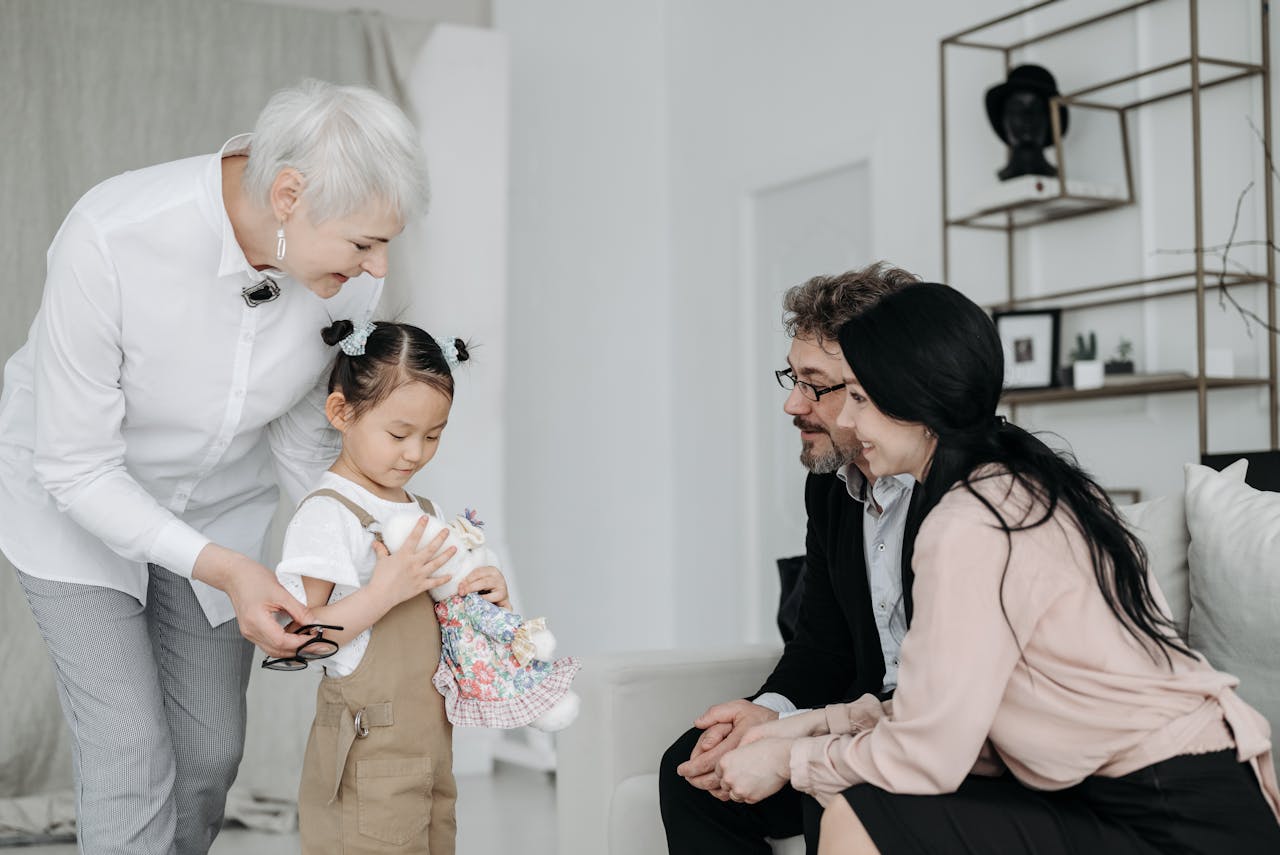
Parenting has changed dramatically over the past few decades. Today’s moms and dads are more emotionally aware, more attuned to mental health, and more invested in building close relationships with their kids than ever before. Yet many parents also feel exhausted, anxious, and unsure of their footing—wondering if all this effort is truly helping their children thrive. In looking forward, it may help to also look back—not to romanticize the past, but to reflect on the timeless wisdom that previous generations carried.
Old-school parenting wasn’t perfect. It had its blind spots, and modern awareness has thankfully corrected many of them. But within the simplicity, structure, and expectations of the past are practices that still hold value today. When blended with today’s emotional insight, they offer a path toward parenting that is both grounded and compassionate. Here’s what modern families can learn—without going backward.
Consistency Builds Security
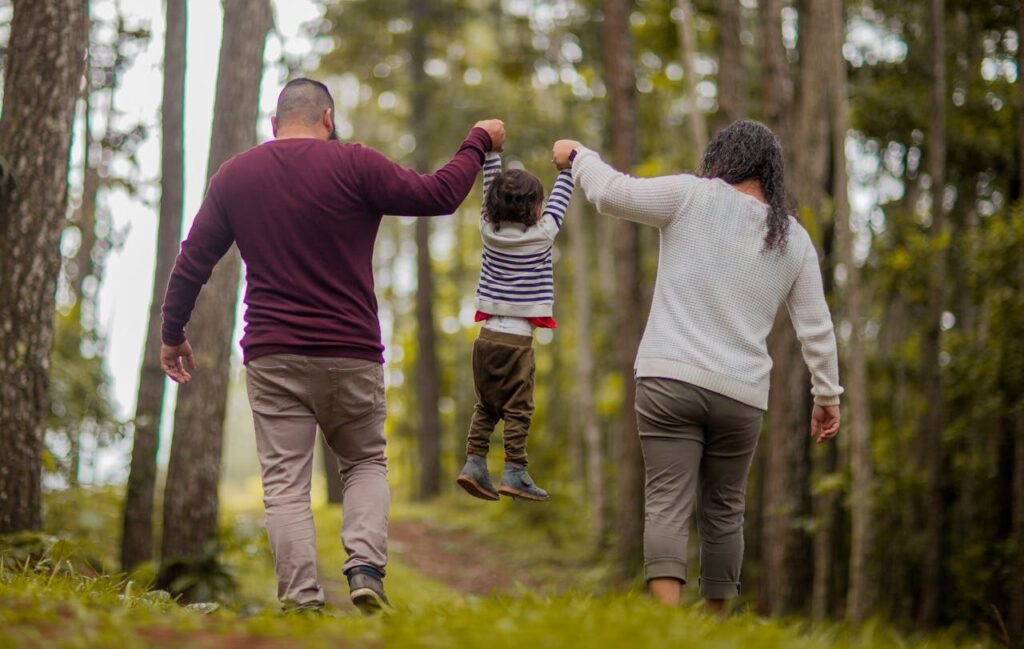
One of the most enduring strengths of old-school parenting was the sense of predictability. Rules were often clear, consequences followed, and routines held firm. Children knew what to expect—at mealtimes, bedtimes, and in behavior. That consistency helped create a foundation of safety, even if it sometimes lacked warmth.
Structure Isn’t Control—It’s Comfort
Modern parents often worry that too much structure will stifle a child’s creativity or freedom. But in reality, routines can be deeply reassuring. When children know that dinner happens at a certain time, that bedtime has a familiar rhythm, or that certain rules are consistent, they feel secure. The predictability of old-school parenting helped kids understand boundaries—not as punishment, but as protection.
Boundaries Don’t Have to Be Harsh
In the past, discipline could be rigid or even punitive. Today, we know the value of setting limits with empathy. Instead of harsh words or arbitrary punishments, modern parents can explain boundaries with calm, clear communication. The lesson remains the same: children thrive when they know the edges of their world. But now, those edges can be wrapped in kindness.
Let Kids Do Hard Things
Old-school parenting expected kids to be capable. Whether it was helping with chores, solving their own conflicts, or figuring things out without constant adult intervention, children were often trusted to manage challenges. In contrast, today’s culture of overprotection sometimes sends the message that children are fragile—which can quietly undermine their confidence.
Responsibility Builds Resilience
Giving kids responsibilities doesn’t mean removing support. It means inviting them to participate in the daily life of the family in age-appropriate ways. Helping with laundry, making their own lunch, walking the dog—these simple acts teach problem-solving, independence, and self-worth. It’s not about making kids grow up too fast, but helping them grow strong and capable at a steady pace.
Let Frustration Be a Teacher
Modern parents often rush to fix discomfort: a forgotten homework assignment, a missed birthday party invitation, a tearful moment after school. But frustration isn’t the enemy—it’s part of learning. Old-school parenting allowed children to sit with their disappointment or work through their own boredom. We don’t have to be cold or distant, but we can resist the urge to rescue too quickly. There’s strength in letting kids wrestle with small challenges—it prepares them for bigger ones ahead.
Embrace Simplicity in Family Life

Old-school family life wasn’t packed with constant stimulation. Many families had one television, a few toys, and a simple routine. Without endless entertainment options, kids had more time to play freely, invent games, or just be bored. That boredom often sparked creativity and imagination—something today’s screen-saturated world often misses.
Boredom Isn’t a Problem to Fix
When kids are bored, modern parents often feel pressure to entertain them. But boredom can be a gift. It’s the space between activity where imagination blooms. Instead of immediately offering solutions, let your child sit in the quiet. You may be surprised by what they create, discover, or think up on their own.
Less Can Still Be Enough
Today’s families are often overwhelmed by choices—from weekend plans to extracurricular activities to educational tools. The truth is, children don’t need more to thrive. They need presence, patience, and permission to slow down. An afternoon in the backyard, a board game after dinner, or reading a book together before bed may not look impressive, but they matter deeply.
Community Matters More Than We Realize
Previous generations of parents often raised children within strong community networks—neighbors who watched out for each other, extended family nearby, or simple traditions that kept people connected. In today’s fast-paced, individualistic culture, that community fabric is fraying. But children still need it—and so do we.
Rebuild Micro-Communities
You don’t need a village to raise your child—but having even one or two trusted adults in their life can make a world of difference. Whether it’s a grandparent, teacher, or neighbor, community creates a safety net. It’s also good for parents. We weren’t meant to do this alone. Old-school parenting reminds us that shared wisdom and shared burdens make the journey lighter.
Anchor in Traditions
Even small family rituals—Sunday pancakes, movie nights, Friday evening walks—can help children feel connected to something bigger than themselves. Old-school families often had traditions that rooted them. These anchors give kids a sense of identity and belonging. They remind them that no matter how the world changes, some things stay wonderfully the same.
Respect Was a Two-Way Street (Even if It Wasn’t Always Named That Way)

In many old-school homes, children were expected to respect adults. The emphasis on manners, greetings, and courtesy was strong. While that respect sometimes came from fear or obedience, the core idea—that people deserve to be treated with consideration—still holds value. The challenge for modern families is to balance that expectation with mutual respect.
Teach Respect Through Modeling
Children learn how to treat others by watching how we treat them. When we speak kindly, listen fully, and admit when we’re wrong, we model the very respect we want to see. We don’t need to demand respect—we need to embody it. And when we do, children learn that respect isn’t about power—it’s about dignity.
Hold High Expectations with Warmth
Old-school parents often held their children to high standards. Today, we understand the importance of emotional validation, but we can still expect effort, honesty, and follow-through. When expectations are clear and compassionate, children rise to meet them. The balance of accountability and grace is where real character is formed.
Moving Forward, Not Backward
There’s no need to romanticize the past. Old-school parenting had its flaws—emotional suppression, lack of flexibility, and sometimes too much distance. But within the past are seeds of wisdom we can carry forward. When we combine emotional intelligence with structure, compassion with expectations, and independence with connection, we give our children something truly powerful: a balanced foundation to thrive.