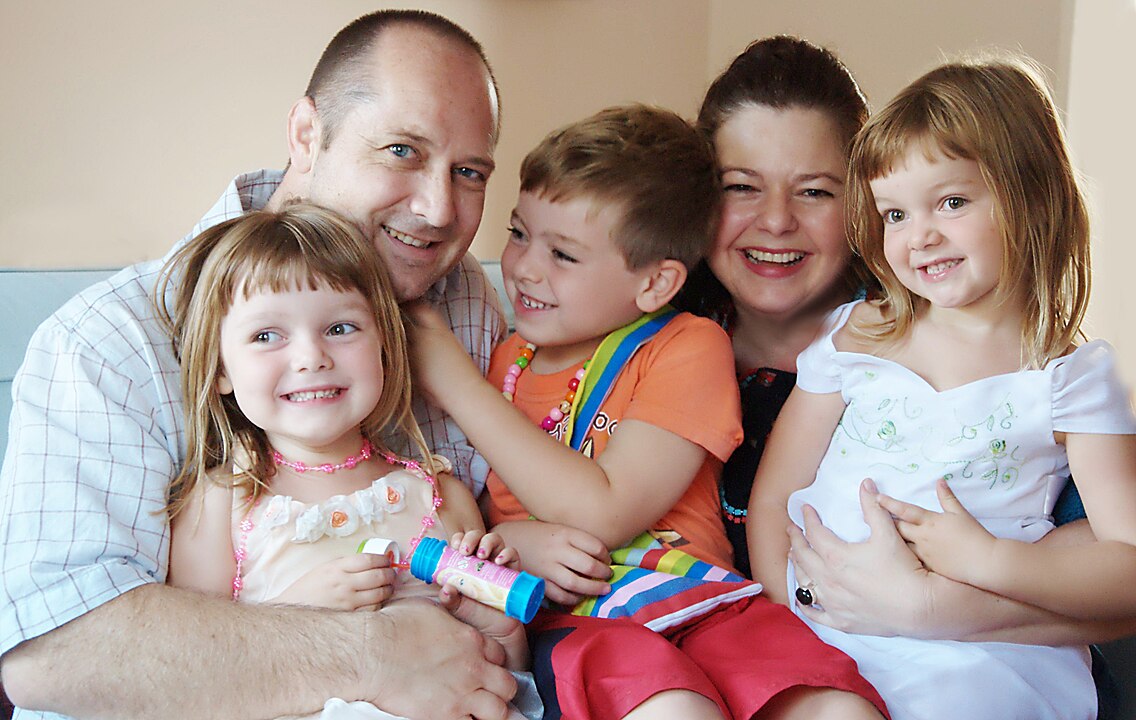
In large families, love runs deep, but so do the daily distractions. Between meals, laundry, carpools, and the whirlwind of sibling dynamics, it’s easy for a child to feel like just another face in the crowd. Every child, regardless of how many brothers and sisters they have, longs to feel uniquely valued, understood, and emotionally connected. Feeling truly “seen” doesn’t mean being the loudest or the most successful—it means feeling known. And in a big family, that takes intention, empathy, and moments carved out of chaos.
Making One-on-One Time a Priority
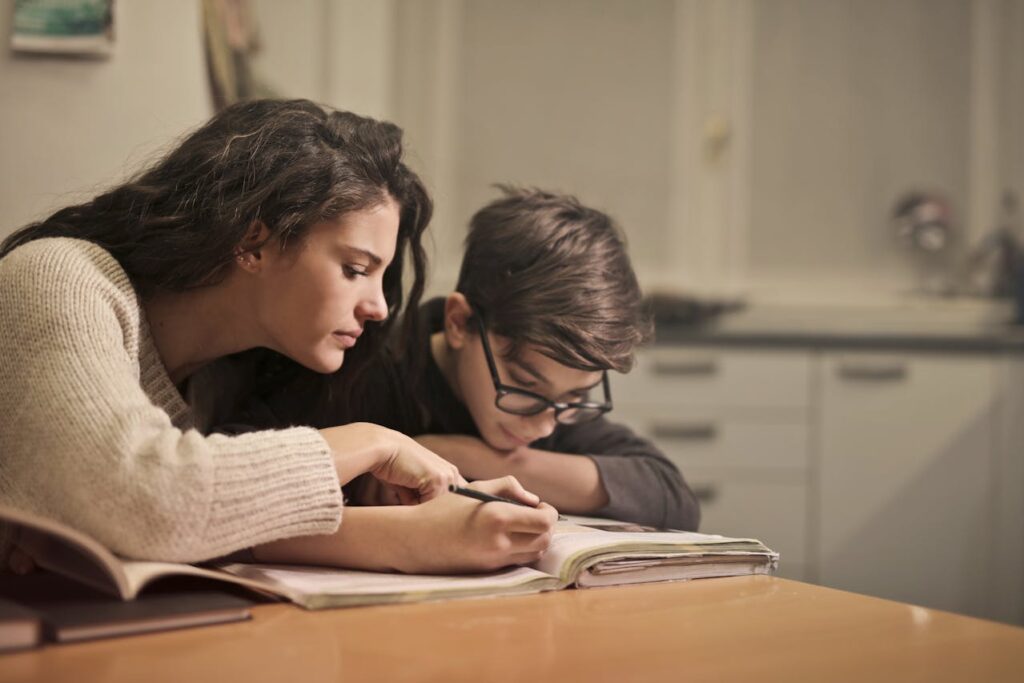
Even just ten minutes of one-on-one attention can go a long way toward helping a child feel special. In big families, parents are constantly multitasking, and children often learn to wait their turn. But setting aside intentional time with each child—whether it’s a bedtime chat, a solo trip to the store, or cooking dinner together—sends a powerful message: I see you. It doesn’t need to be elaborate or expensive. What matters is the quality of the connection, not the quantity of time.
The Power of Eye Contact and Presence
Eye contact is one of the most basic yet powerful human connectors. When a parent pauses to look into a child’s eyes while they’re speaking, it tells them that what they’re saying matters. In busy households, conversations often happen in fragments—while loading the dishwasher, packing lunches, or managing squabbles. But even a moment of undivided attention, where a parent leans in and listens fully, makes a child feel visible. Presence, not perfection, is what they remember.
Knowing Their Interests and Strengths
Each child has their own set of quirks, talents, and dreams—being recognized for those things builds a strong sense of identity. Whether a child loves drawing dragons, collecting bugs, or dancing to oldies in the kitchen, it matters that someone notices and encourages it. In a big family, children may start to define themselves by comparison, carving out a niche just to be noticed. But when parents take the time to notice who each child is—not just what they do—it nourishes their confidence. Validation becomes a quiet but powerful form of love.
Asking Thoughtful Questions
One way to show interest is to ask meaningful questions about what your child loves. Instead of the typical “How was school?”, try “What was the best part of your day?” or “Tell me about that new book you’re reading.” These kinds of questions signal curiosity about their world. They invite deeper conversation and show that their inner life matters. For a child, being heard without interruption is a gift.
Building Rituals of Recognition
Creating small family rituals can make a child feel honored. Maybe it’s a special birthday breakfast where the child gets to choose the menu, or a “star of the week” tradition where each child is highlighted for something positive. These moments create rhythm and anticipation. They give every child a turn in the spotlight—not for being the best, but for simply being them. In a world that rewards achievement, being seen for being is deeply grounding.
Respecting Individual Needs and Emotions
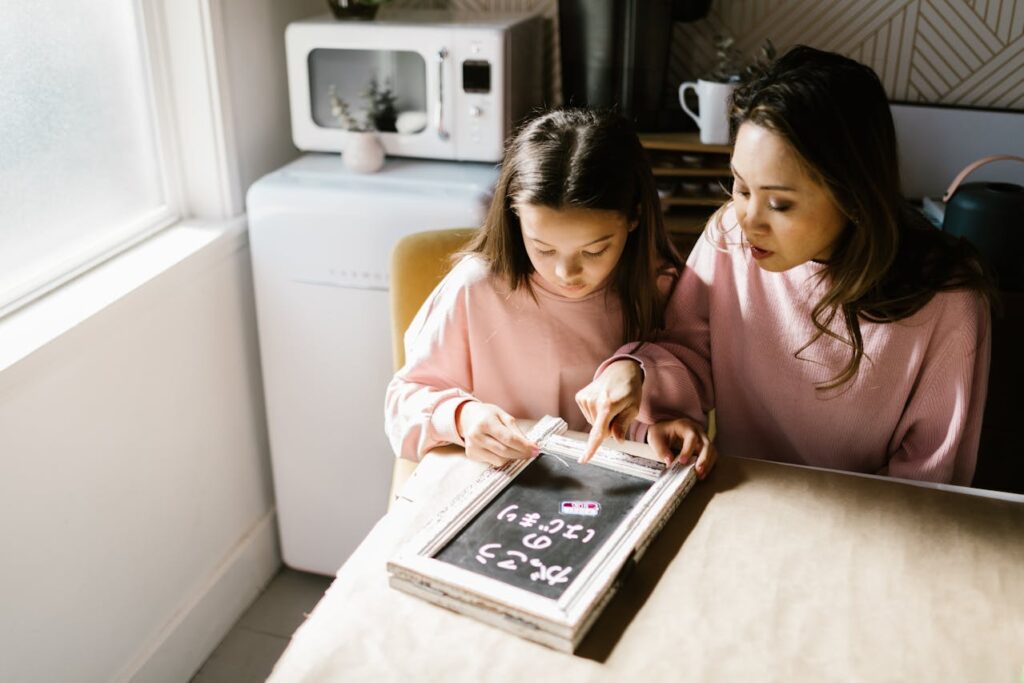
Children are not one-size-fits-all. Some are extroverts who thrive on attention, while others are introverts who feel heard through quiet gestures. Big families often require compromises, but making space for different emotional needs shows each child they’re valued just as they are. It’s about letting them have bad days without judgment, respecting their need for quiet, or noticing when they need extra reassurance. Emotional safety is where feeling “seen” begins.
Validating Feelings Without Comparison
It can be tempting to compare a child’s complaints or struggles to those of their siblings: “Your sister has it worse,” or “That’s not a big deal.” But to a child, their feelings are real, and dismissing them makes them feel invisible. Validating their emotions—even if they seem small—shows empathy. It tells them, “Your heart matters to me,” which is one of the most powerful ways to be seen.
Encouraging Them to Speak Up
Sometimes kids need help finding their voice, especially if they’re overshadowed by louder siblings. Parents can gently encourage this by asking open-ended questions, giving them uninterrupted time to talk, and avoiding criticism. It may take longer, but making space for quieter voices ensures every child feels included. Feeling heard is the first step toward feeling seen.
Showing Consistent Affection and Encouragement
Love in big families is abundant, but it can sometimes get diluted in the busyness. A hug in passing, a pat on the back, a kind word in the morning—these small gestures of affection carry weight. They don’t need to be grand to be meaningful. Kids remember when they’re seen not just when they’re in need, but in everyday moments. Encouragement should be consistent, not conditional.
Keeping a Gentle Eye on Their Heart
Sometimes the most observant parenting happens in silence. Noticing when your child’s eyes are tired, when they hang back from the group, or when their laughter sounds a little off—that’s the art of truly seeing them. It’s not about constant surveillance, but gentle emotional awareness. Being seen means someone is paying quiet attention to your well-being. It’s the safety net every child deserves.
Modeling Mutual Respect at Home
Children watch how parents interact with each other and with each sibling. When respect, listening, and empathy are modeled consistently, kids begin to mirror those behaviors. This shapes a household where everyone is seen—not just through attention, but through care. When a child feels respected at home, their sense of worth grows.
Being Seen is the Foundation of Belonging
In a big family, love is plentiful, but being seen is something different—it’s personal, it’s intimate, and it’s intentional. It means a child feels recognized not just as one of many, but as their own unique person. They don’t need to compete or cry out for attention because they trust that they matter. A child who feels seen grows into an adult who knows their worth. And that’s a gift that lasts long after childhood ends.