
Modern technology offers children instant access to everything—from entertainment and information to food and communication. While convenience is a benefit, constant availability can also rob kids of essential experiences. The shift toward on-demand living affects more than just their attention spans—it changes how they learn patience, value effort, and build relationships.
The Disappearance of Delayed Gratification

When everything is immediate, the ability to wait becomes a lost skill.
Children today rarely have to wait for what they want. Whether it’s a show on Netflix, a toy ordered online, or an answer from Siri, instant gratification is built into daily life. However, studies in child psychology have shown that learning to wait plays a crucial role in emotional development.
The famous Stanford marshmallow experiment from the 1970s proved that children who could delay gratification tended to have better academic and social outcomes later in life.
Impulse Control and Self-Regulation
Without opportunities to practice waiting, kids may struggle with emotional regulation. On-demand access conditions their brains to expect constant stimulation, which can result in frustration when real life doesn’t move as quickly. Teaching children to pause and think before acting helps build the resilience they’ll need as adults.
Appreciating the Value of Earned Rewards
In past generations, children saved up allowance or waited for birthdays to receive toys or privileges. That process taught them to value effort and delayed pleasure. In contrast, on-demand culture diminishes the joy of anticipation and can make rewards feel less meaningful.
The Erosion of Boredom and Creativity
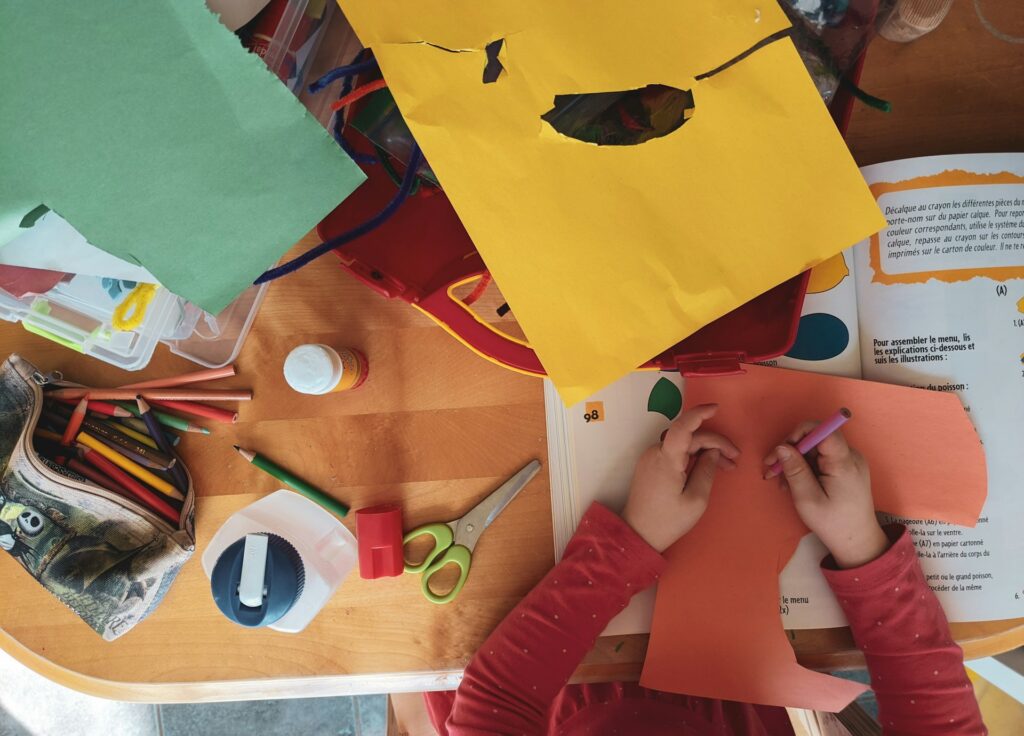
Boredom used to be a doorway to imagination—now it’s seen as a problem to solve instantly. Before smartphones and streaming platforms, children spent hours creating games, drawing, or building with whatever was around.
Boredom wasn’t always comfortable, but it sparked resourcefulness. Now, when boredom arises, a tap on a screen can instantly fill the void, leaving little room for imaginative play.
The Creativity-Boredom Link
Research supports the idea that unstructured time leads to greater creativity in children. Psychologists suggest that the brain uses boredom to recalibrate and find new stimuli, often resulting in original ideas or projects. Constant input from digital devices short-circuits this process.
Problem Solving in a Passive World
On-demand solutions mean kids don’t have to figure things out on their own as often. Need help with homework? There’s an app. Want a game? Download one. While these tools are helpful, overreliance on them can weaken critical thinking and persistence.
Social Skills in an Instant Environment
Digital convenience shapes how children form relationships—and not always for the better. Texting, messaging, and video chats have made communication easier, but they’ve also removed many face-to-face interactions that teach empathy and nuance.
When kids can skip difficult conversations or ignore people with a swipe, they may miss out on learning key social dynamics.
Learning to Listen and Wait
In real-life conversations, children must wait their turn, interpret body language, and stay engaged—skills not needed during a solo YouTube binge. These moments build patience, understanding, and the ability to connect emotionally with others.
Building Meaningful Connections
Forming deep friendships requires time, effort, and vulnerability—all things that on-demand culture subtly discourages. Relationships become transactional or fleeting when convenience outweighs commitment. Children need guidance to understand that meaningful connections aren’t made with a click—they’re built slowly.
Lessons Lost in Instant Answers

Information is abundant, but understanding takes time. Google can answer almost any question within seconds, but true learning involves context, reflection, and curiosity.
When kids rely solely on instant answers, they lose the process of inquiry—asking follow-up questions, researching multiple viewpoints, and making sense of what they learn.
Memorization vs. Understanding
Having access to information isn’t the same as internalizing it. Kids might know a historical date, but do they understand why it matters? Educators worry that easy access to answers can lead to surface-level learning without the depth that builds analytical thinking.
On-demand learning often emphasizes speed over depth. But curiosity thrives in slowness. When children are encouraged to wonder, explore, and investigate, they build intellectual confidence that no quick search can replace.
What Parents Can Do
Helping children thrive in an on-demand world means setting intentional boundaries.
While we can’t eliminate technology, we can balance it with experiences that foster patience, creativity, and emotional growth. Parents can create opportunities for kids to wait, work, reflect, and connect—values that remain essential in any era.
Encourage Waiting and Earning
Have children save up for something they want or work toward goals over time. Use countdowns for special events, and resist the urge to fulfill every request immediately. These small acts help rebuild an appreciation for delayed gratification.
It’s okay for kids to be bored. In fact, it’s healthy. Avoid filling every quiet moment with screens and instead provide tools—books, art supplies, open-ended toys—that inspire self-directed play.
Prioritize In-Person Interaction
Schedule device-free time for meals, walks, or family games. These moments restore connection and teach the value of being fully present. Kids learn the richest lessons from observing, participating in, and reflecting on real human interaction.
Make Space for Boredom
The on-demand world isn’t going away, but we don’t have to let it shape every part of our children’s lives. When everything is instant, children risk losing skills that require patience, reflection, and emotional effort.
By slowing down and creating room for waiting, creativity, and deep connection, parents can help their children grow up with the kind of wisdom that no screen can provide.