
Journaling may seem like a simple activity, but for children, it can be a powerful tool for self-discovery and growth. Writing from an early age nurtures creativity, emotional intelligence, and cognitive development. In a world where screens dominate, journaling also provides a much-needed outlet for slowing down and reflecting. Encouraging children to keep a journal is one of the most valuable habits parents can support.
Cognitive Benefits of Early Journaling

When children begin journaling early, they exercise essential skills that go beyond writing. Journaling strengthens memory, enhances comprehension, and promotes problem-solving abilities. Over time, this practice becomes a foundation for academic success and intellectual growth.
Strengthening Writing and Communication Skills
Journaling helps children practice expressing themselves clearly and effectively. By putting their thoughts on paper, they learn sentence structure, vocabulary, and storytelling techniques. Unlike school assignments, journaling is low-pressure, allowing creativity to flourish. This regular practice strengthens literacy while giving children confidence in their ability to communicate.
Enhancing Critical Thinking
When children reflect on daily events or their feelings in writing, they engage in critical thinking. They begin to analyze situations, consider different perspectives, and evaluate outcomes. This skill translates into academic success, as journaling reinforces the ability to connect ideas and think logically. In later years, this foundation can help them in subjects ranging from literature to science.
Improving Memory and Focus
Writing about experiences helps children retain information better. Journaling strengthens the link between short-term and long-term memory, making it easier for kids to recall details. This practice also requires focus, encouraging them to concentrate on one task without distraction. Over time, these habits improve their overall attention span, which is especially valuable in the digital age.
Emotional Growth Through Journaling
Journaling is not only cognitive, it’s deeply emotional. Children who write regularly develop tools to process feelings, build resilience, and navigate challenges. This self-reflection supports healthier relationships and better emotional regulation.
Developing Emotional Awareness
By writing down their feelings, children learn to identify and name emotions. Instead of bottling up frustrations or fears, they can channel them into words. This awareness is the first step in emotional intelligence, teaching kids how to recognize patterns in their moods and experiences. Journaling helps them understand themselves better, which strengthens self-esteem.
Building Resilience in Tough Times
Journaling offers children a safe space to cope with difficulties such as friendship struggles, family changes, or academic pressure. By expressing themselves privately, they gain perspective and clarity. Research shows that expressive writing can reduce stress and help manage anxiety. For children, this can be especially empowering, as it gives them control over how they process challenges.
Encouraging Gratitude and Positivity
Many parents introduce journaling through gratitude journals, where children record things they are thankful for. This simple practice fosters a positive mindset and teaches kids to notice everyday joys. Over time, gratitude journaling builds optimism and resilience, helping children face difficulties with a healthier outlook.
Creative and Social Benefits of Journaling
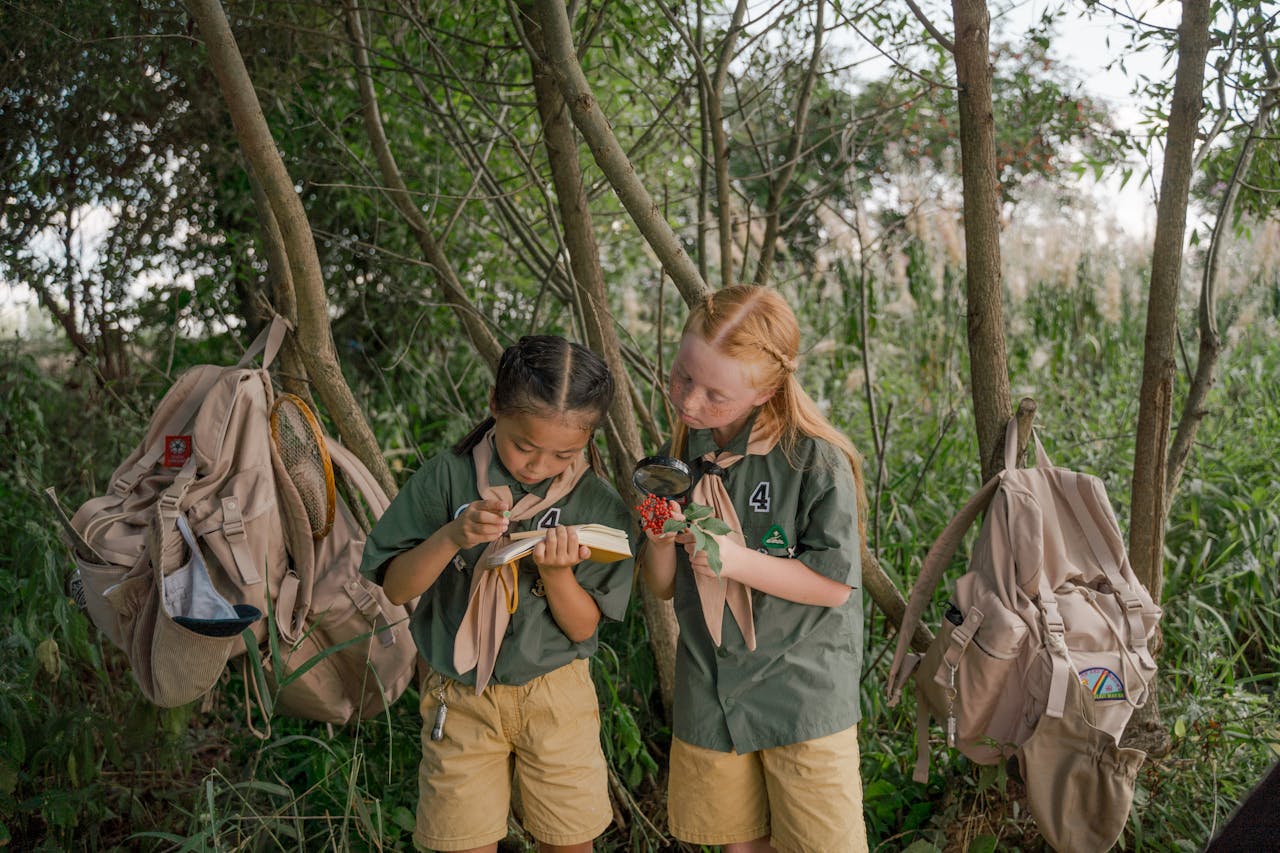
While journaling may seem solitary, it also has profound creative and social benefits. It nurtures imagination, encourages storytelling, and even helps children connect better with others.
Unlocking Creativity
Children often have vivid imaginations, and journaling provides a safe space to explore them. They may create stories, doodle alongside their writing, or invent characters. This playful experimentation strengthens creativity, which carries over into problem-solving and artistic expression in other areas of life.
Strengthening Empathy and Perspective
When children journal about interactions with others, they begin to consider different points of view. Writing about how a classmate might feel or why a sibling acted a certain way fosters empathy. This ability to see beyond their own perspective strengthens social relationships and prepares them for more complex interpersonal interactions in adulthood.
Supporting Social Communication
Though journaling is private, it can also improve social communication skills. Children who practice expressing themselves on paper often find it easier to communicate verbally. They become more comfortable sharing stories, ideas, and feelings with others. In this way, journaling indirectly enhances friendships and group dynamics.
Future Gift
Introducing journaling to children is a simple yet profound gift. It nurtures both intellectual and emotional growth, equipping kids with lifelong skills for reflection, creativity, and resilience. In a world that often prioritizes speed and screens, the quiet practice of journaling gives children space to slow down and listen to themselves. Encouraging this habit early sets the stage for well-rounded, thoughtful, and empathetic adults.