
Grandparents often hold a special place in family life, bridging generations with wisdom and care. While every grandparent loves in their own way, emotionally supportive ones provide something deeper than gifts or treats, they offer a dependable emotional anchor. They nurture resilience, model healthy relationships, and provide the kind of steady guidance that children can carry for life. Their role is not to replace parents but to enrich a child’s emotional foundation with stability, patience, and unconditional love.
Building Trust and Emotional Safety
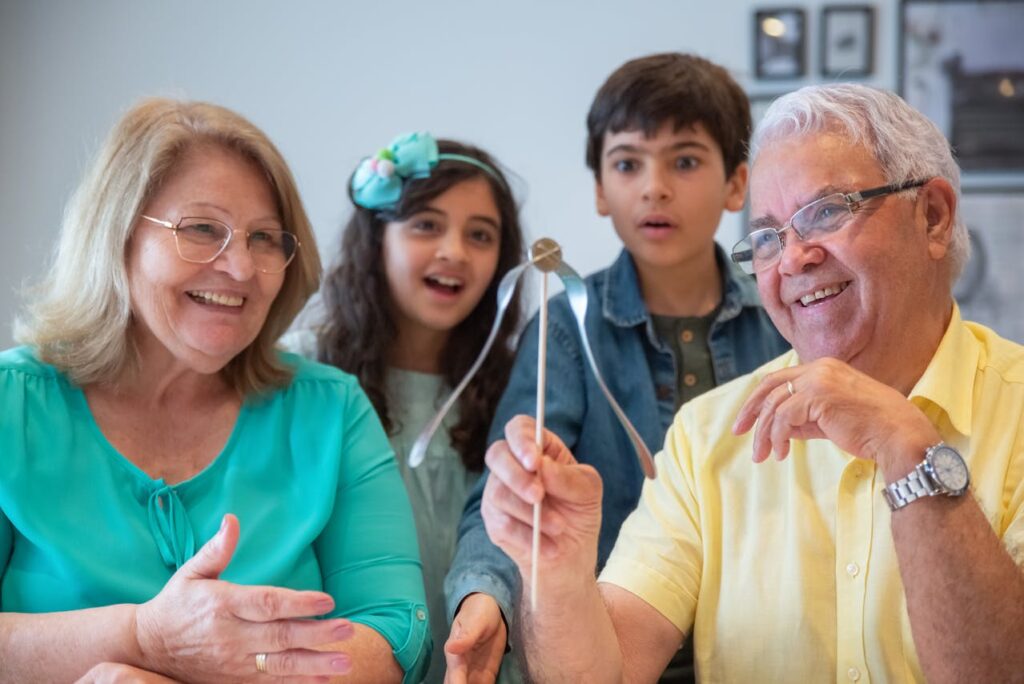
A strong emotional bond starts with trust. Children who feel safe with their grandparents are more willing to share their fears, hopes, and everyday thoughts. Emotionally supportive grandparents know how to create an environment where judgment is replaced with empathy and where the child’s voice is genuinely valued. This kind of trust often takes time, but it becomes the bedrock of their relationship.
Active Listening Without Rushing to Solve
When children open up, these grandparents listen attentively rather than jumping to advice. They avoid phrases that dismiss feelings, like “Don’t worry about it” or “You’ll be fine.” Instead, they validate emotions with empathy and curiosity. This approach allows children to feel seen and understood, which encourages deeper self-expression. By letting kids work through their thoughts, they build problem-solving skills and emotional resilience.
Respecting Boundaries While Staying Present
Supportive grandparents recognize that every child has a comfort zone and respect those limits. They offer help without imposing it, letting the grandchild take the lead in sharing personal matters. This respectful approach fosters mutual trust and prevents the relationship from feeling overbearing. It also teaches children the importance of setting and honoring boundaries in their own lives.
Consistency in Words and Actions
Reliability is a hallmark of emotional safety. Whether it’s keeping promises to attend school events or simply calling when they say they will, these grandparents show they can be counted on. This consistency reassures children that love isn’t conditional or dependent on circumstances. Over time, the predictability of their care becomes a source of comfort and security.
Encouraging Emotional Expression
Emotionally supportive grandparents create an atmosphere where feelings aren’t suppressed or labeled as “good” or “bad.” They understand that expressing joy, sadness, frustration, or fear is part of healthy development. By modeling openness themselves, they show grandchildren that vulnerability is not a weakness but a strength.
Sharing Their Own Feelings Honestly
These grandparents don’t hide their emotions behind a stoic façade. If they’re sad, they may say so, explaining the reason in age-appropriate terms. This transparency helps normalize the range of human emotions and makes it easier for children to share their own. It also teaches emotional literacy, the ability to recognize and name feelings, which is essential for self-awareness.
Validating Rather Than Dismissing
Instead of brushing off a child’s disappointment with “It’s not a big deal,” they acknowledge it: “I can see that really upset you.” This validation communicates that the child’s perspective matters. Over time, children internalize this lesson, learning to respect their own emotions instead of ignoring them.
Encouraging Creative Outlets for Feelings
They also understand that not all emotions are best expressed verbally. Supportive grandparents encourage activities like drawing, music, or storytelling as ways to process feelings. These outlets give children tools to handle emotions constructively, which can reduce stress and build confidence.
Supporting Growth Without Pressure
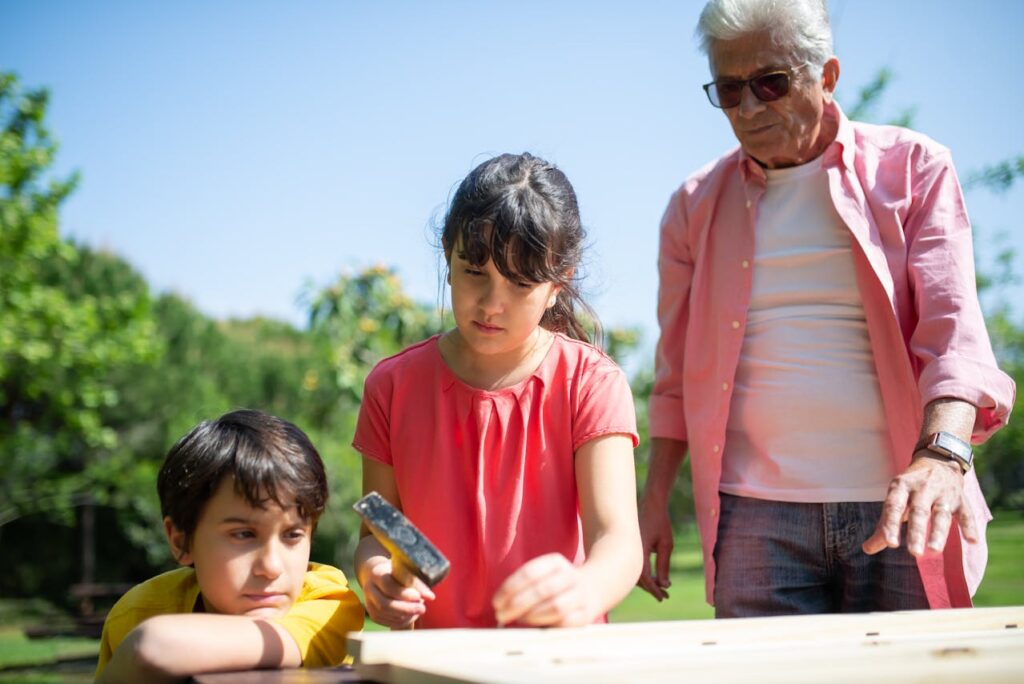
The most supportive grandparents encourage independence and self-confidence without demanding perfection. They offer guidance but allow space for mistakes, understanding that challenges are part of growing up. Their role is to guide, not control.
Celebrating Effort Over Achievement
Rather than focusing solely on grades, trophies, or milestones, they celebrate persistence, curiosity, and creativity. This reinforces the idea that self-worth isn’t tied only to outcomes. It also reduces performance anxiety and helps children take pride in their own progress.
Offering Gentle Guidance Instead of Commands
Supportive grandparents frame advice as suggestions rather than orders. This collaborative style makes children more receptive to guidance and more likely to consider different perspectives. It also helps maintain a relationship based on respect rather than authority alone.
Allowing Room for Mistakes
Mistakes are treated as opportunities to learn, not as failures to avoid at all costs. These grandparents offer reassurance during setbacks, helping children develop resilience. They share stories of their own missteps to illustrate that challenges are a normal part of life.
Grandparents’ Role in emotional growth
Emotionally supportive grandparents do more than offer love, they provide a stable foundation for emotional growth. They listen without judgment, encourage openness, and guide without pressuring. By creating a relationship grounded in trust, empathy, and respect, they leave a lasting imprint on their grandchildren’s emotional well-being. Their influence extends far beyond childhood, shaping the way future generations approach relationships, challenges, and self-understanding.