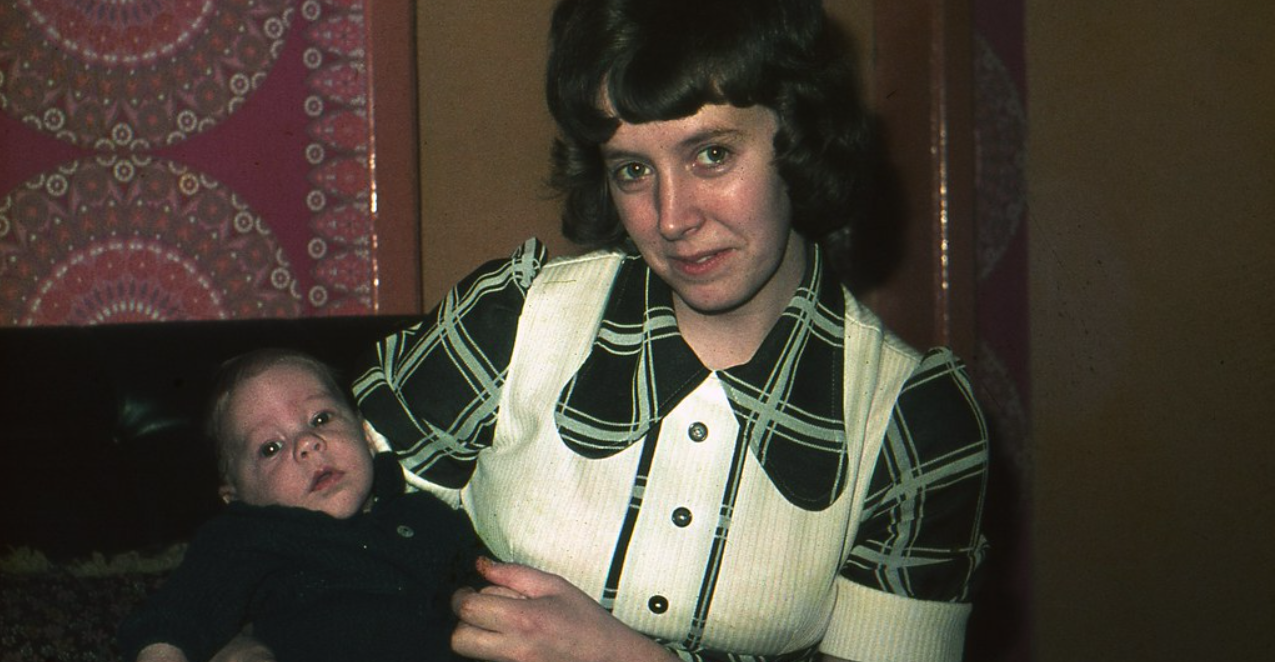
The 1970s was a decade of visible transformation in society, but for many mothers, life remained rooted in traditional expectations. The decade fell between the idealized housewife era of the 1950s and the working mother revolution of the 1980s. Technology was limited, gender roles remained strong, and societal expectations weighed heavily on women—especially mothers. To understand what daily life looked like for these women, we must revisit the rhythms, challenges, and quiet triumphs of an average day.
The Structure of a Stay-at-Home Routine
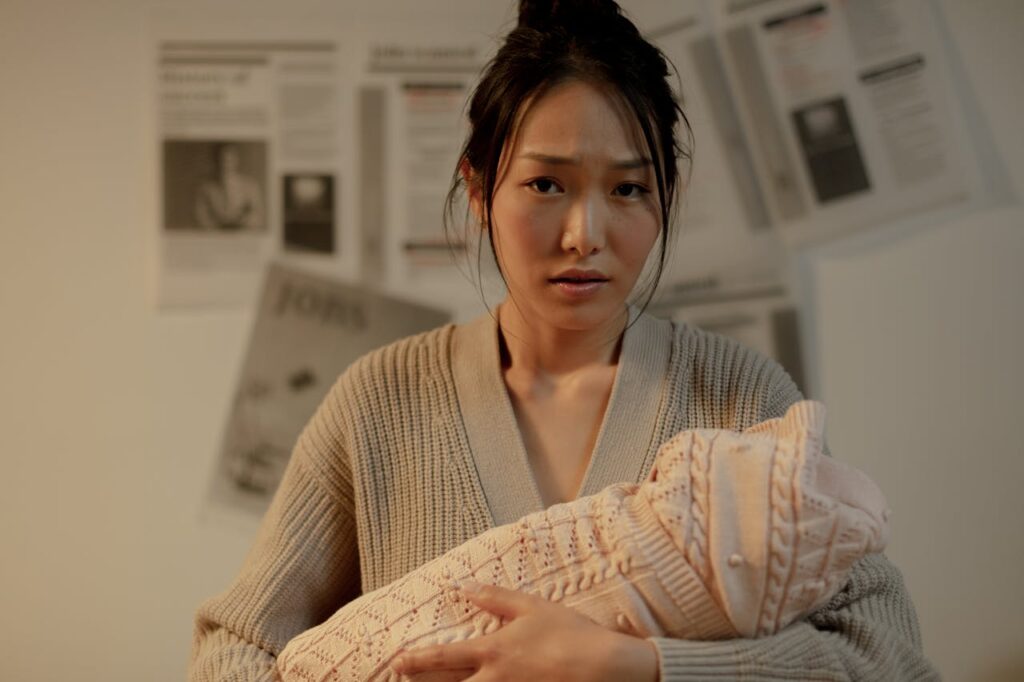
Most mothers in the early 1970s were still full-time homemakers.
Census data from the time reveals that nearly 50% of married women with children under six stayed home. Their days were long and physically demanding, often beginning before sunrise. Breakfast for the family, walking or driving children to school, and cleaning occupied much of the morning.
The absence of modern appliances meant housework required stamina and meticulous planning. From dusting to ironing, no shortcuts existed—yet expectations remained high.
Household Chores Without Convenience
Home life revolved around hard work. Washing machines were available but far from universal. Dishwashers were a luxury. Meals were mostly home-cooked, relying on fresh ingredients and handwritten recipes. Convenience foods like boxed cake mixes and frozen dinners were on the rise, but many moms still cooked from scratch to stretch budgets and feed growing families.
Cleaning required daily effort—especially in larger homes where spotless floors, polished furniture, and folded laundry were marks of a “good homemaker.”
The Role of Routine and Discipline
Mothers set the rhythm of the home through structure and authority. Dinner was served at the table, often at the same time each evening, and children were expected to attend without complaint. Rules were clear and often non-negotiable.
Rather than reward charts, discipline came in the form of firm correction or grounding. This structure provided children with a sense of stability and order in a world that was rapidly changing outside the home.
Limited Career Options and Growing Frustration
The push for women’s equality was building, but opportunities remained restricted.
Despite progress from the women’s movement—like Title IX (1972) and the push for the Equal Rights Amendment—many women still faced immense pressure to prioritize motherhood over ambition. Working outside the home, particularly while raising young children, was often frowned upon in conservative or middle-class communities.
Balancing Ambition and Obligation
A growing number of women began seeking careers or returning to work once children were older. But the path was rarely smooth. Flexible hours, maternity leave, or employer-provided childcare were almost nonexistent.
Women who worked outside the home had to juggle career aspirations with domestic demands, often managing both without acknowledgment or help. For many, this was the beginning of the long-standing “double shift.”
The Beginnings of the Working Mom Identity
By the late 1970s, economic necessity drove more women into the workforce. Dual-income households became more common. These early working mothers laid the groundwork for future workplace rights and policies—though at the time, they were often judged harshly for “abandoning” their roles.
Still, their resilience shifted the cultural conversation and slowly opened doors for generations to come.
Parenting Without Distractions or Digital Tools
In the 1970s, parenting was a quieter, more focused experience. No smartphones, social media, or online resources meant that knowledge came from family elders, books like Dr. Spock’s Baby and Child Care, or lived experience. Playdates were arranged by phone calls, not apps. And parenting styles were more consistent, partly because fewer external influences were competing for attention.
Discipline and Authority
Respect for adults and obedience were cornerstones of discipline in this era. While some approaches would now be seen as outdated or even harsh, the goal was to instill structure and consequence. Corporal punishment was more widely accepted, though not universal.
Many parents believed that clear rules and boundaries created respectful children. Negotiation was rare—expectation and follow-through ruled the day.
Creative Play and Outdoor Time
Because there were no screens to entertain or distract, children spent hours outdoors. Neighborhoods echoed with the sounds of jump rope rhymes, bike tires, and spontaneous games. Parents encouraged this independence.
Children walked to school, played unsupervised, and learned to entertain themselves—skills that contributed to early self-reliance. Mothers knew that boredom wasn’t a problem; it was often the birthplace of creativity.
Emotional Labor Behind the Scenes

While the physical demands of motherhood in the 1970s were clear, the emotional and mental load was almost invisible. Few acknowledged the depth of responsibility these women carried—not just as caretakers, but as emotional anchors of the family.
The Silent Load of Expectations
Mothers were expected to maintain a clean house, raise respectful children, keep meals on the table, and remain emotionally composed.
Feelings of loneliness or frustration were often kept private. Mental health was rarely discussed, and few women had access to therapy or support. They endured in silence—many finding strength through routines, friendship circles, or religious communities.
Time of Transition
Daily life for moms in the 1970s was far from easy. Whether managing the demands of homemaking or pushing against societal limitations in pursuit of a career, these women lived in a time of transition—with one foot in tradition and the other reaching toward progress.
Their contributions were often uncelebrated, but their strength shaped the future of motherhood as we know it today. While technology and social attitudes have evolved, revisiting the lives of ’70s moms reminds us of the value of presence, discipline, and perseverance.
These women raised children with fewer resources but an abundance of resilience. Their stories deserve recognition—not just as a glimpse into the past, but as a foundation for modern motherhood.