Cartoons have long been a window into the culture, values, and quirks of family life. Whether it’s the chaos of a Saturday morning animated sitcom or the warmth of a heartfelt storyline, these shows leave impressions that can last a lifetime. While many cartoons portray loving and supportive households, others reflect distorted dynamics that may influence how children view real-life relationships. Like all forms of media, cartoons can be a double-edged sword—offering lessons that uplift or misunderstandings that confuse. It’s worth looking closely at what kids really learn from the families they see on screen.
The Power of Love and Loyalty
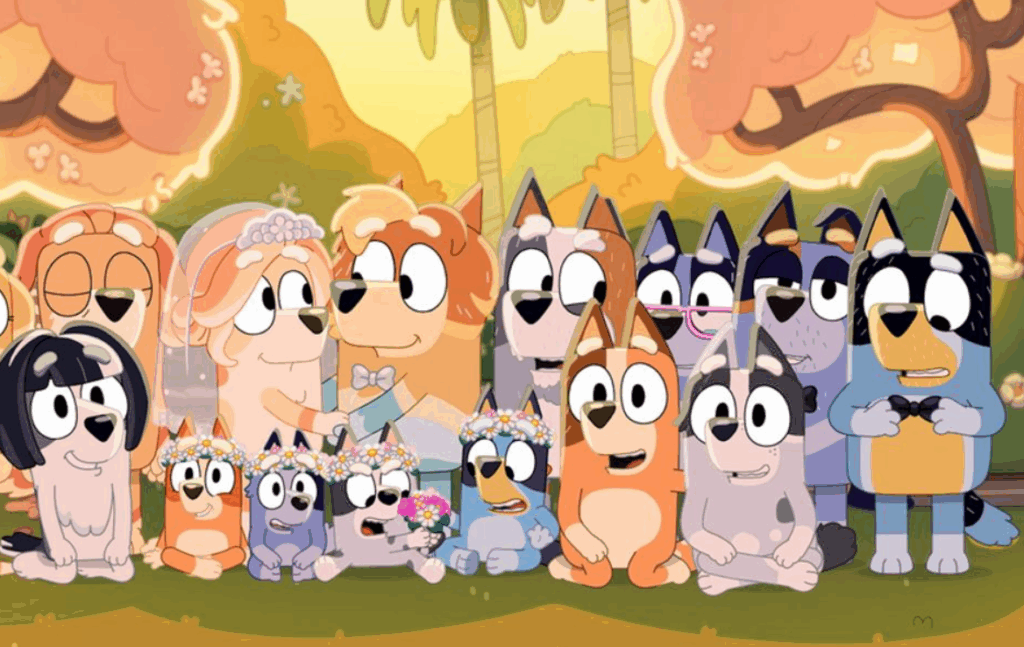
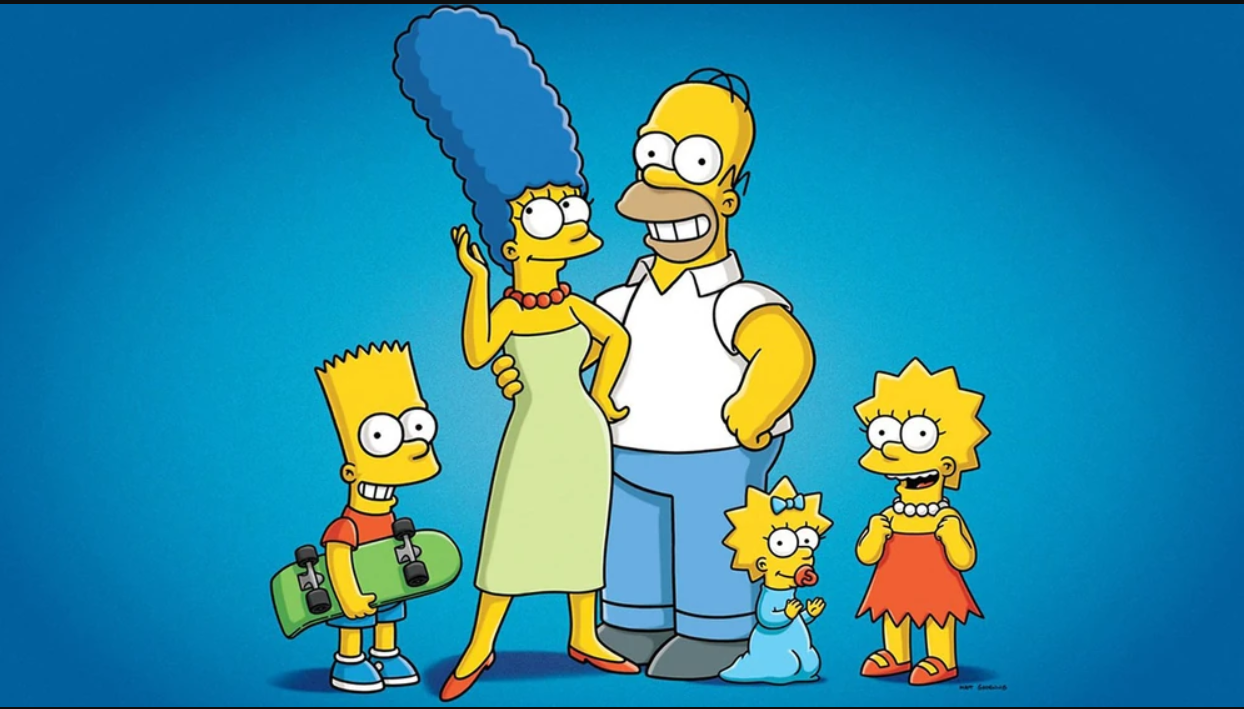
Cartoons often emphasize that, no matter how wild things get, family members are there for one another. In shows like The Simpsons, Bluey, or The Loud House, we see siblings fight and parents fumble—but there’s always an underlying bond of care. This consistent theme of unconditional love teaches kids that even imperfect families can still be united. These moments remind children that flaws don’t erase affection, and that loyalty often means sticking around through the chaos. It helps kids feel secure about their own families, even when things aren’t picture-perfect.
Cartoons & Everyday Joy of Parenting
Bluey, a modern favorite among preschoolers and parents alike, offers a refreshing take on family life. Through simple stories, it celebrates engaged parenting, imaginative play, and emotional intelligence. The show models healthy conflict resolution, patient listening, and the importance of spending quality time together. It teaches children what nurturing relationships look like in small, everyday moments. For parents watching alongside, it’s also a subtle invitation to slow down and connect.
Not all cartoon families model ideal behavior—and sometimes, that’s intentional. Shows like Family Guy, The Simpsons, or Rick and Morty exaggerate family dysfunction for humor, often portraying neglect, sarcasm, or outright hostility. These caricatures can entertain older audiences, but for younger viewers, they may blur the lines between funny and harmful.
When parents are consistently shown as clueless or cruel, or siblings are always adversaries, it can shift a child’s perception of what’s “normal.” These shows walk a tricky line between satire and social learning.
Comedy and Rivalry
While humor is central to many animated sitcoms, the jokes often come at the expense of empathy or mutual respect. Characters like Peter Griffin or Homer Simpson are portrayed as lovable oafs, yet their behavior sometimes includes verbal abuse or irresponsibility. If not balanced by moments of growth or remorse, kids may internalize these patterns as acceptable or funny. Cartoons that rely too heavily on ridicule without resolution may desensitize children to unhealthy behavior in families.
In many animated shows, siblings argue constantly but often come together when it matters most. This balance teaches children that disagreement doesn’t end a relationship—it’s how you move forward that counts.
Even shows with high-conflict dynamics, like Tom and Jerry or Dexter’s Laboratory, sometimes reveal moments of affection underneath the chaos. These brief glimpses of connection help kids understand that love and rivalry often coexist in family life.
Parents as Teachers—or Comic Relief
Parental figures in cartoons range from wise and nurturing to hilariously incompetent. Some shows, like Arthur or Hey Arnold!, portray parents as grounded, supportive, and insightful. Others, like Fairly OddParents or The Flintstones, cast them as silly, distracted, or overwhelmed. These portrayals influence how children view authority, trust, and emotional support. Whether parents are seen as helpers or hindrances can shape how kids feel about turning to adults in real life.
Cartoons That Elevate Parental Wisdom
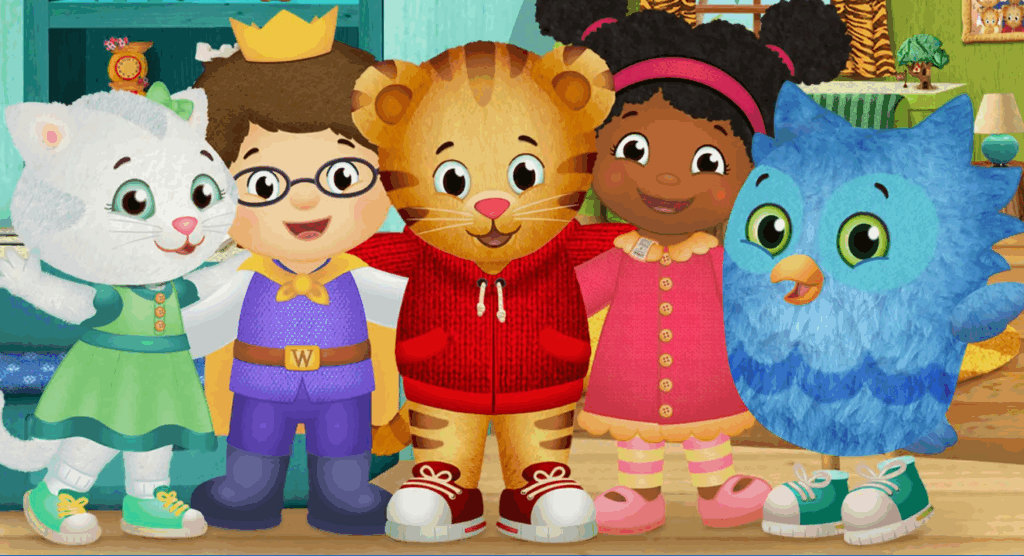
In many educational or story-driven cartoons, parents are shown as calm, thoughtful guides. These shows help reinforce the idea that adults are safe, trustworthy people who can help solve problems. Shows like Daniel Tiger’s Neighborhood or Maya and Miguel model respectful parent-child interactions. These portrayals help children see adults as allies, encouraging openness and communication at home.
When Parents Are Perpetual Punchlines
Other shows take a different route, portraying parents as completely out of touch or downright clueless. While this is often played for laughs, it can send confusing messages to children about authority and respect. If the family’s leaders are always bumbling, kids may question whether they should take real-life adults seriously. This is especially important for younger viewers who are still forming their social expectations.
Modern cartoons are increasingly reflecting the diversity of real-world families. Single-parent households, same-sex couples, adoptive families, and chosen families are now more visible than ever in animation. Shows like Steven Universe, Craig of the Creek, and The Owl House break away from the nuclear family mold. This representation helps children from non-traditional families feel seen and validated. It also broadens every child’s understanding of what family can mean.
By showing a wide range of family structures, cartoons foster empathy and inclusion. Kids who see families like their own represented on screen are more likely to feel accepted. At the same time, those from more traditional households learn that love isn’t limited to one form.
These cartoons teach that family is defined not by structure, but by care, respect, and connection.
The Role of Conflict and Resolution
No family is without its problems, and cartoons often use conflict as a central storytelling tool. Fights, misunderstandings, and disappointments are common plot points—but how they’re resolved makes all the difference. Shows that honest apologies, emotional growth, and compromise help kids build conflict-resolution skills. When problems are glossed over or laughed off without accountability, the lessons may be less helpful.
Apologies and Accountability in Animation
In the best family-centered cartoons, characters make mistakes—and then make amends. Watching a parent apologize to a child, or siblings resolve a disagreement, shows that healthy families aren’t perfect, but they care enough to grow. This kind of modeling is subtle but powerful. It gives kids language and examples for dealing with conflict in their own homes.
Cartoons are more than just entertainment—they’re one of the first forms of media that children consume regularly. The lessons learned from animated families, whether good or bad, can influence how kids view their own roles in a household. When used thoughtfully, cartoons can spark important conversations between parents and children. By watching together and talking about what’s on screen, families can use cartoons as a springboard for real-world understanding.
Talking Back to the Screen
Parents who engage in co-viewing—watching and discussing cartoons with their kids—can help children think critically about what they see. Asking questions like “Why do you think she felt that way?” or “What would you do in that situation?” can deepen a child’s emotional insight. This kind of guidance turns passive watching into active learning. When parents stay involved, cartoons can become tools for empathy, growth, and connection.